A Barn with a Mossy Roof, Shoreham — History & Analysis
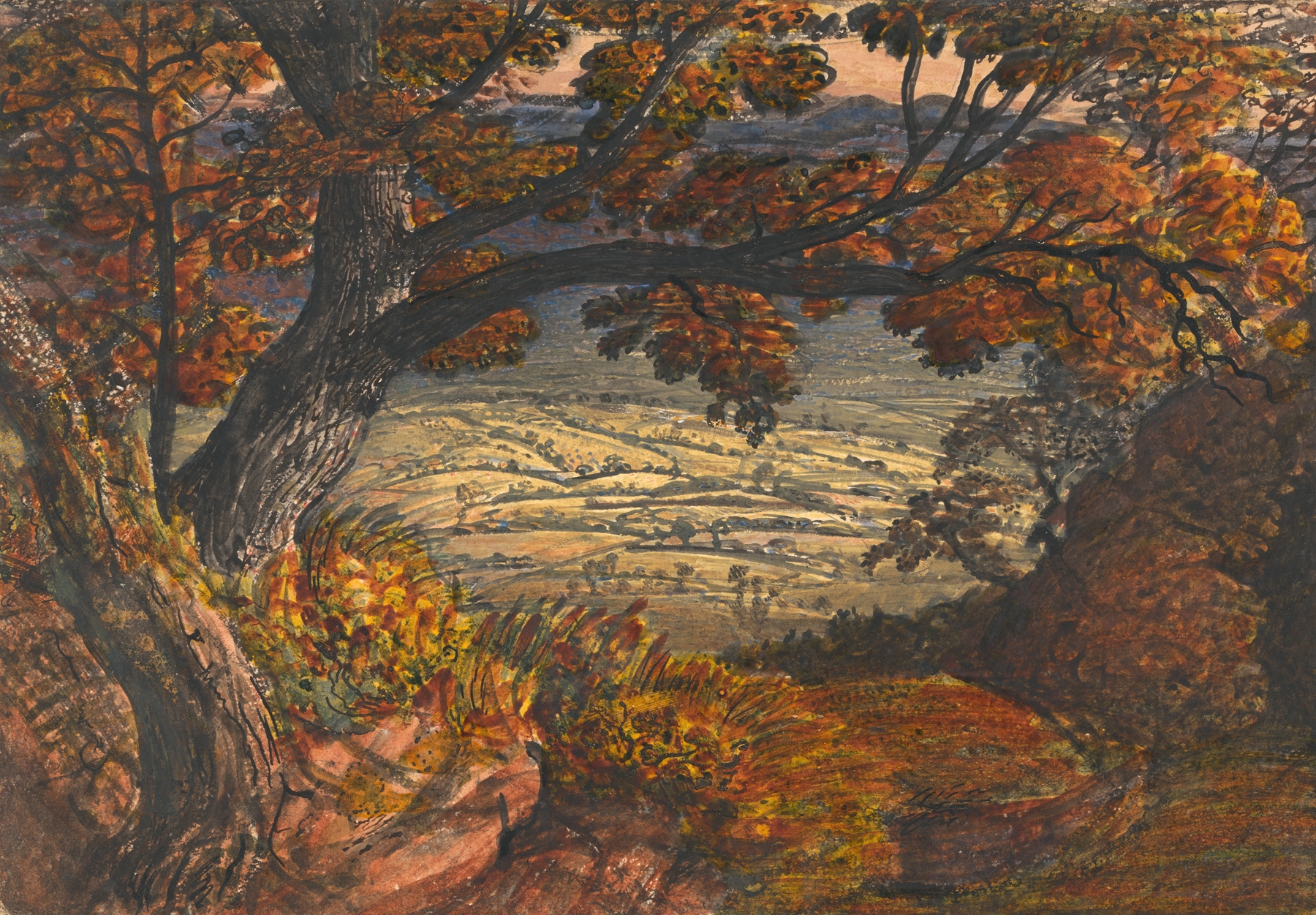
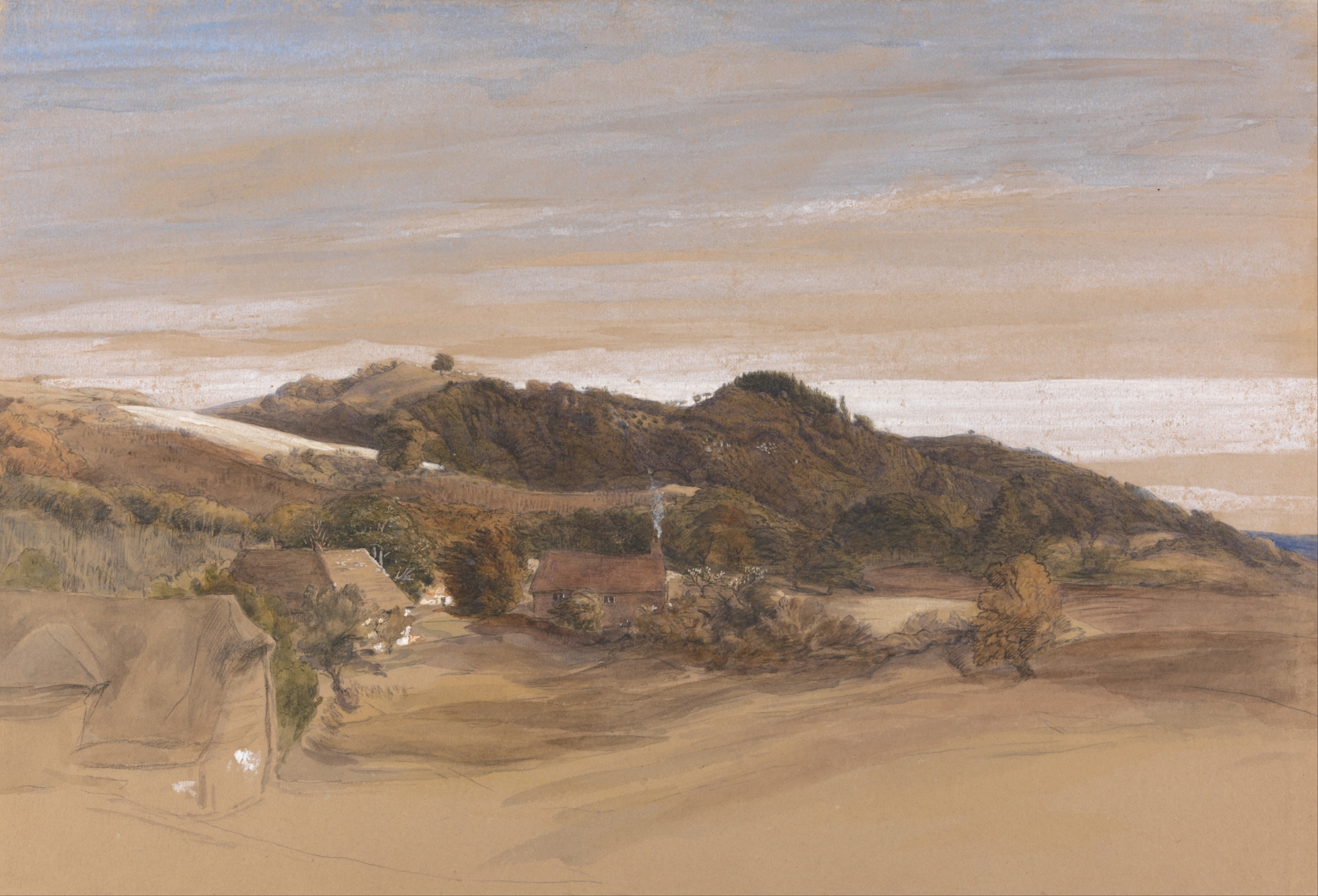
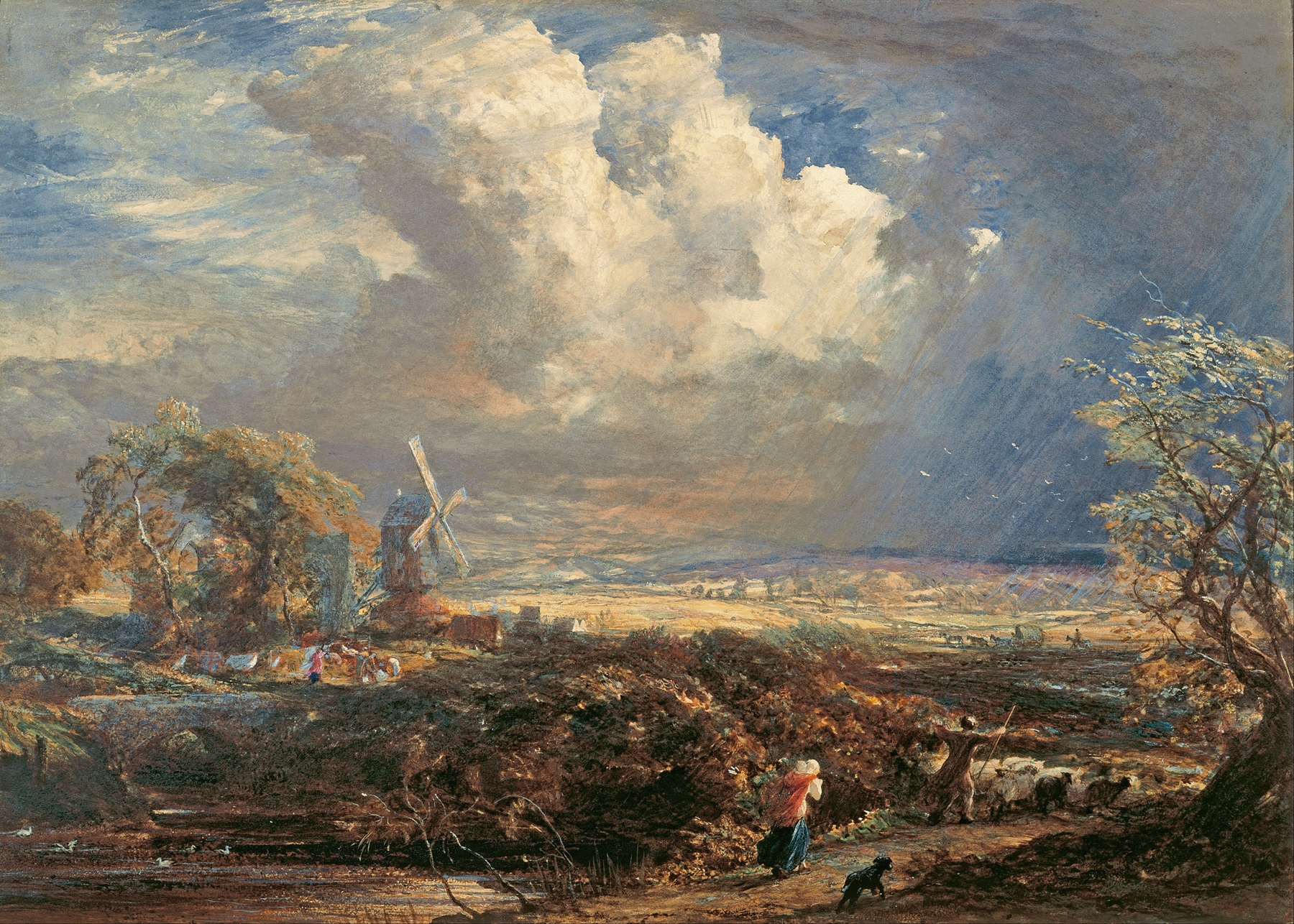
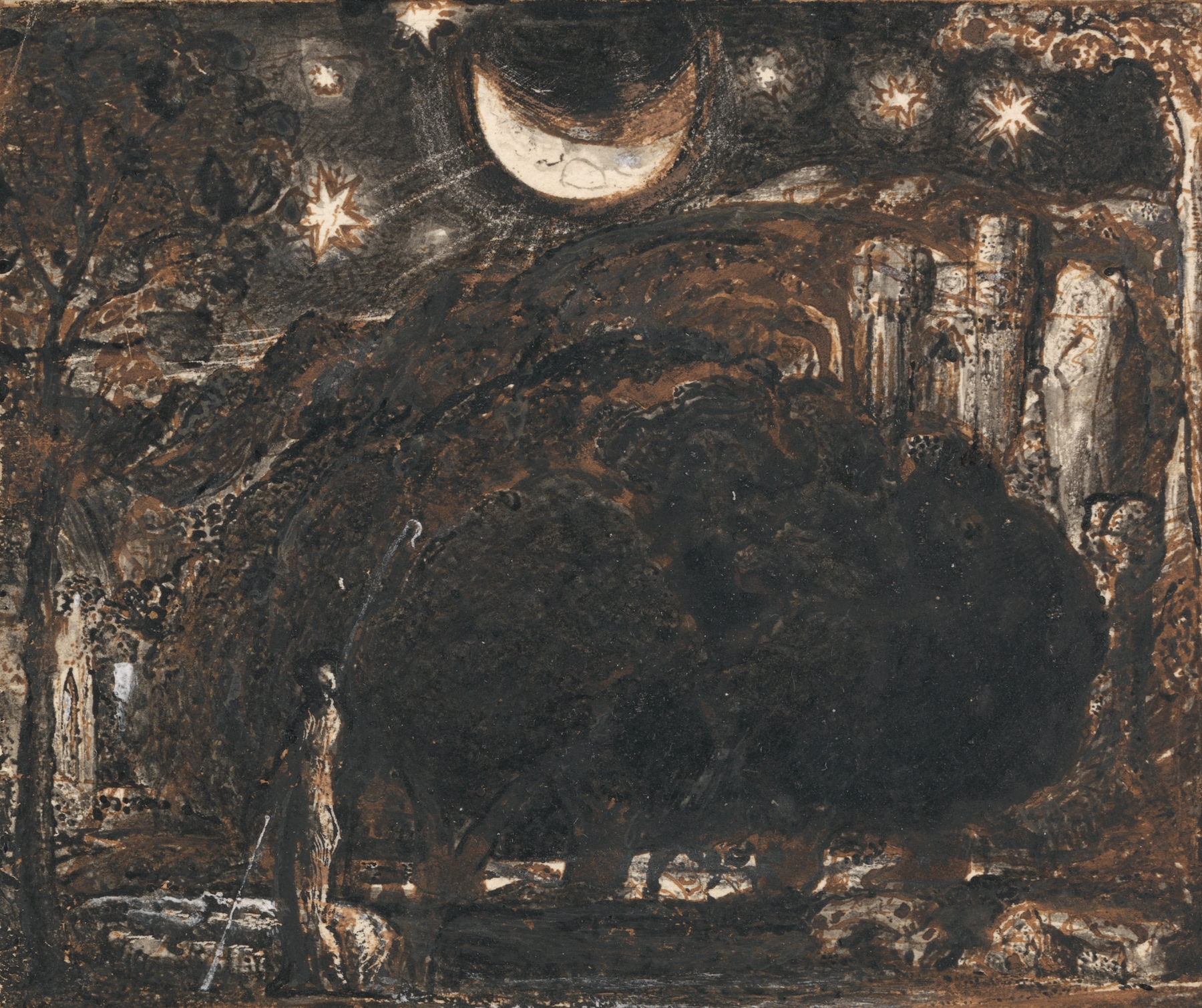
What secret hides in the quiet of the canvas? In A Barn with a Mossy Roof, Shoreham, a world unfolds, whispering echoes of legacy and stillness. Look to the center, where the barn stands as a sentinel of time, its moss-covered roof merging with the surrounding foliage. The earthy tones embrace the structure, creating a harmony that feels both intimate and grounded.
Notice how the soft light casts gentle shadows, illuminating the textures of the wood and the vibrant greens of the moss—each brushstroke a thoughtful caress that speaks to the passage of seasons. This painting captures a delicate tension between the manmade and nature, revealing how time weaves its narrative through both. The barn, a symbol of human endeavor, is slowly reclaimed by the earth, suggesting a dialogue between humanity and the natural world. The warm, muted colors evoke nostalgia, hinting at stories untold and lives once lived beneath that mossy roof, intertwined with the land itself.
Samuel Palmer painted this work in the 19th century while living in Shoreham, a village that profoundly influenced his artistic vision. During this period, he was part of the Romantic movement, exploring themes of nature and spirituality. The work reflects his desire to harmonize the beauty of the countryside with deeper emotional truths, capturing a moment that transcends time and resonates with the viewer's own reflections on legacy.