A cloudy seascape — History & Analysis
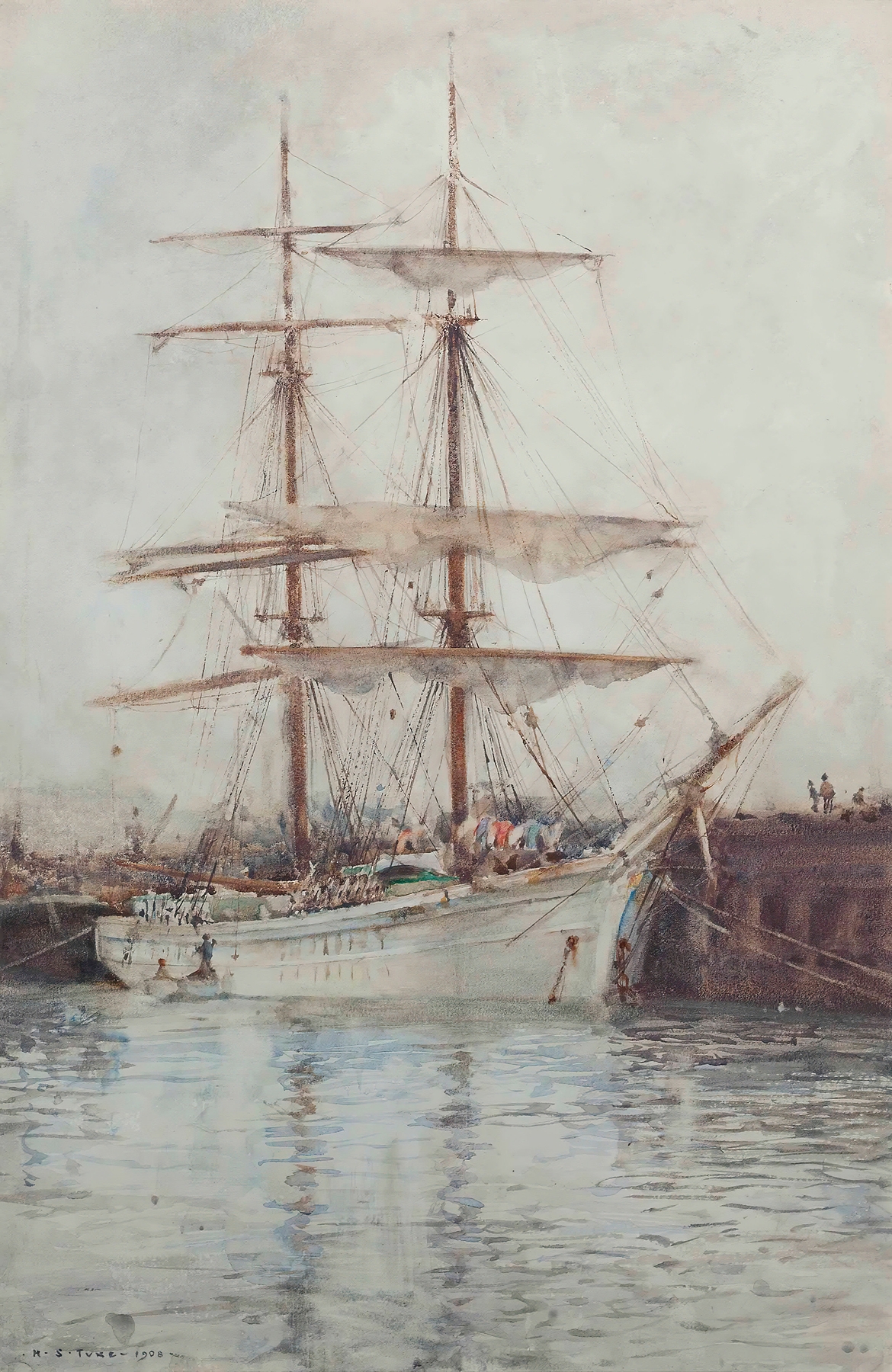
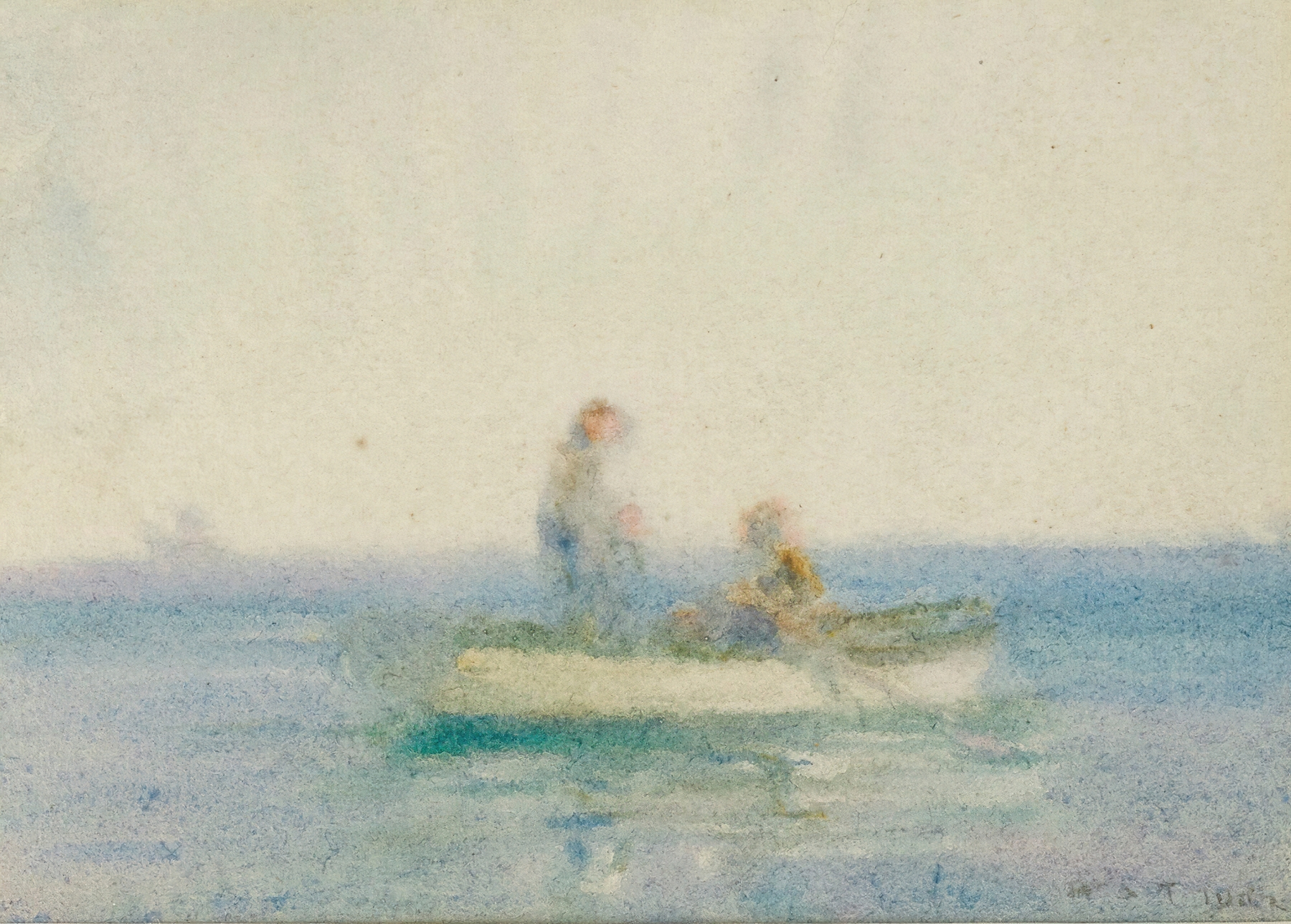
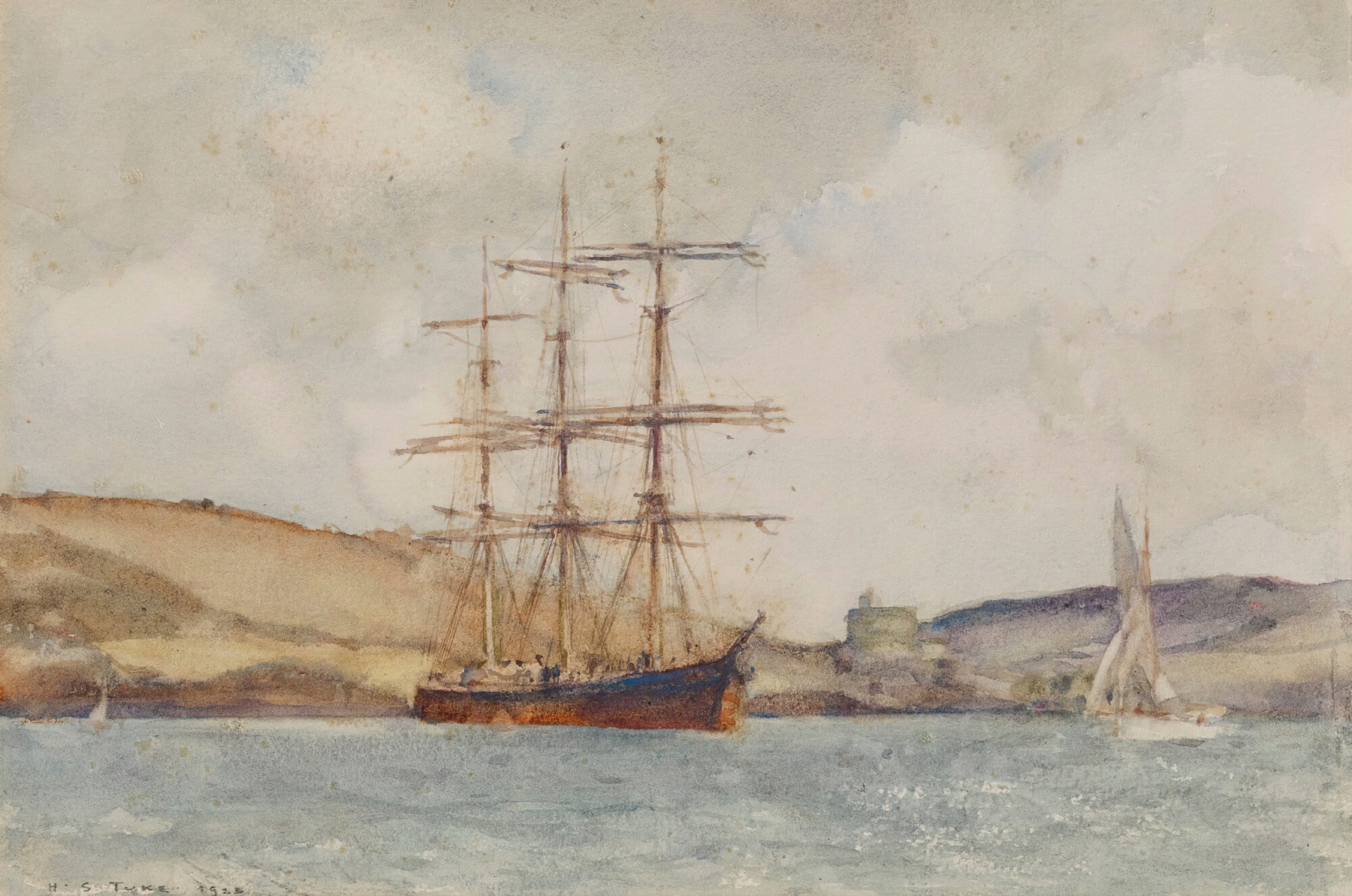
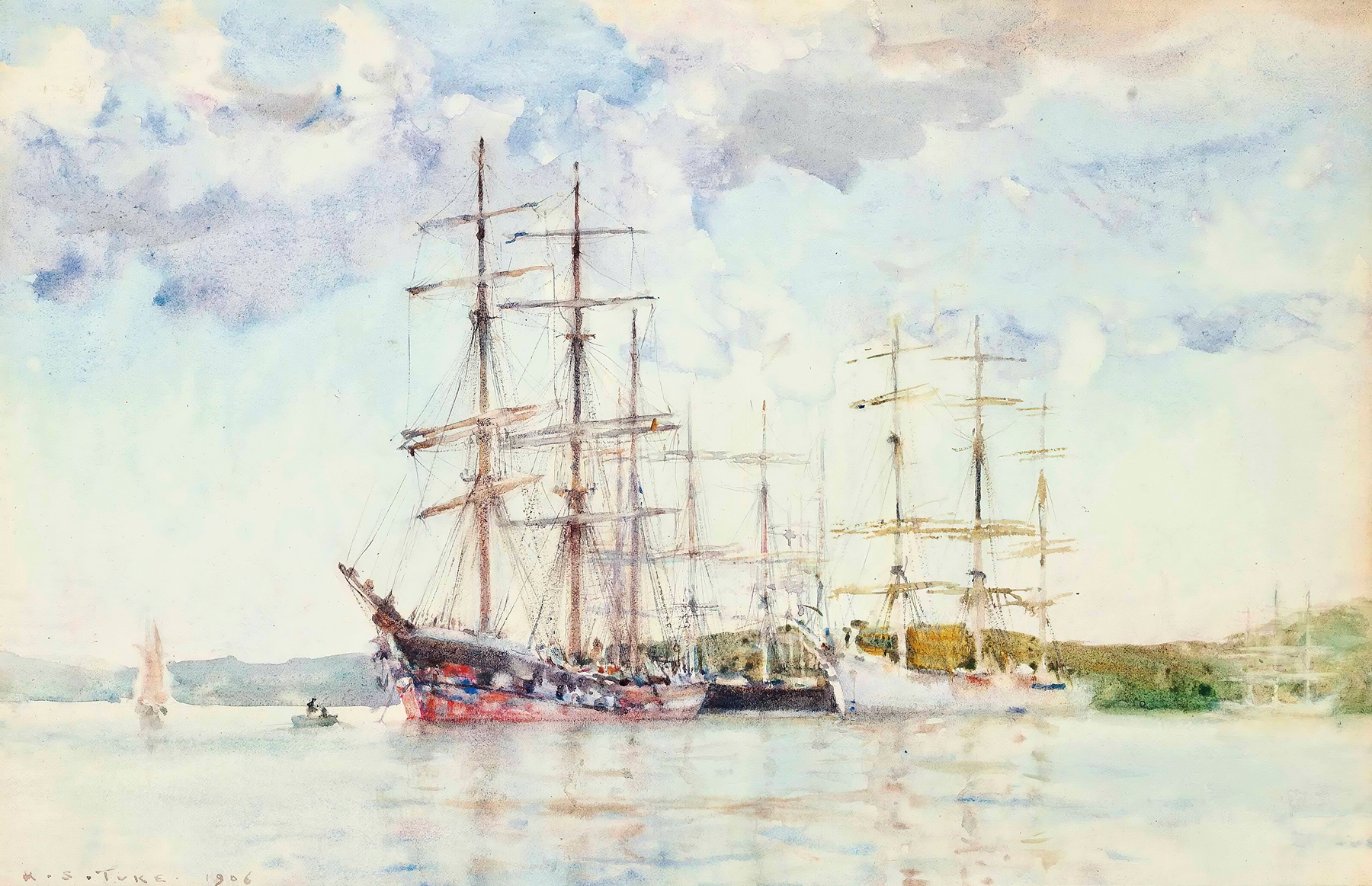
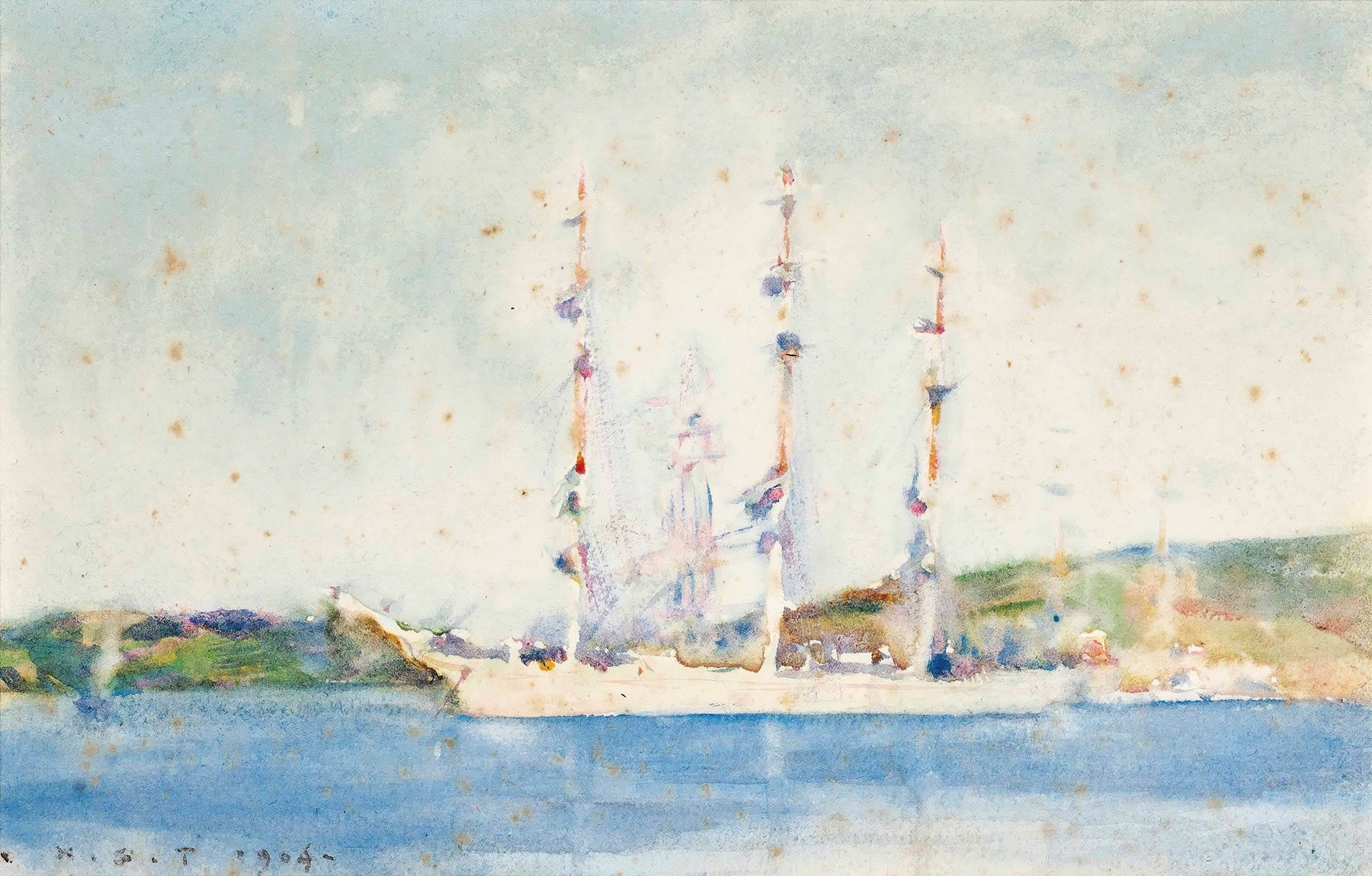
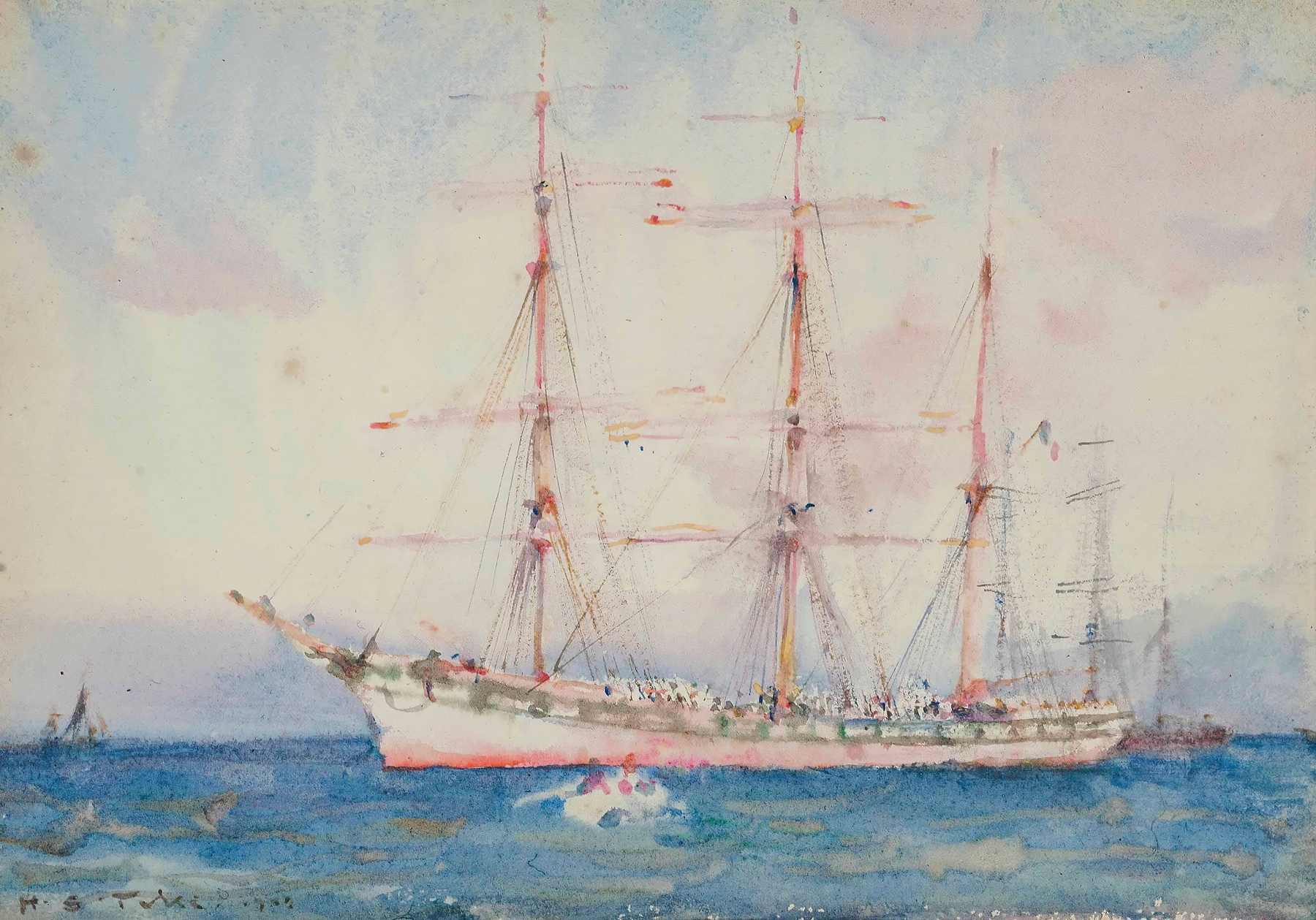
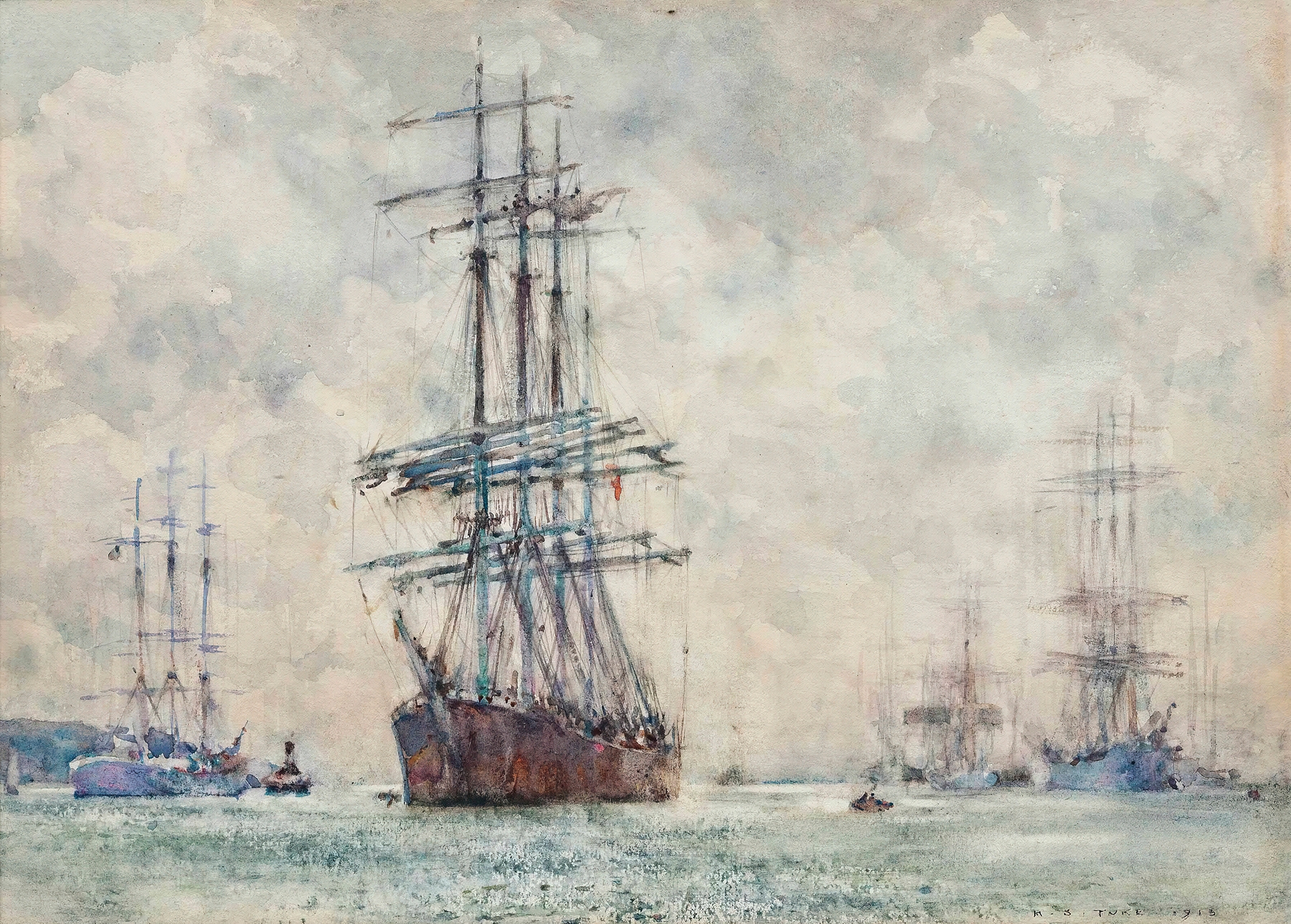
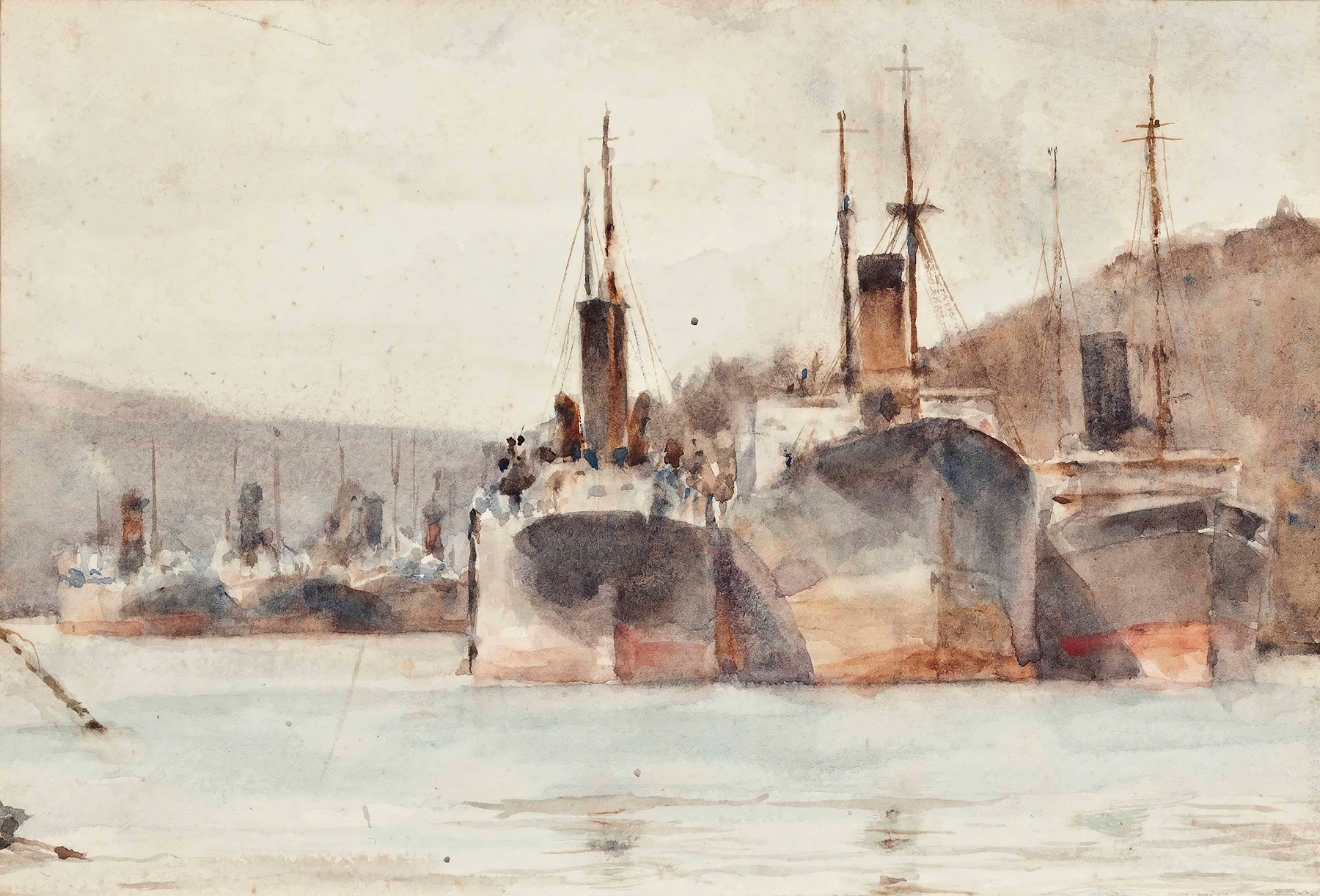
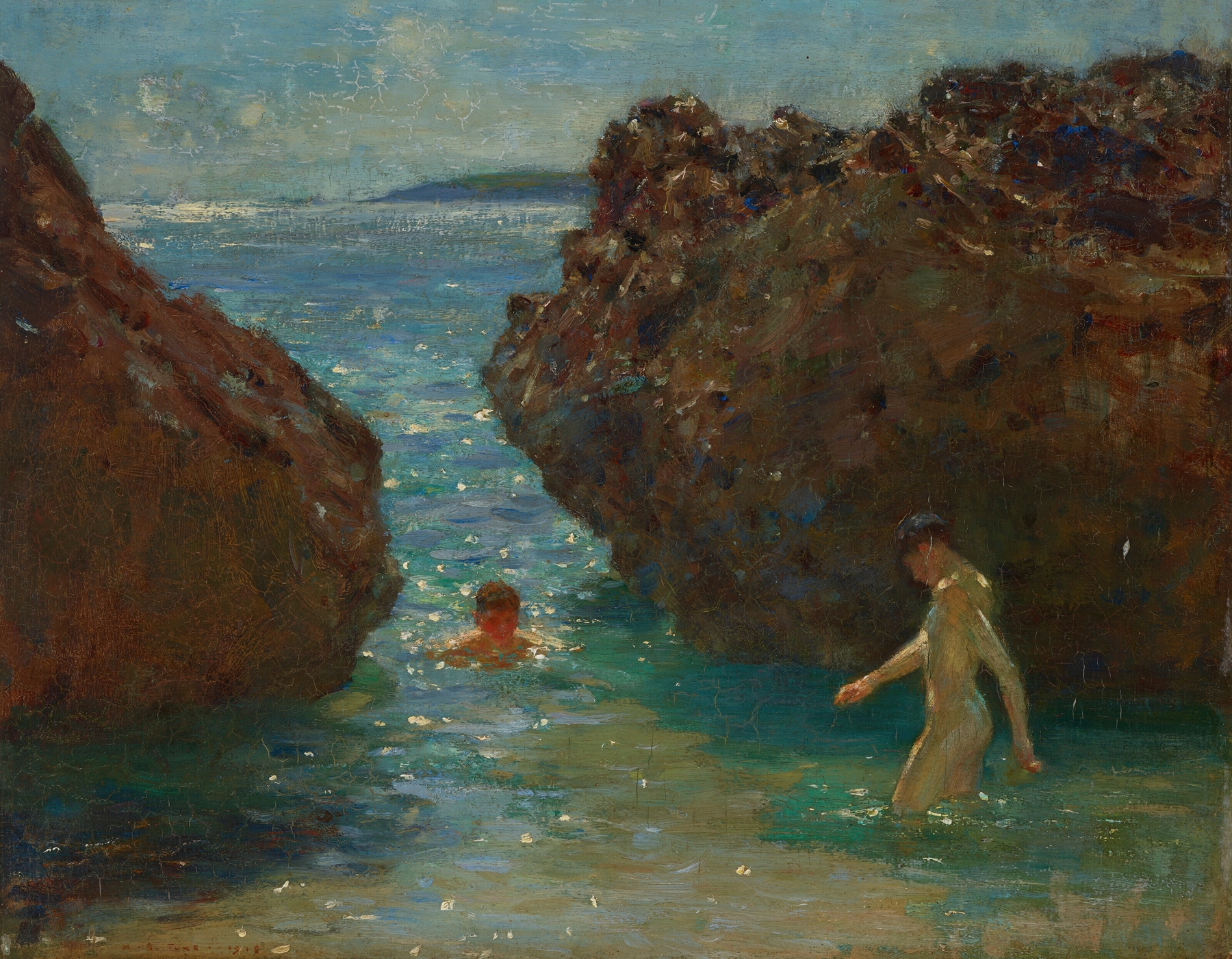
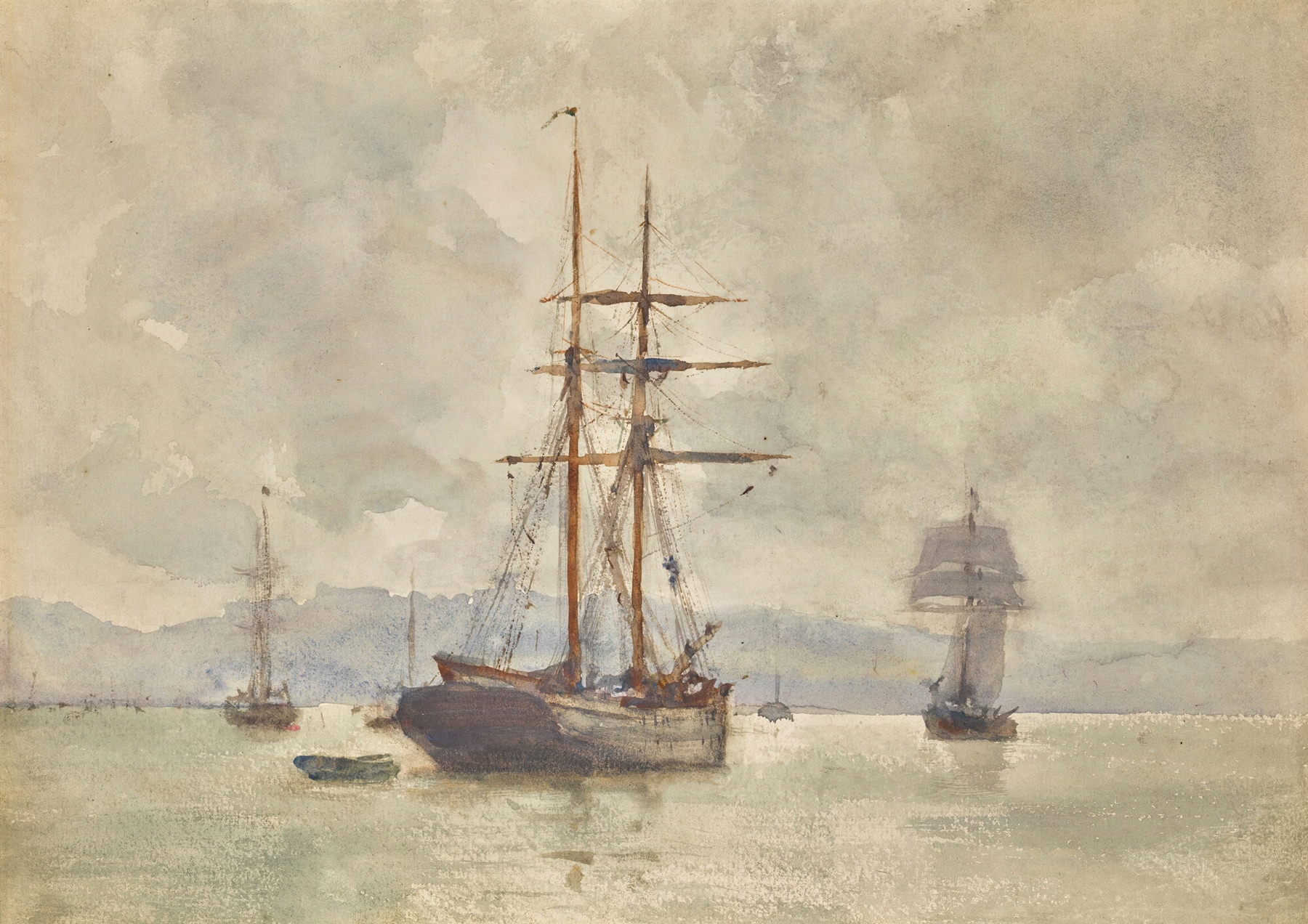
Is this a mirror — or a memory? In the swirling depths of a cloudy seascape, the boundary between reality and reflection blurs, inviting us to explore the vastness of our own thoughts. Focus first on the horizon, where the steel-gray sky meets the restless sea, painted with soft brushstrokes that evoke a sense of movement. Notice how Tuke employs a palette of muted blues and grays, creating an atmosphere thick with anticipation.
The waves ripple gently, their crests catching snippets of the overcast light, while hints of sunlight break through the clouds, casting a luminous glow on the water's surface. Delve deeper, and you’ll find contrasts that hint at an inner turmoil—the tranquil water contrasts sharply with the ominous clouds, suggesting both serenity and unrest. The void where the sky meets the sea creates a profound sense of infinity, evoking feelings of solitude. This interplay between light and shadow, calm and chaos, speaks to the complexities of human emotion, drawing us into our own reflections of fear and hope.
In 1907, Tuke painted this work while living in Newlyn, Cornwall, a hub of artistic activity and inspiration. During this period, he was deeply influenced by the natural beauty of the coastline and the changing elements, responding to the burgeoning movement of plein air painting that sought to capture the fleeting moments of light and atmosphere. This piece stands as a testament to his mastery of color and form in a world increasingly focused on the exploration of nature's sublime power.