A Landscape with Figures Walking along a Path — History & Analysis
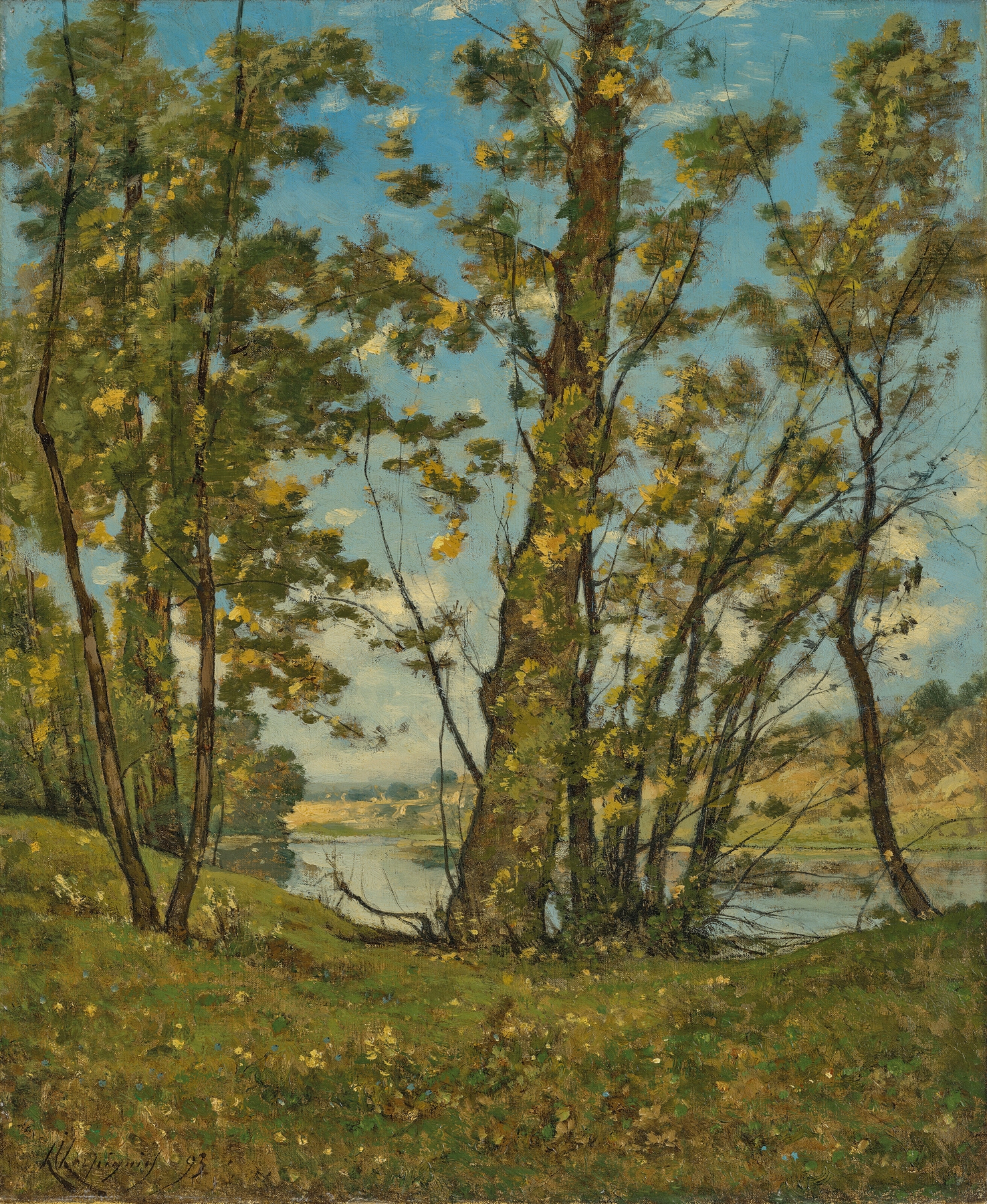
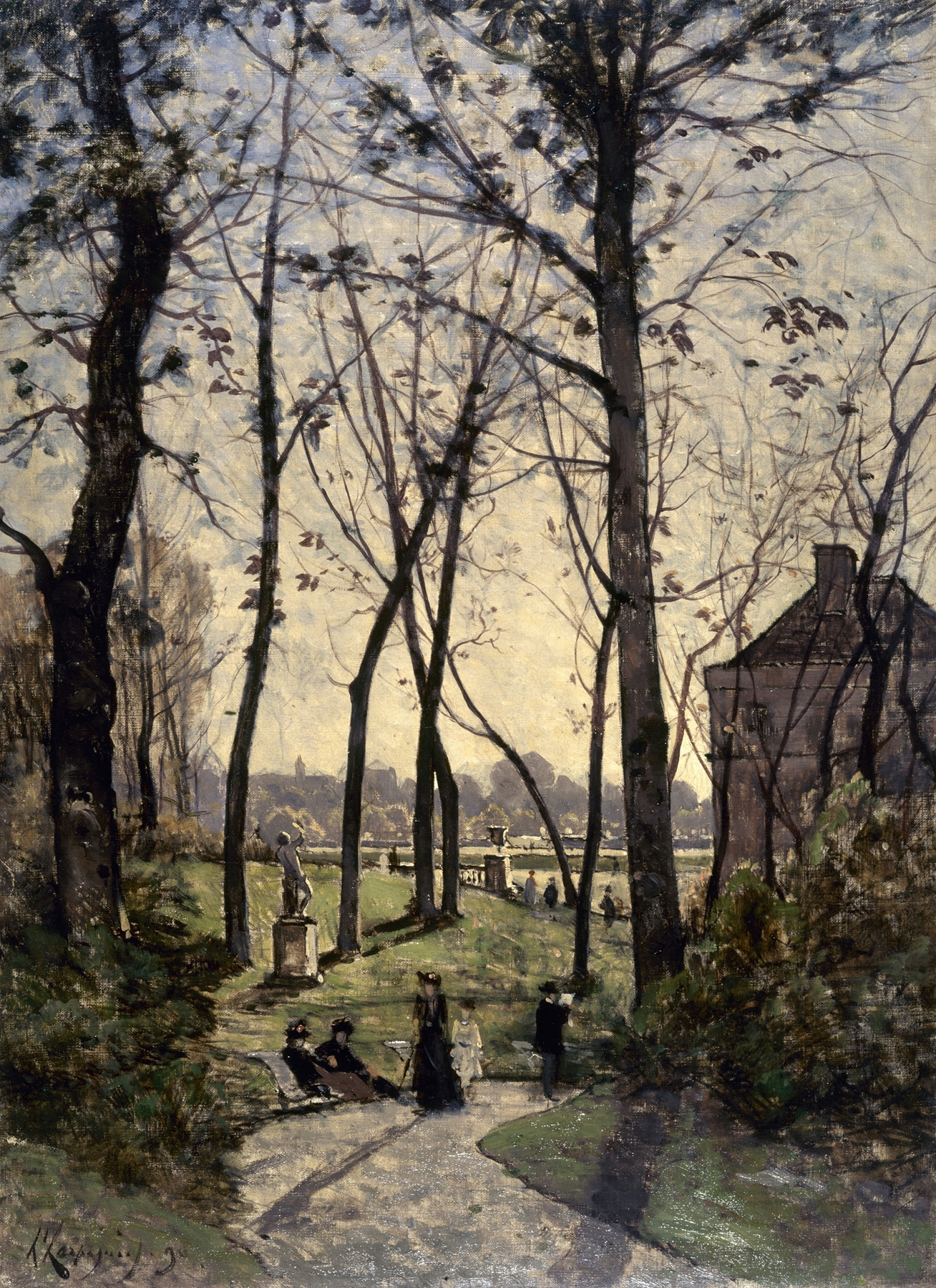
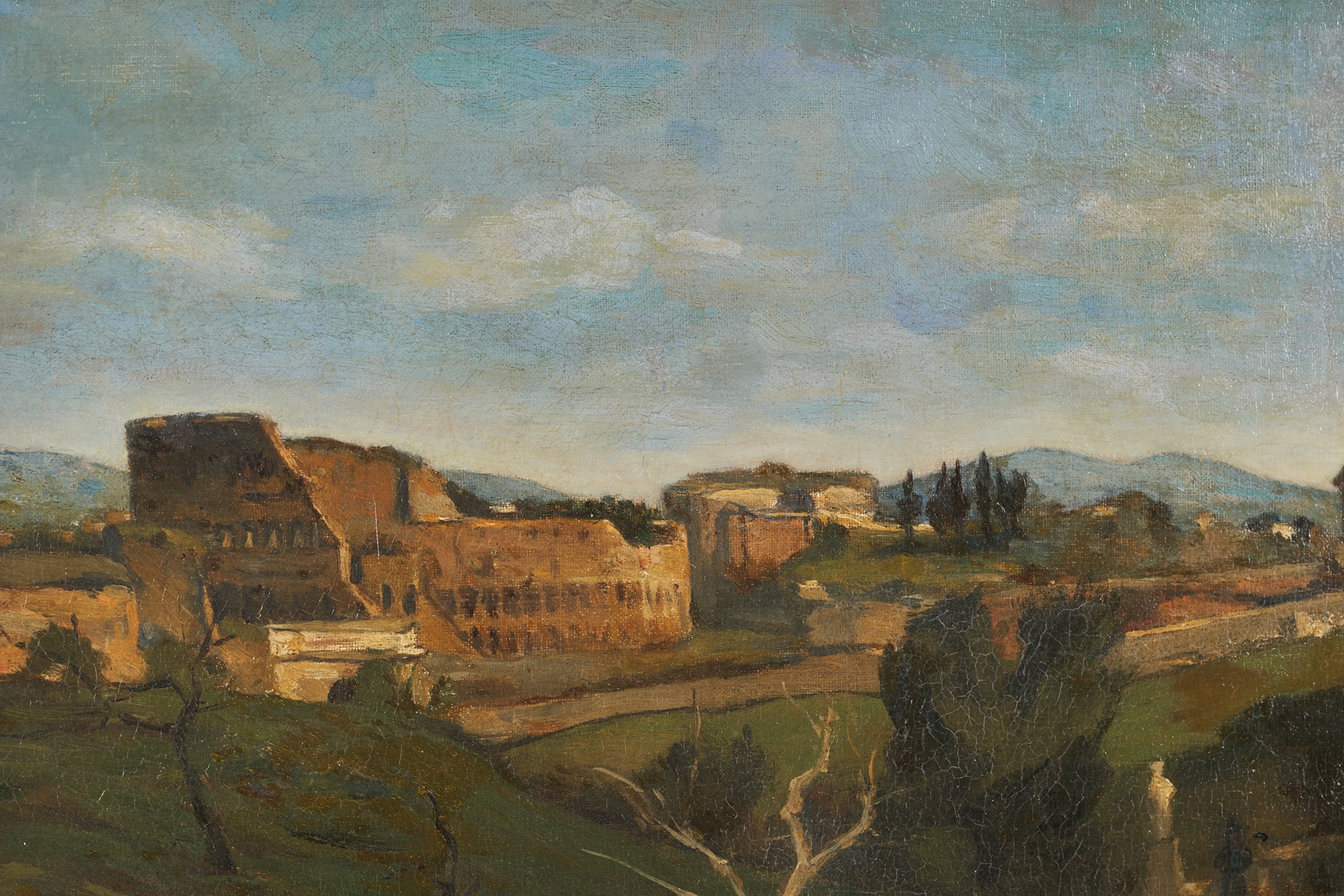
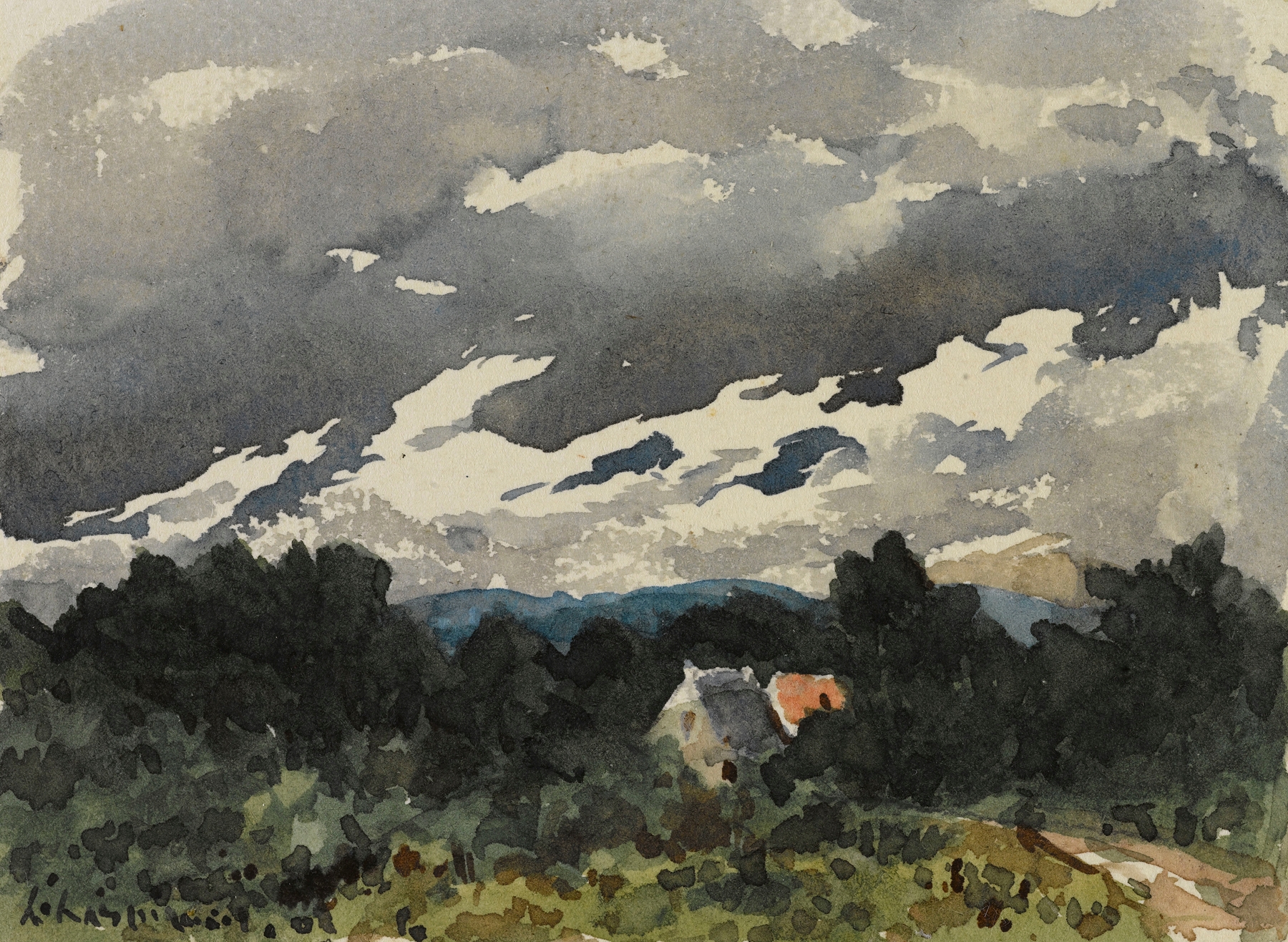
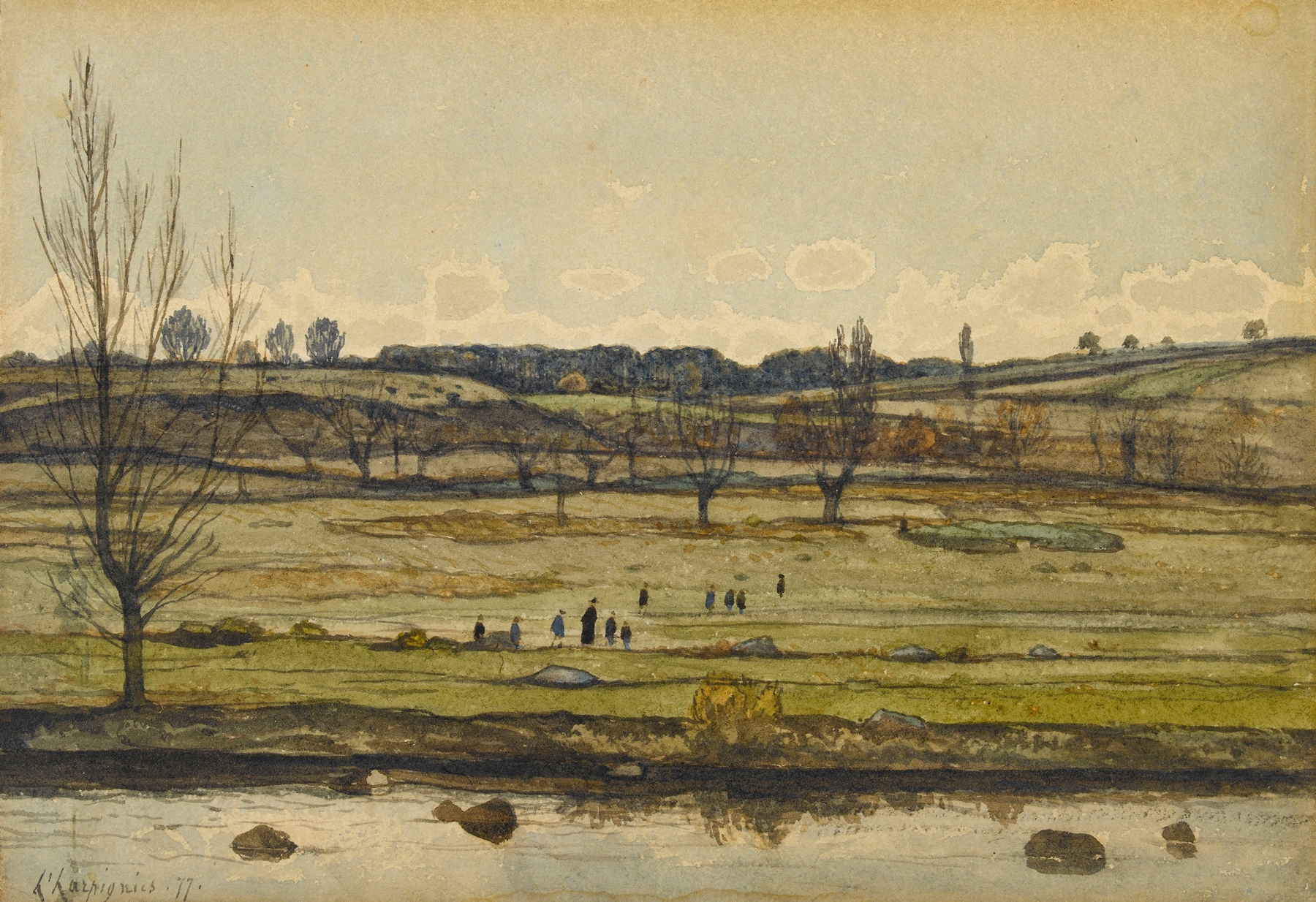
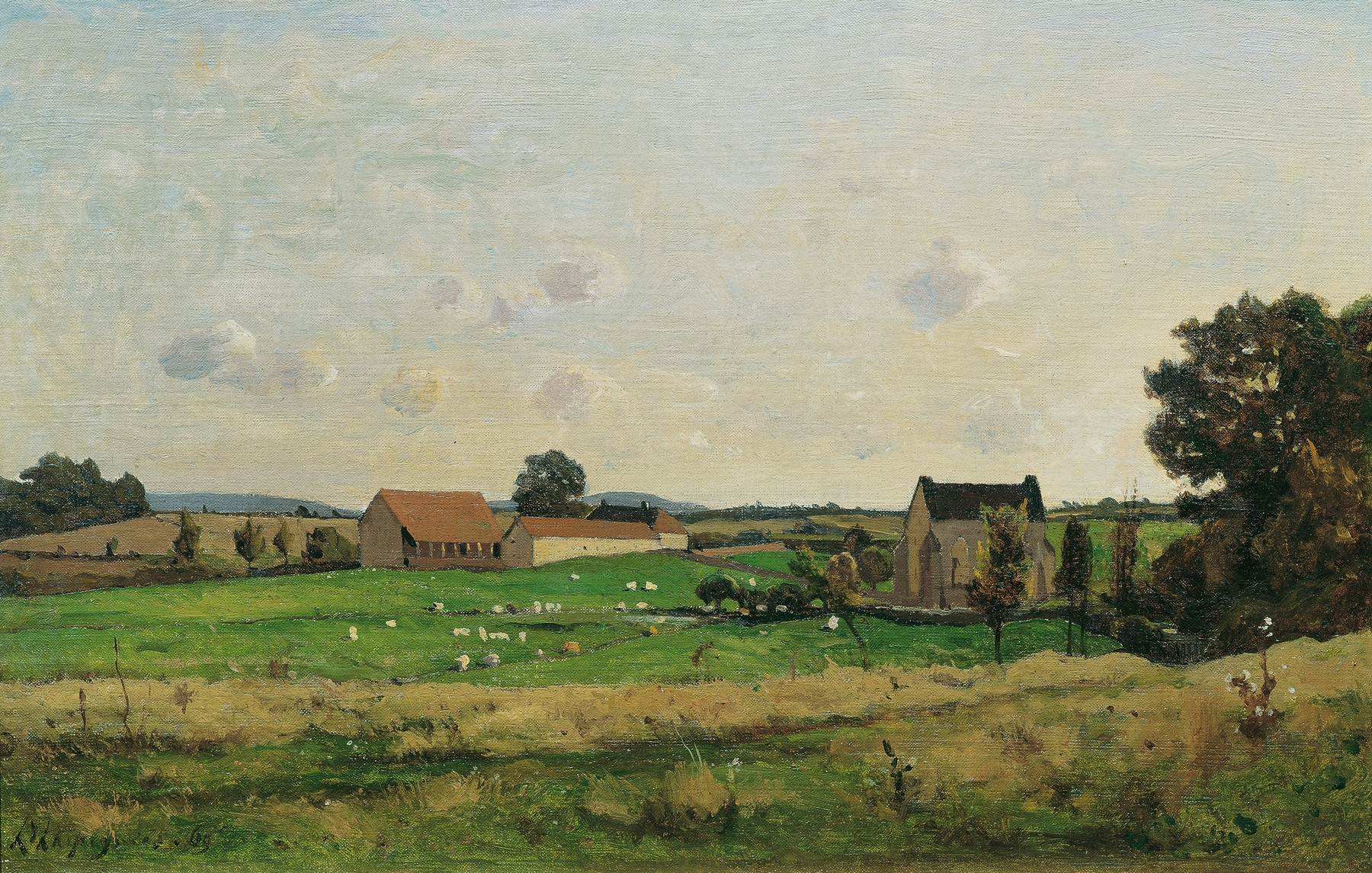
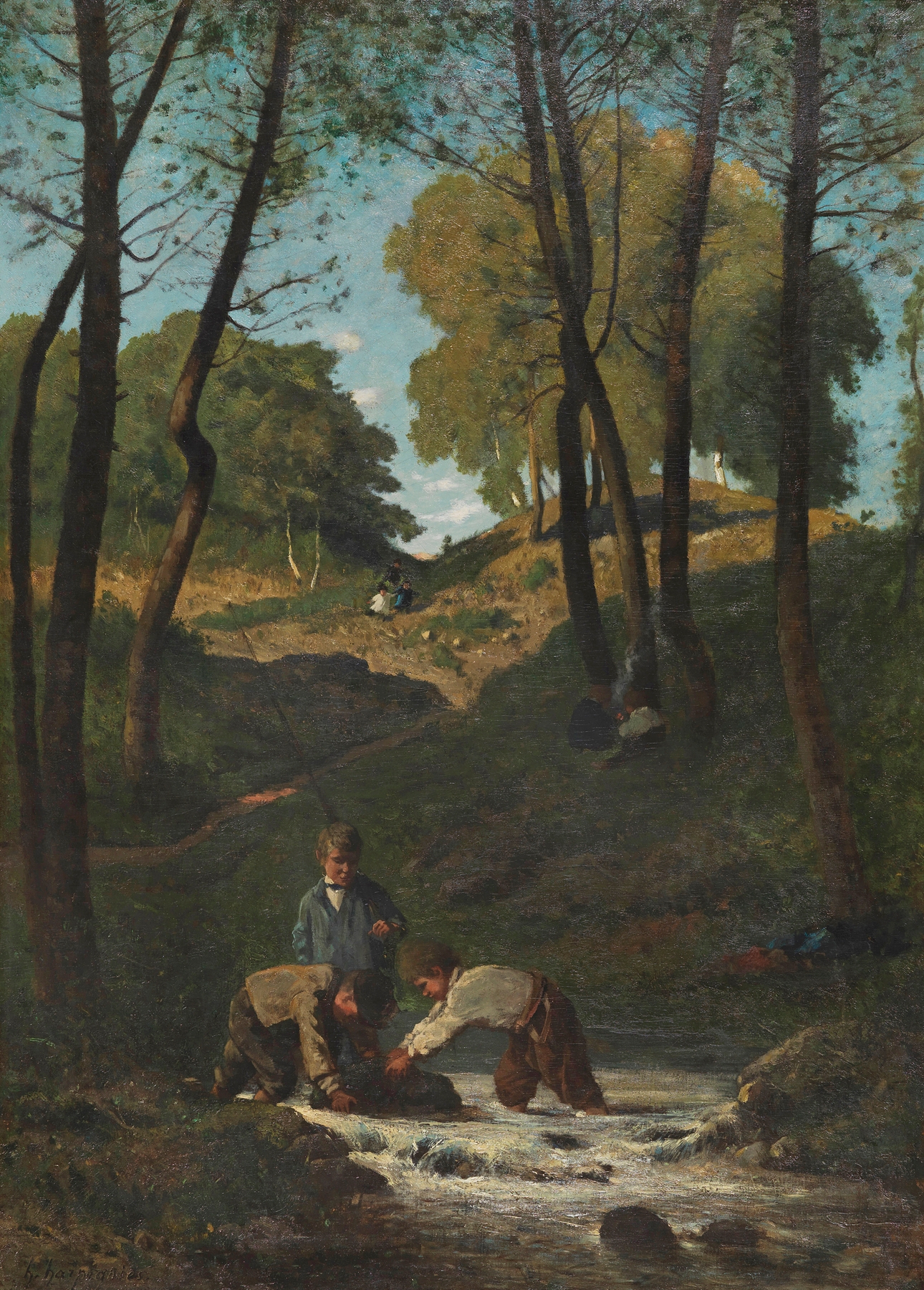
What if beauty was never meant to be finished? In a world where every brushstroke breathes life, A Landscape with Figures Walking along a Path invites us to ponder the infinite journey of nature and humanity intertwined. Look to the foreground, where two figures meander along a winding path that beckons the viewer's eye deeper into the serene landscape. Notice how the artist employs a delicate palette of greens and earth tones, capturing the vibrancy of foliage bathed in warm sunlight. The light dances through the trees, casting playful shadows that evoke a sense of movement and fluidity.
The gentle curves of the pathway lead our gaze towards the horizon, inviting contemplation and encouraging exploration of the lush surroundings. Within this tranquil scene, emotional tensions emerge through the juxtaposition of the figures’ solitude against the vastness of nature. Their small forms evoke a sense of humility, a reminder of human fragility amid the grandeur of the landscape. The path symbolizes both a journey and a moment of awakening, suggesting that every step taken is an integral part of a larger narrative, one that unfolds in harmony with the environment.
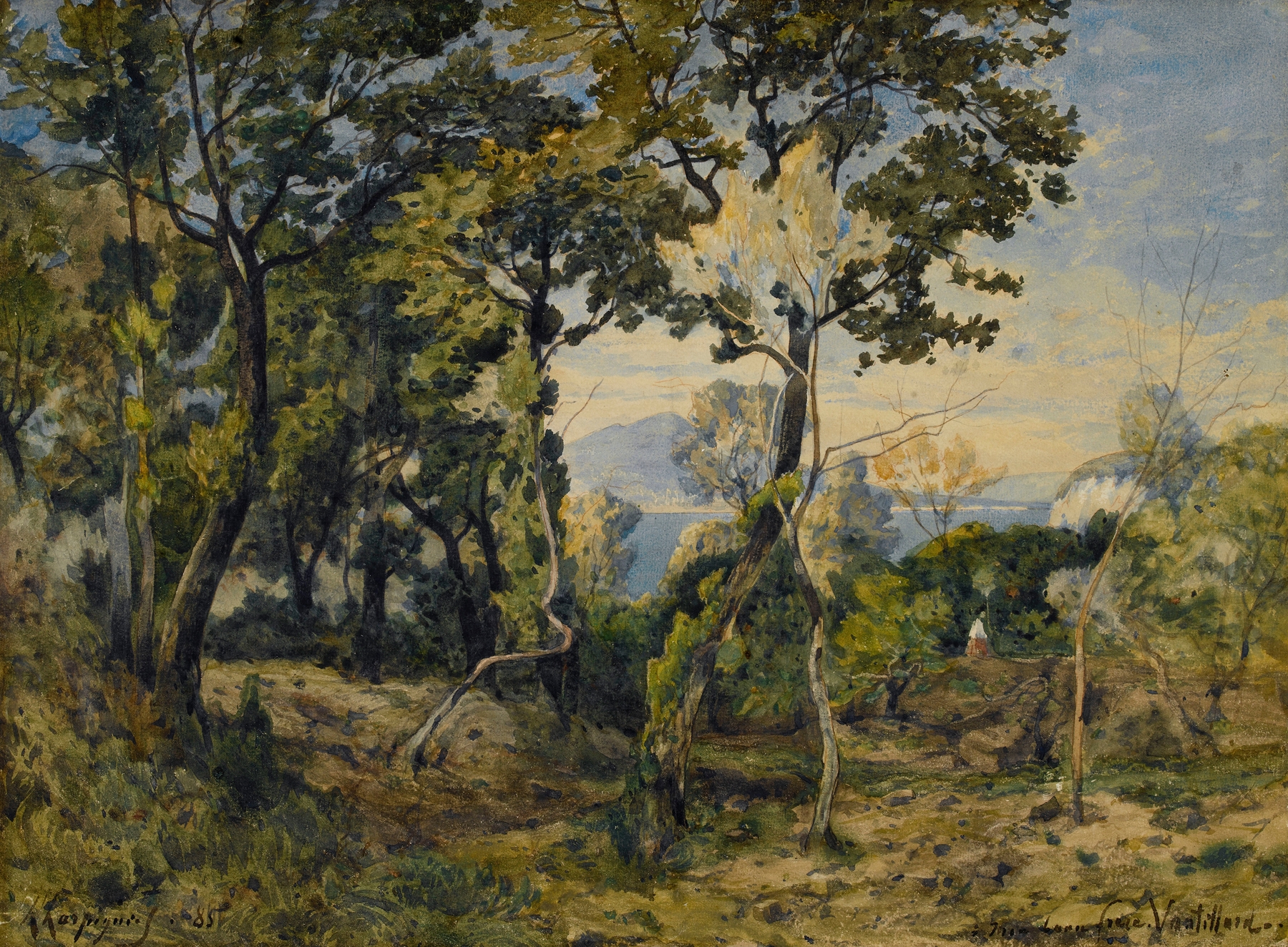
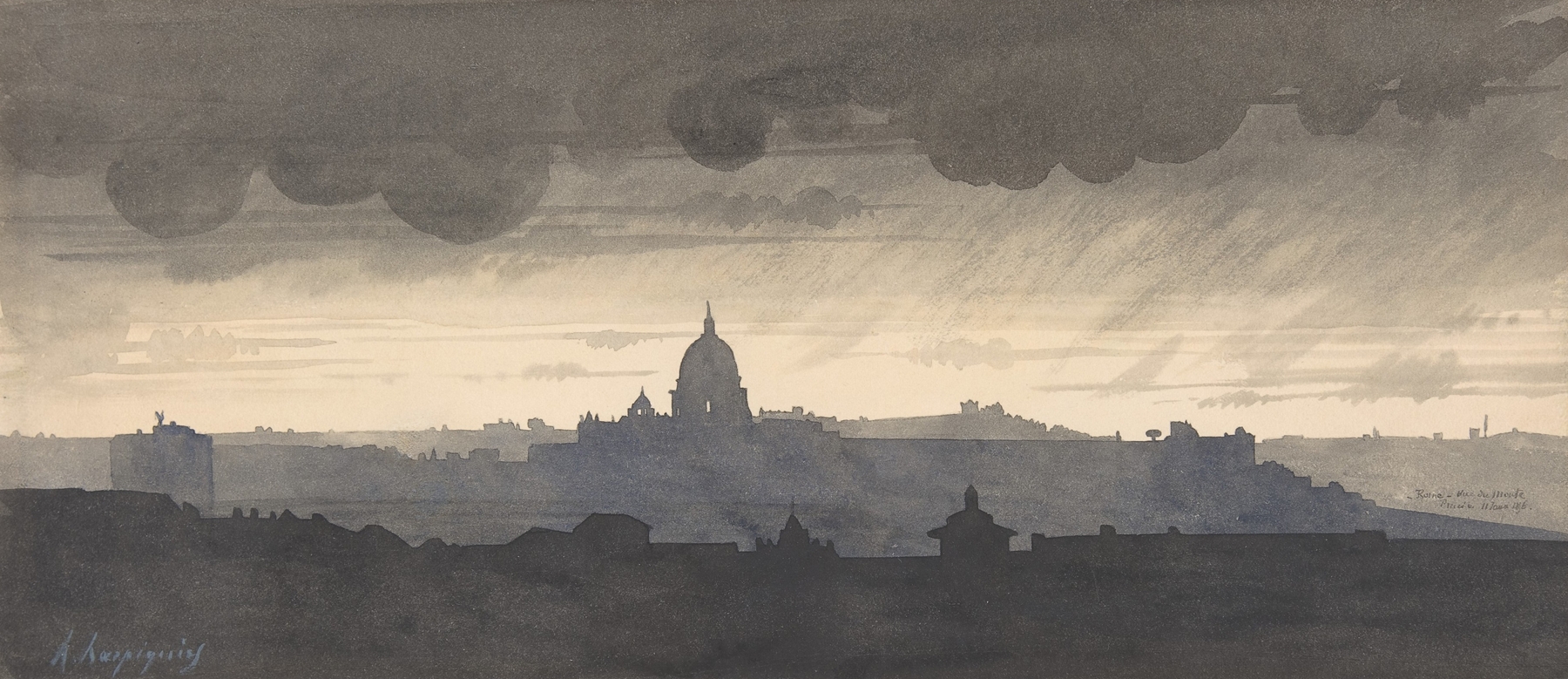
The subtle brushwork brings life to the foliage, emphasizing the vibrancy of existence while imbuing the scene with a meditative quality. Created during a time of personal evolution for its artist, this landscape reflects a period of exploration and mastery. Harpignies painted it at an undisclosed time, likely during his productive years in the late 19th century, when the French art scene was heavily influenced by the Impressionists. His focus on capturing the beauty of nature speaks to his desire to connect the viewer with the emotional resonance of the world around them, where every fleeting moment holds the potential for awakening.