Le jardin du Luxembourg — History & Analysis
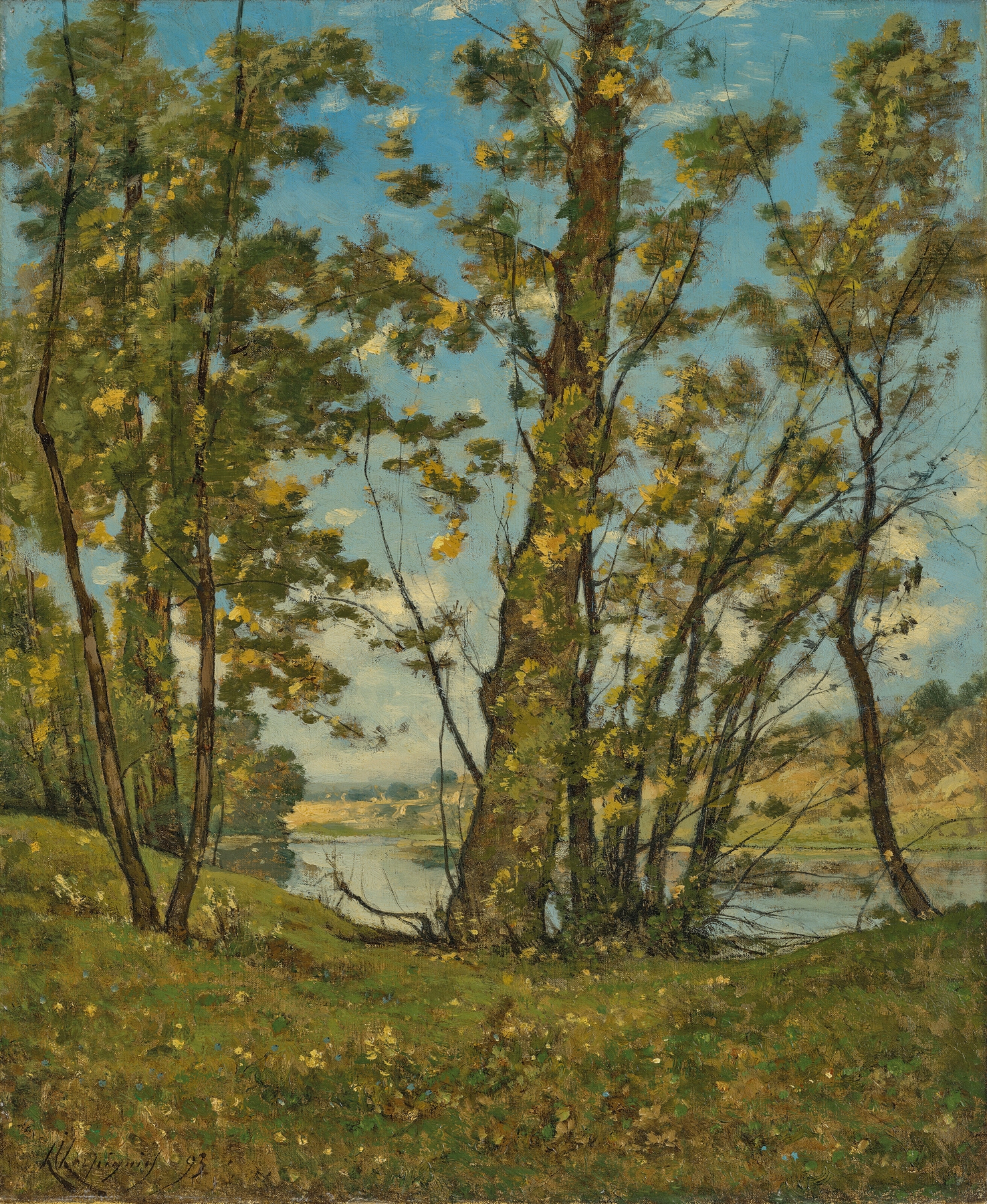
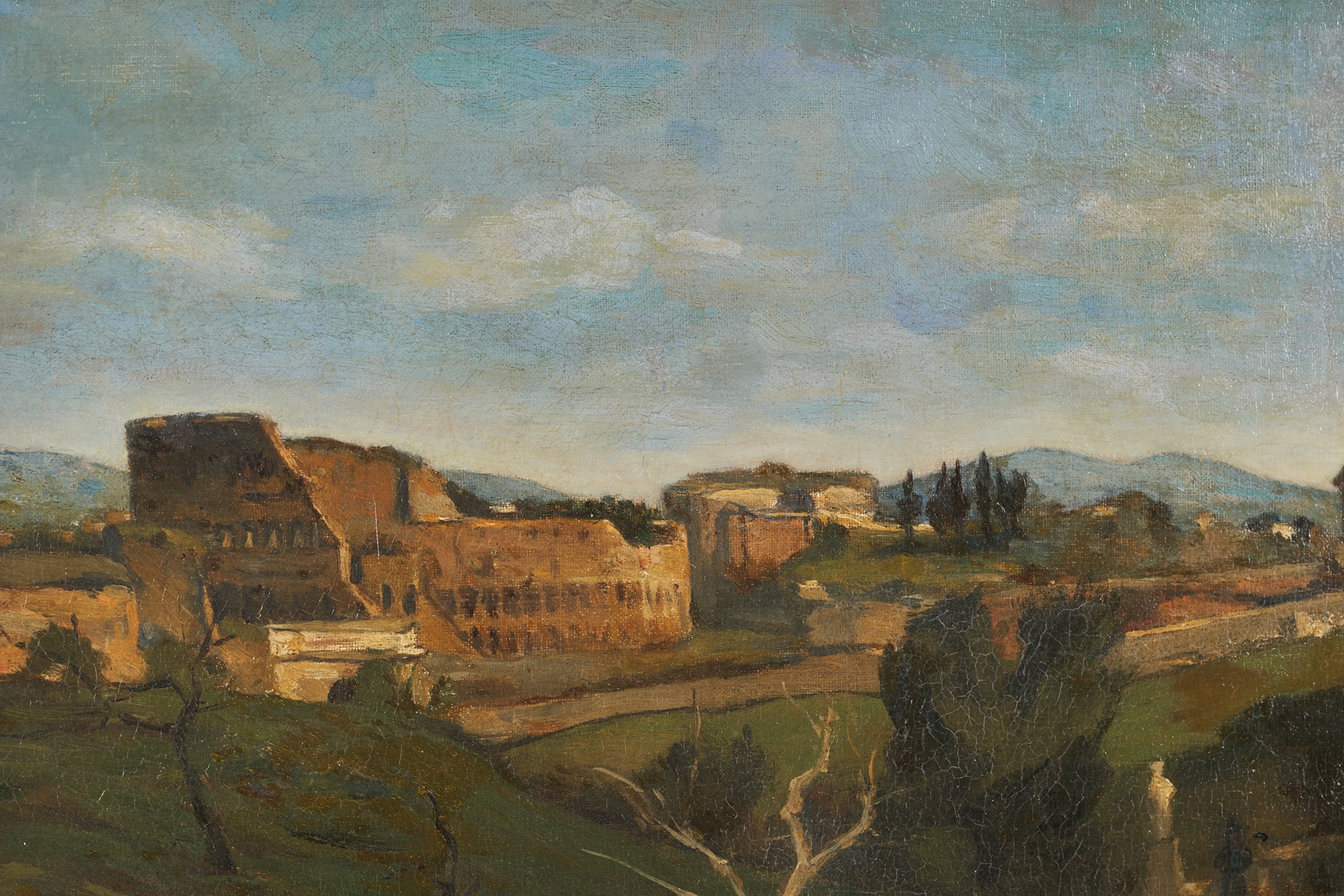
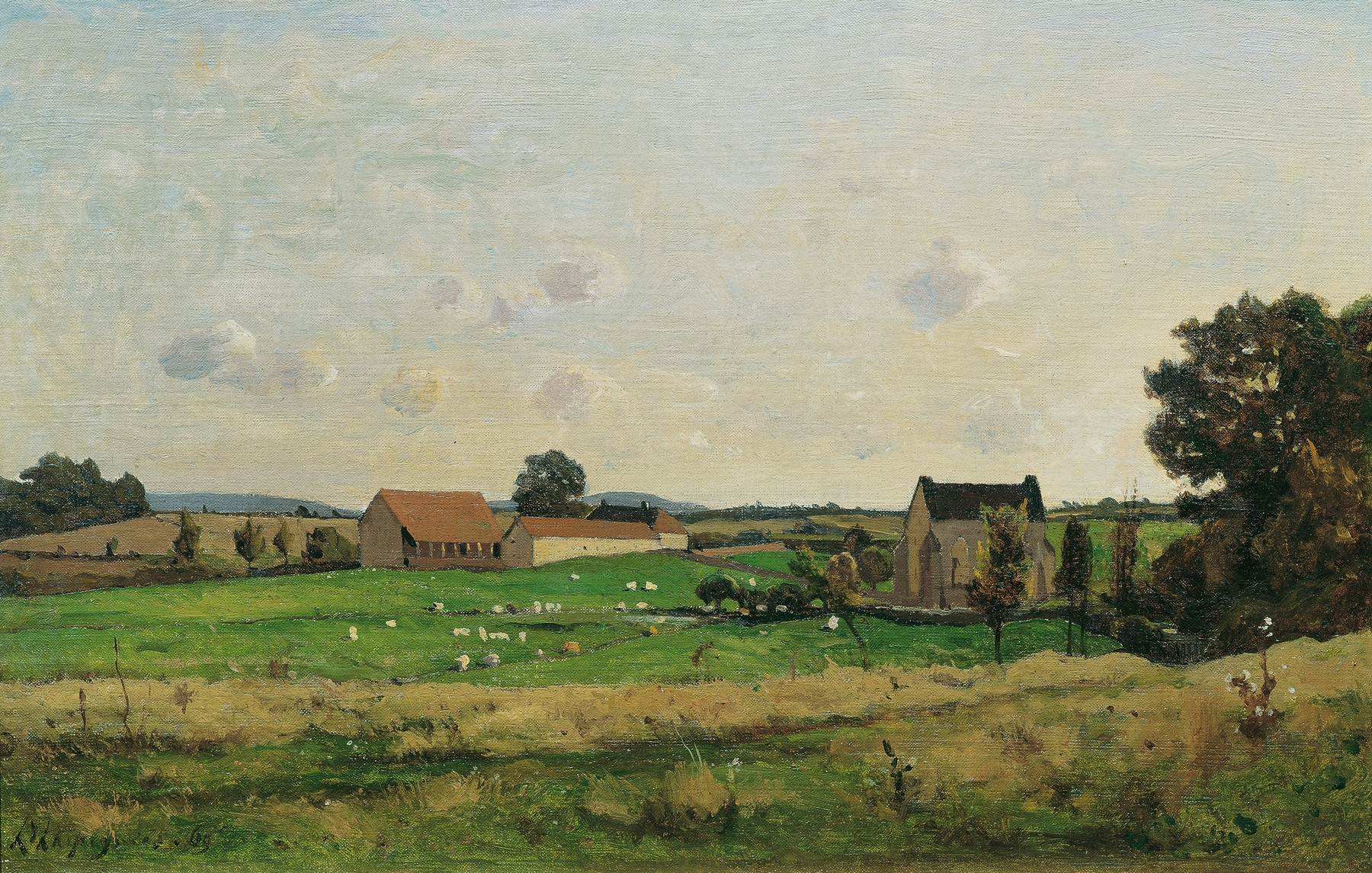
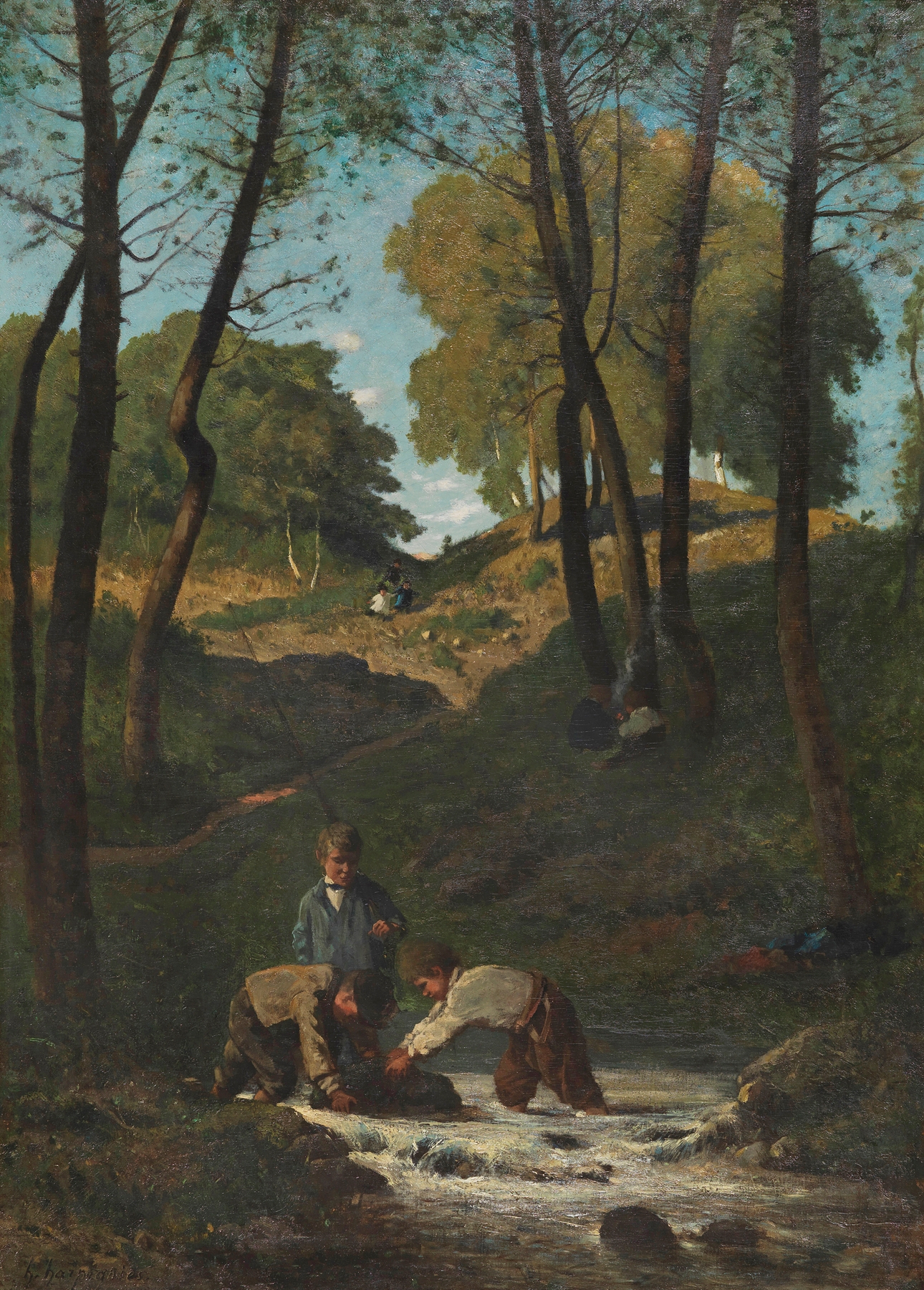
“Sometimes beauty is just pain, disguised in gold.” The interplay of light and shadow within Le jardin du Luxembourg captures this sentiment, revealing a delicate balance between joy and melancholy through its serene garden setting. Look to the left at the graceful arches of the trees, their branches draped in vibrant greens that seem to cradle the soft golden light of the afternoon sun. The masterful brushwork lends a dreamlike quality to the scene, where the blending of warm and cool tones creates not only depth but an emotional resonance that invites introspection. Notice how the path meanders through the foliage, drawing the viewer’s eye deeper into the lush sanctuary, hinting at the journey of life itself.
Beneath the surface, contrasts emerge: the tranquility of the garden juxtaposed with the solitary figure seated on a bench, evoking a sense of yearning or contemplation. The interplay between the vibrant blossoms and the muted, worn stone of the path reflects the transient nature of beauty and the inevitability of change. Each detail, from the flutter of petals to the stillness of the figure, reverberates with the silent acknowledgment of life's ephemeral moments.
Painted in 1890, Harpignies created this piece during a time when Impressionism was flourishing, influencing his approach to light and natural scenes. Living in Paris, he observed the evolving landscape of art, integrating elements of this movement while maintaining his unique style. This work embodies a moment in his career when the balance between traditional techniques and innovative expression began to define his legacy in the art world.