Saint Peter’s Seen From the Pincio, Rome — History & Analysis
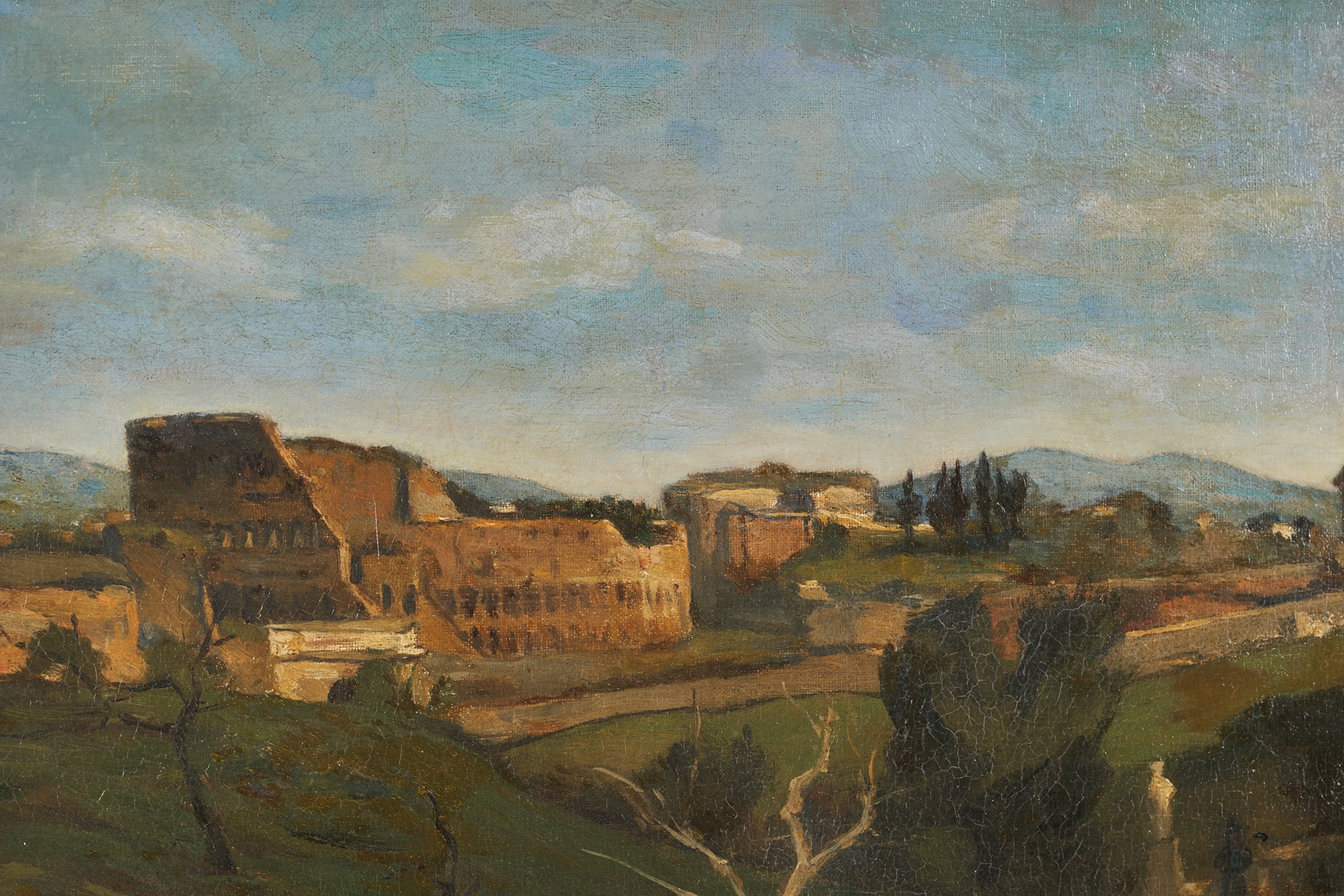
What if beauty was never meant to be finished? Henri-Joseph Harpignies invites us to ponder this notion through the delicate strokes and ethereal light that grace Saint Peter’s Seen From the Pincio, Rome. Here, the viewer is met with an unfolding landscape, where the majestic dome of Saint Peter's Basilica rises into a tranquil sky, softly enveloped by the haze of a fleeting twilight. Look to the lower right corner, where the warm earth tones of the foreground contrast beautifully with the cool blues and whites of the sky.
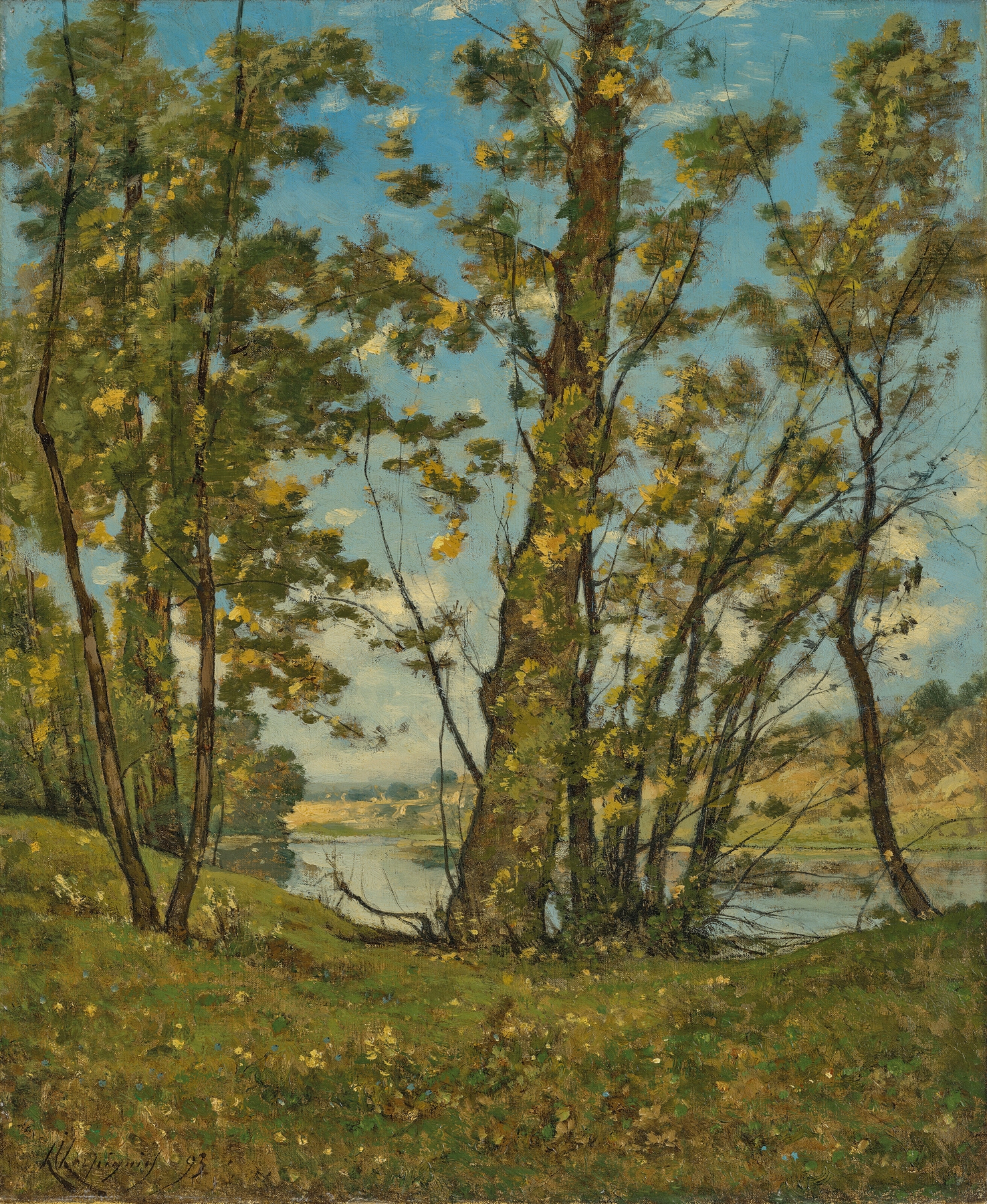
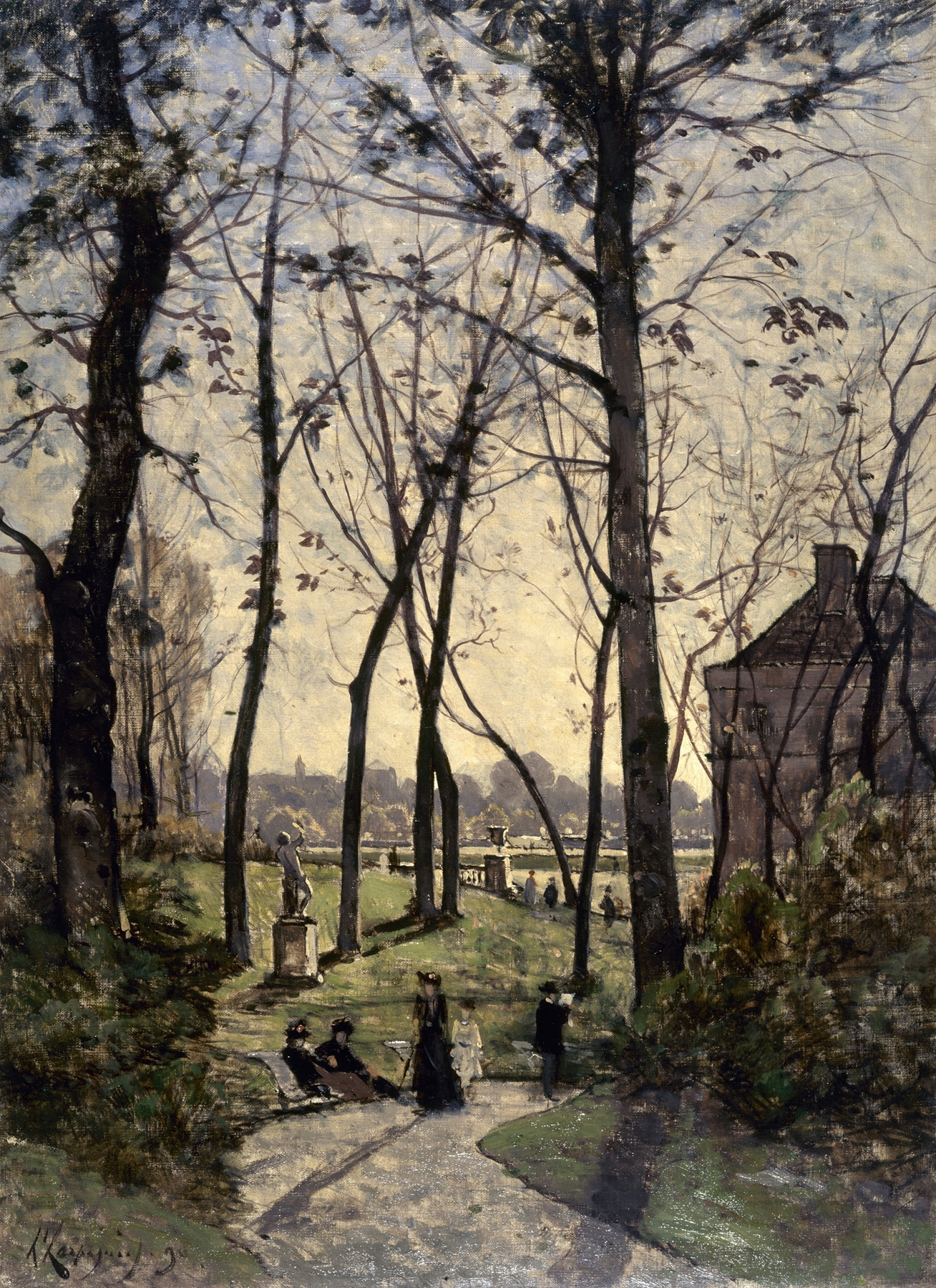
Notice how the brushwork flows gently, capturing the essence of a moment rather than its detail—the impression of leaves rustling and the soft glow of fading sunlight. The composition draws your eye toward the soaring dome, creating a harmonious dialogue of color and form, emphasizing the fragility of light and the transient beauty of the scene. As you delve deeper, consider the interplay of light and shadow, revealing a world in constant flux. The silhouette of trees frames the vista, grounding the viewer in reality while the distant basilica hints at the spiritual and the eternal.
This duality incorporates a sense of longing, as if the beauty on display is both captivating and ephemeral, a reminder of life's fleeting nature. In 1856, Harpignies was entrenched in the scenic beauty of Italy, a period marked by the exploration of plein air painting. The mid-19th century saw a burgeoning interest in capturing landscapes en plein air, a movement that sought to reflect the immediate experience of nature and light. This work reflects his commitment to capturing the essence of a moment, highlighting both the personal and collective reverence for beauty as he experienced it in Rome.