La Loire à Bonny — History & Analysis
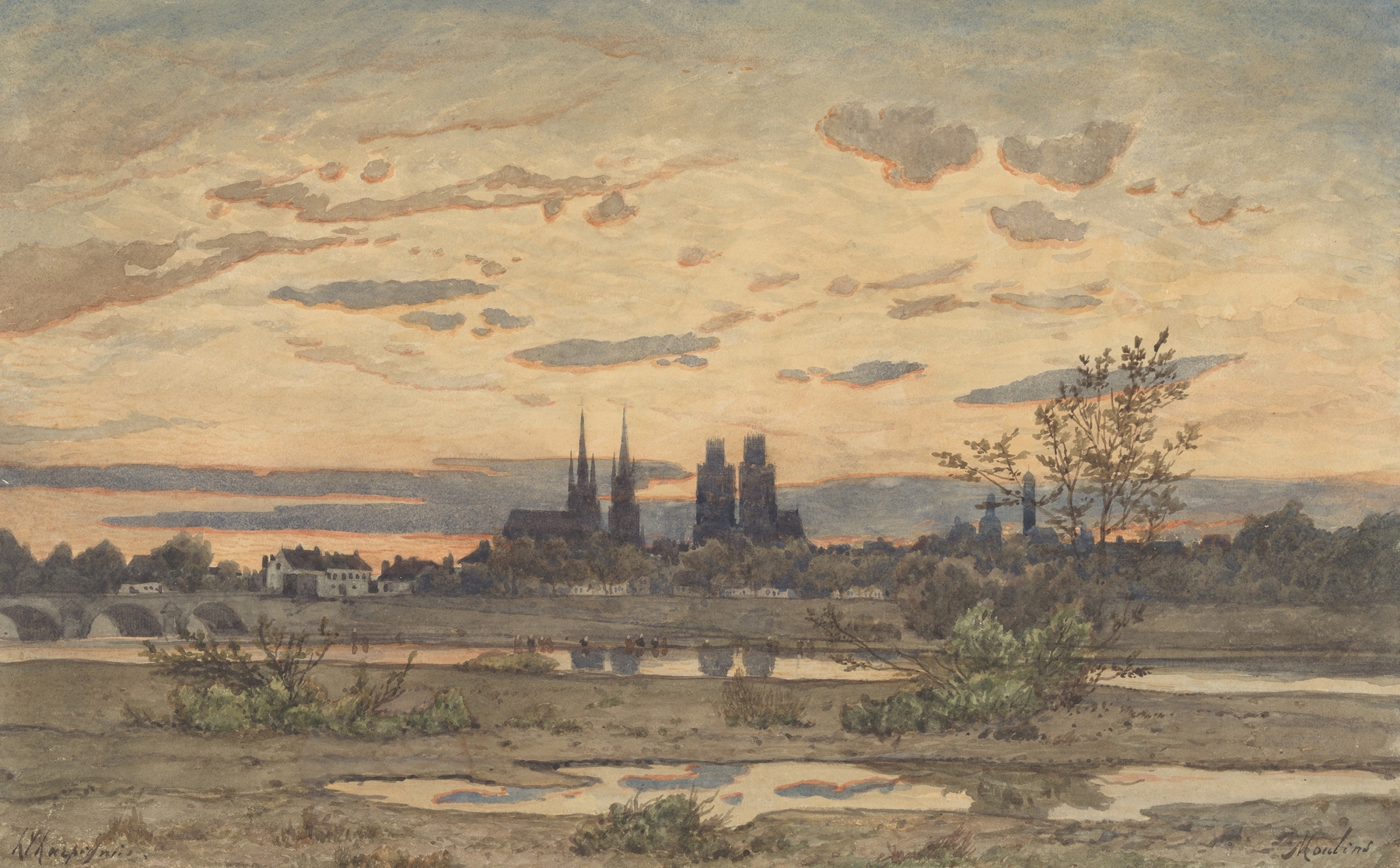
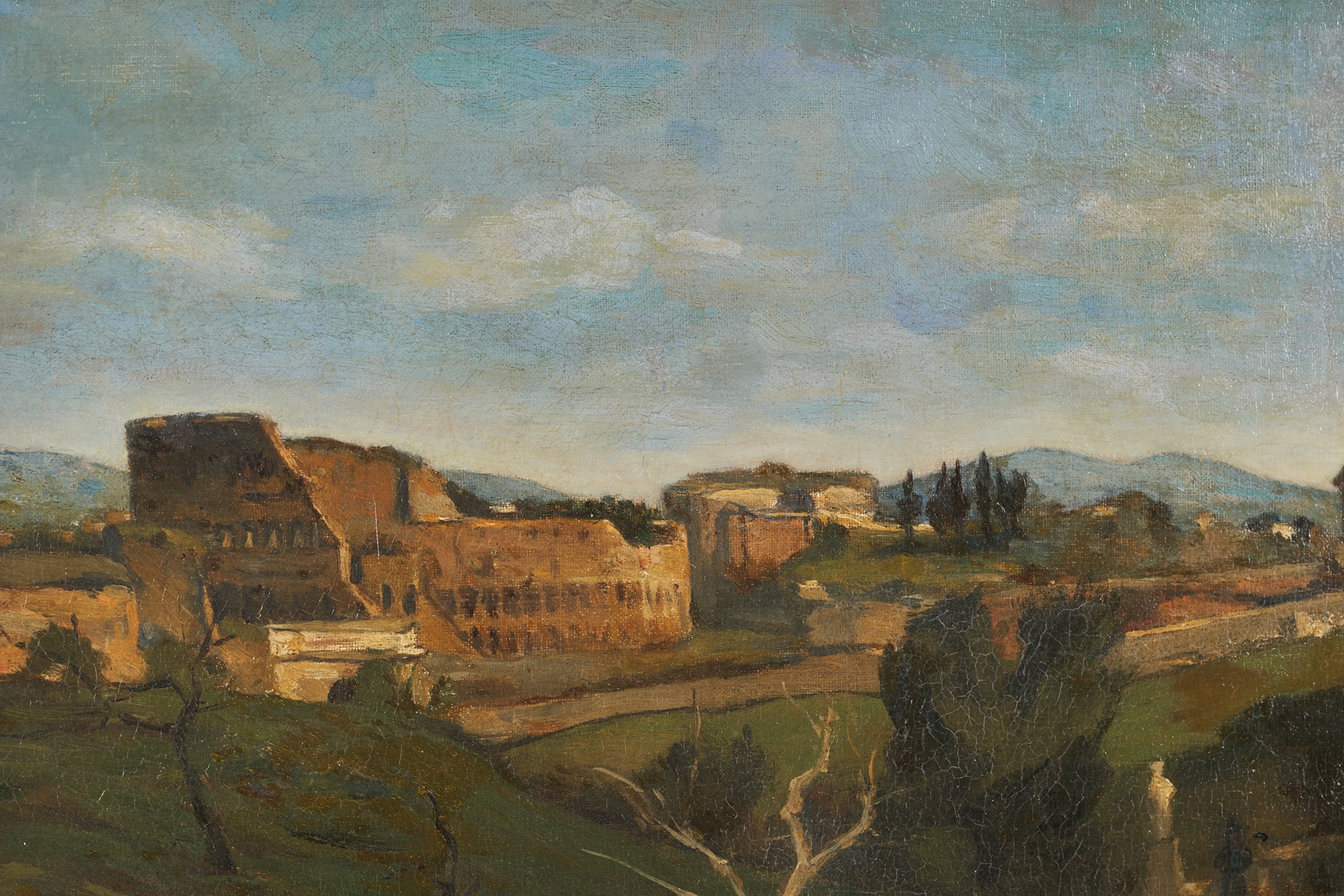
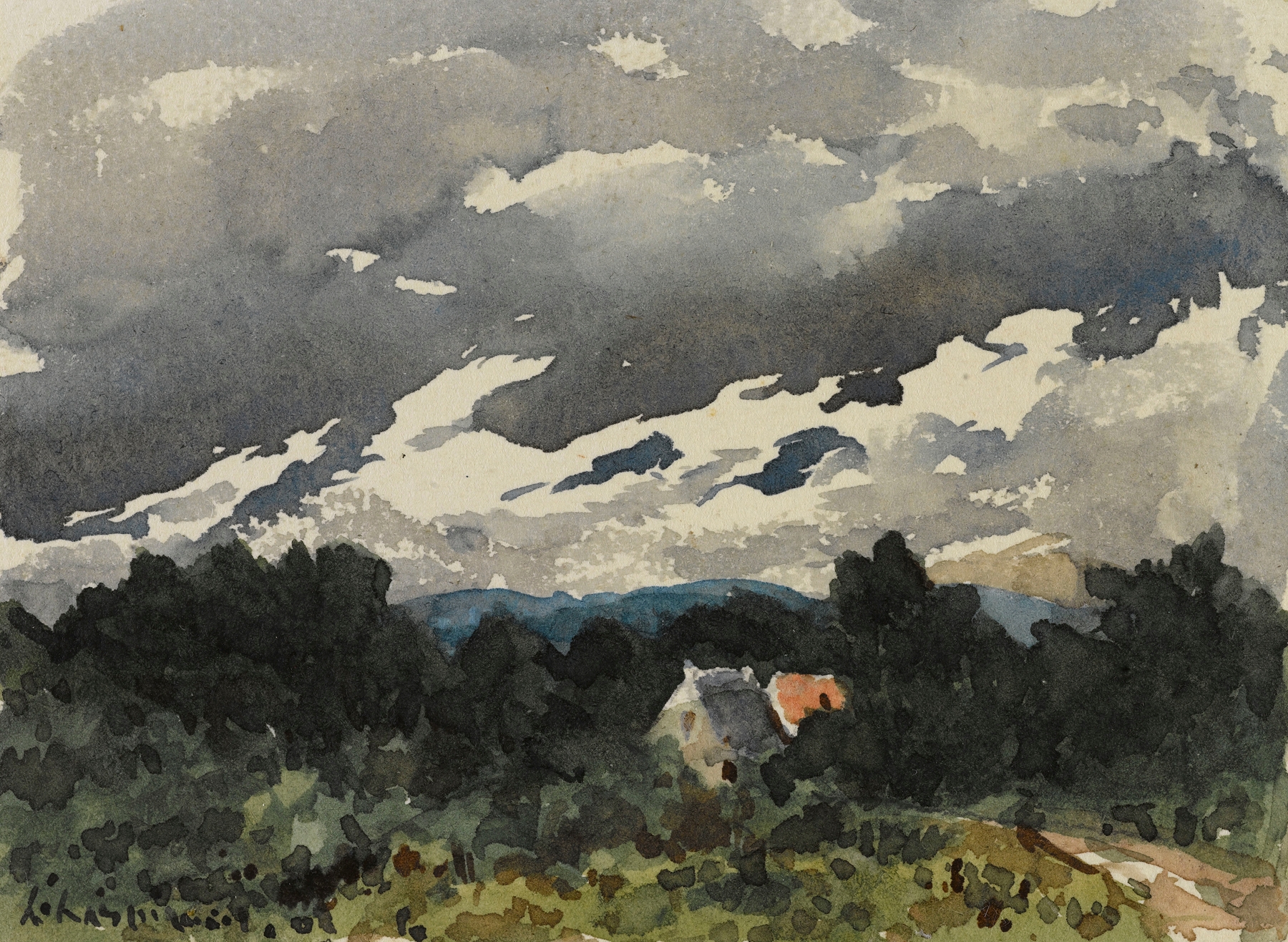
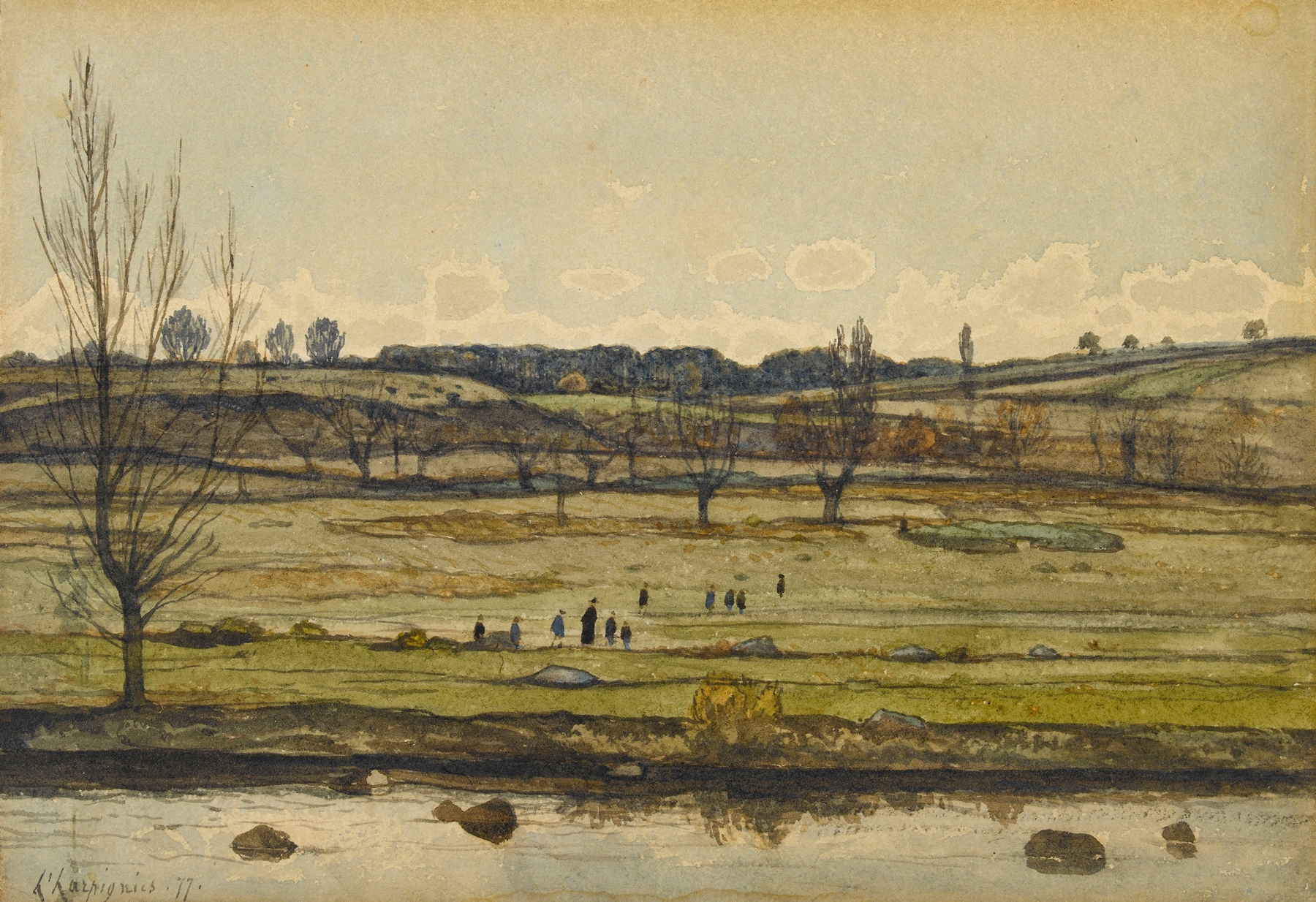
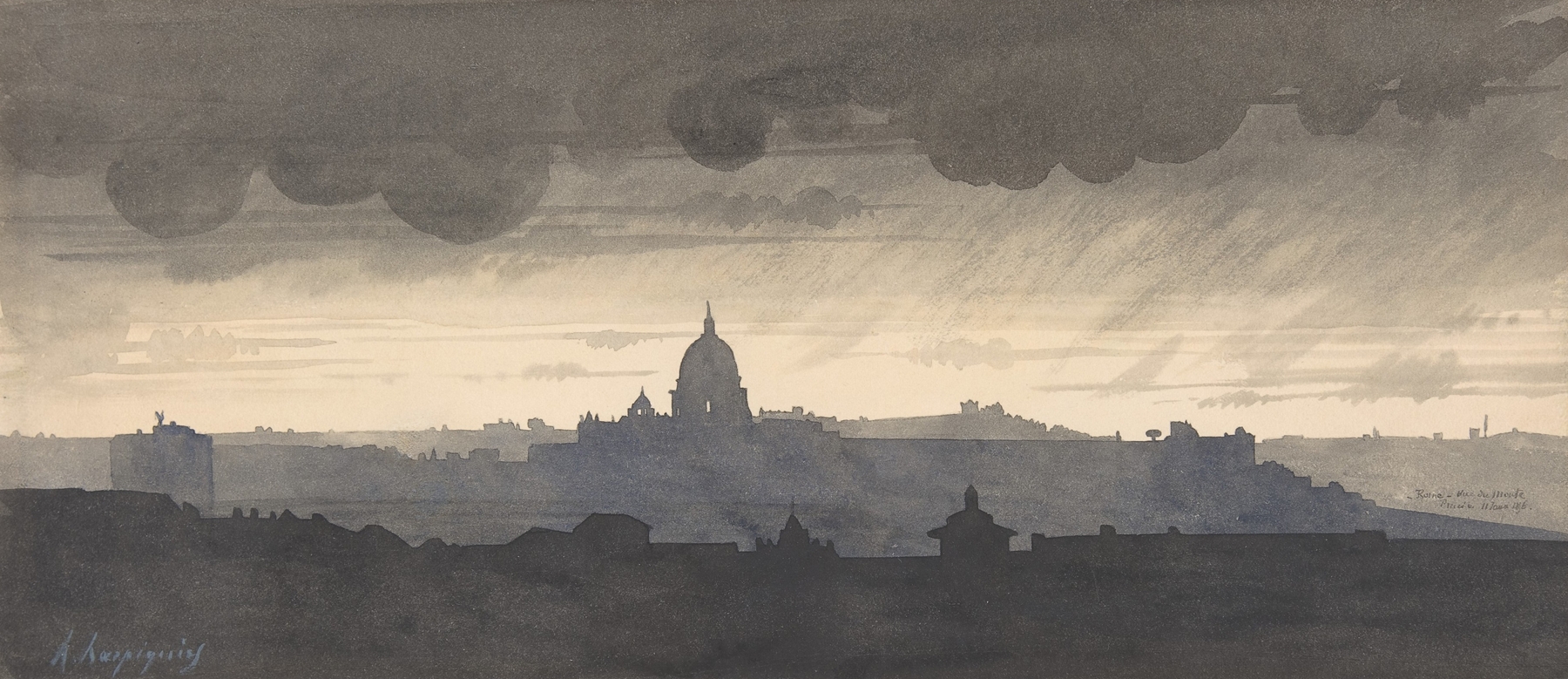
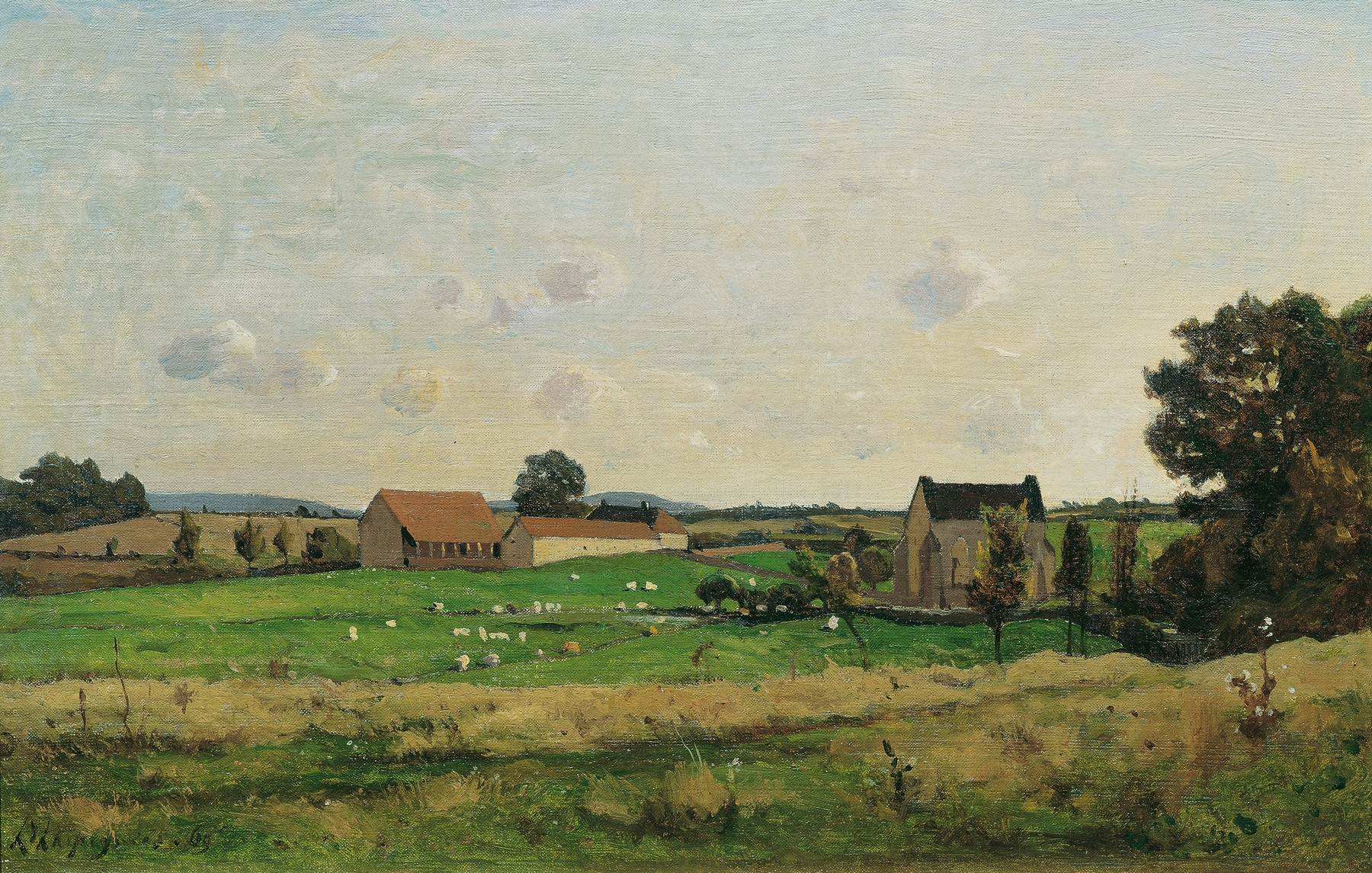
What if beauty was never meant to be finished? As the last rays of light flicker across the landscape, the ephemeral nature of life unveils itself in subtle hues and gentle strokes. Look to the left at the delicate interplay of greens and blues, where the serene waters of the Loire reflect the sky’s soft transition from day to dusk. Notice the brushwork, which captures not just the scenery but the very essence of nature’s fleeting moments, each stroke a reminder of temporality.
The composition draws the eye toward the distant horizon, leading us to contemplate the journey that stretches beyond the canvas. As the viewer delves into the painting, small details emerge: a solitary figure wandering along the riverbank, perhaps a metaphor for humanity’s intimate relationship with nature and its inevitable passage. The contrasting light and shadow convey not just beauty, but also a poignant sense of loss — every gaze upon the idyllic scene carries an undercurrent of mortality, whispering to us about the inevitable cycles of life. The harmony of color evokes tranquility yet evokes a bittersweet recognition of what will soon fade before our eyes.
Created in 1893, this work emerged during a transformative period for Harpignies, who was deeply influenced by the Impressionist movement. At this time, he resided in France, where the exploration of light and color was redefining the boundaries of landscape painting. The late 19th century was a time of great experimentation, and Harpignies found his own voice within this artistic revolution, capturing the profound beauty and transience of nature.