Chercheurs d’écrevisses — History & Analysis
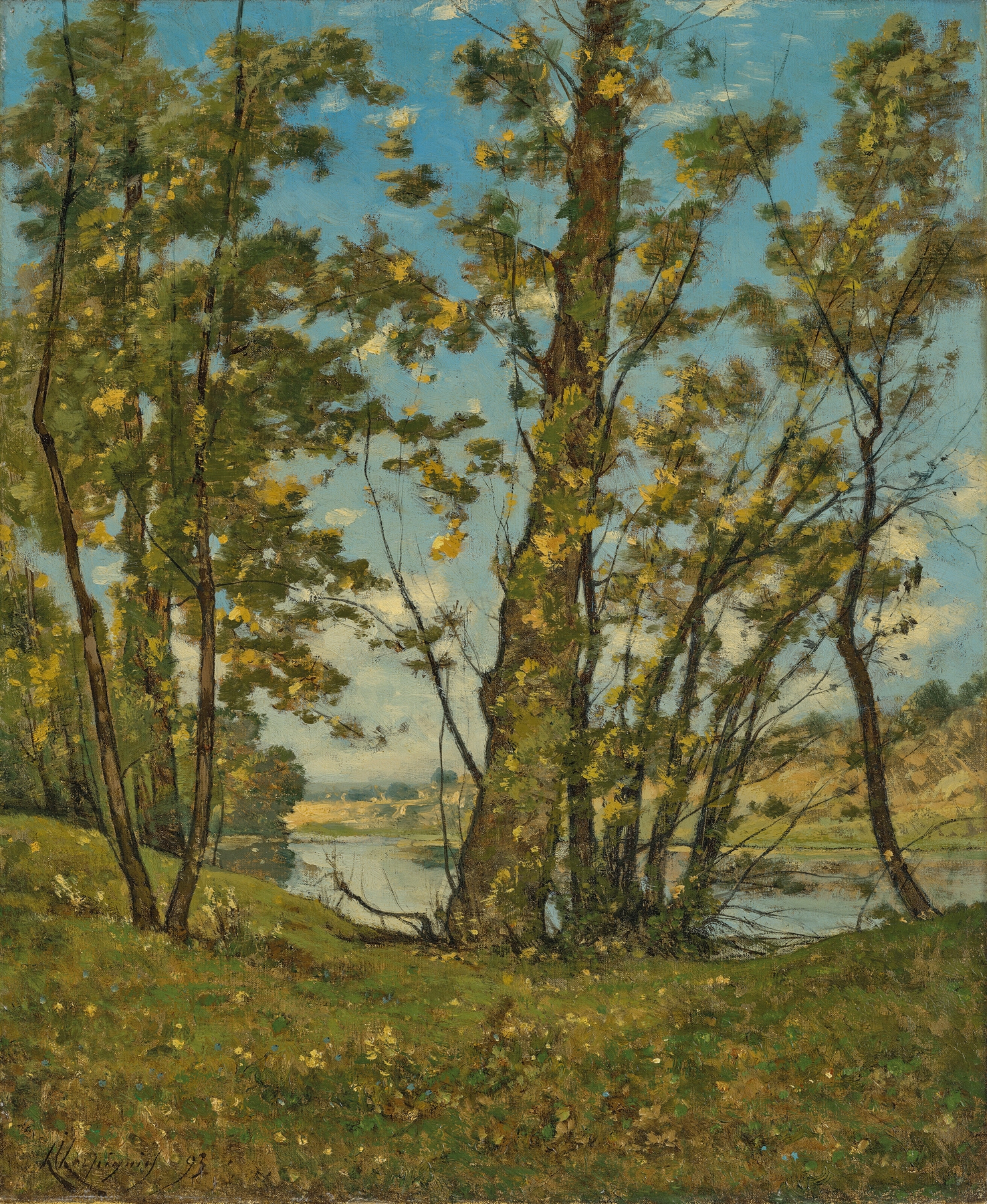
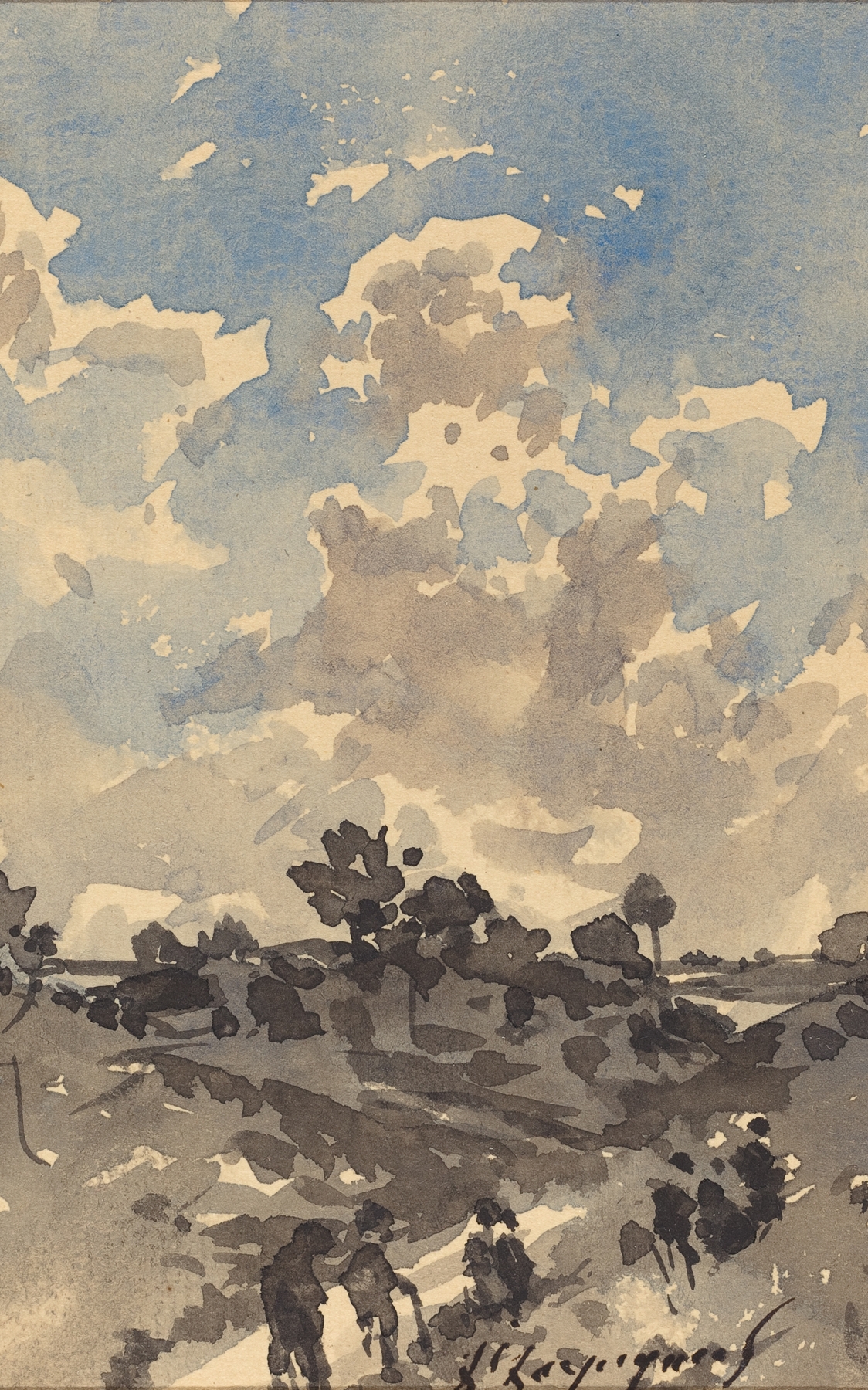
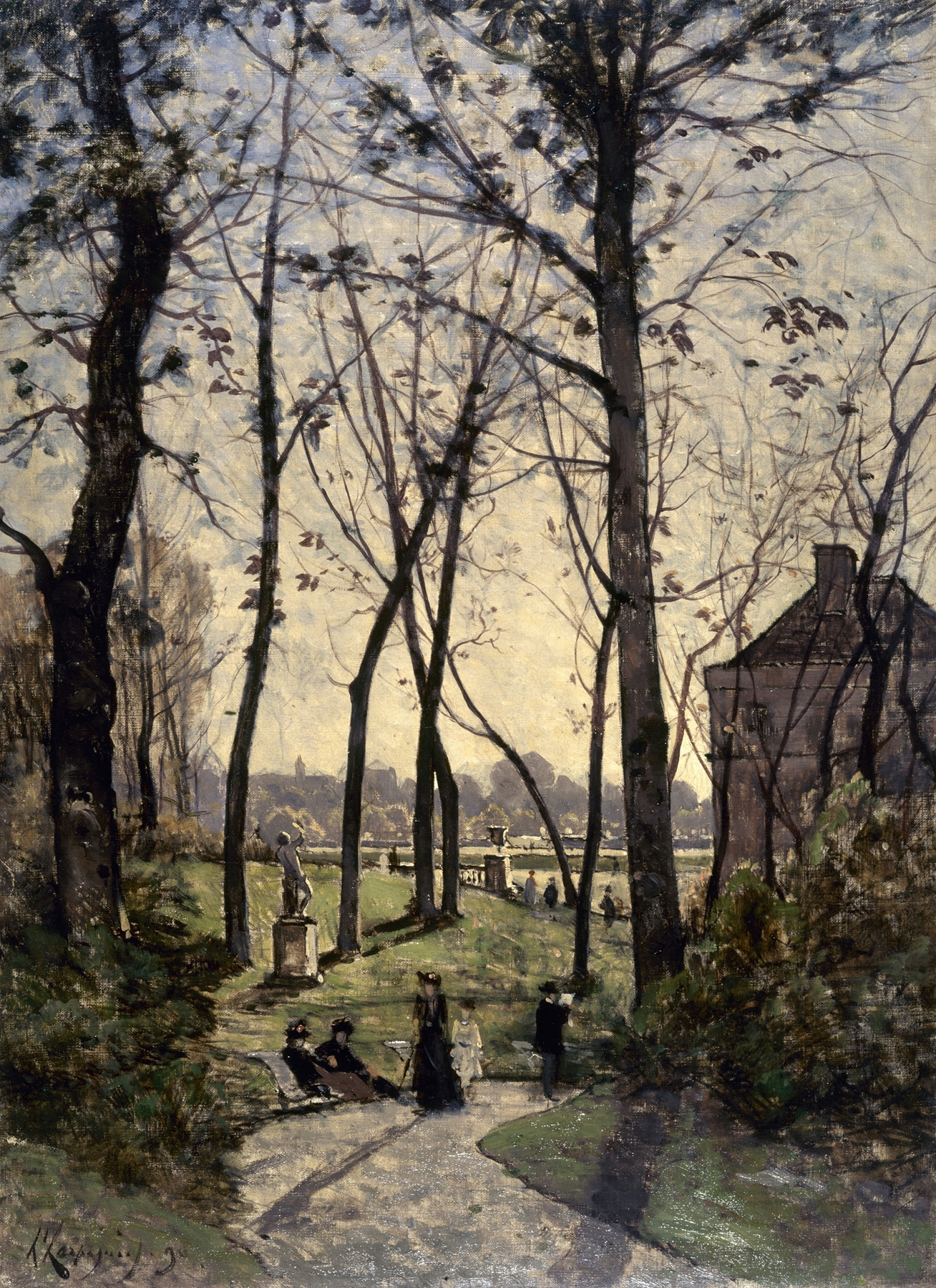
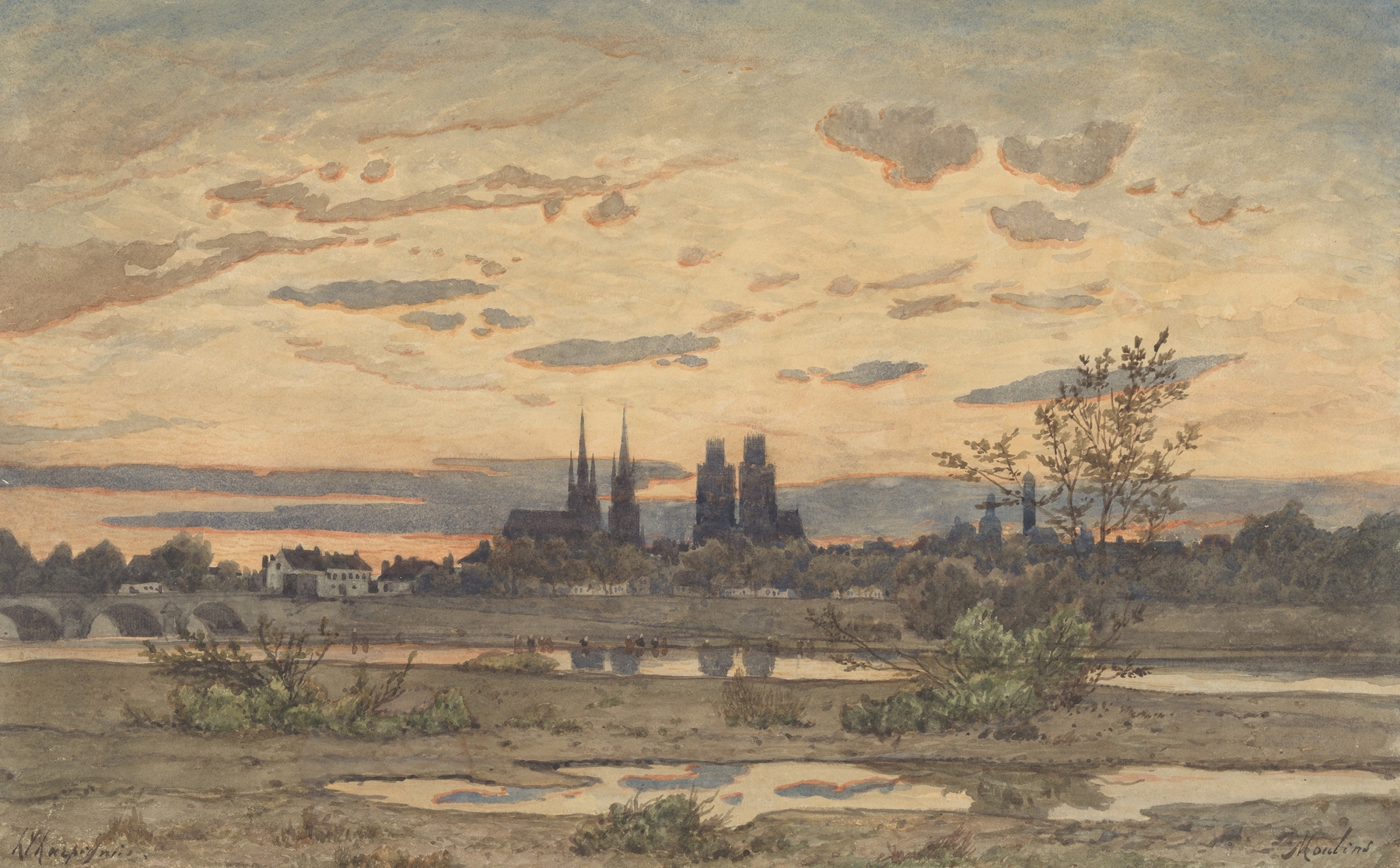
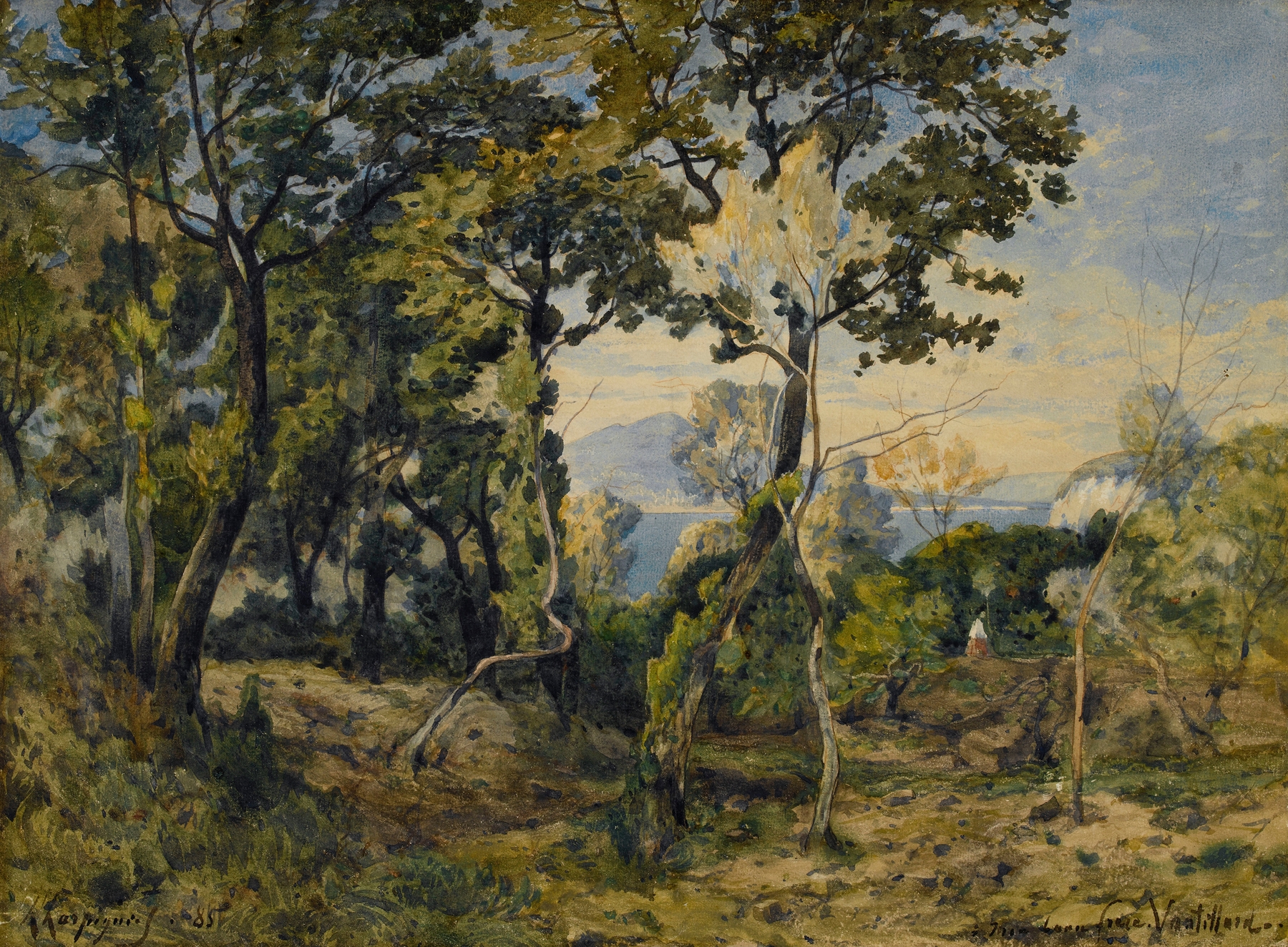
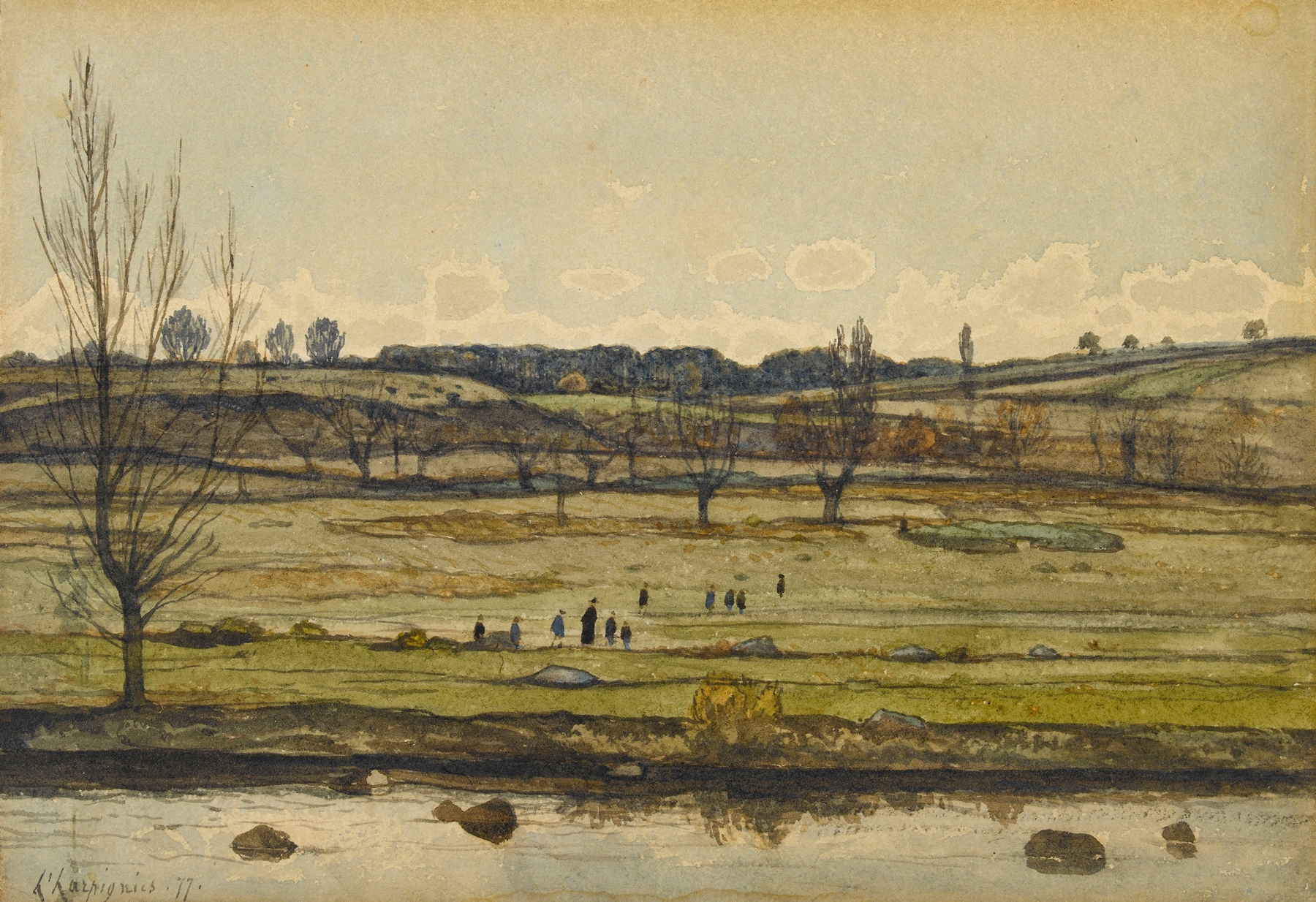
“Under the brush, chaos becomes grace.” In the heart of nature, revelations emerge from the depths of silence, waiting to be unearthed. To truly appreciate this piece, one must first direct their gaze to the serene waters at the forefront, where gentle ripples dance across the surface. The cool blues and greens harmonize beautifully, drawing the eye toward a pair of figures, cloaked in muted earth tones, who are carefully poised on the bank. Notice how the soft light filters through the lush foliage above, casting delicate shadows that whisper the unspoken tension of their quiet pursuit—an expedition into the unknown, brimming with both anticipation and uncertainty.
Delve deeper, and you’ll find layers of meaning woven into the composition. The craggy rocks framing the scene symbolize the obstacles faced in the search for clarity, while the figures’ bent postures suggest humility and respect for nature's bounty. The contrast of the vibrant greens against the earthy browns speaks to the tension between life’s abundance and the often-overlooked struggles that accompany it. Each element is an invitation to reflect on the balance between aspiration and the humility required to attain it.
In 1857, Henri-Joseph Harpignies painted this work during a transformative period in his life, marked by a shift in focus towards natural landscapes. While the art world was increasingly leaning toward realism and impressionism, Harpignies sought to capture the harmonious relationship between humans and the natural world. This approach resonated with the Romantic movement's ideals, as he explored themes of exploration and serenity in an ever-changing society.