Paysage — History & Analysis
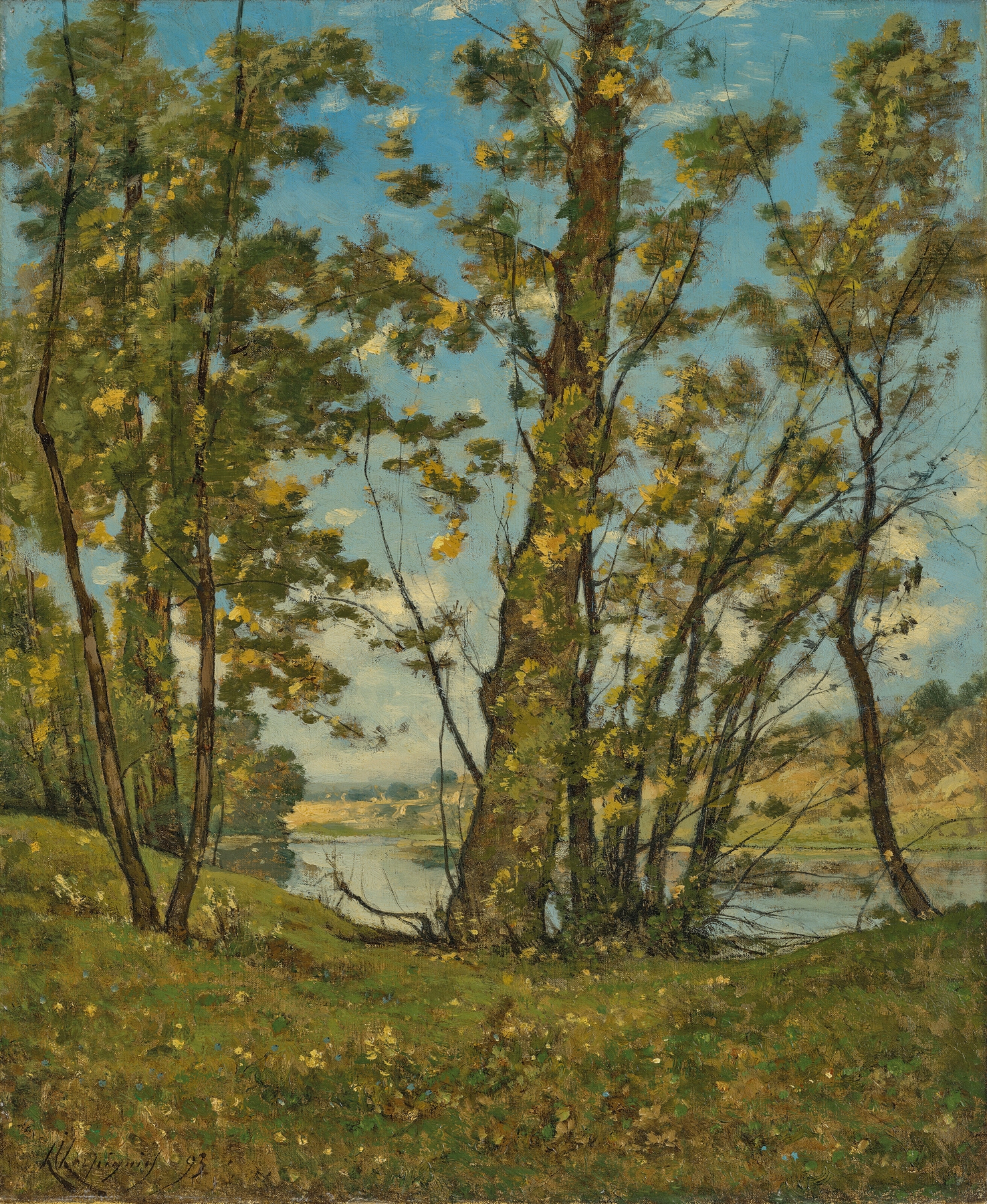
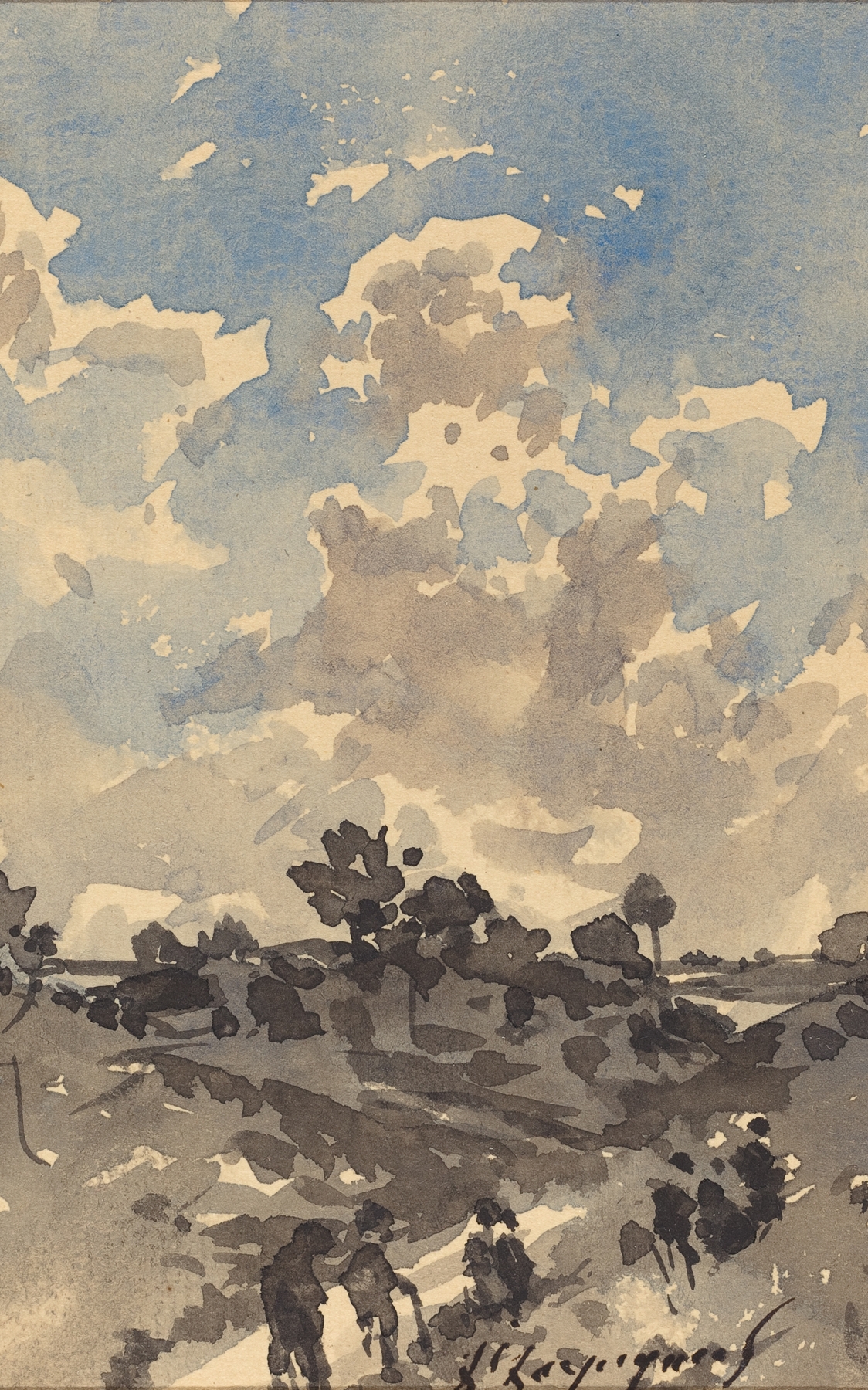
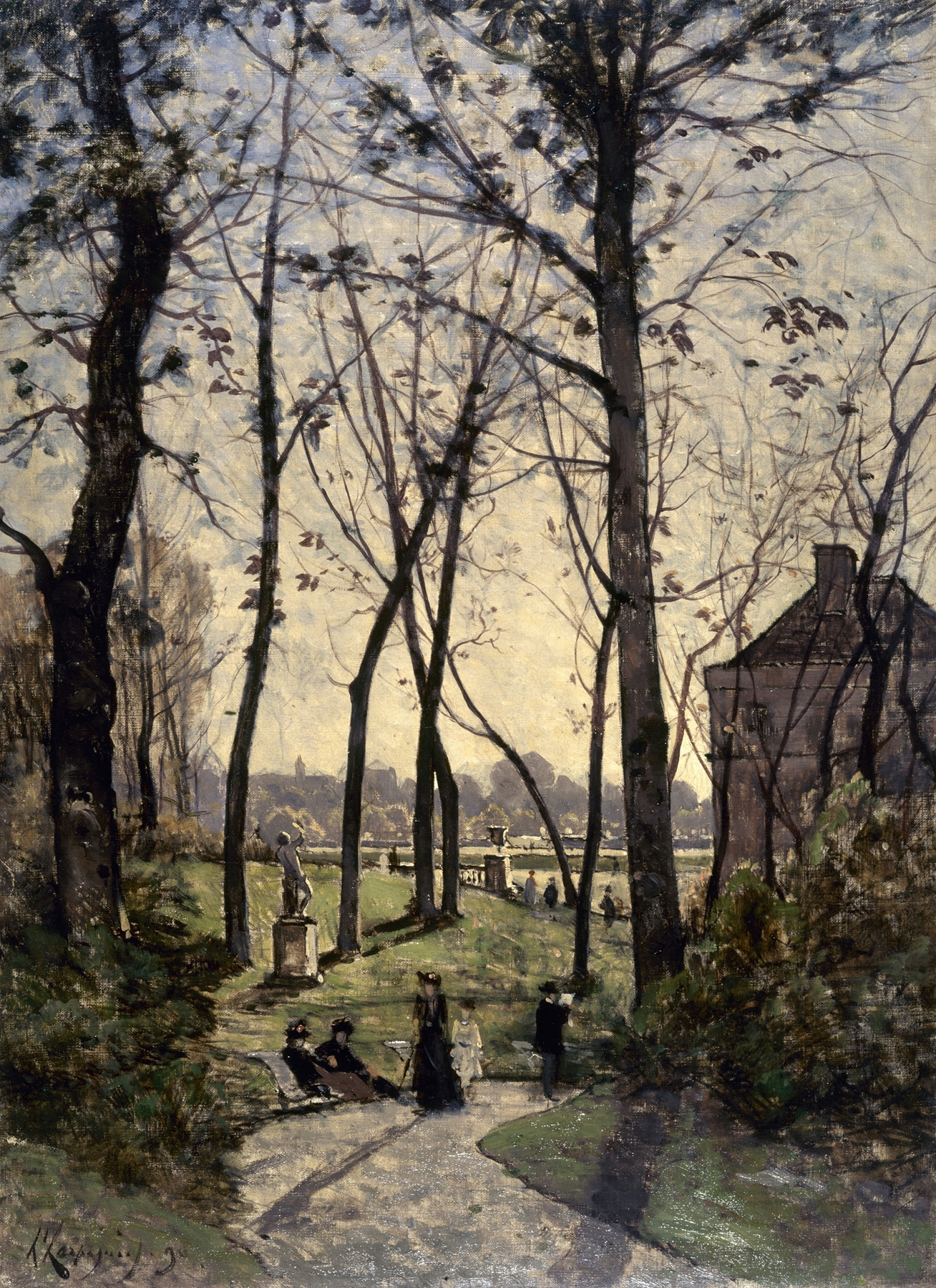
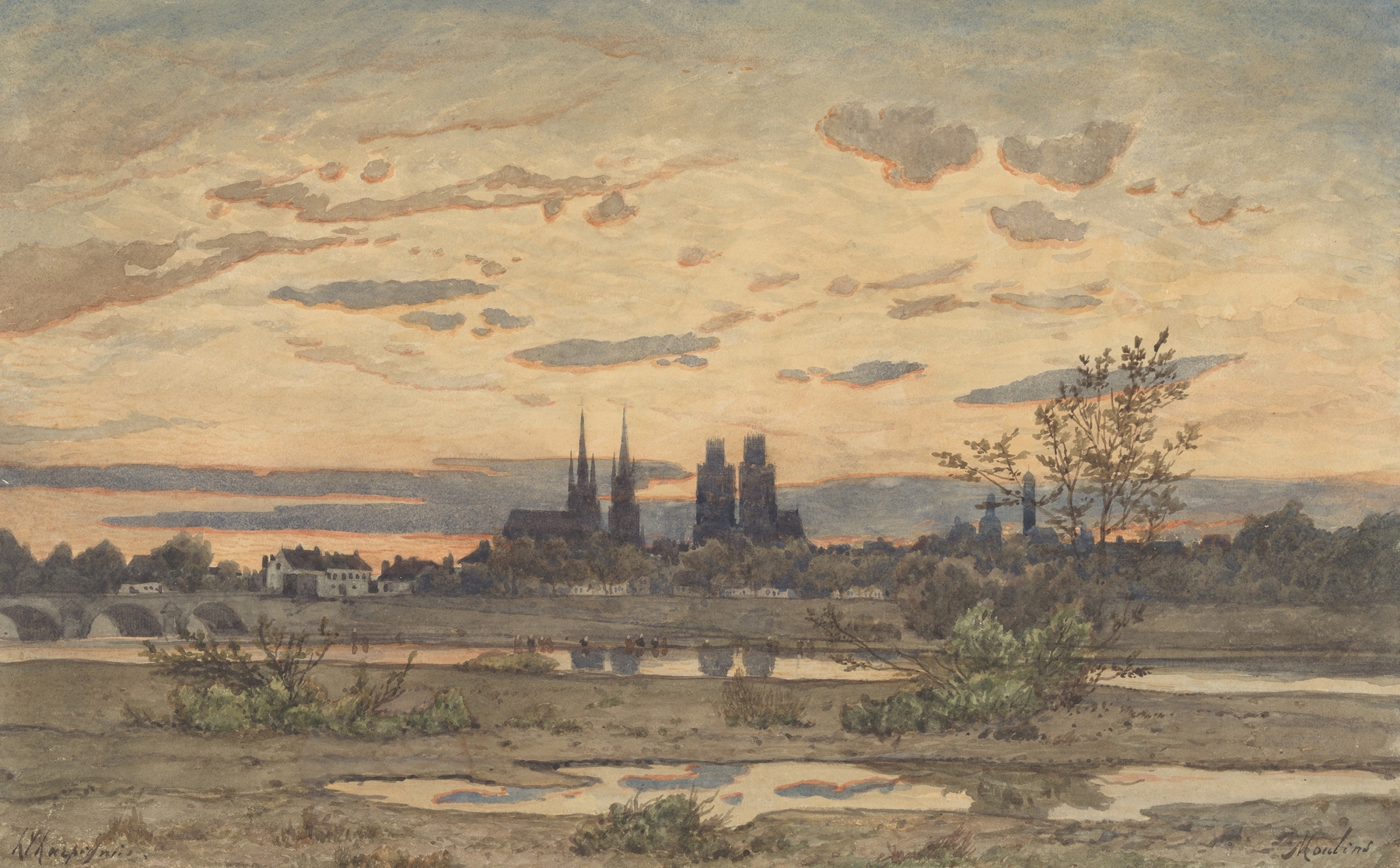
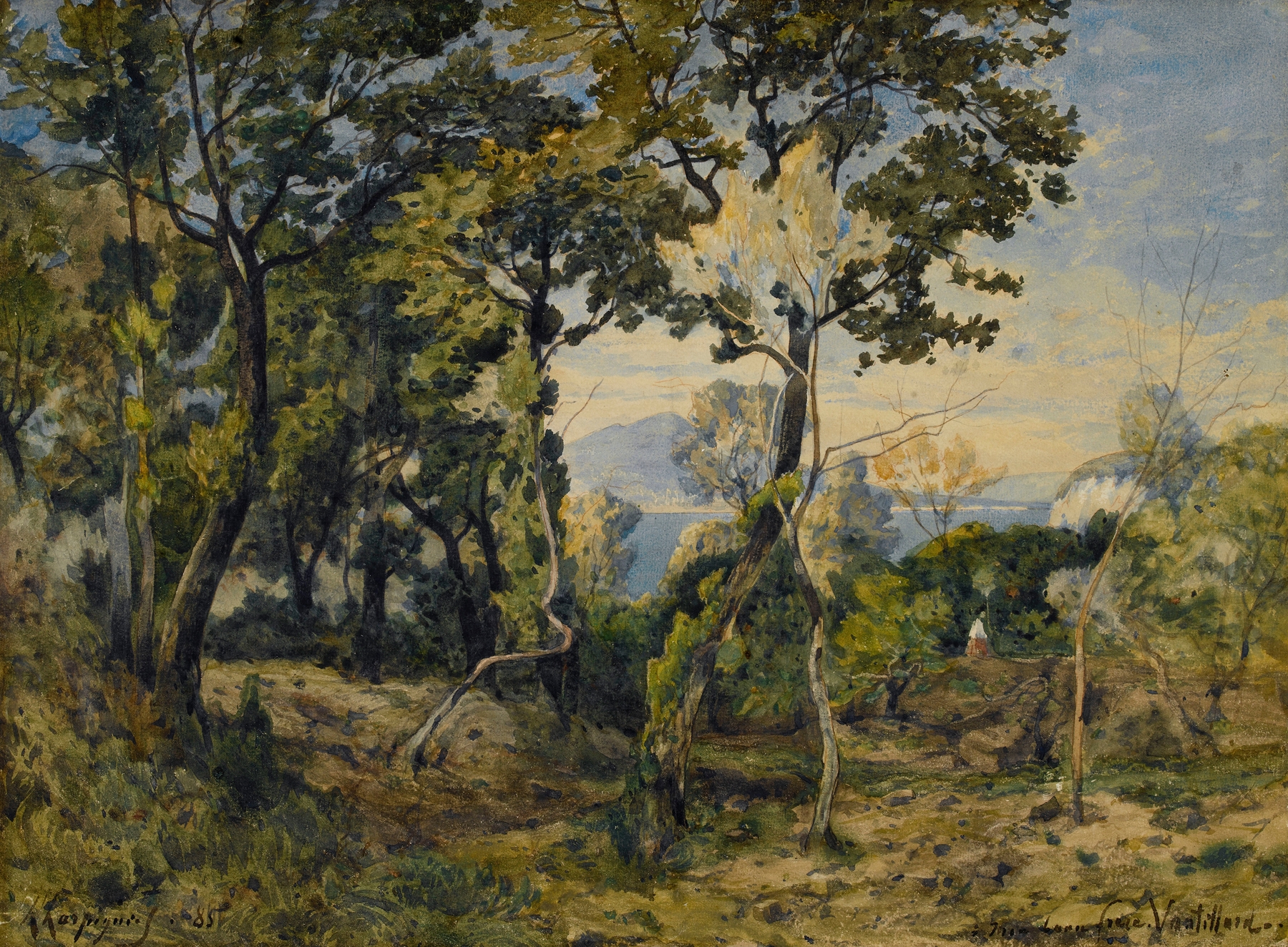
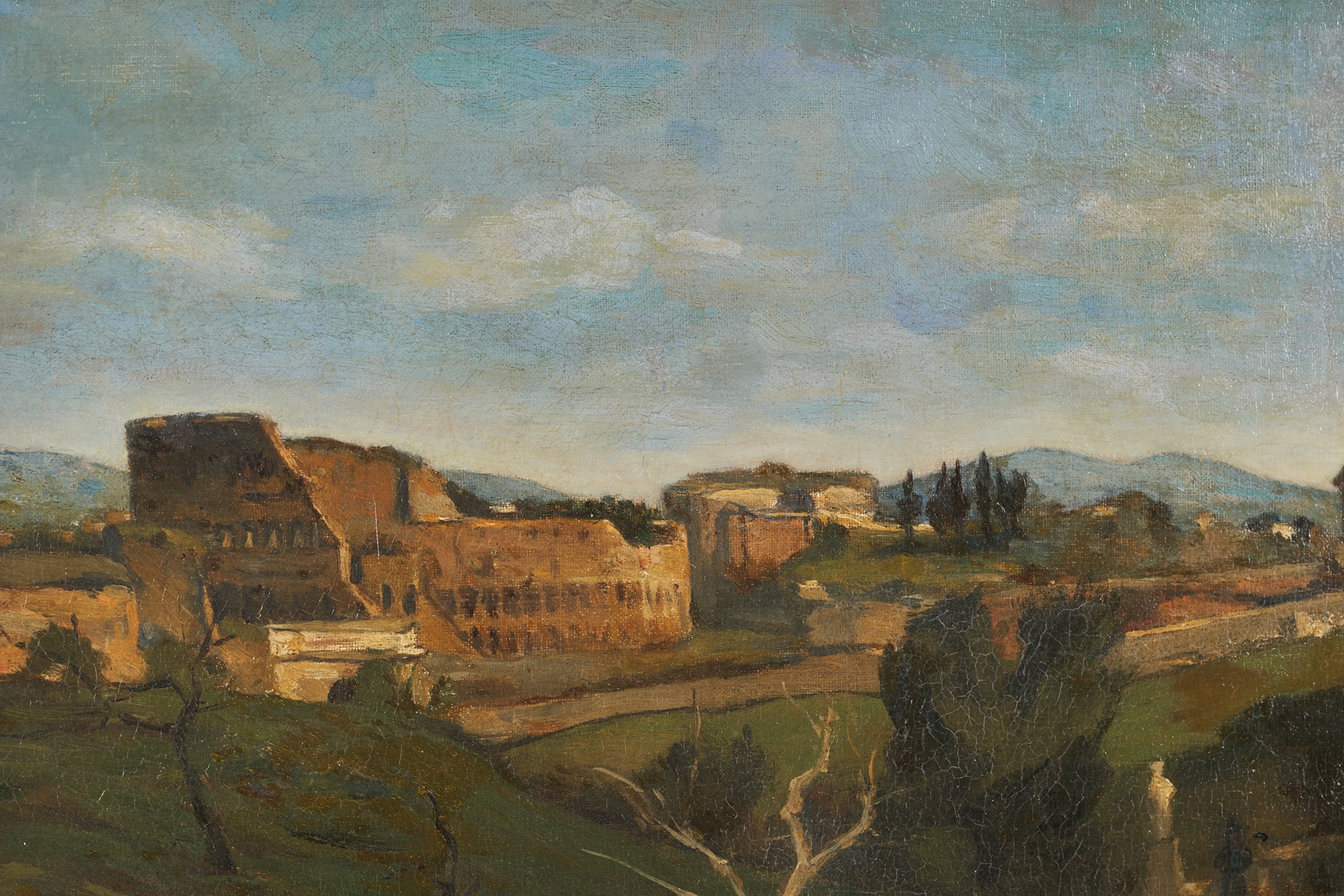
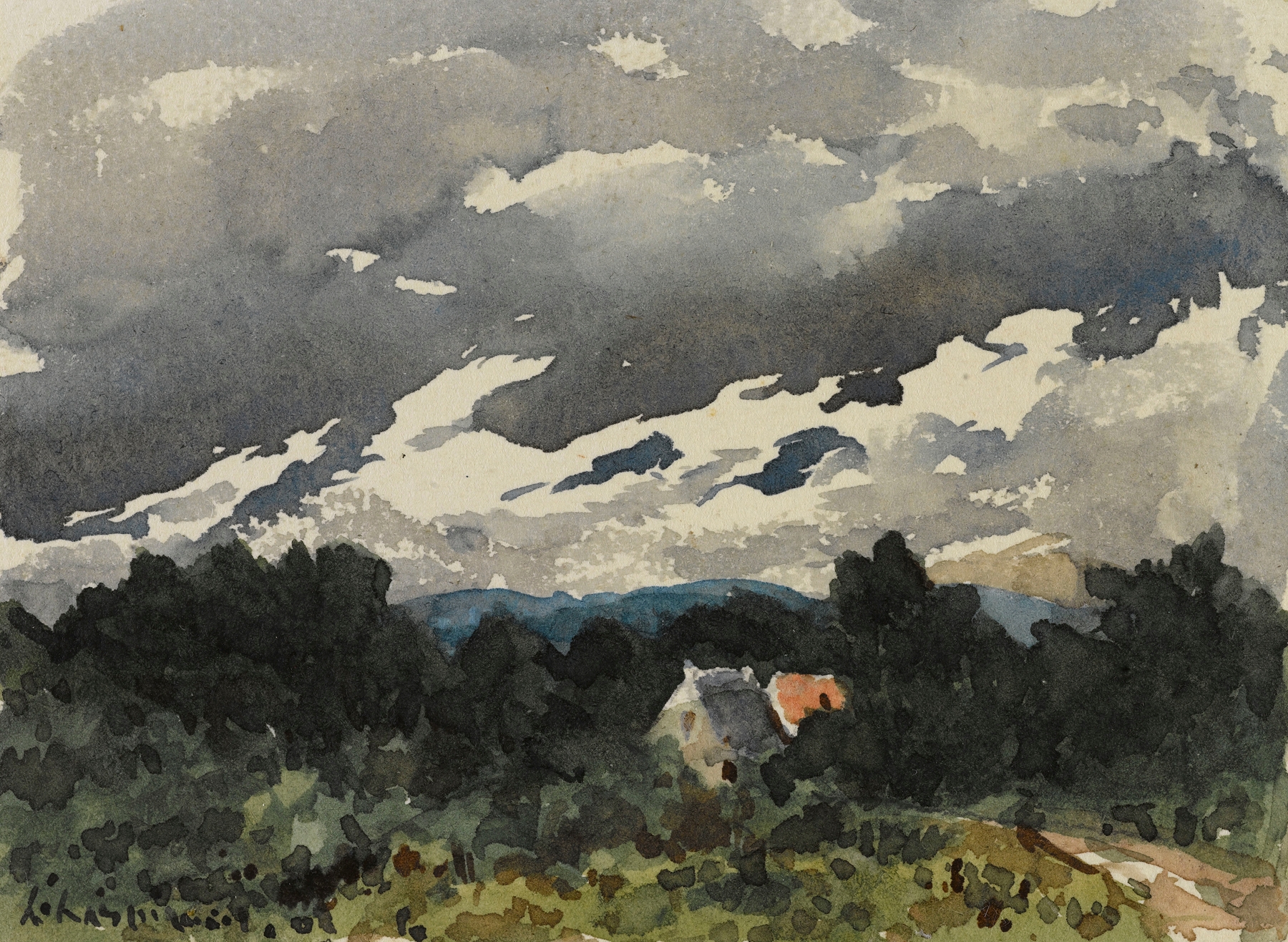
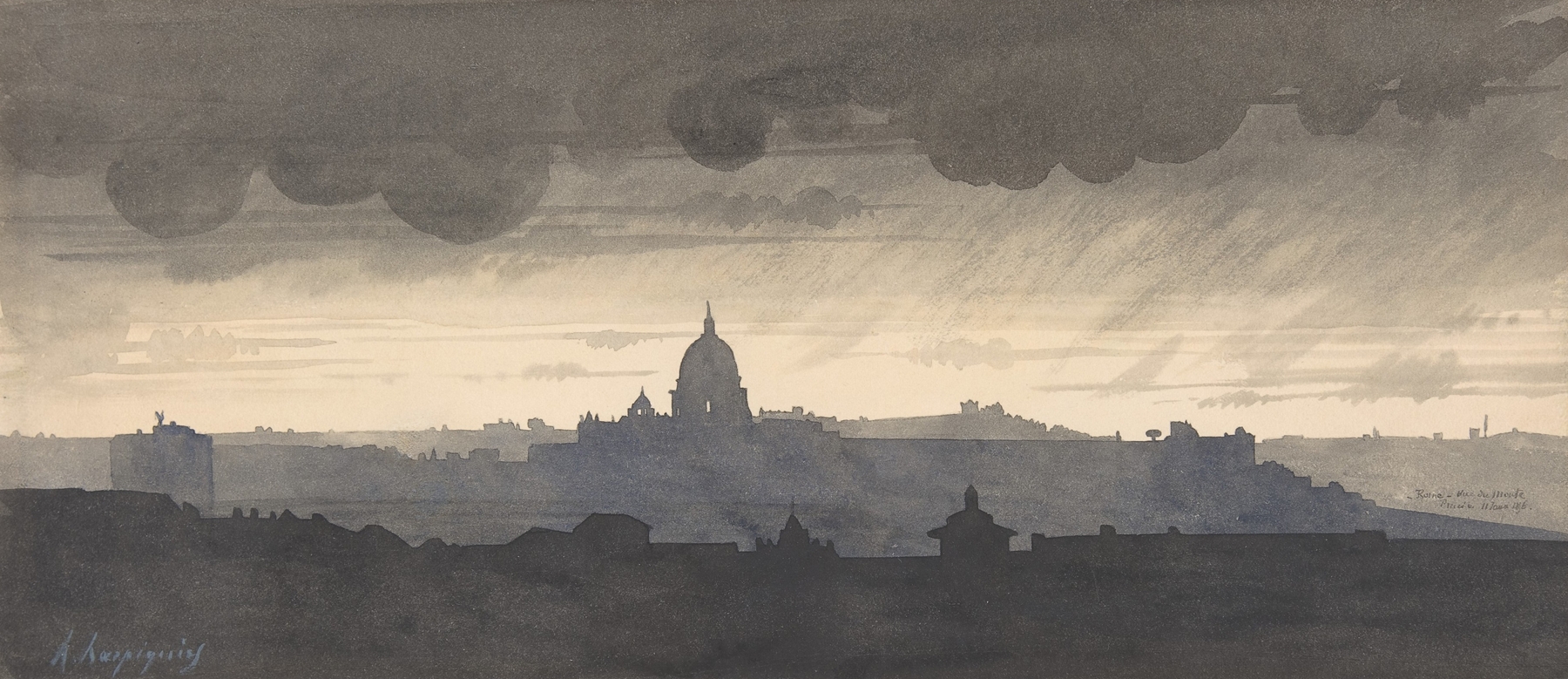
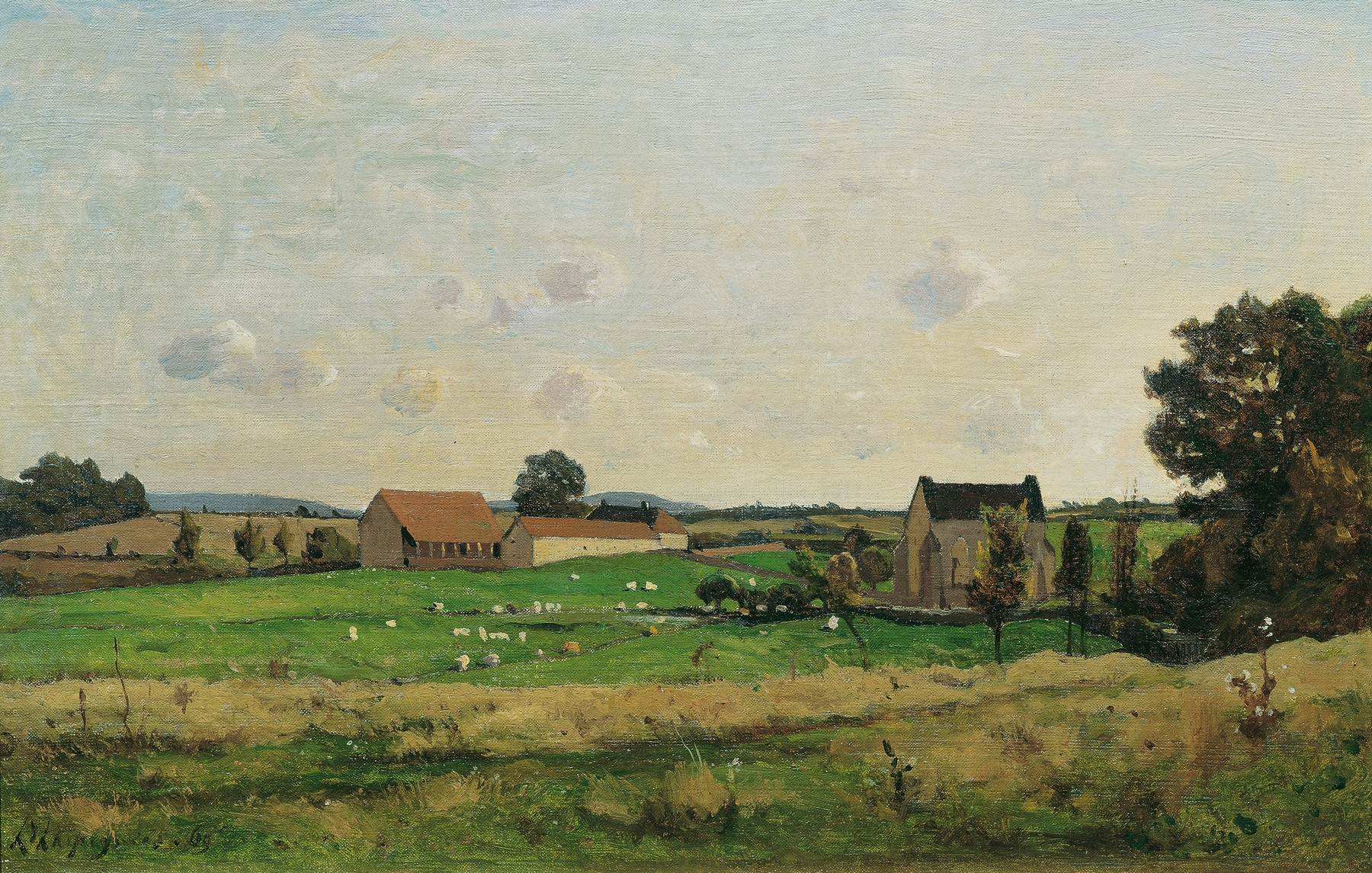
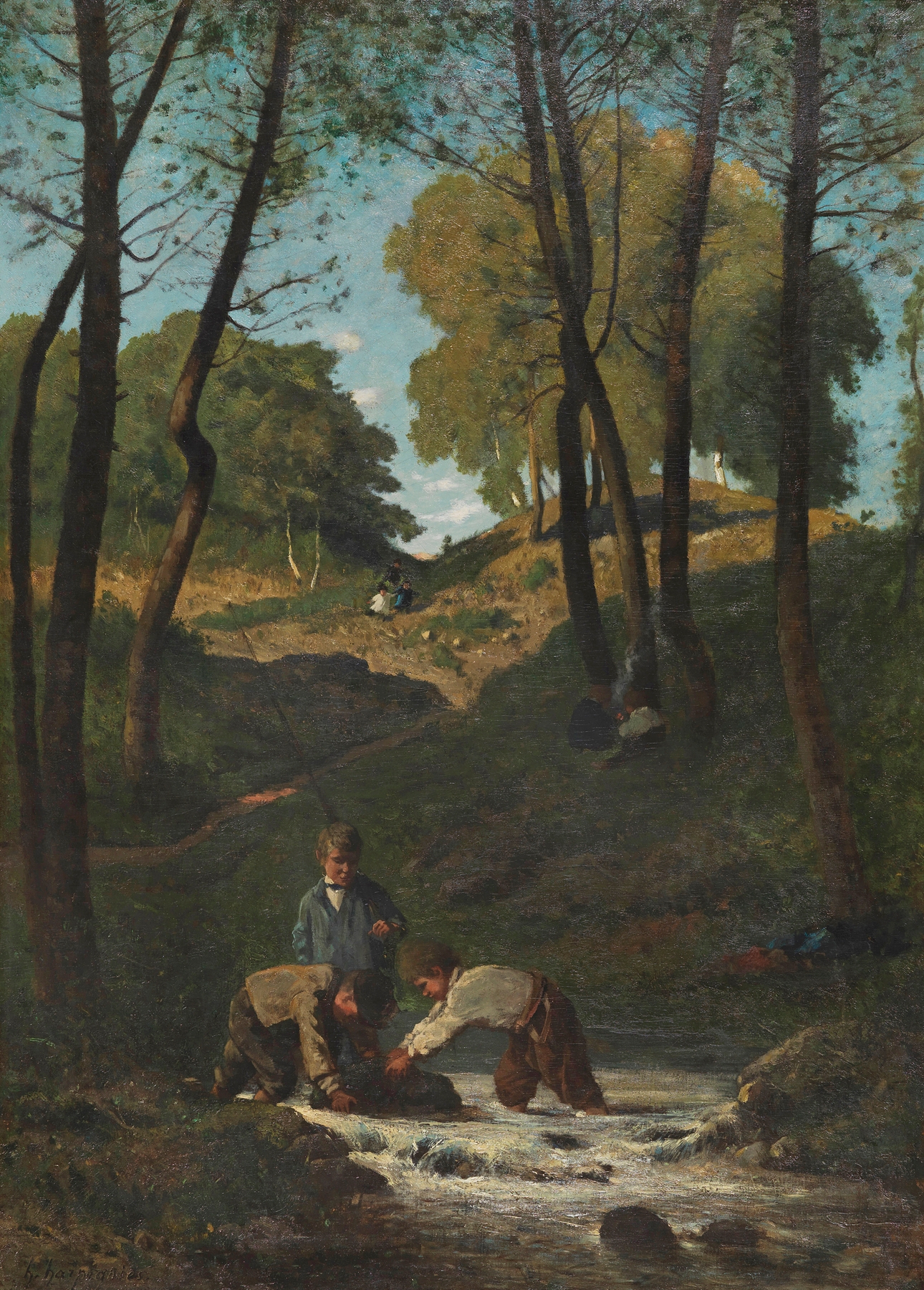
What if silence could speak through light? In Paysage, a tranquil landscape unfolds, inviting deep contemplation and quiet faith in nature's beauty. Look to the left at the gentle undulation of hills, painted in soft greens and warm earth tones. The delicate strokes of Harpignies’ brush create a sense of movement, as if the landscape breathes under a soft, golden light.
Notice how the sunlight dances across the grassy foreground, illuminating the texture of the foliage and casting serene shadows that lead your eye toward the horizon. The composition is balanced yet dynamic, drawing you into the lush serenity of the scene. Beyond its serene beauty, the painting whispers of the fleeting nature of time and the enduring power of faith in the natural world. The interplay of light and shadow hints at the duality of life—joy and melancholy intertwined, reflecting on our connection to the earth.
The distant trees, resilient against the vast sky, symbolize hope and the promise of renewal, inviting viewers to pause and appreciate the simplicity and complexity of existence. Created in 1877, Paysage emerged during a period of significant artistic evolution in France, marked by the rise of Impressionism. Harpignies, then influenced by the burgeoning movement, sought to capture the essence of nature with an emotional lens. His dedication to plein air painting during this period reflected a shift towards exploring landscape as a subject imbued with personal and universal significance.