A View of Moulins — History & Analysis
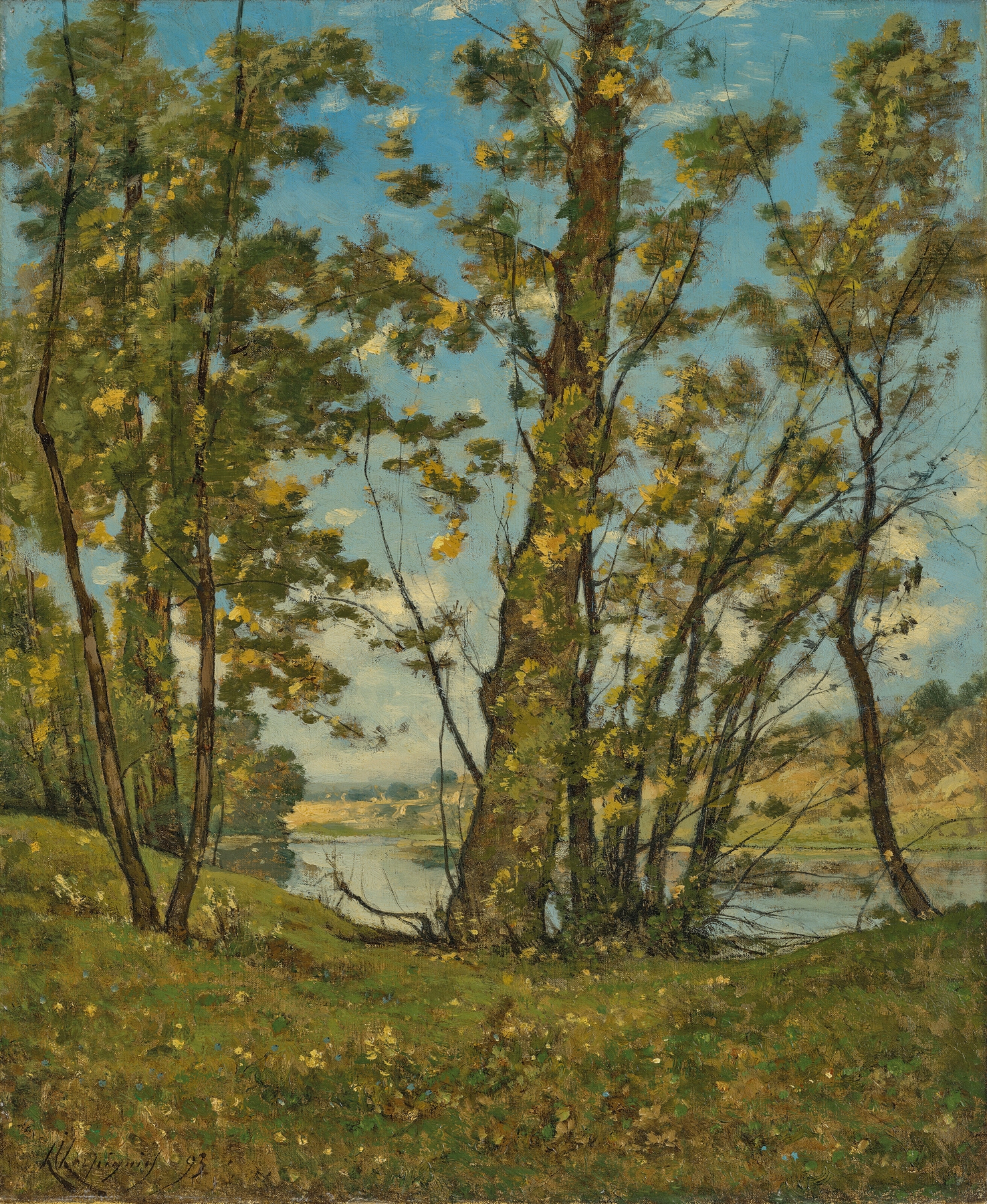
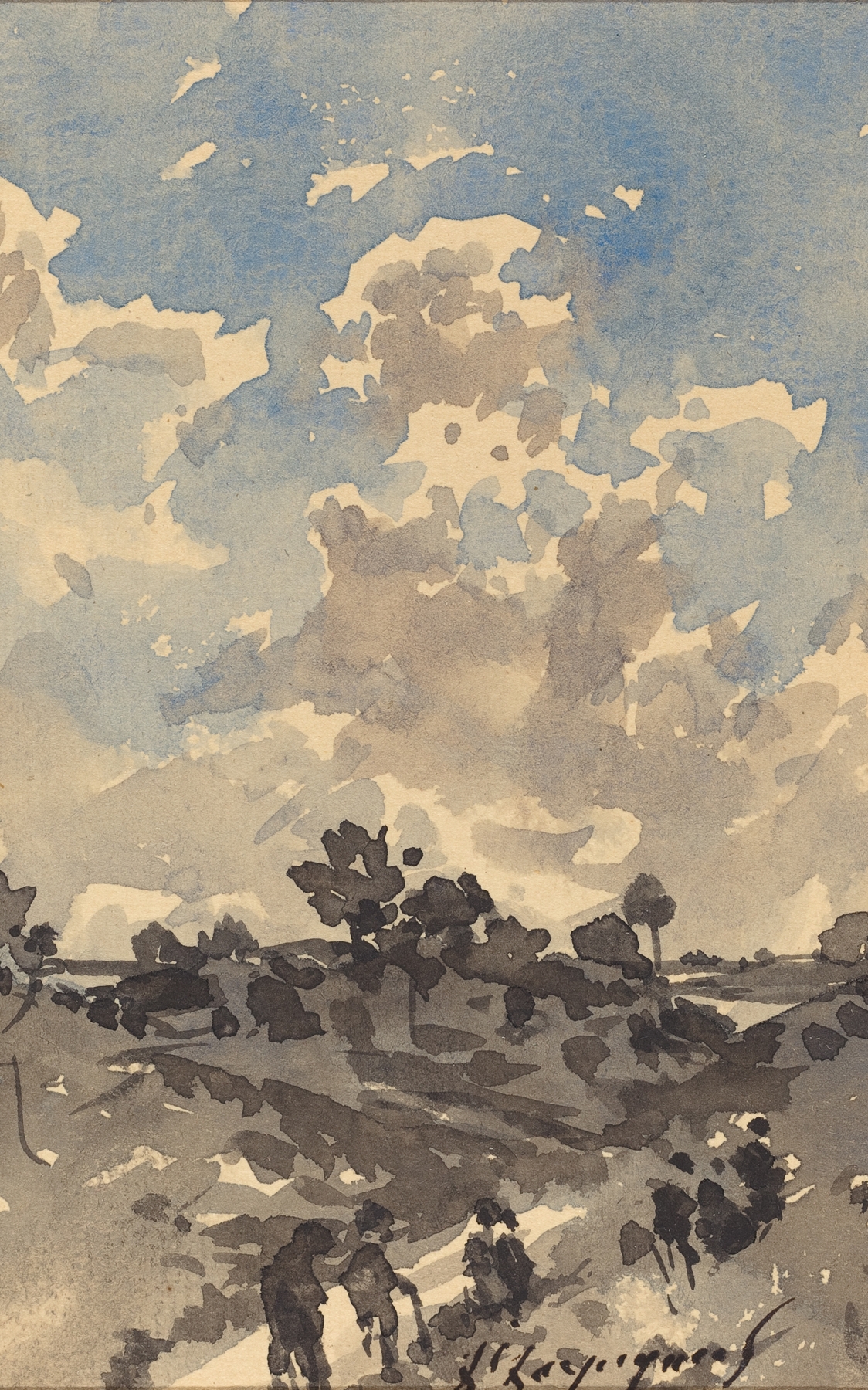
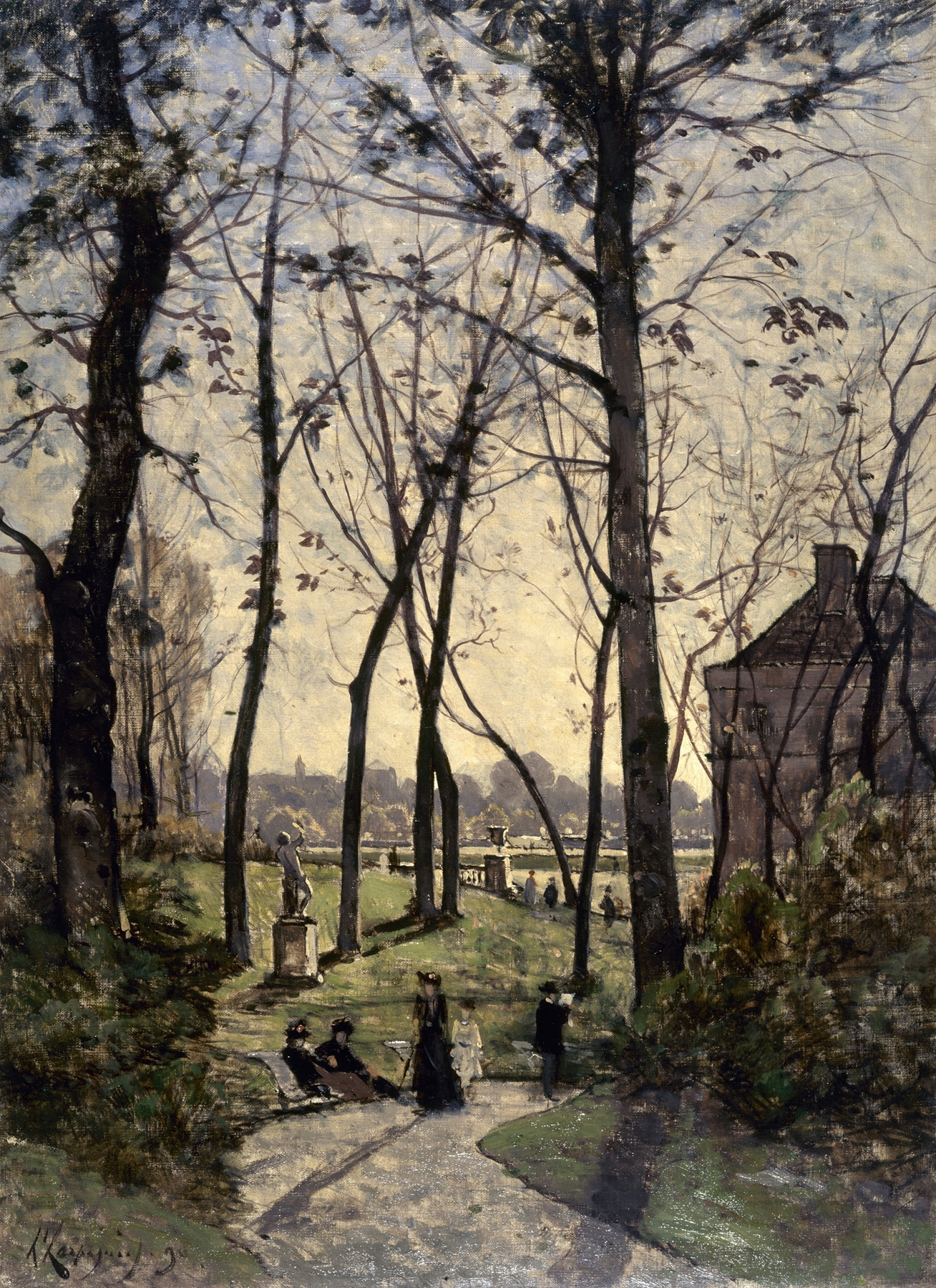
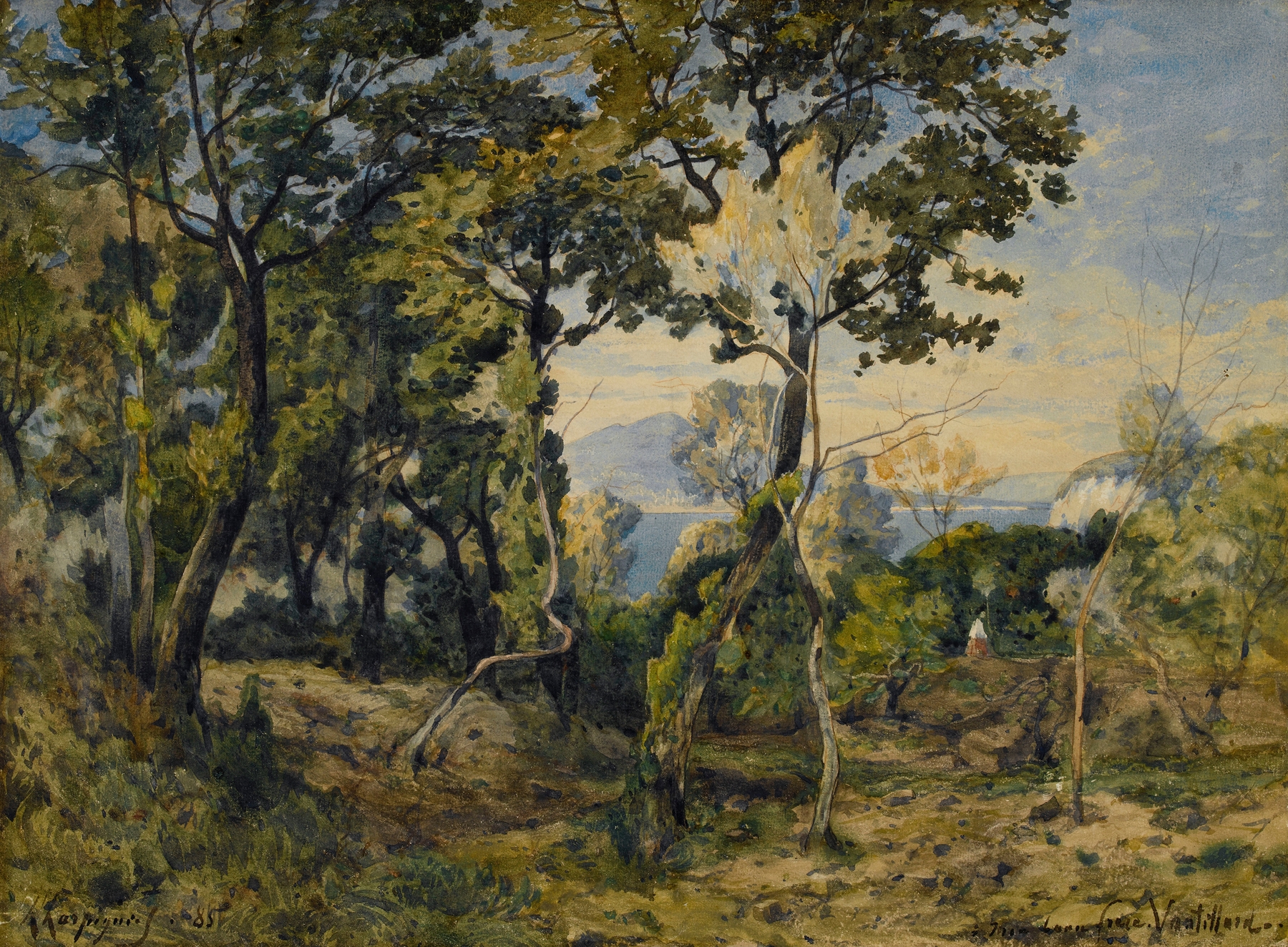
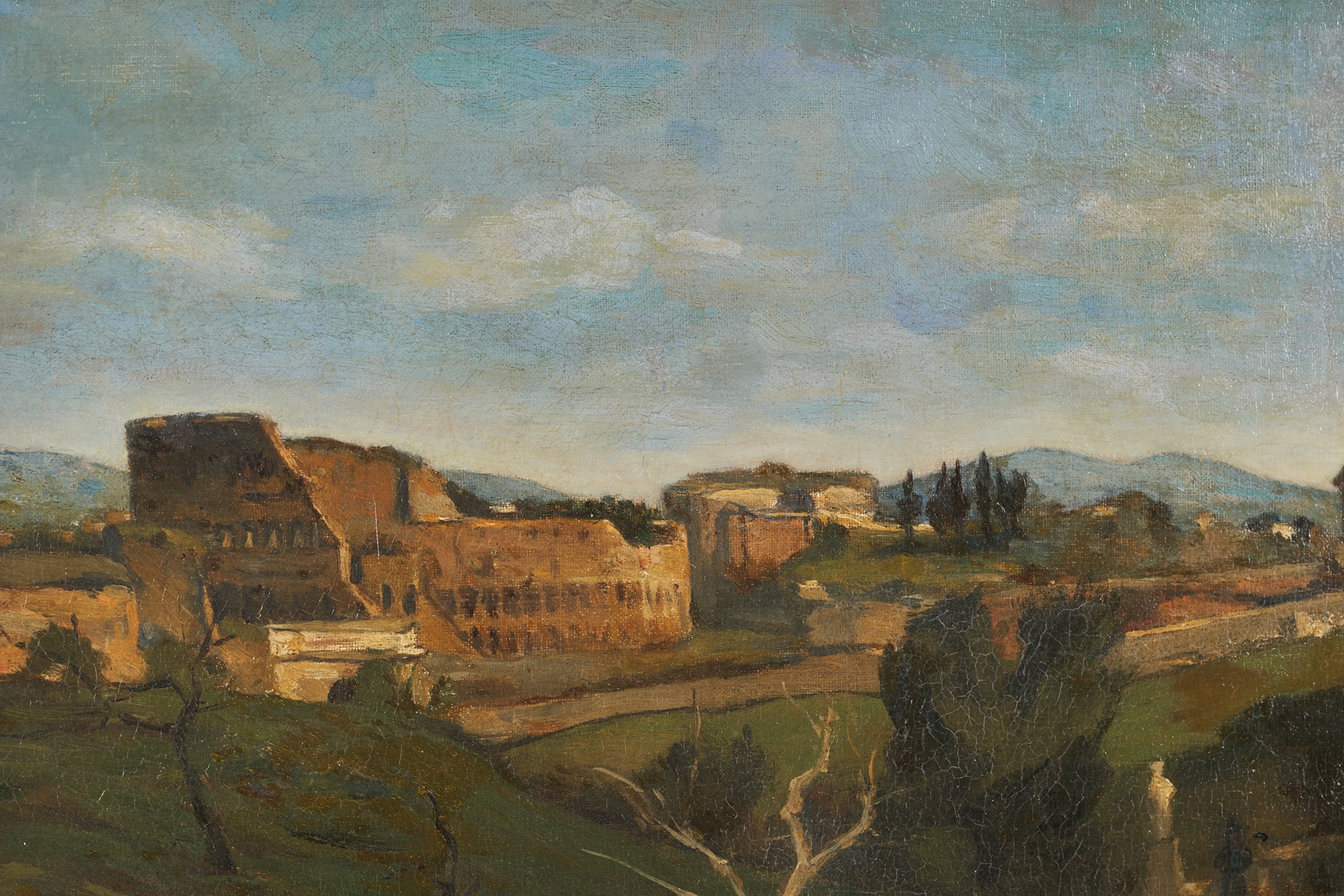
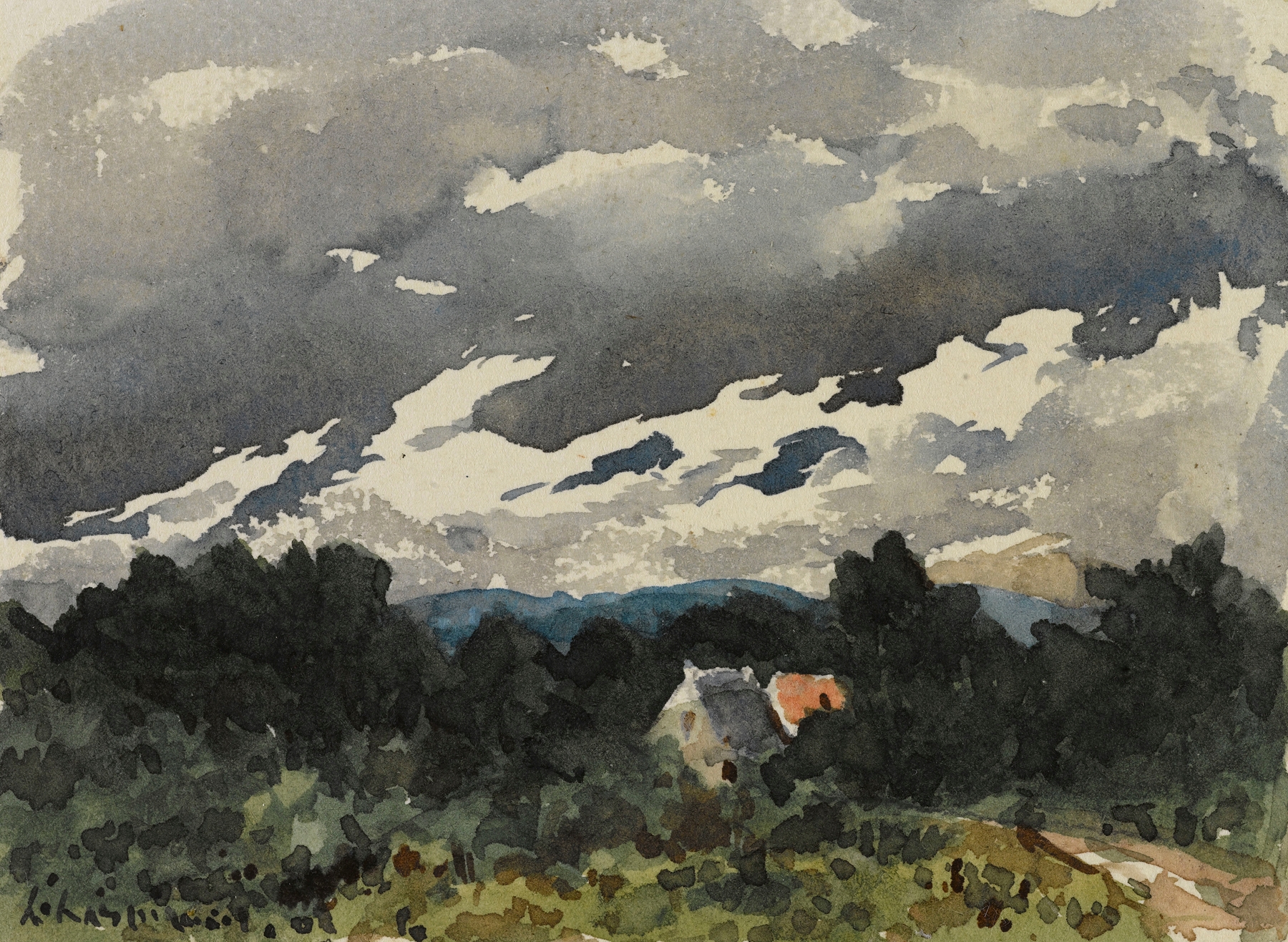
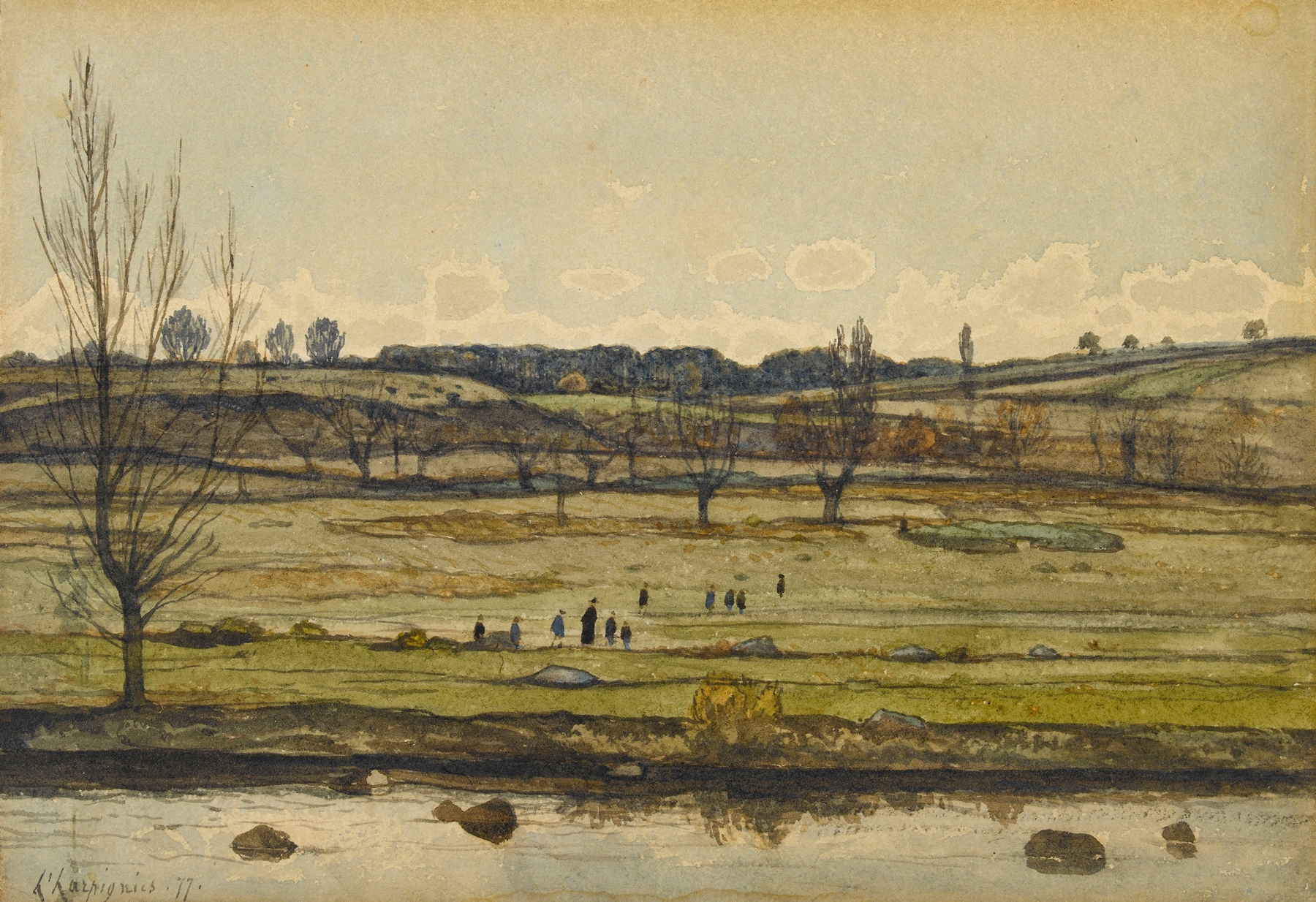
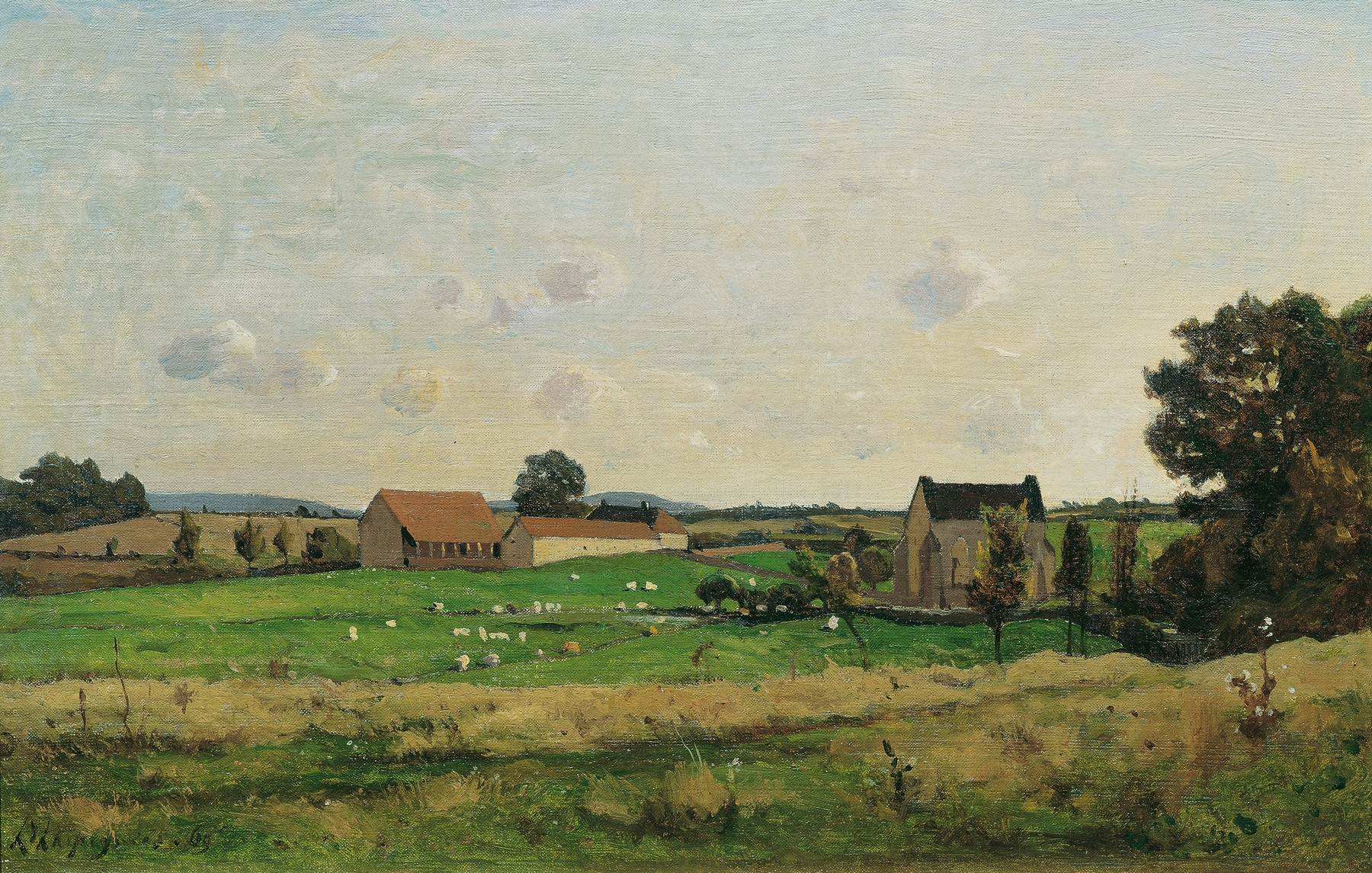
“Every silence here is a confession.” In a place where beauty meets the shadows of strife, the tranquility of nature often belies the underlying turbulence of human experience. To appreciate the essence of this piece, look to the left where a cluster of trees stands sentinel against the horizon. Their dark, rich greens contrast sharply with the vibrant blues and soft yellows of the sky, which seem to bleed into each other in a gentle embrace. The brushstrokes are fluid and alive, drawing the eye toward the rustic village nestled within the landscape, a world untouched yet steeped in history.
The play of light filtering through the foliage reveals hidden textures, suggesting the presence of life and decay, creating a duality that invites contemplation. As you gaze deeper, consider the unspoken stories held within the layers of color. The serene river, winding through the foreground, serves as a metaphor for the flow of time, its surface deceptively calm but teeming with unseen currents beneath. The buildings, while picturesque, hint at the fragility of human existence—a nod to the violence of nature’s wrath or perhaps the human condition itself.
Each element, from the stillness of the water to the sturdy forms of architecture, reflects a delicate balance between peace and turmoil, inviting viewers to reconcile their own inner conflicts. During the period of 1850–60, Henri-Joseph Harpignies was in the throes of establishing his reputation as a leading landscape painter in France. The art world was shifting towards Realism, yet he remained committed to capturing the sublime essence of nature. This work emerged during a time of burgeoning industrialization, a contrast to the simplicity of the rural scenes he often depicted, reflecting both his personal artistic journey and the social changes occurring around him.