Das Landgut von Saulce (Dept. Gonne) — History & Analysis
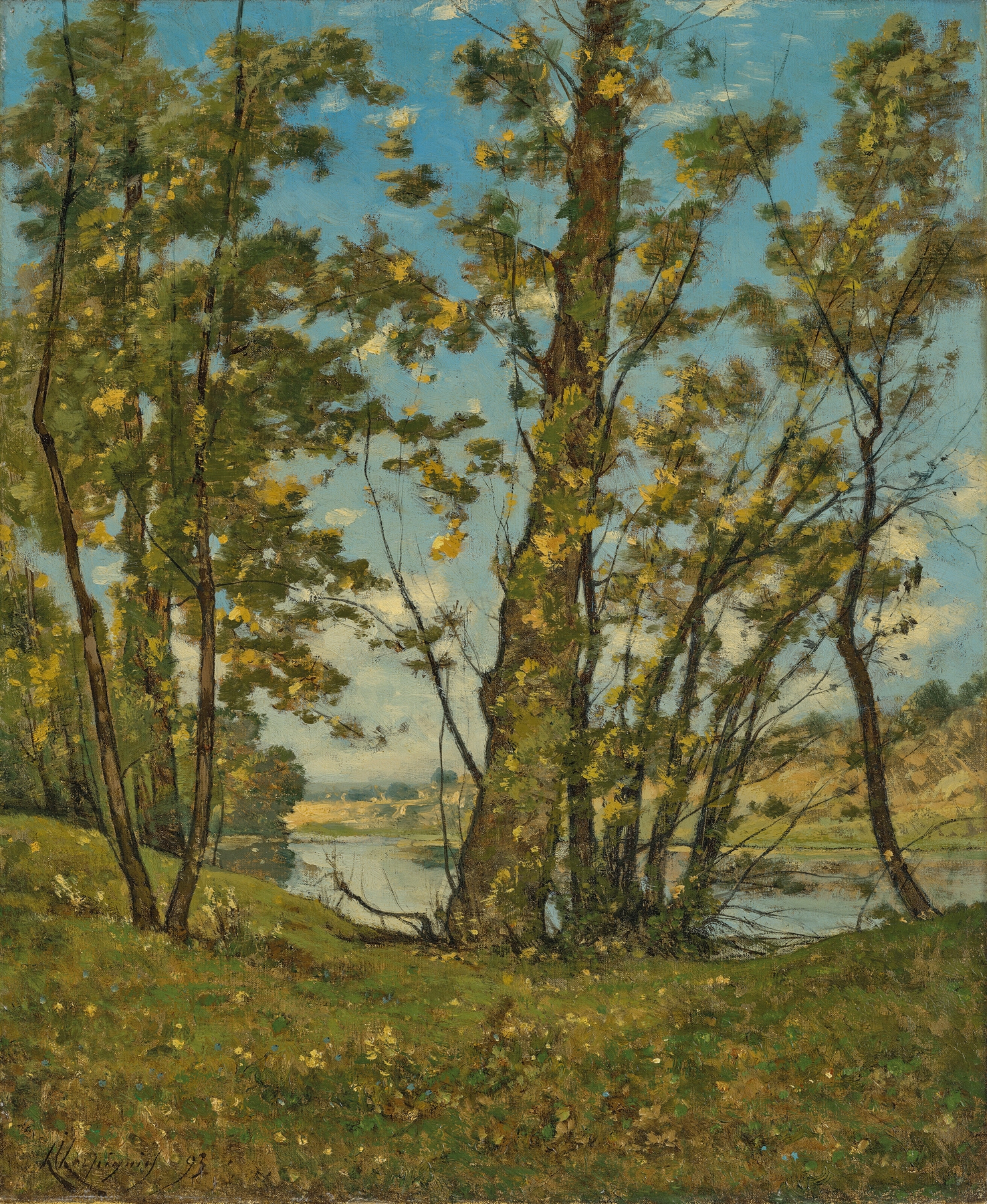
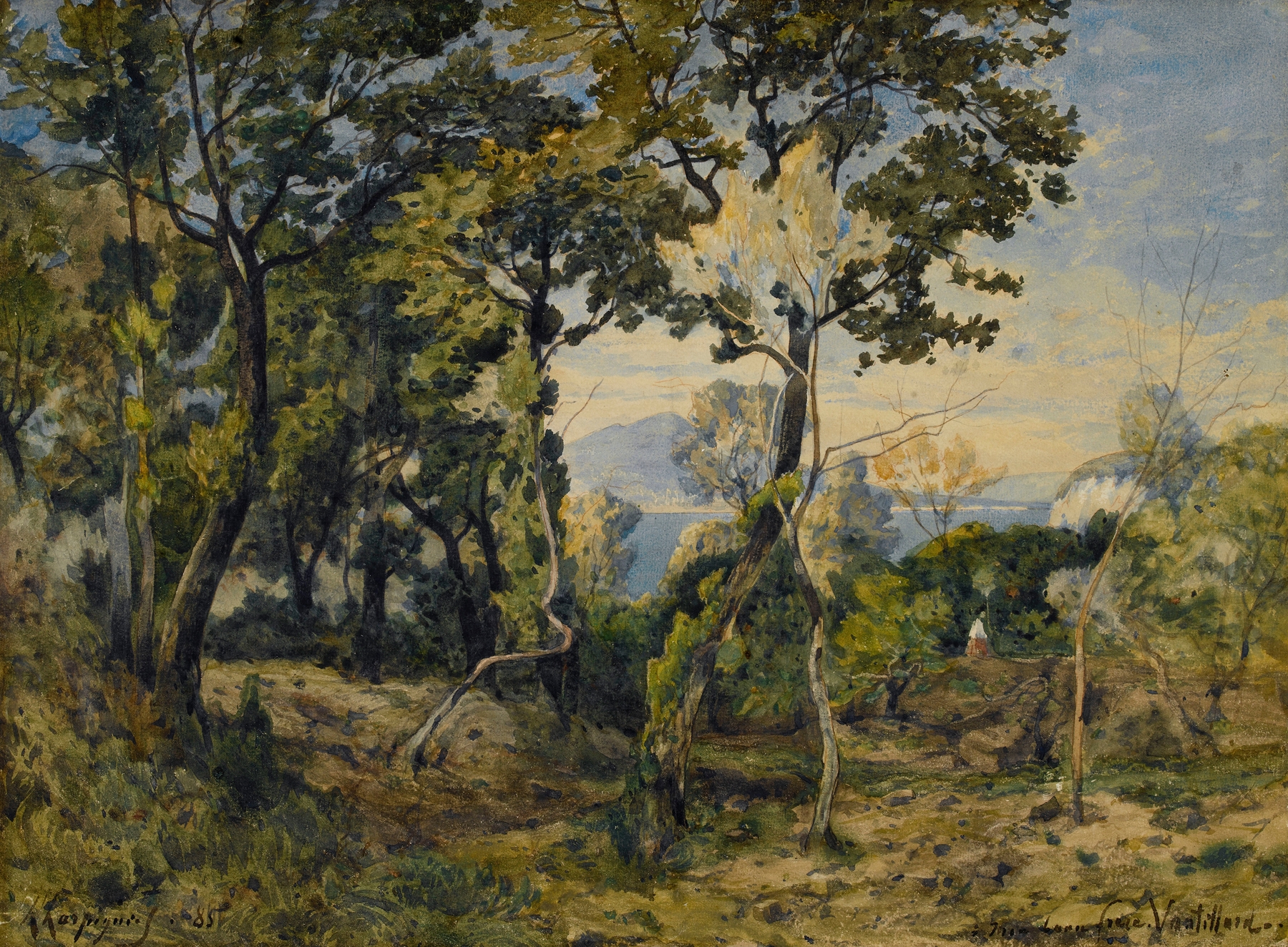
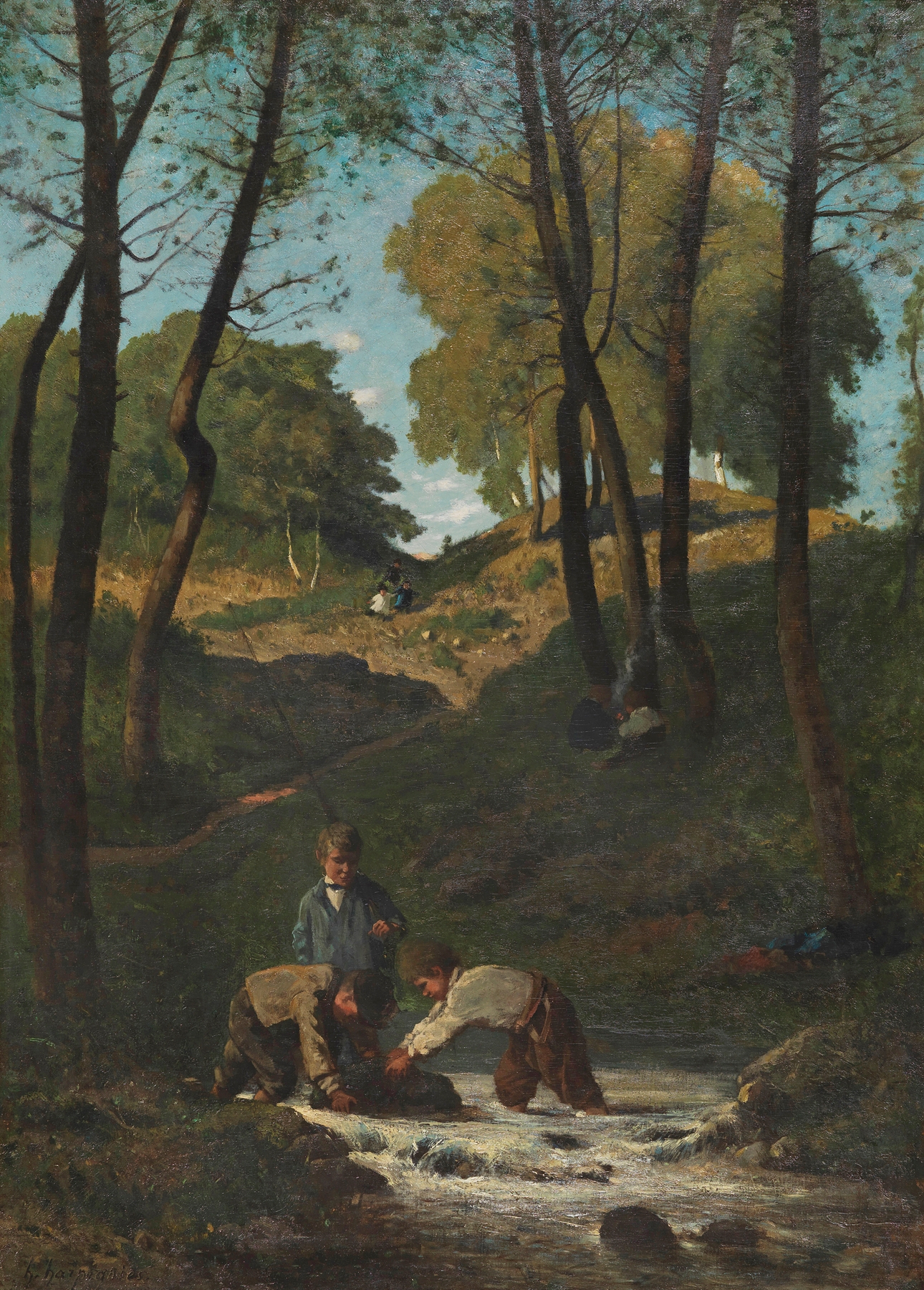
When did color learn to lie? In the hands of the master, hues weave memories into the very fabric of a landscape. Here, the essence of nostalgia pulses through the vibrant palette, whispering stories of a time long past. Focus on the foreground, where lush greenery sprawls beneath an expansive sky, its clouds swirling with shades of blue and gray.
Notice how the light dances across the leaves, casting intricate shadows that seem to breathe life into the scene. The artist’s brush strokes convey a sense of movement, inviting viewers to step into this serene world, as the tranquil beauty of the land unfolds before them. Delve deeper, and you’ll find contrasts that speak volumes. The vibrant greens signify vitality and life, yet they coexist with the soft, muted tones of distant hills, suggesting a poignant blend of joy and melancholy.
The interplay between light and shadow evokes a longing for a simpler time, where each contour and color holds the weight of unspoken memories, drawing us into a reflective mood. In 1869, while residing in Paris, Henri-Joseph Harpignies created this work during a period of great transition in the art world. Impressionism was gaining momentum, reshaping the perception of nature and light. Amidst this evolving landscape, the artist's affinity for natural beauty and his mastery of color solidified his position as a celebrated figure in the Barbizon School, as he sought to capture the essence of the countryside while embracing the emotional power of landscape painting.