A Quiet Canal, Venice — History & Analysis
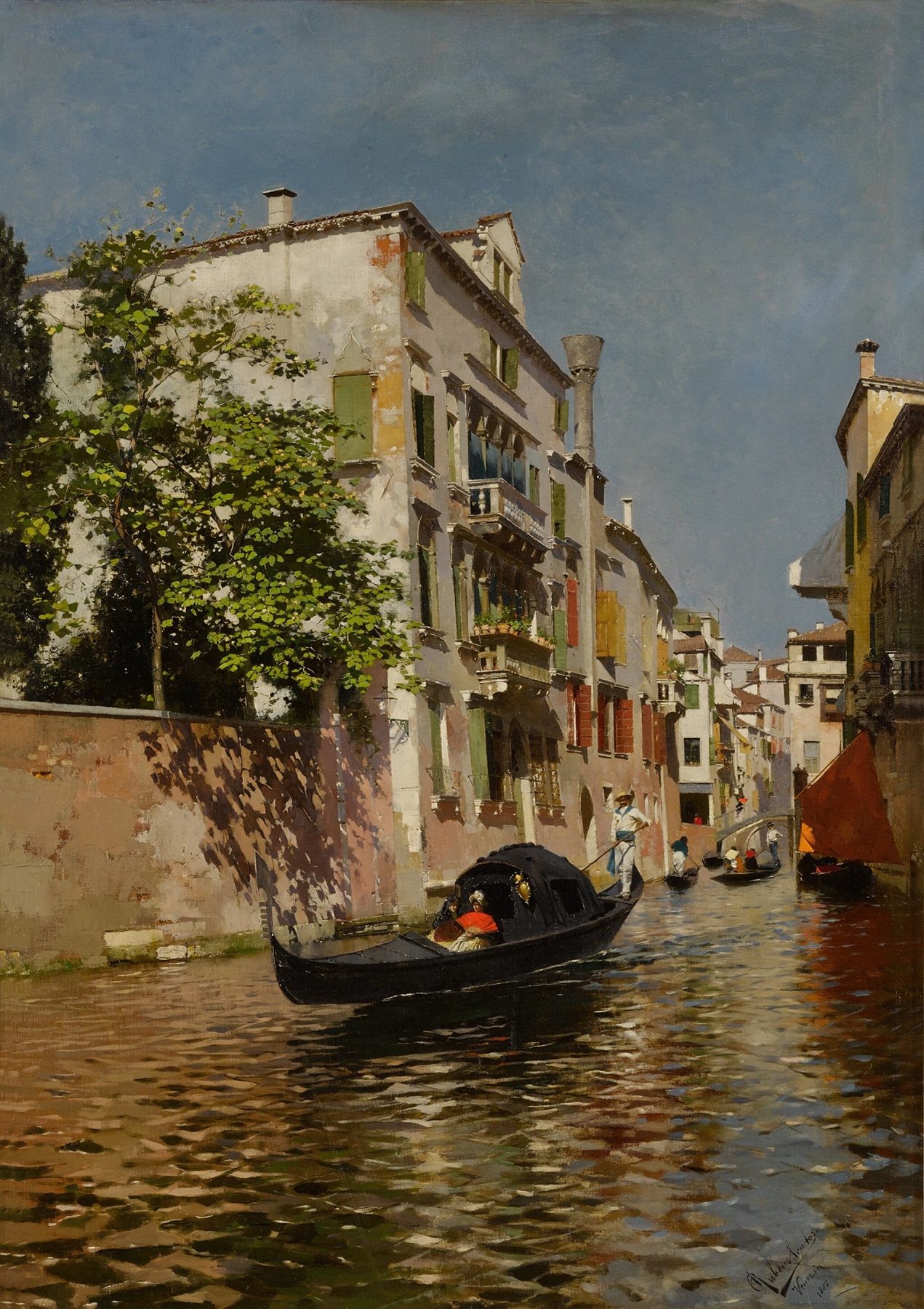
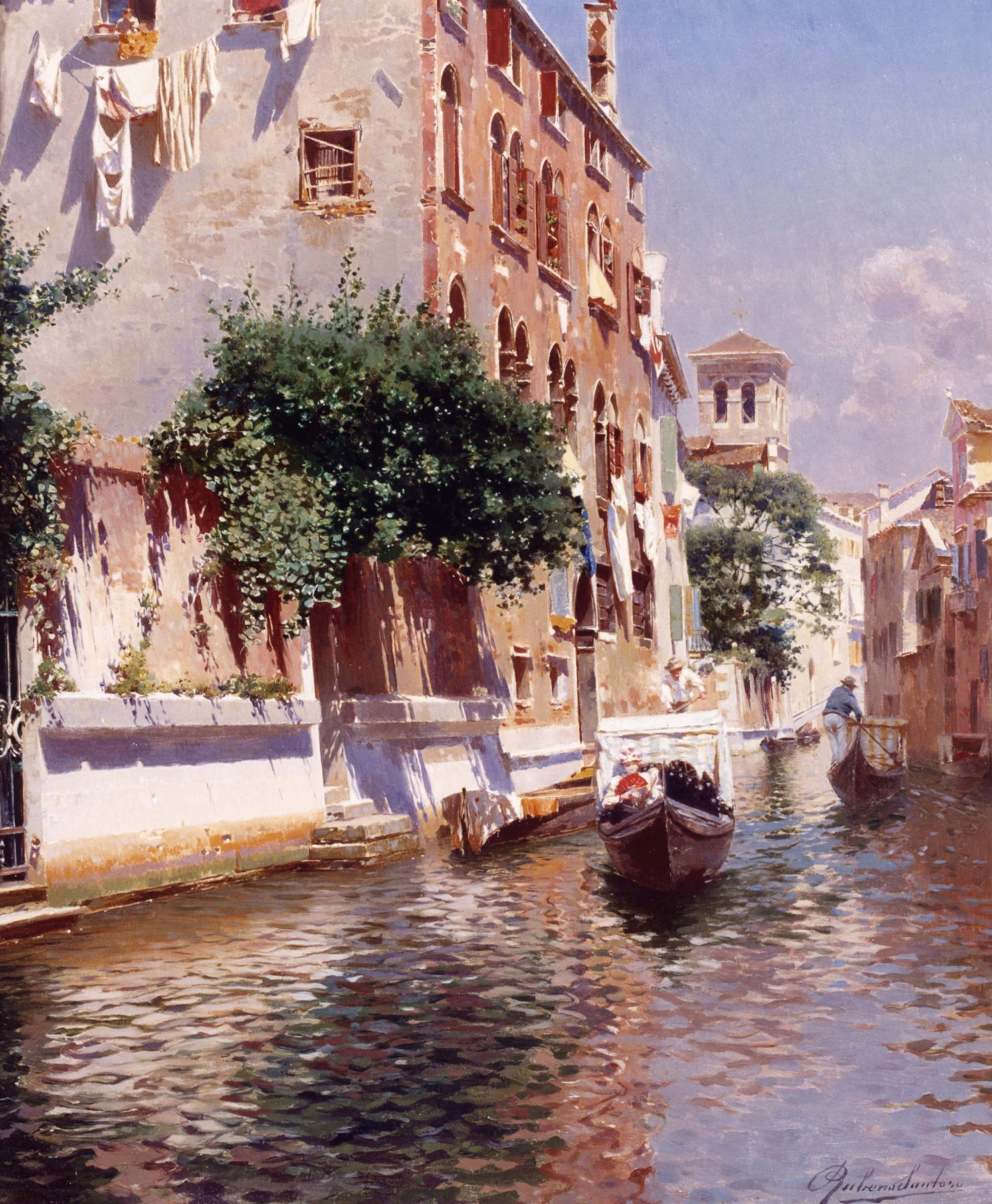
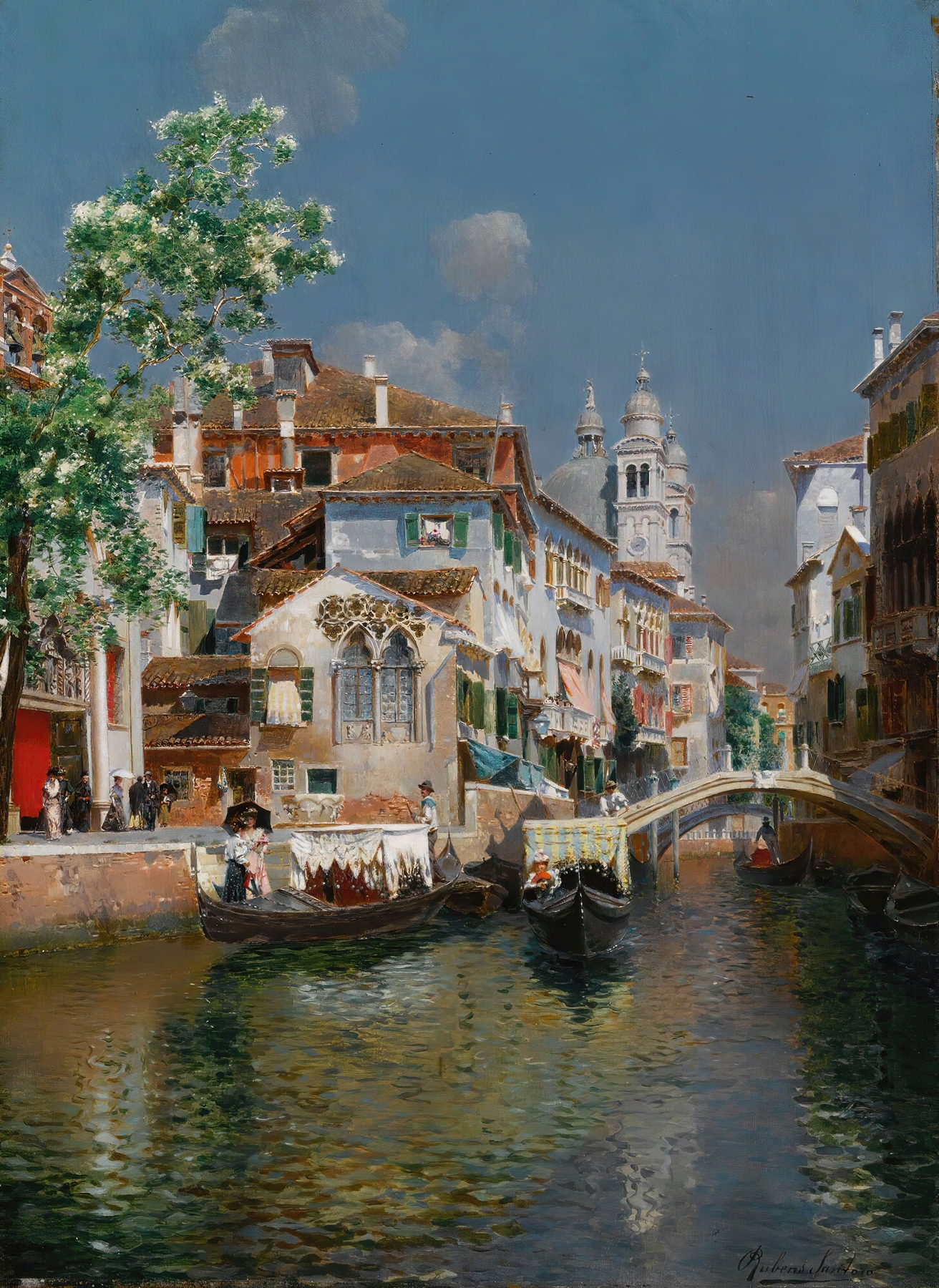
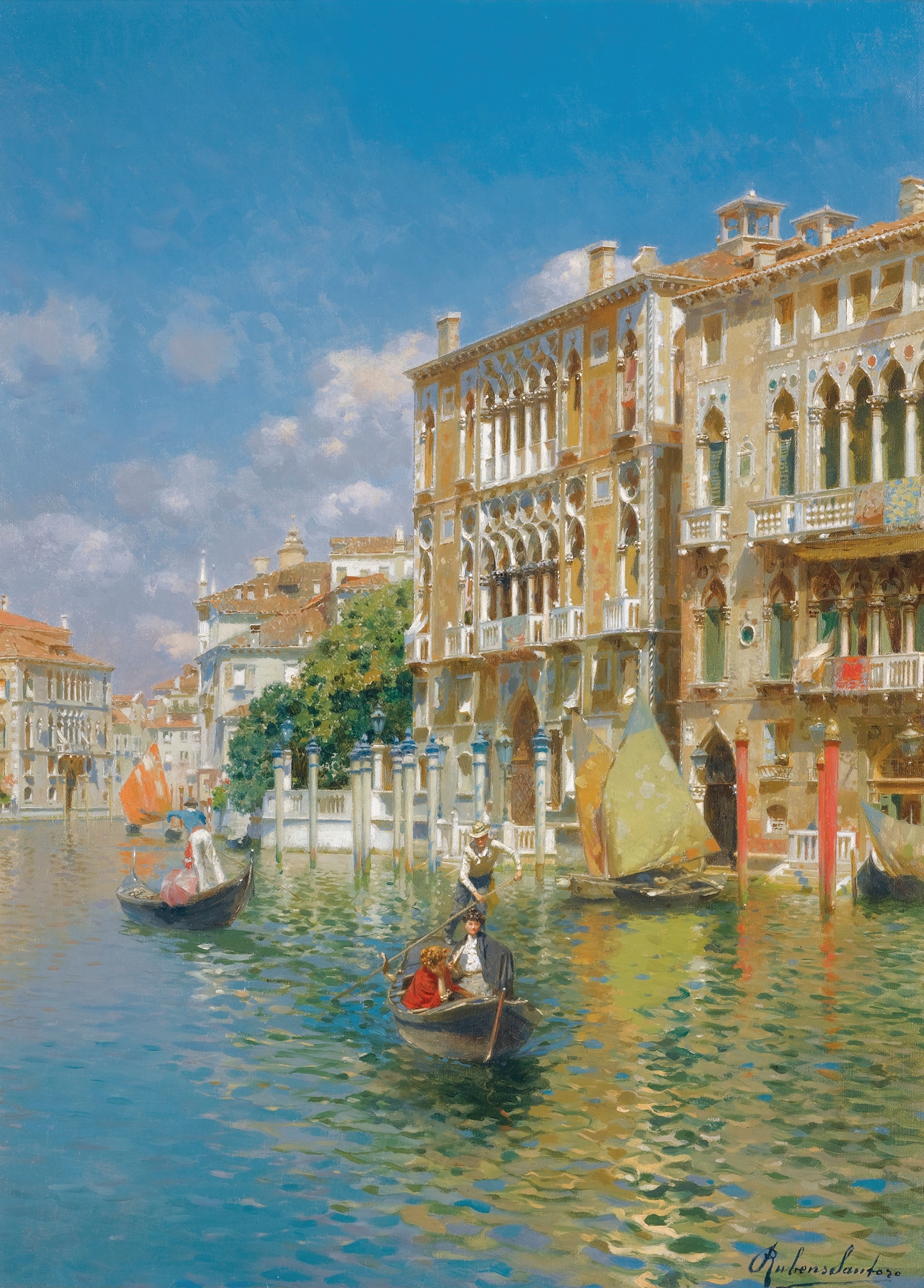
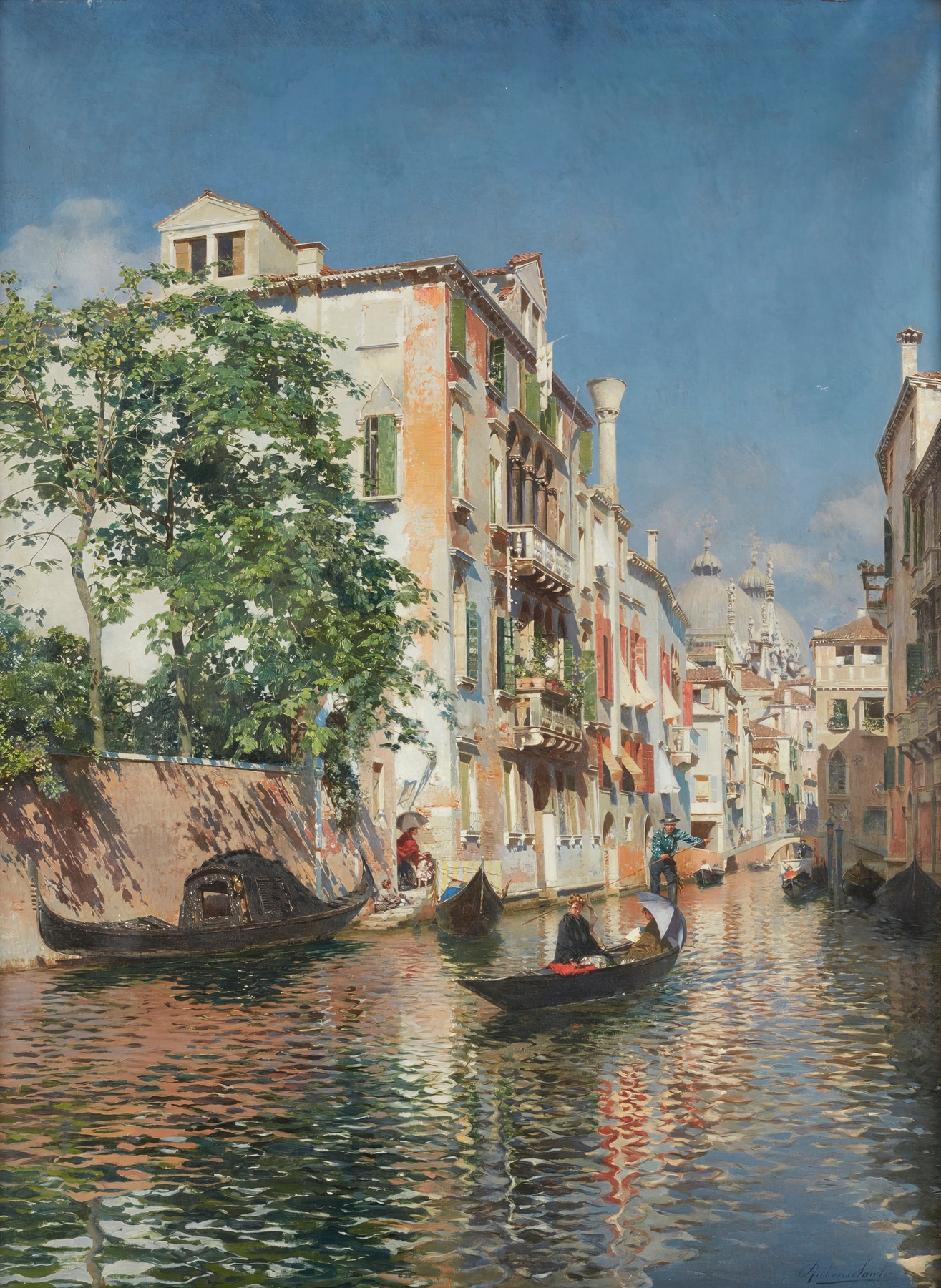
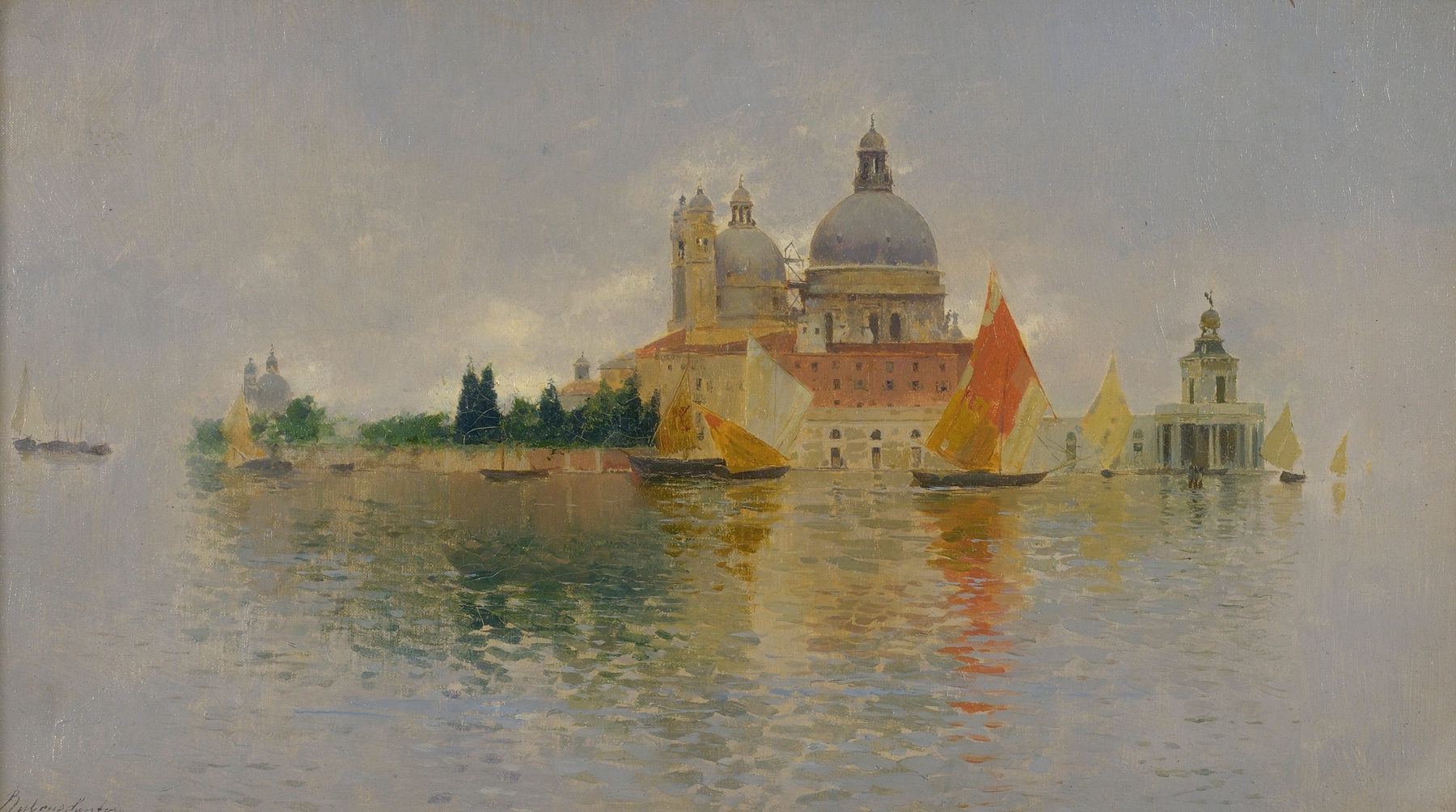
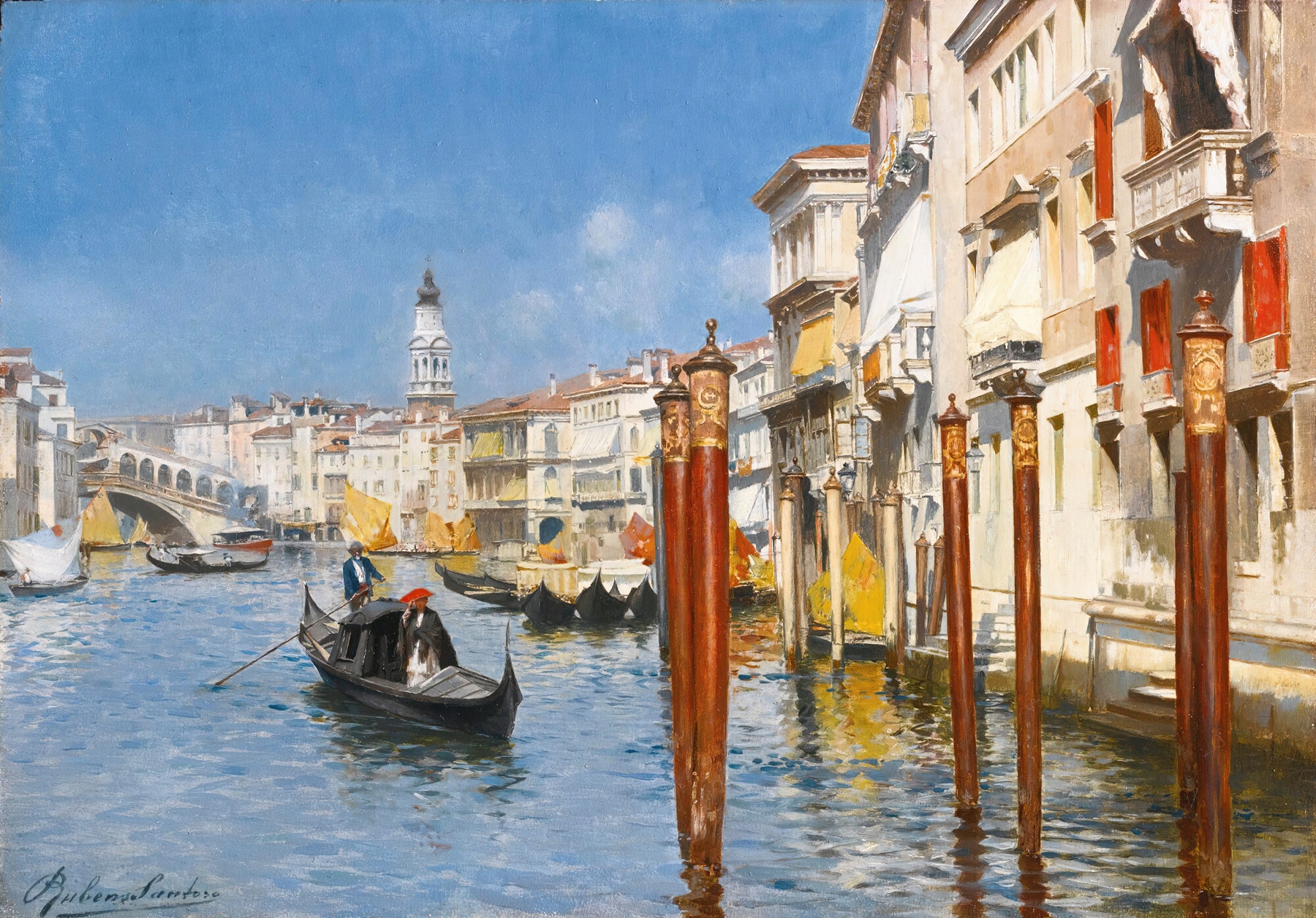
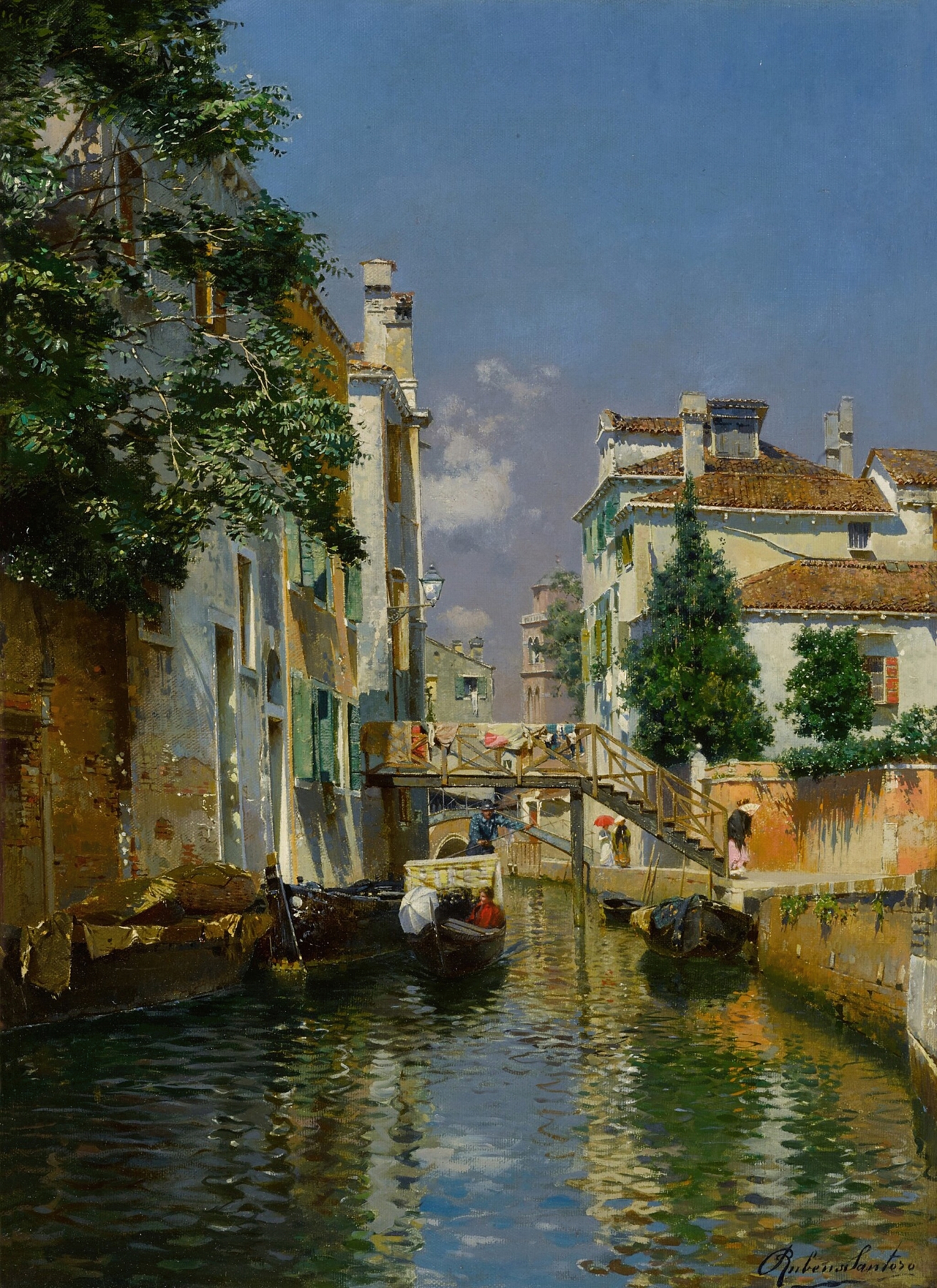
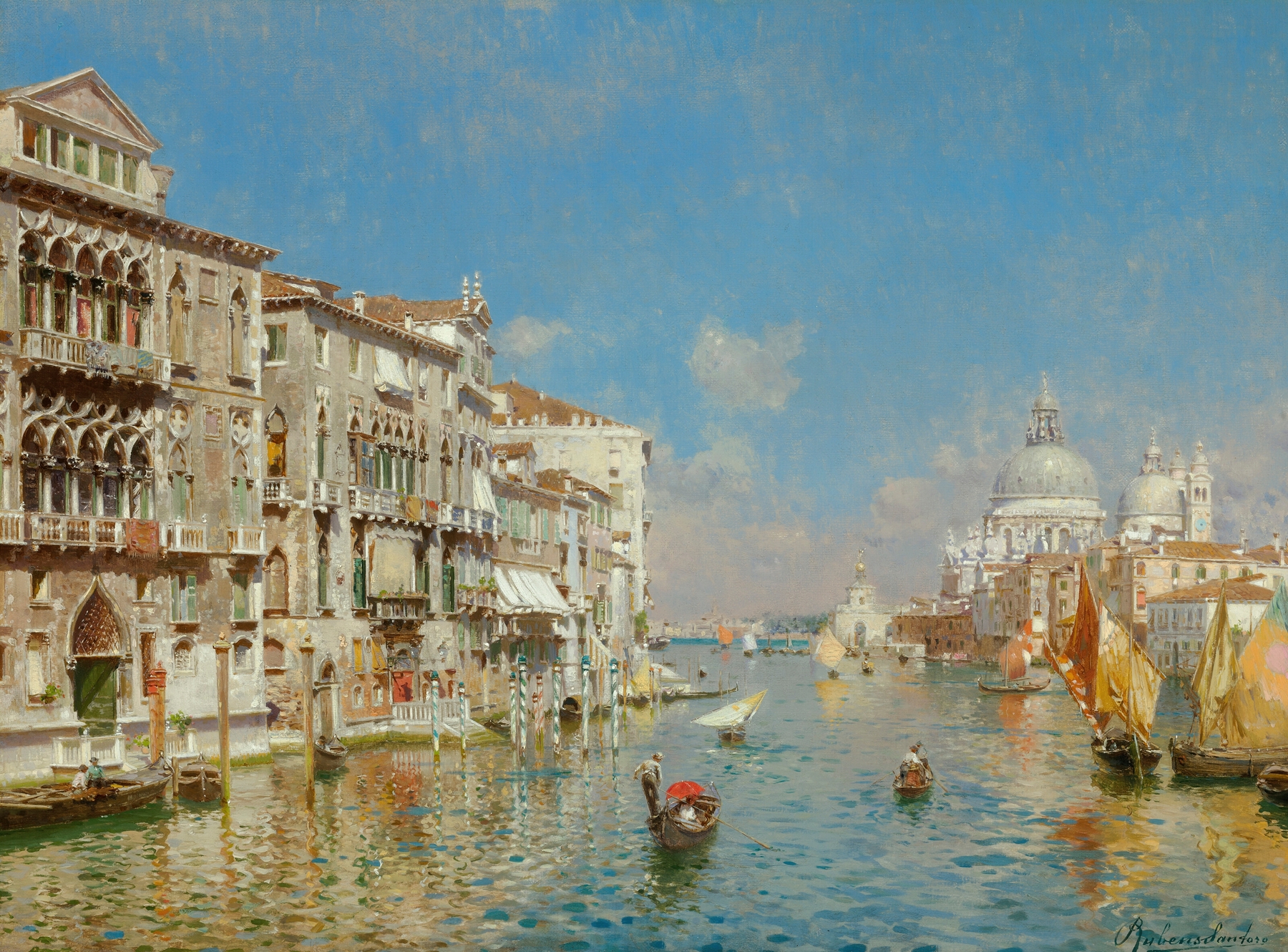
Did the painter know this moment would outlive them? In A Quiet Canal, Venice, the tender embrace of a fleeting dusk bathes the scene in a soft, golden glow, inviting contemplation of time and existence. Look closely at the tranquil waterway that runs through the heart of this Venetian landscape. The gentle ripples dance beneath the fading light, capturing the myriad reflections of the crumbling facades and delicate arches that line the canal.
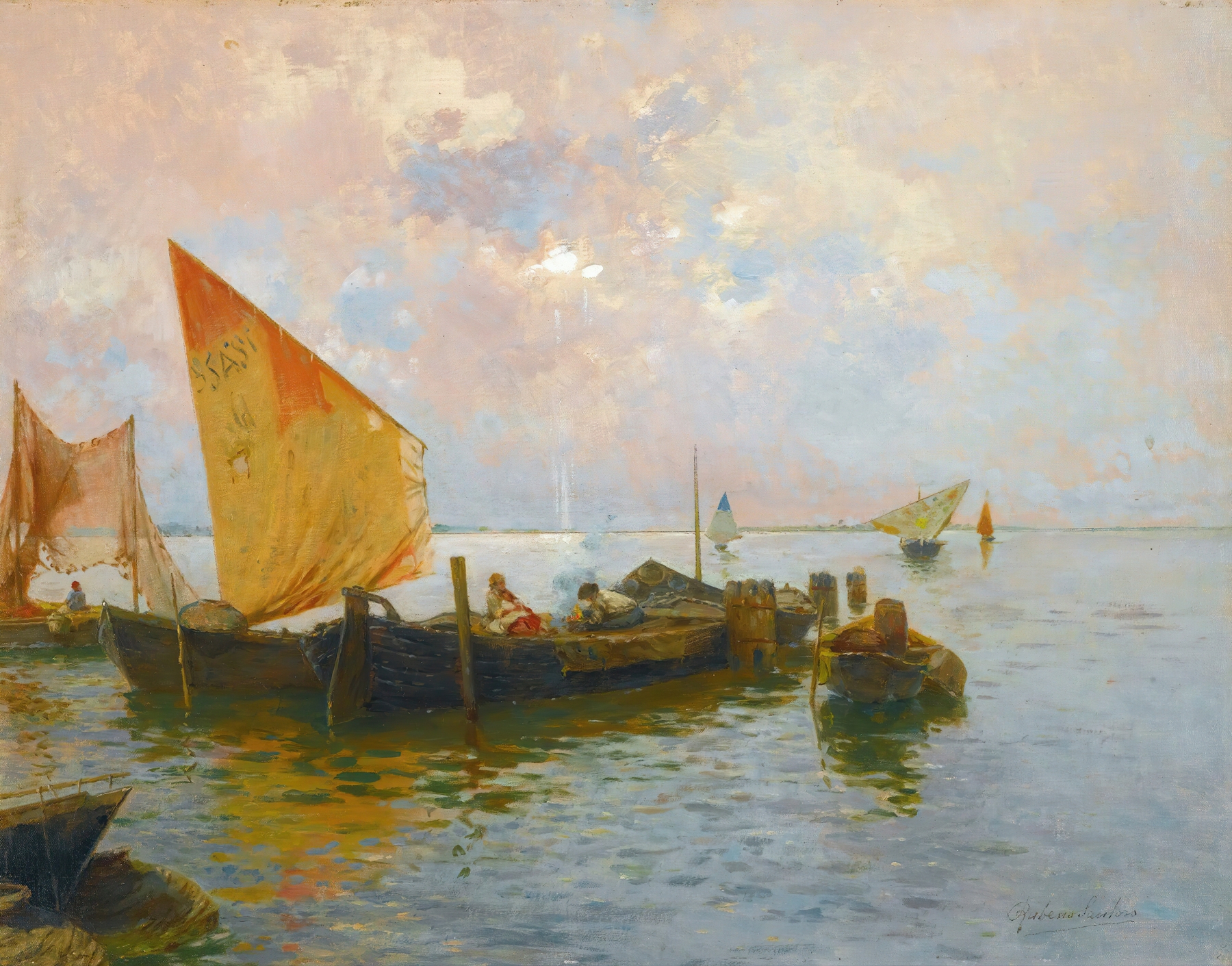
Notice how the artist meticulously uses a warm palette, with muted earth tones that harmonize with the subtle cerulean of the water, creating a serene yet poignant atmosphere. The composition draws your gaze along the canal, directing you toward the horizon where the sky begins to blush with twilight. Within this serene depiction lies an intricate tension between stillness and the relentless passage of time. The silent boats, tethered along the banks, appear to hold secrets of countless journeys past, embodying both nostalgia and the inevitability of change.
The artwork evokes a sense of suspended reality, prompting reflections on mortality and the fleeting nature of beauty, capturing a moment that feels both intimate and universally poignant. Rubens Santoro painted A Quiet Canal, Venice during a time when he was deeply influenced by the rich artistic heritage of the city and the broader currents of late 19th-century realism. Living in Venice, he became enamored with its captivating light and unique atmosphere, mirroring the rise of Impressionism that was reshaping the art world. At this point in his life, Santoro was exploring themes of solitude and transience, seeking to immortalize the ephemeral beauty of his surroundings.