A Salmon River, no. 2 — History & Analysis
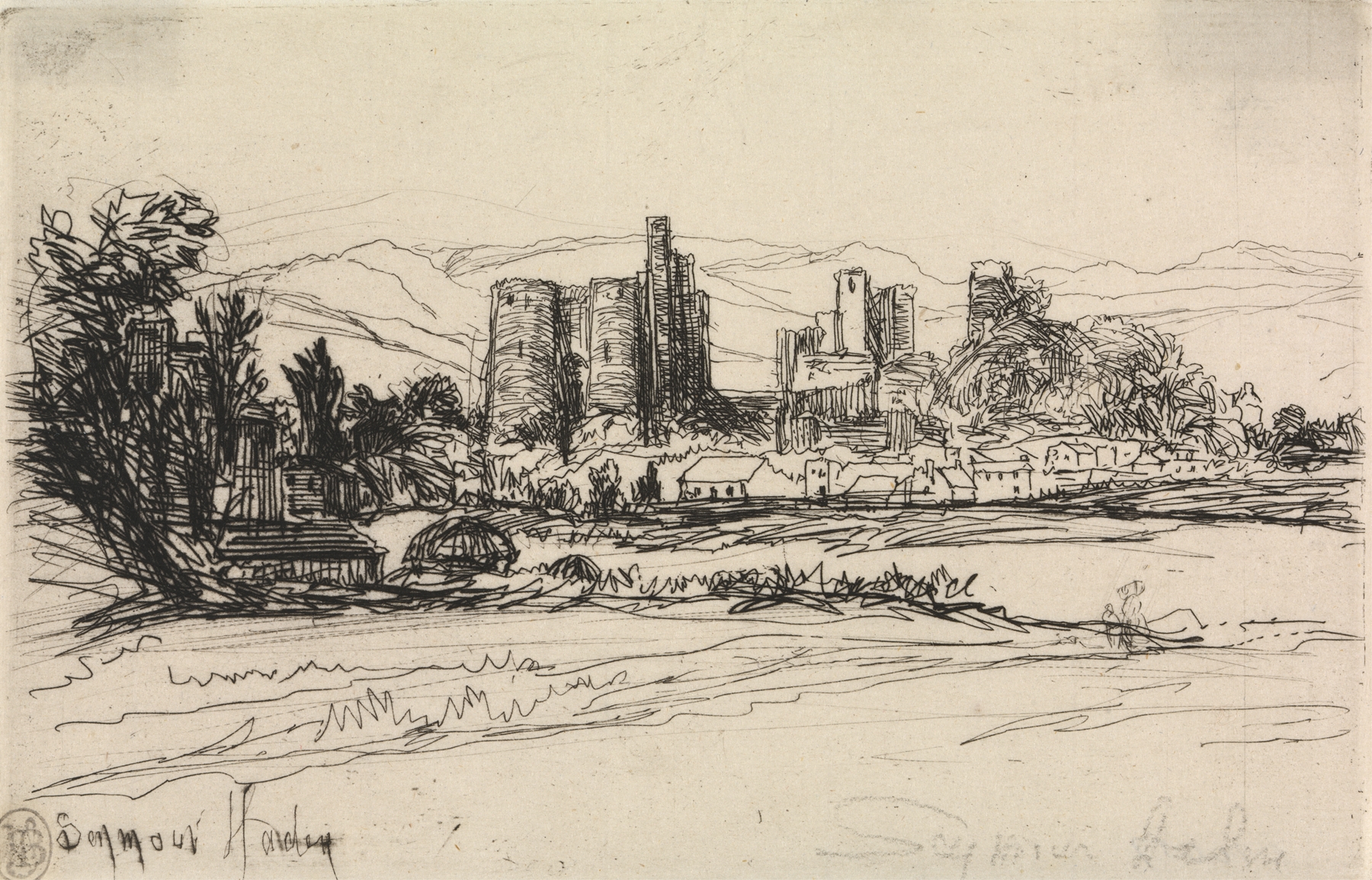
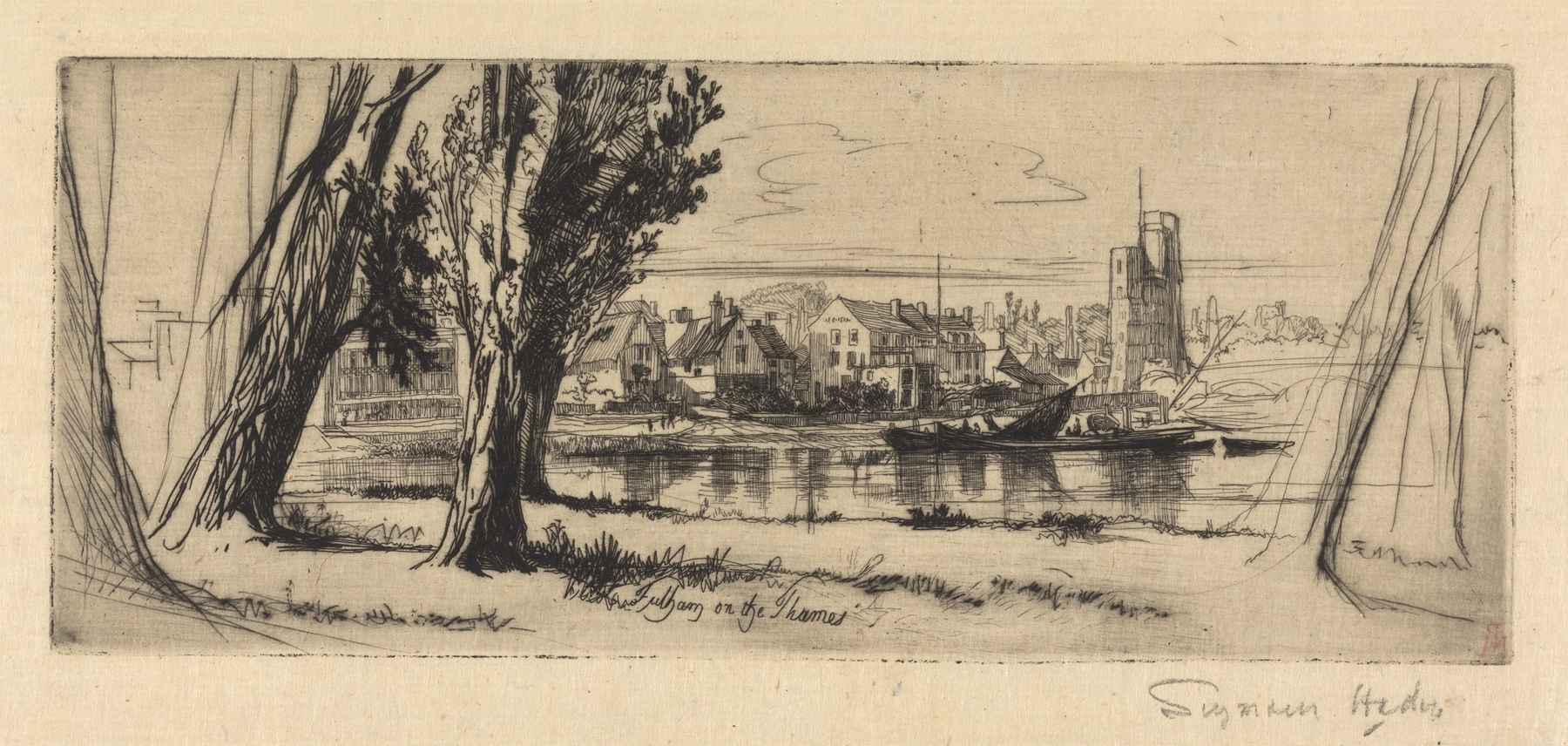
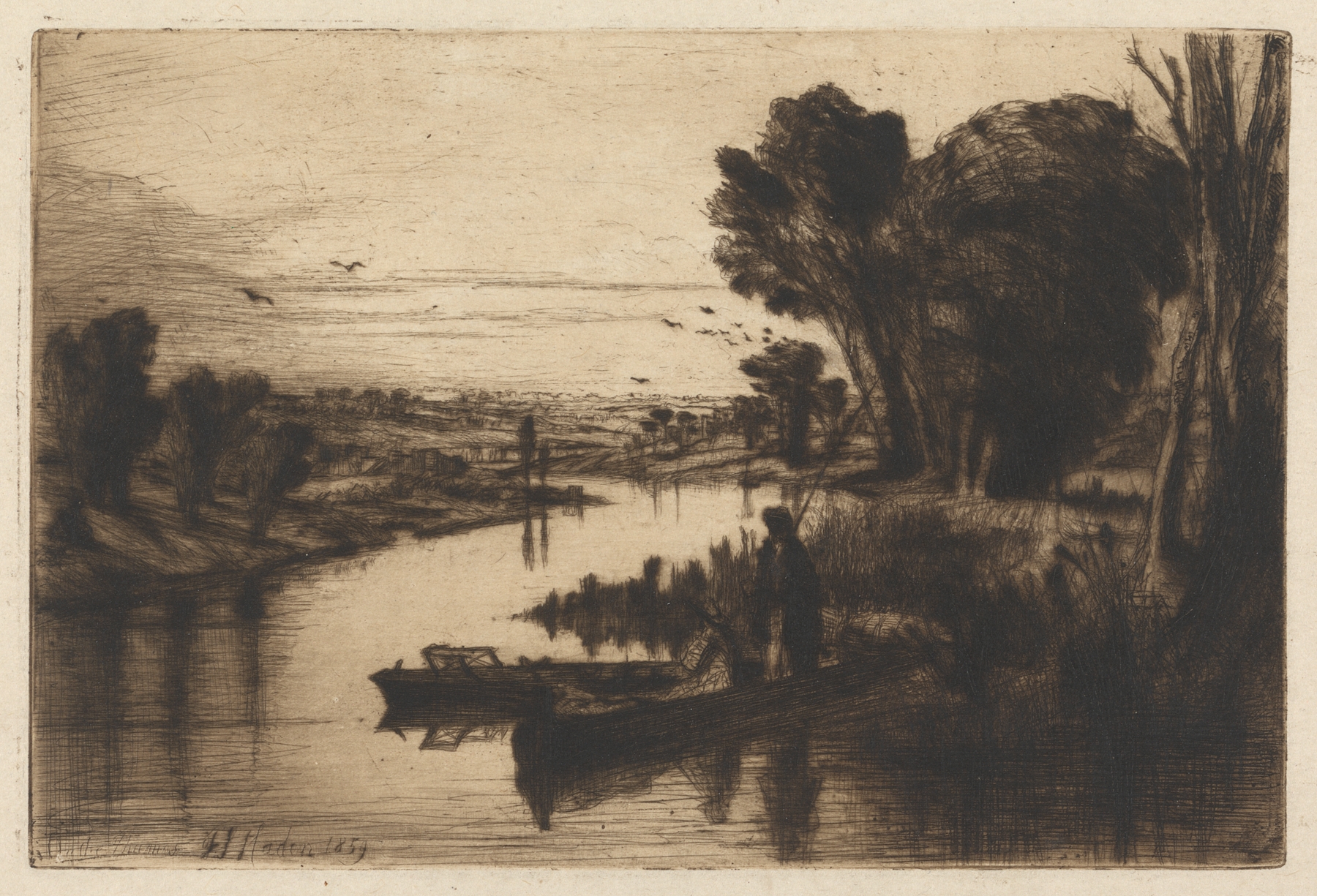
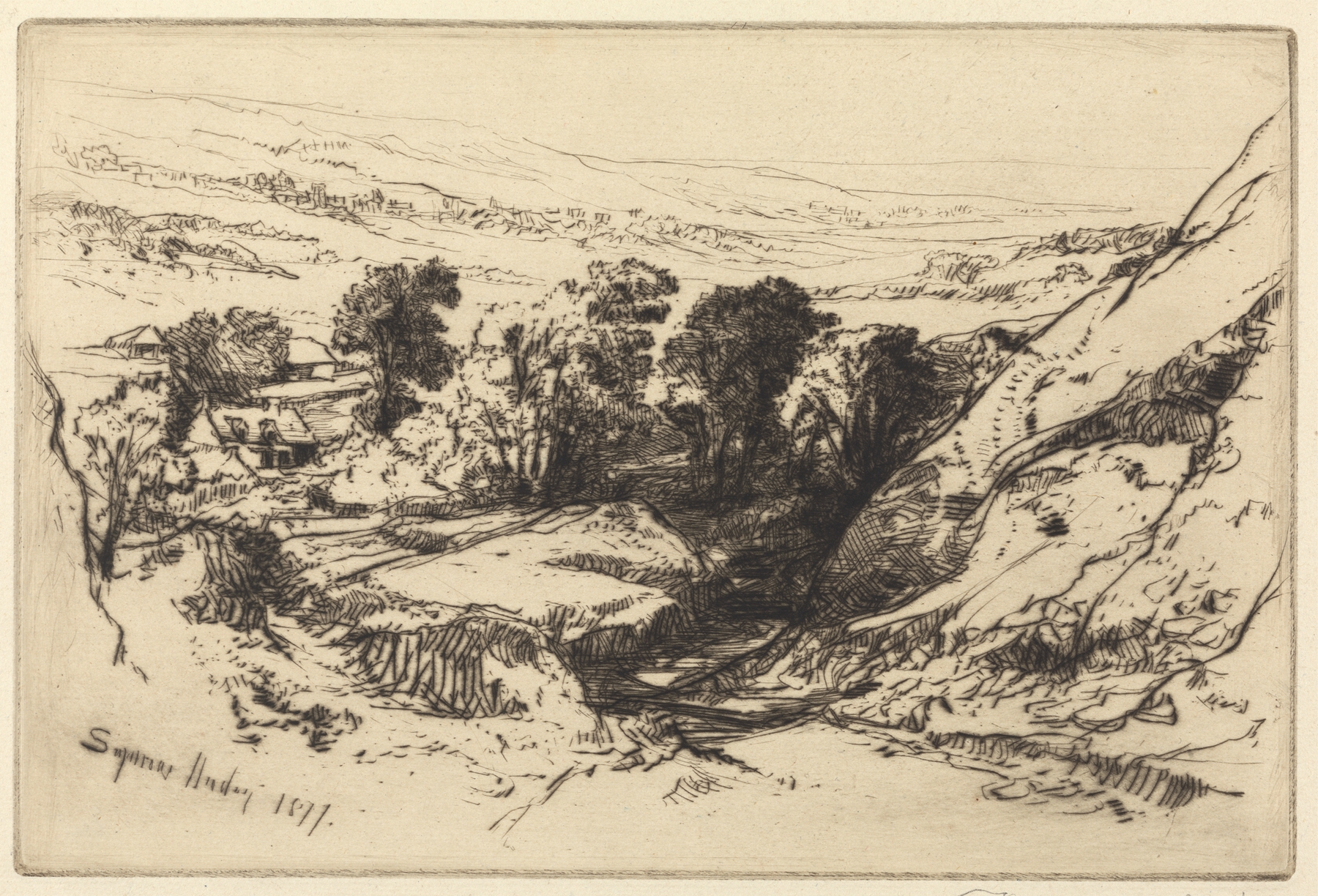
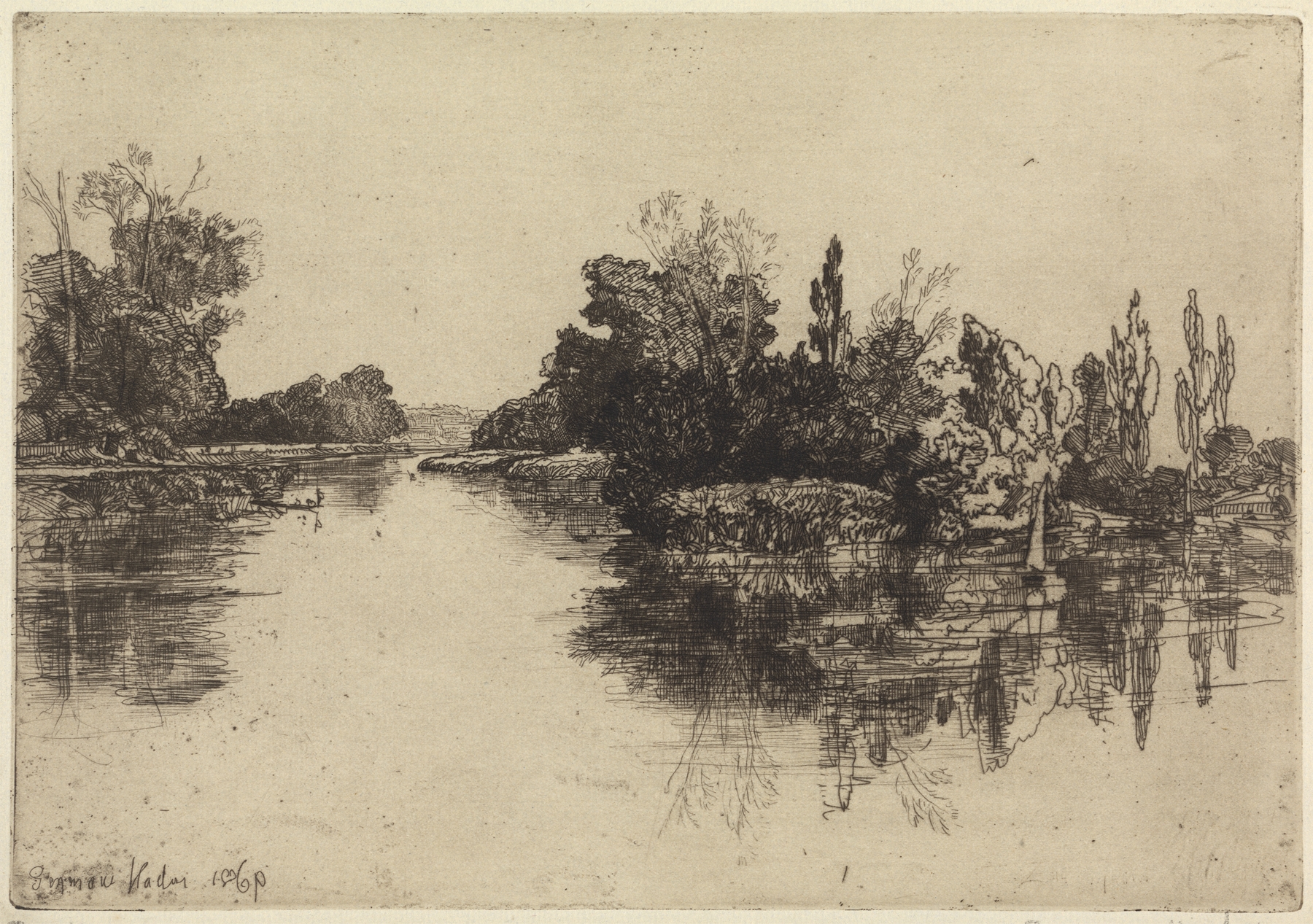
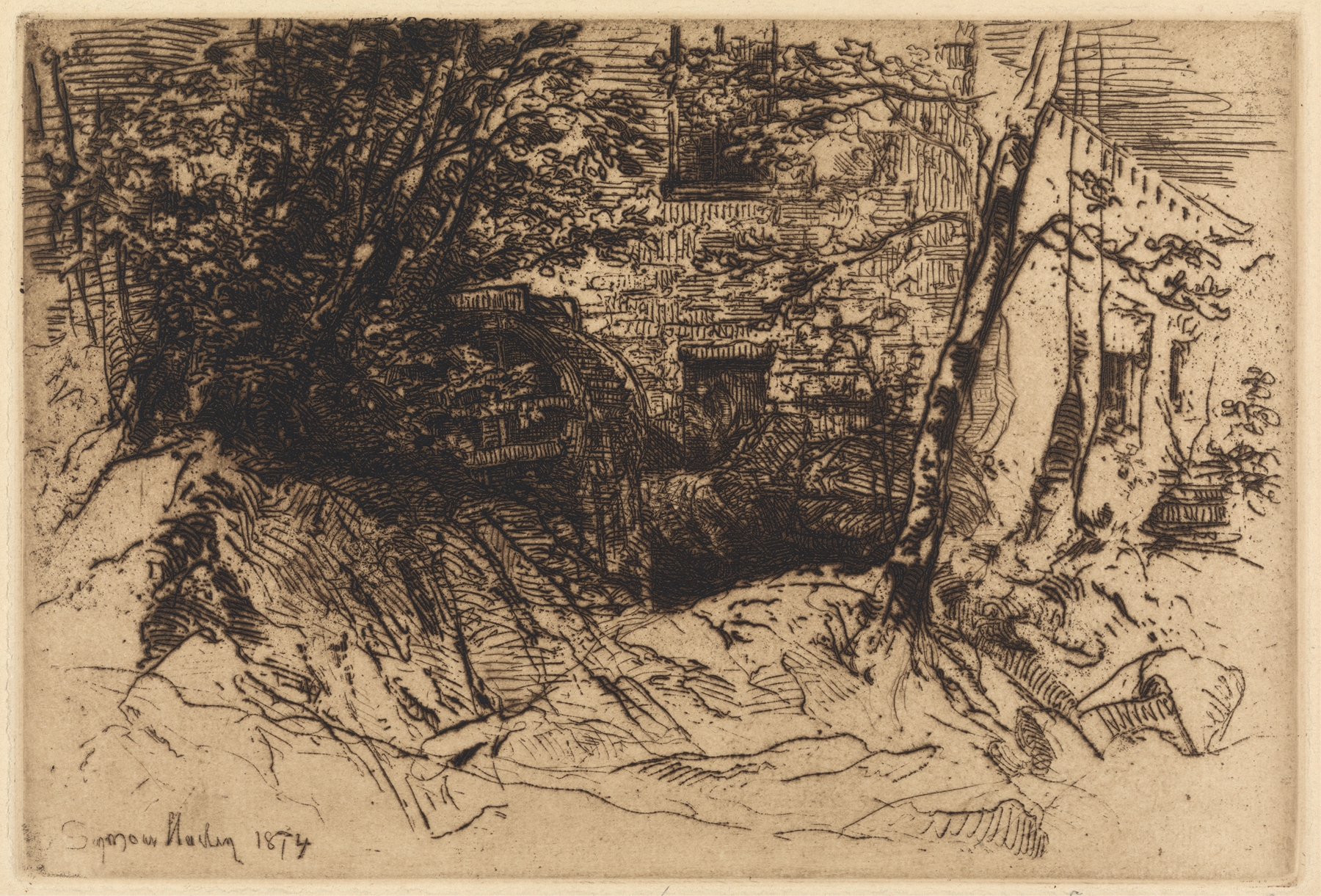
Could beauty survive in a century of chaos? In 1884, as the world danced on the brink of industrial upheaval, one artist captured the serene essence of nature's desire to endure against the tides of change. Look to the left at the gentle curve of the river, where serene waters reflect a tapestry of soft greens and rich browns. The brushstrokes are delicate yet deliberate, inviting you to trace the fluid movement of the current as it winds through the landscape. Notice how the dappled light filters through the trees, illuminating patches of underbrush that seem to pulse with life.
Each element is rendered with a careful precision, showcasing Haden's masterful technique in etching and his deep understanding of the natural world. As you delve deeper, consider the juxtaposition of tranquility and motion present in the composition. The stillness of the water contrasts with the swaying branches overhead, suggesting a yearning for peace amid the inevitable change that surrounds it. The distant hills appear almost shrouded, hinting at challenges beyond the idyllic scene, while the meticulous detail in the foreground beckons the eye to linger, evoking a sense of nostalgia and desire for simpler times.
During the creation of this piece, Francis Seymour Haden was grappling with the complexities of the emerging modern world while seeking solace in the beauty of nature. Living in England, he was a significant figure in the printmaking movement, contributing to the dialogue around landscape depiction against a backdrop of rapid industrialization. A Salmon River, no. 2 stands as a testament not just to his technical prowess, but to the longing for beauty that perseveres even as the world threatens to change irrevocably.