A Storm At Sea — History & Analysis
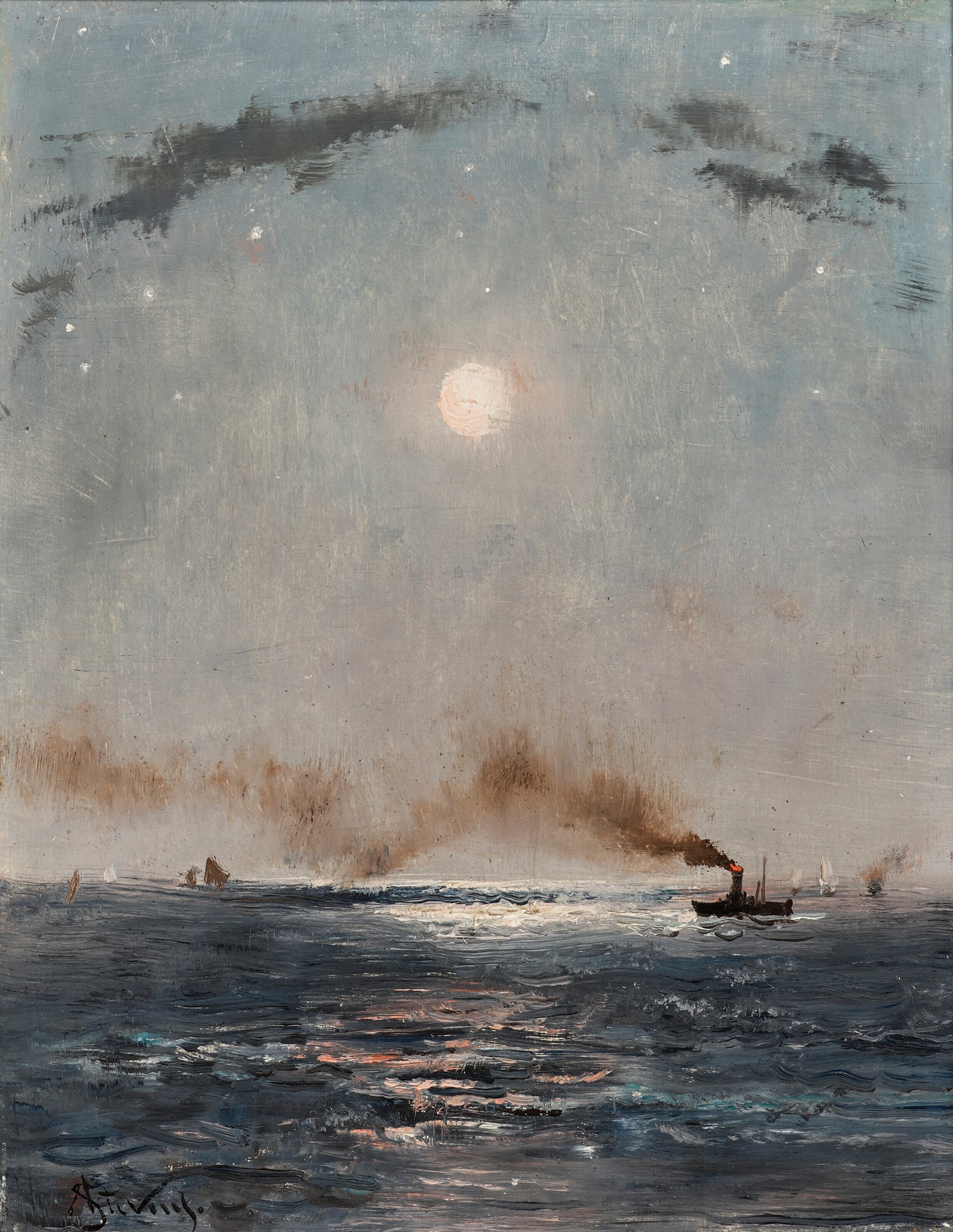
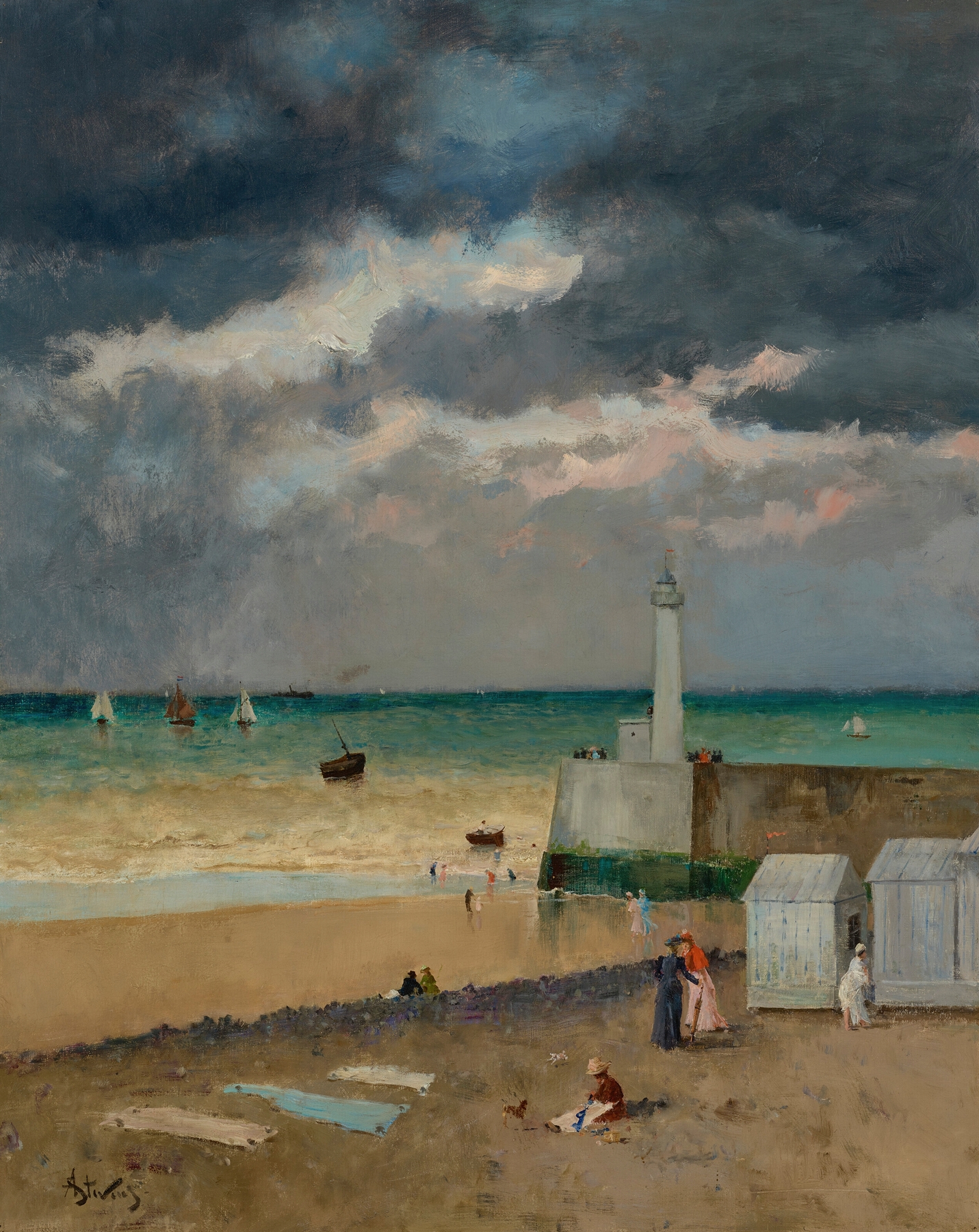
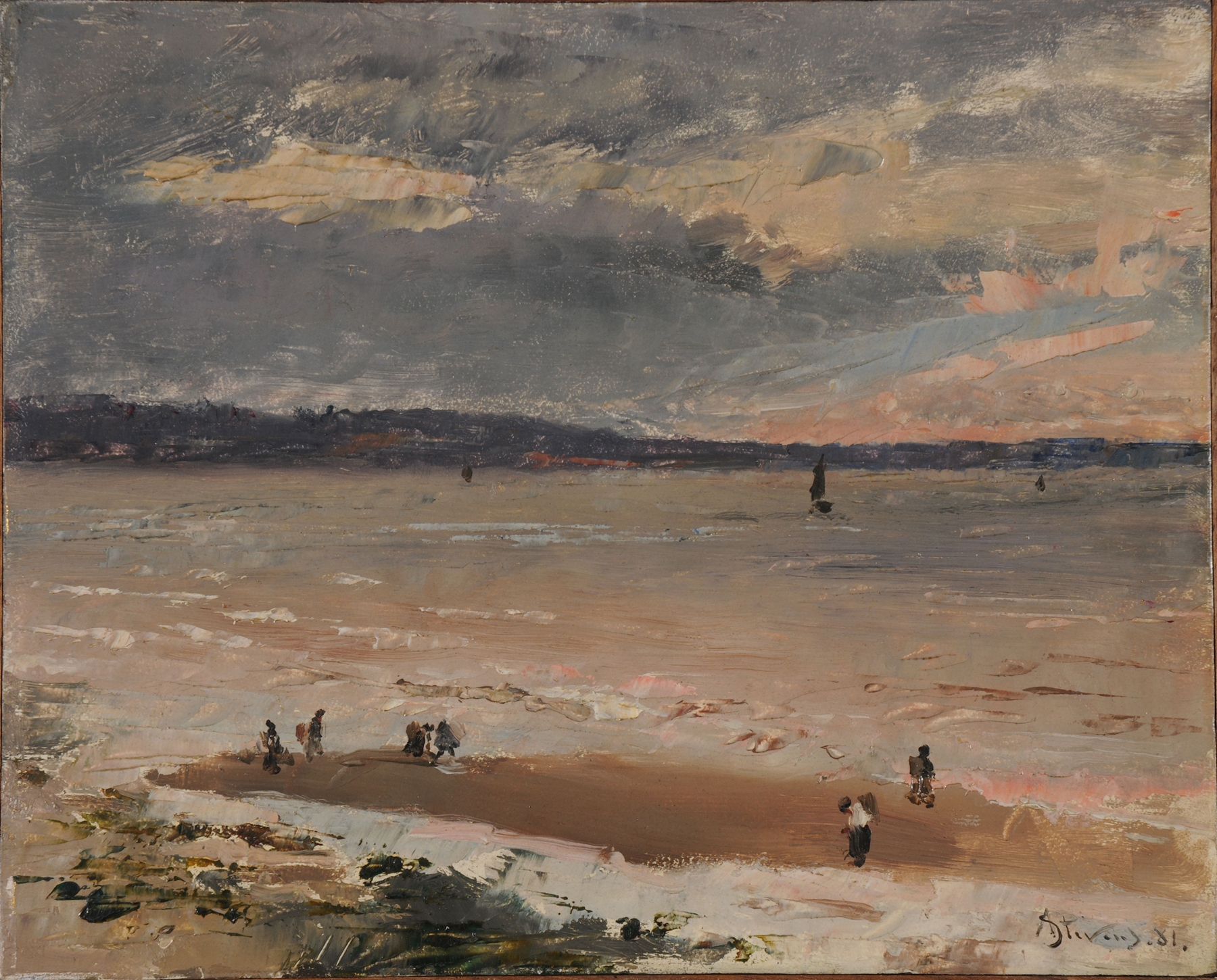
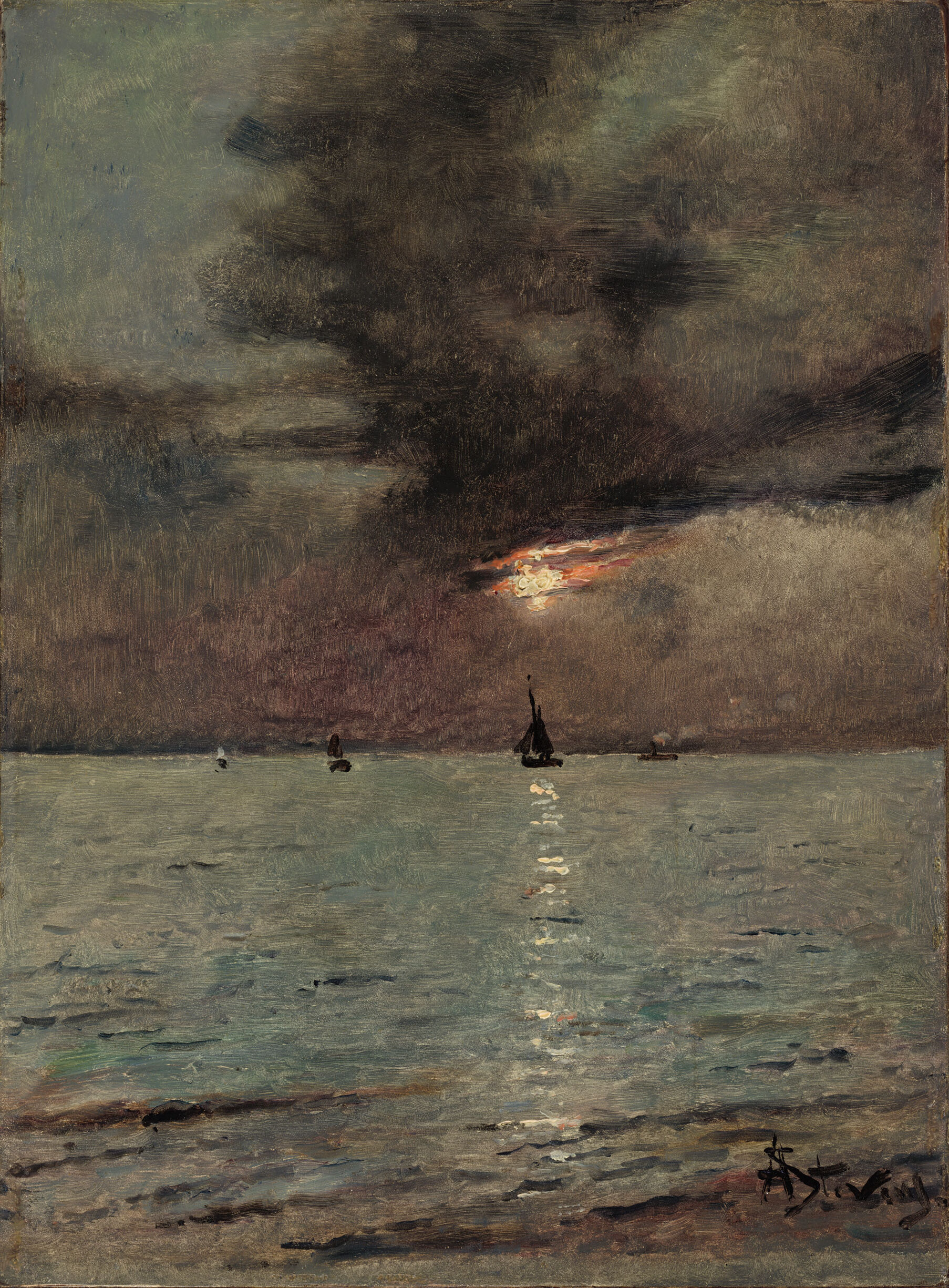
“Art reveals the soul when the world turns away.” In the tumult of life, we often seek solace in places where emotional landscapes are painted with brushstrokes that resonate deeply. A Storm At Sea encapsulates that quest for reflection amid chaos, inviting us to explore the depths of our own inner turmoil. Focus your gaze on the churning waves at the bottom of the canvas, where tumultuous cobalt swells crash against one another, each ripple embodying a fierce energy. Notice how the light dances upon the cresting waves, creating a stark contrast between dark shadows and flickers of white foam. In the center, clouds gather ominously, their varying shades of gray and black blending into a thick, almost oppressive atmosphere.
The chaotic arrangement of elements draws the viewer in, evoking both awe and trepidation. Within this tempestuous scene lies a tension between nature's ferocity and the possible calm that follows. The tumultuous waters can symbolize internal conflict or emotional upheaval, reflecting the struggles we often face in life. The looming clouds suggest impending change—uncertainty that may lead to destruction or transformation.
The painting compels viewers to confront their own fears, echoing the dichotomy of chaos and clarity inherent in both art and existence. Alfred Stevens painted this during an uncertain period marked by personal and societal upheaval. Active in the mid-19th century, he navigated the shifting tides of Romanticism and Realism, often exploring themes of emotion and the human condition. In a world rapidly evolving through industrialization and social change, his work sought to articulate the often-unseen emotional landscapes that lie beneath the surface of human experience.