Le Tréport — History & Analysis
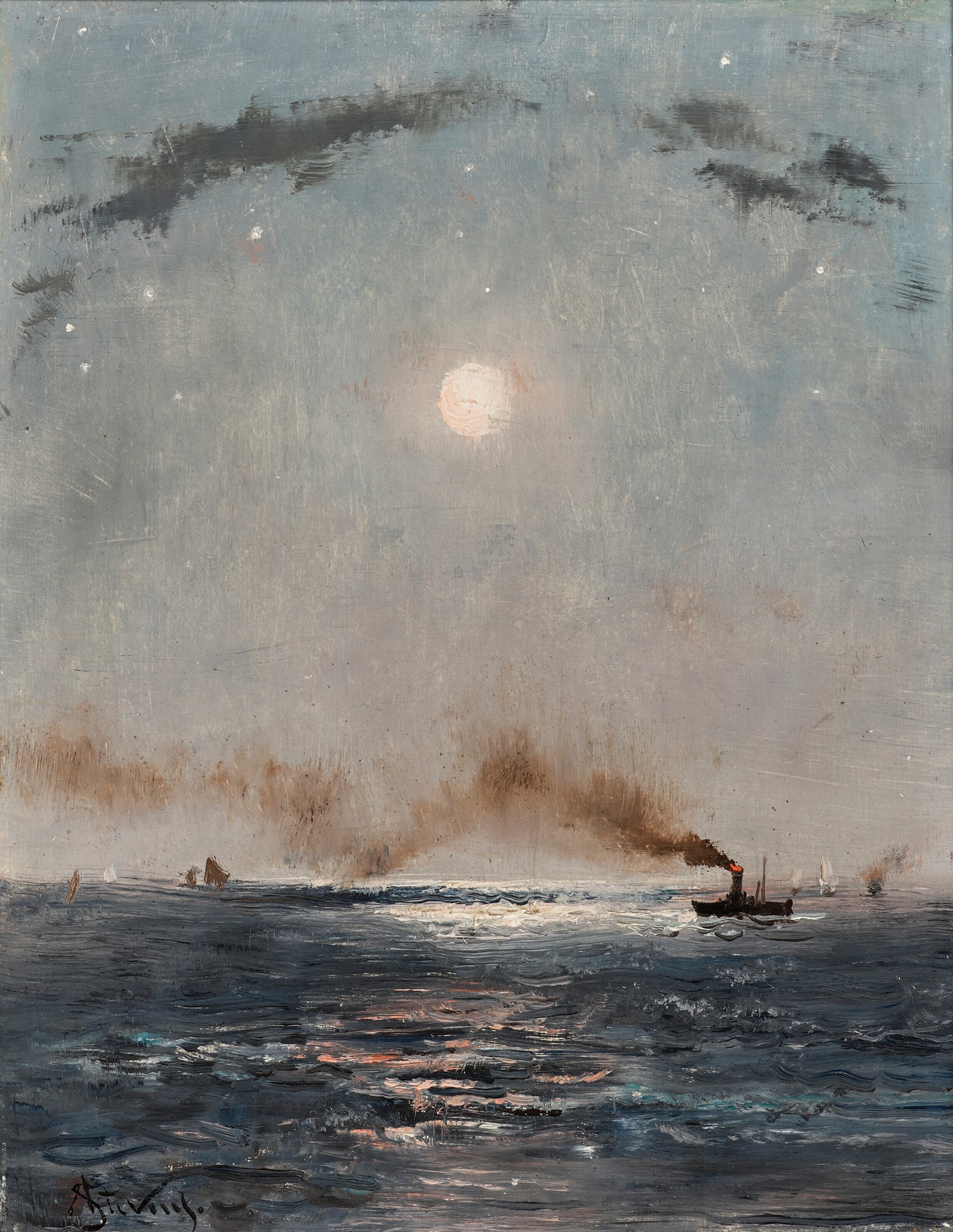
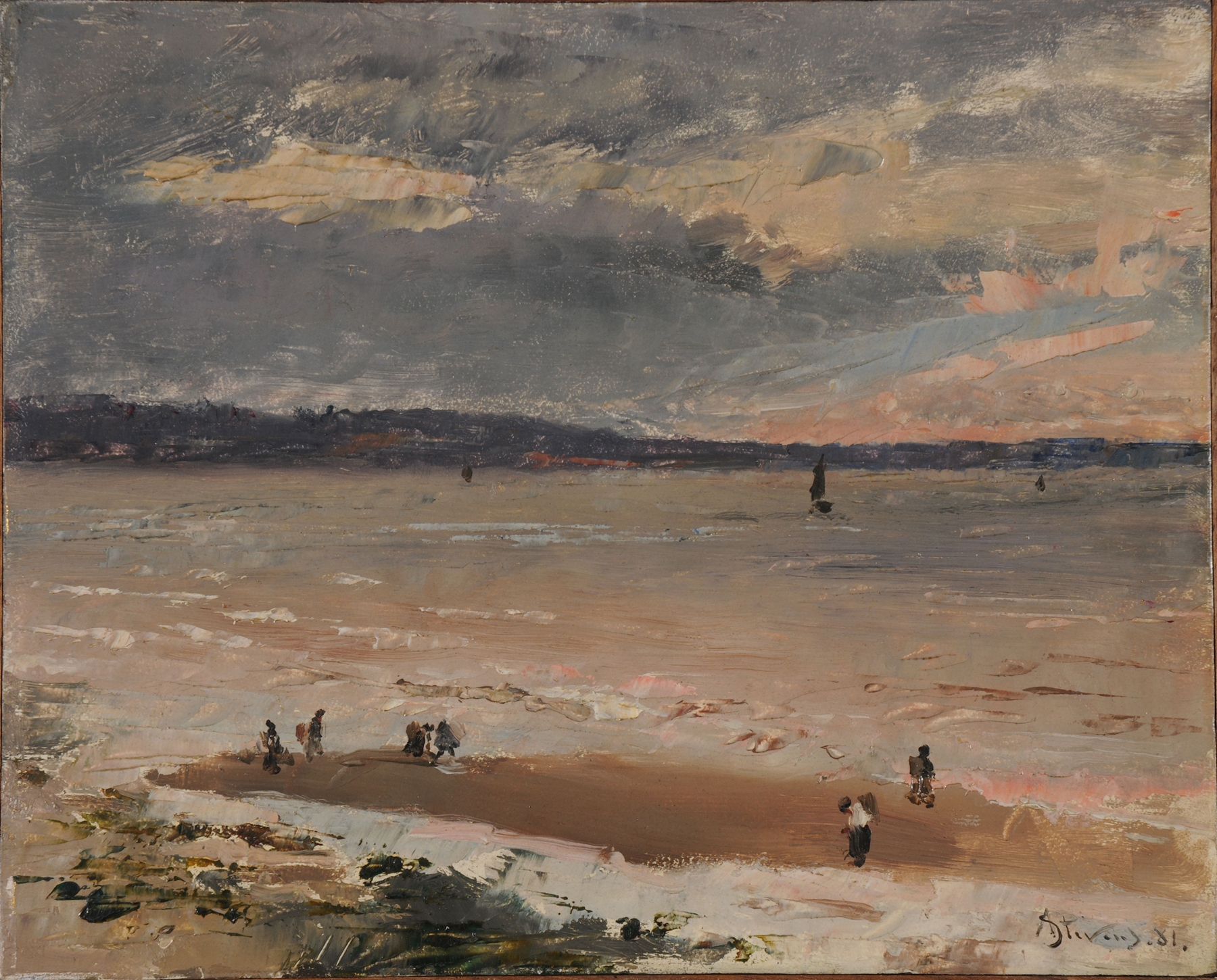
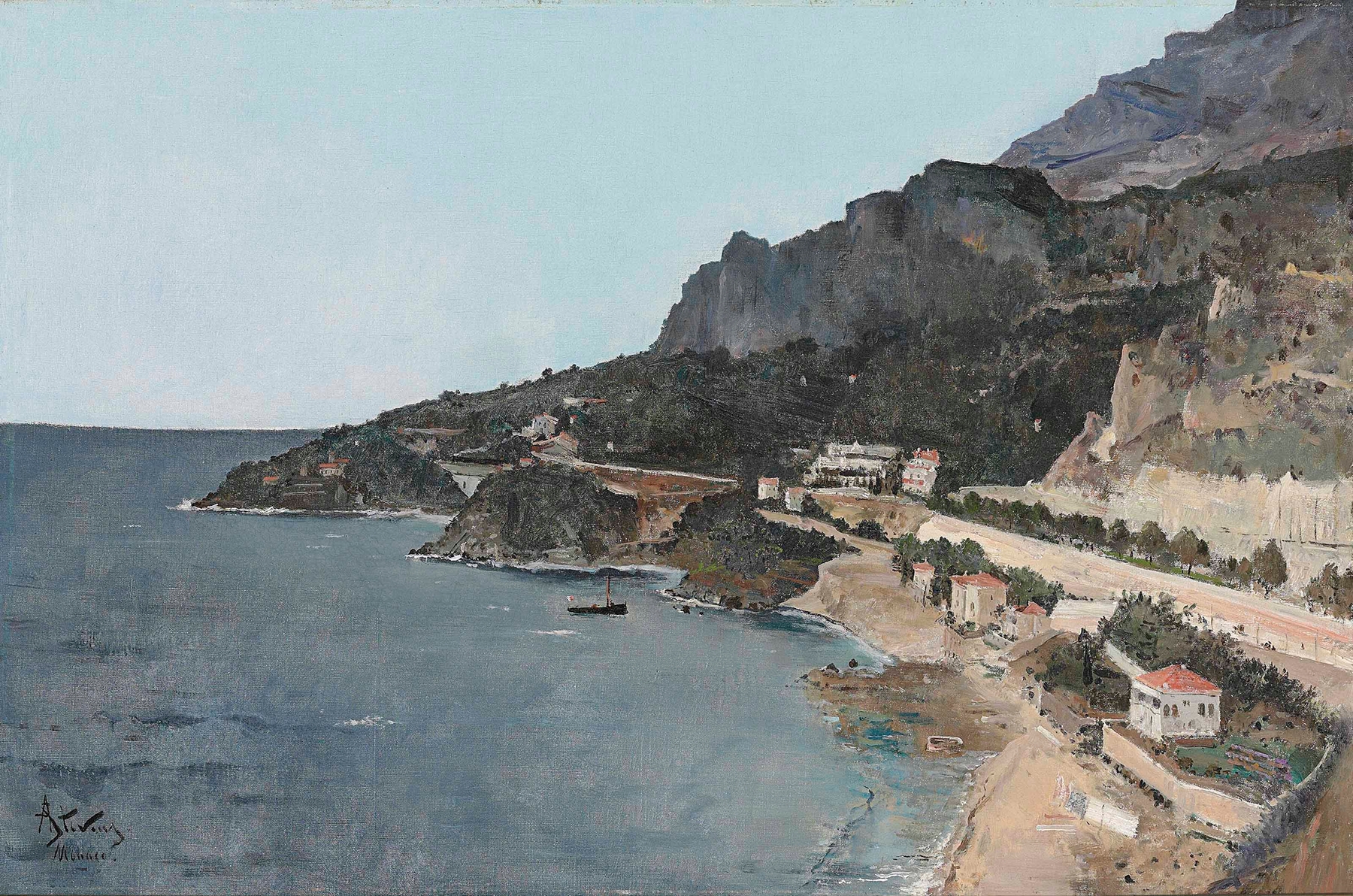
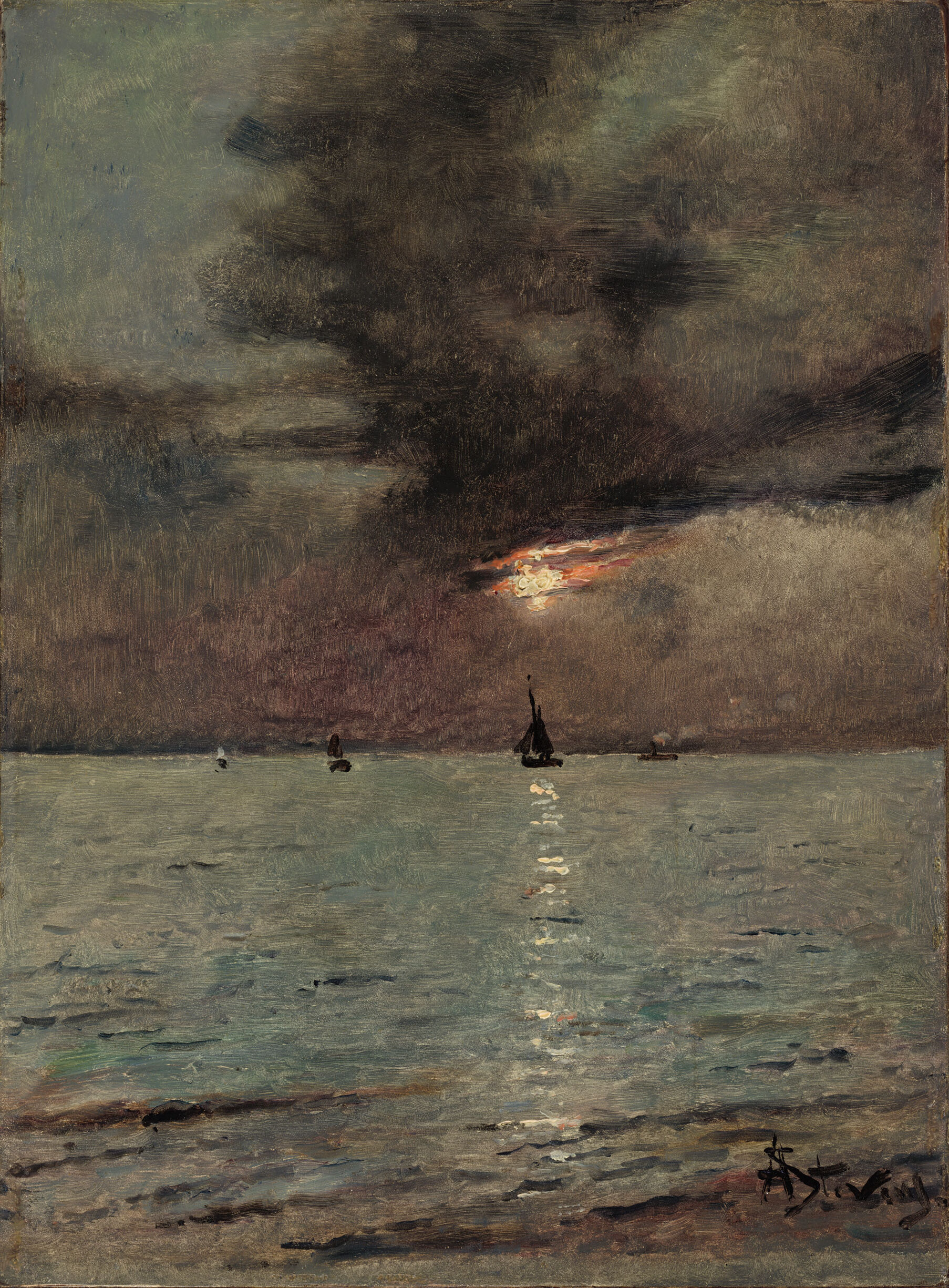
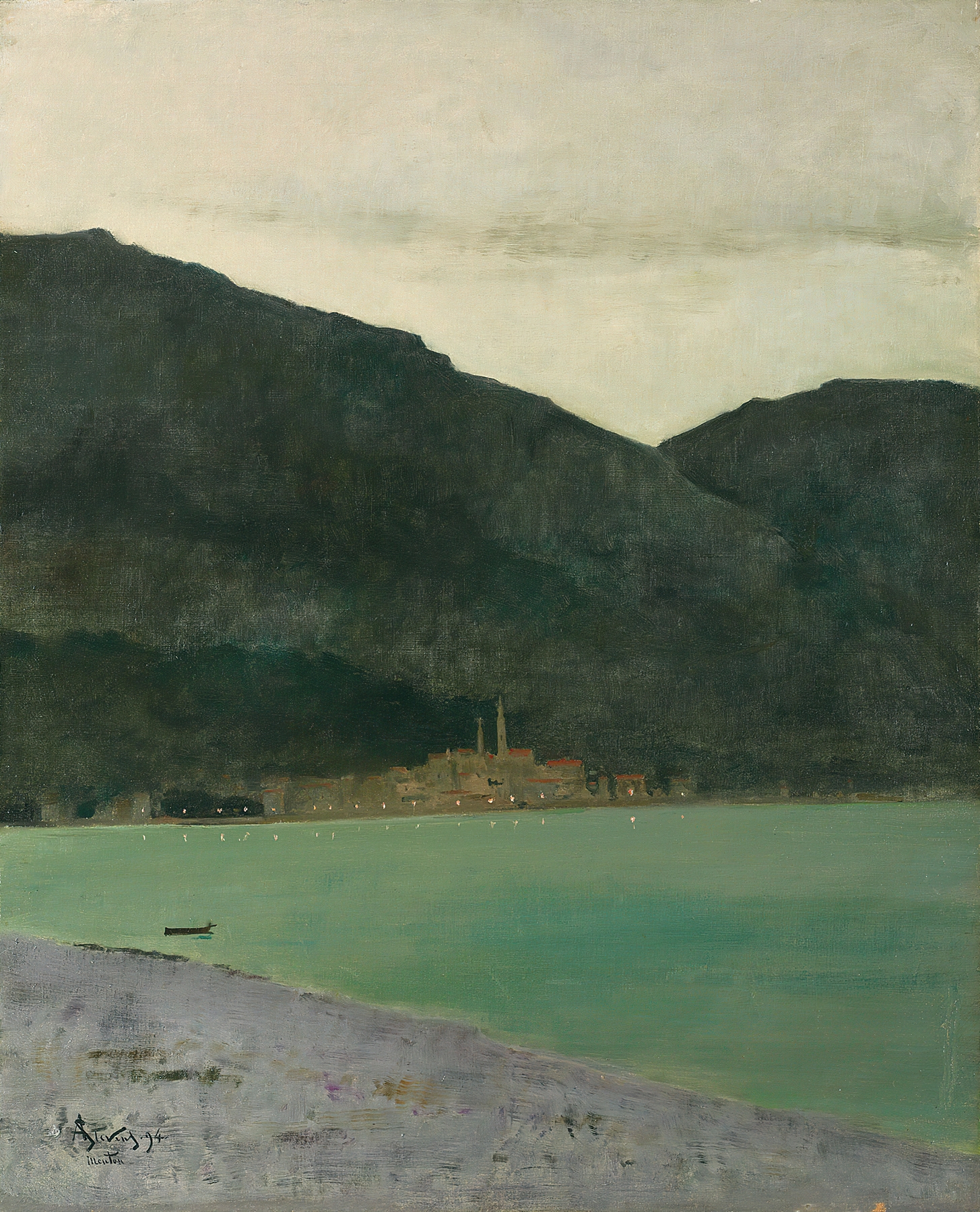
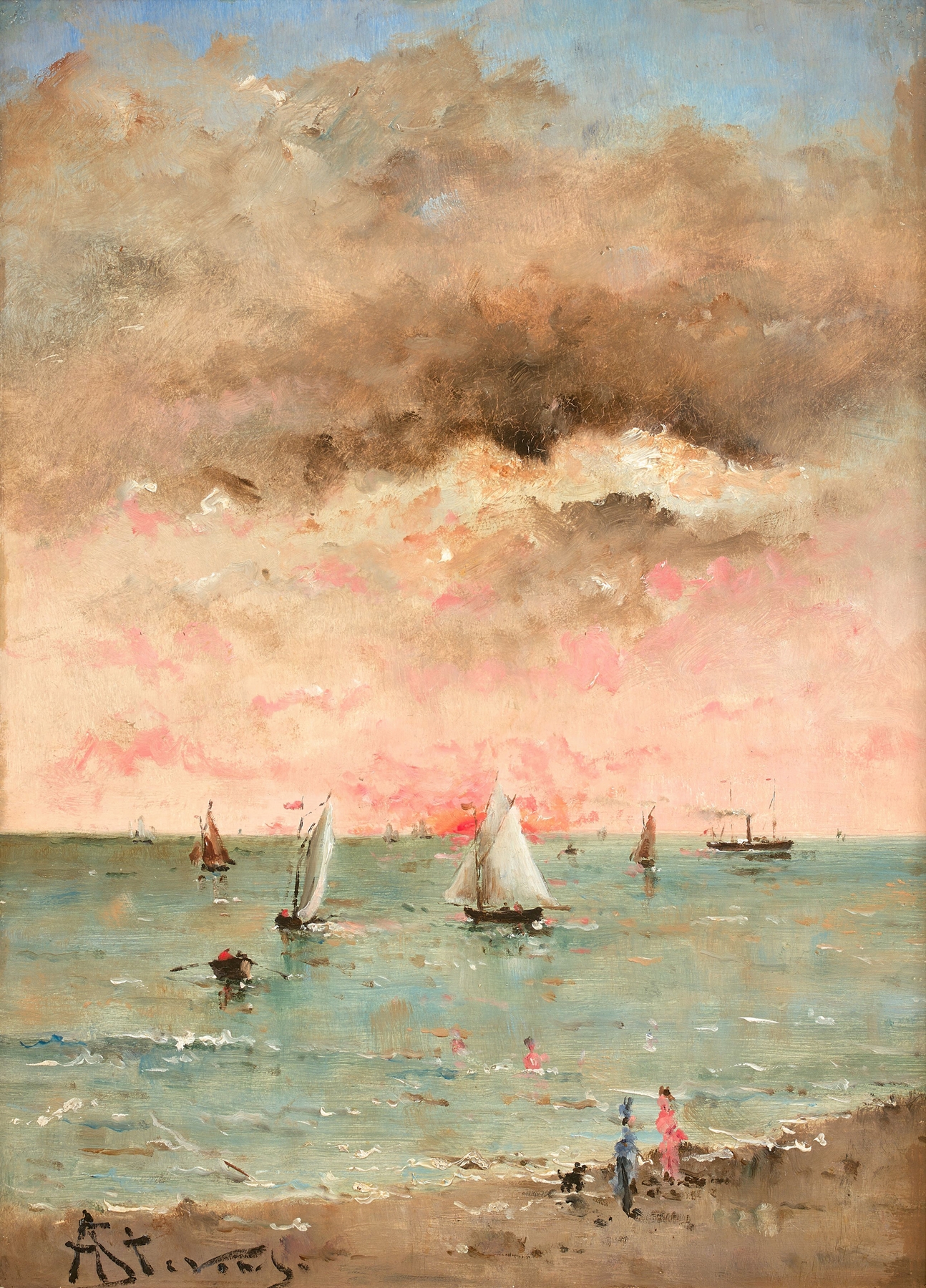
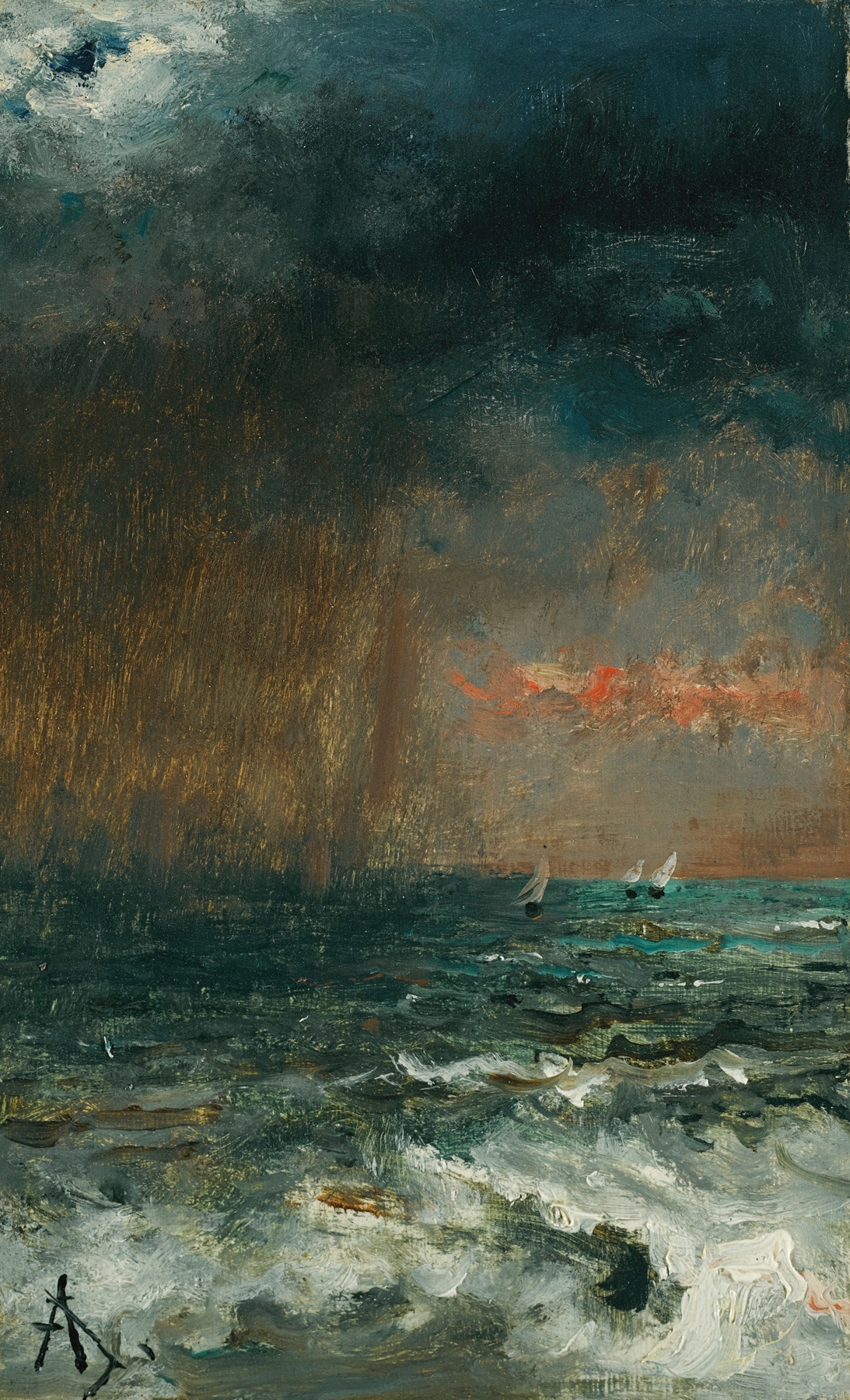
What secret hides in the quiet of the canvas? In the stillness of Le Tréport, a serene coastal scene unfolds, inviting contemplation and reflection. The muted hues and gentle brushstrokes whisper stories of solitude and peace, drawing the viewer into a world that is strikingly still yet teeming with unspoken emotion. Look to the left at the figure standing on the cliff’s edge, draped in a soft, flowing garment that flutters gently in the breeze.
Notice how the light bathes the rocks below, contrasting their rugged texture with the delicate pastels of the sky. The composition is balanced yet dynamic, as the horizon line seems to stretch infinitely, while the painter's meticulous attention to detail brings each element — from the waves lapping at the shore to the distant sails — to life. There is a palpable tension between the figure and the vastness of the sea, hinting at a longing or a moment of introspection. The interplay between light and shadow suggests an impending change, the quiet before a storm.
Additionally, the soft, muted palette evokes a sense of nostalgia, inviting the viewer to ponder what emotions linger beneath the surface. Created in 1890, this work emerged during a time when Alfred Stevens was recognized for his depictions of serene landscapes and figures. His artistic practice was rooted in the Impressionist movement, yet he maintained a distinct focus on capturing intimate, contemplative moments. At this time, he was living in Paris, amidst a vibrant art scene that championed innovation and emotional depth, influencing the way he approached his canvases.