Seascape — History & Analysis
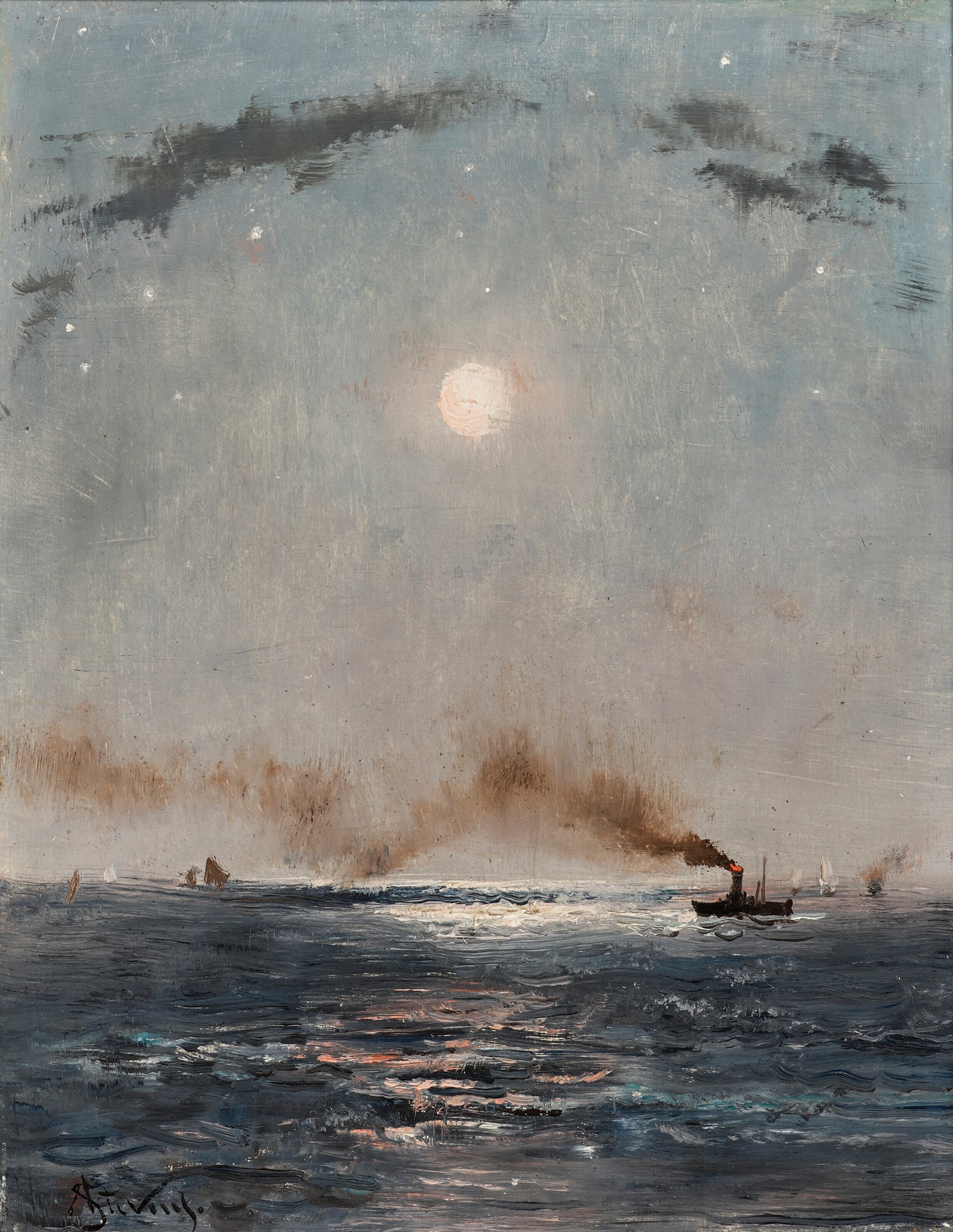
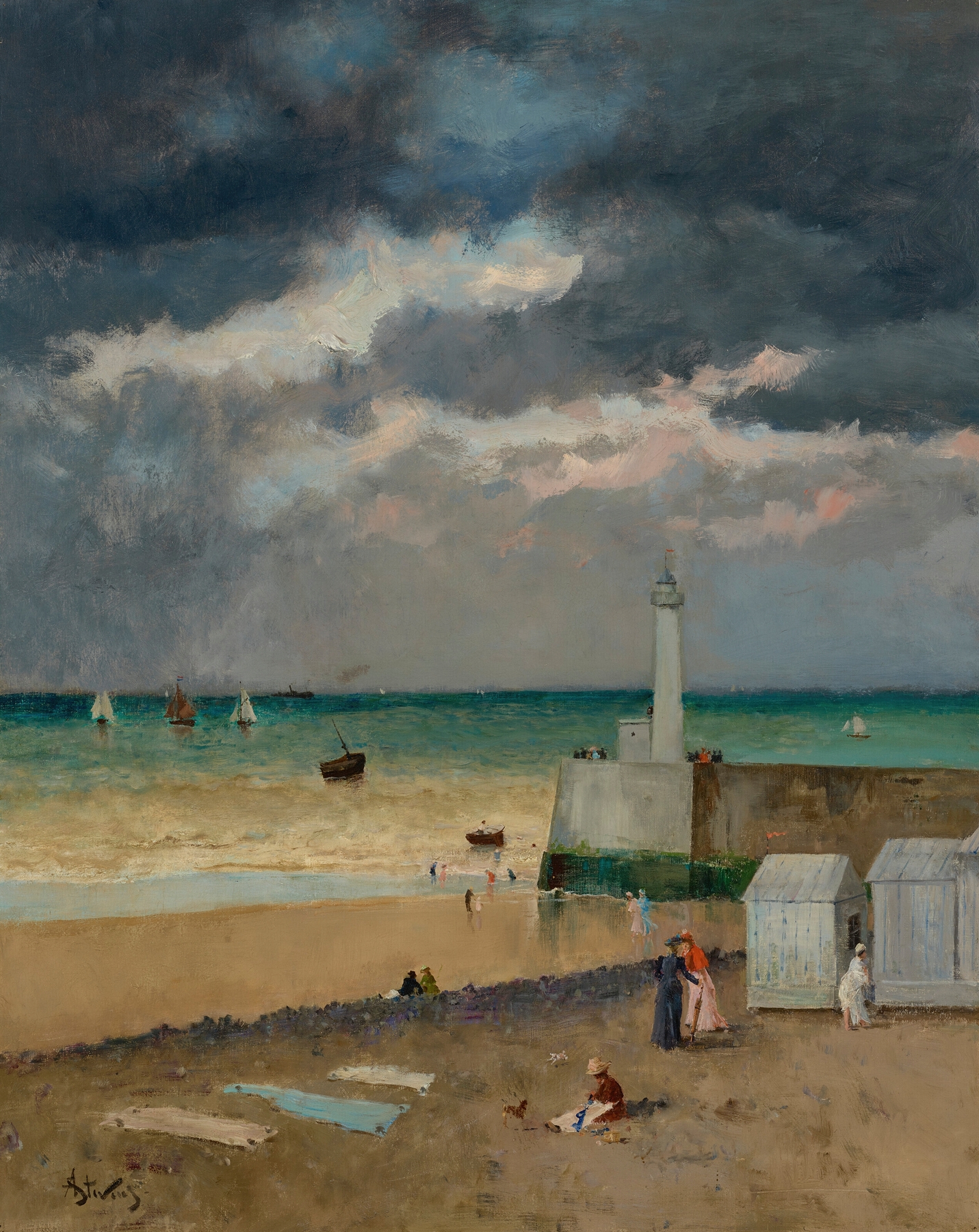
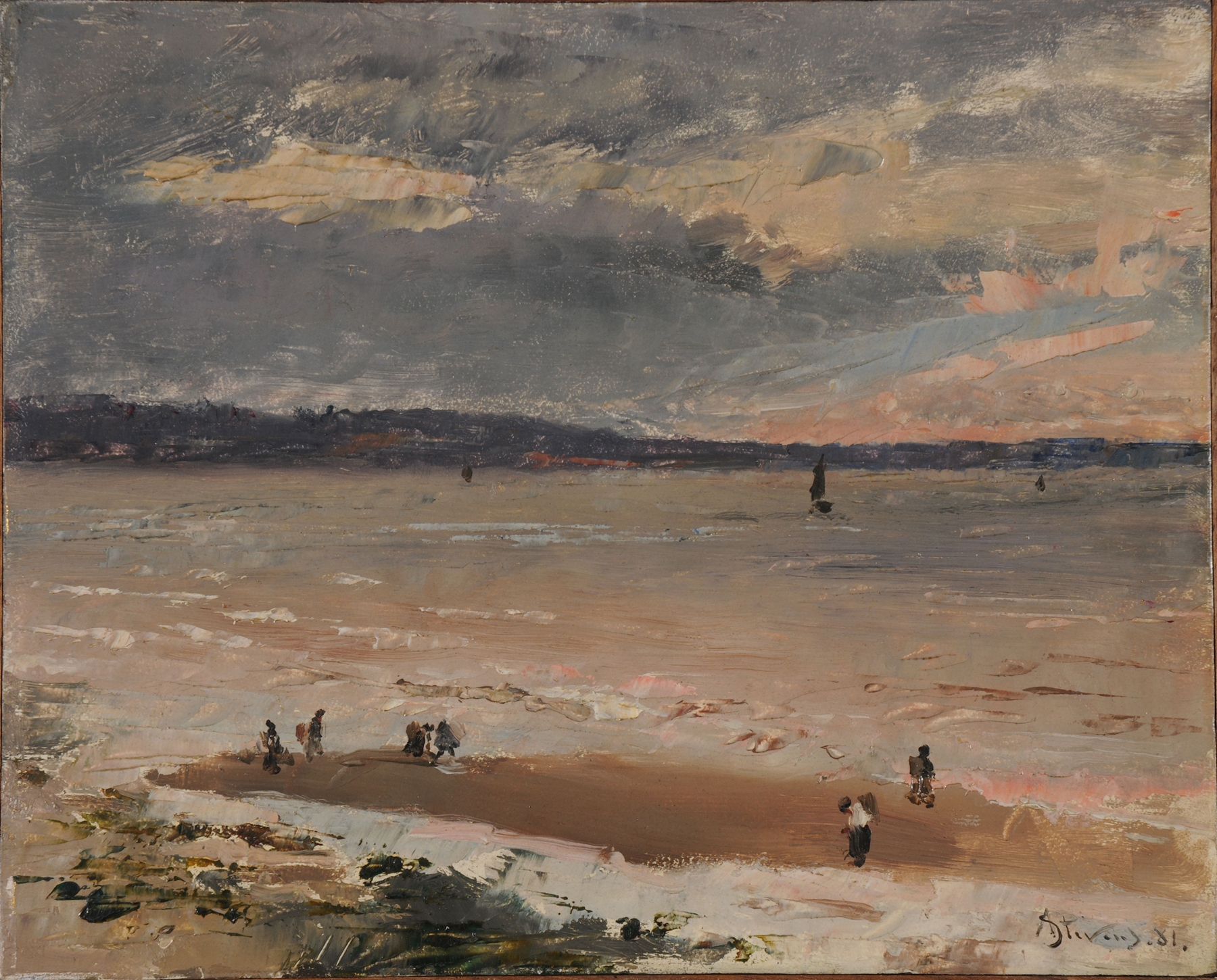
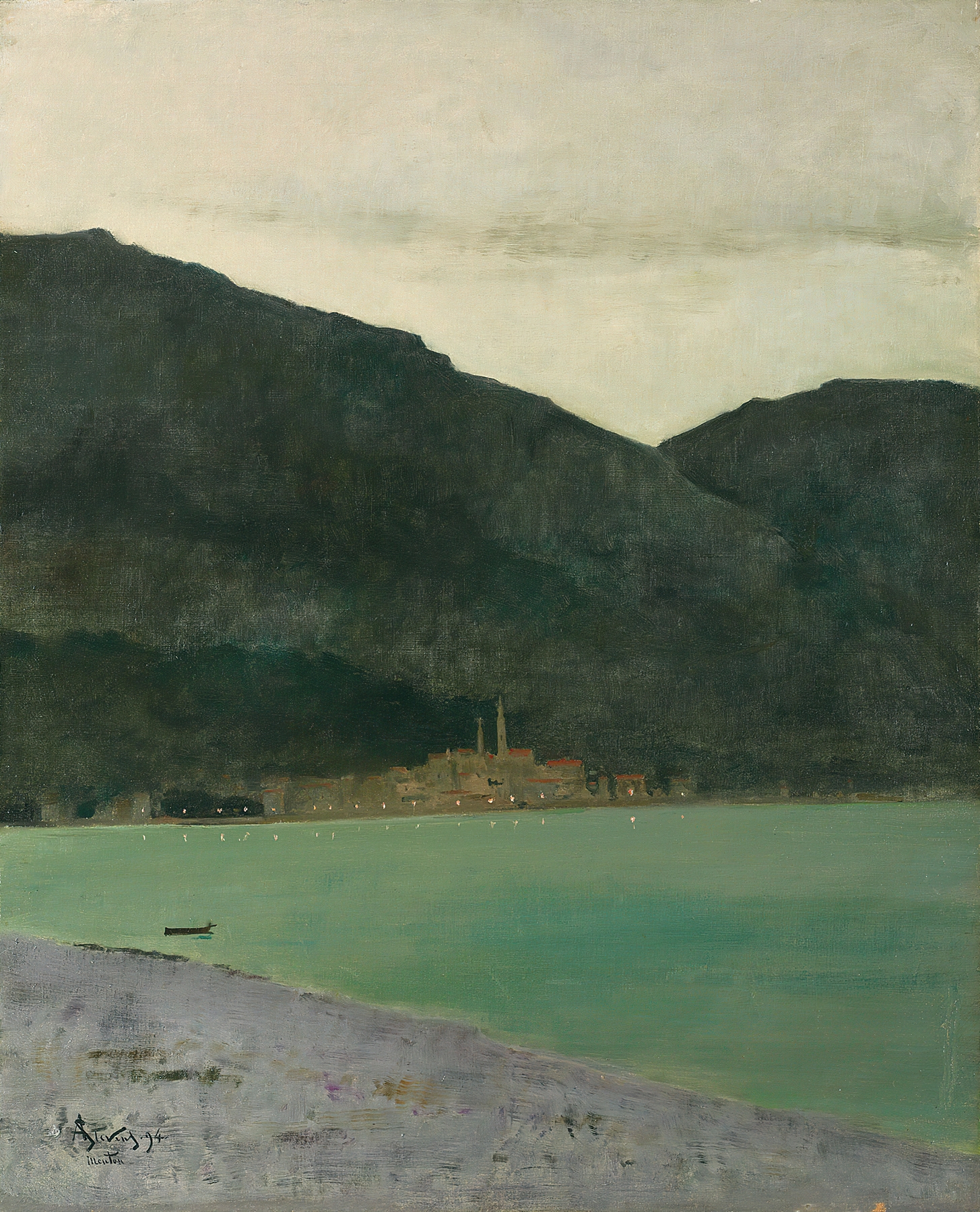
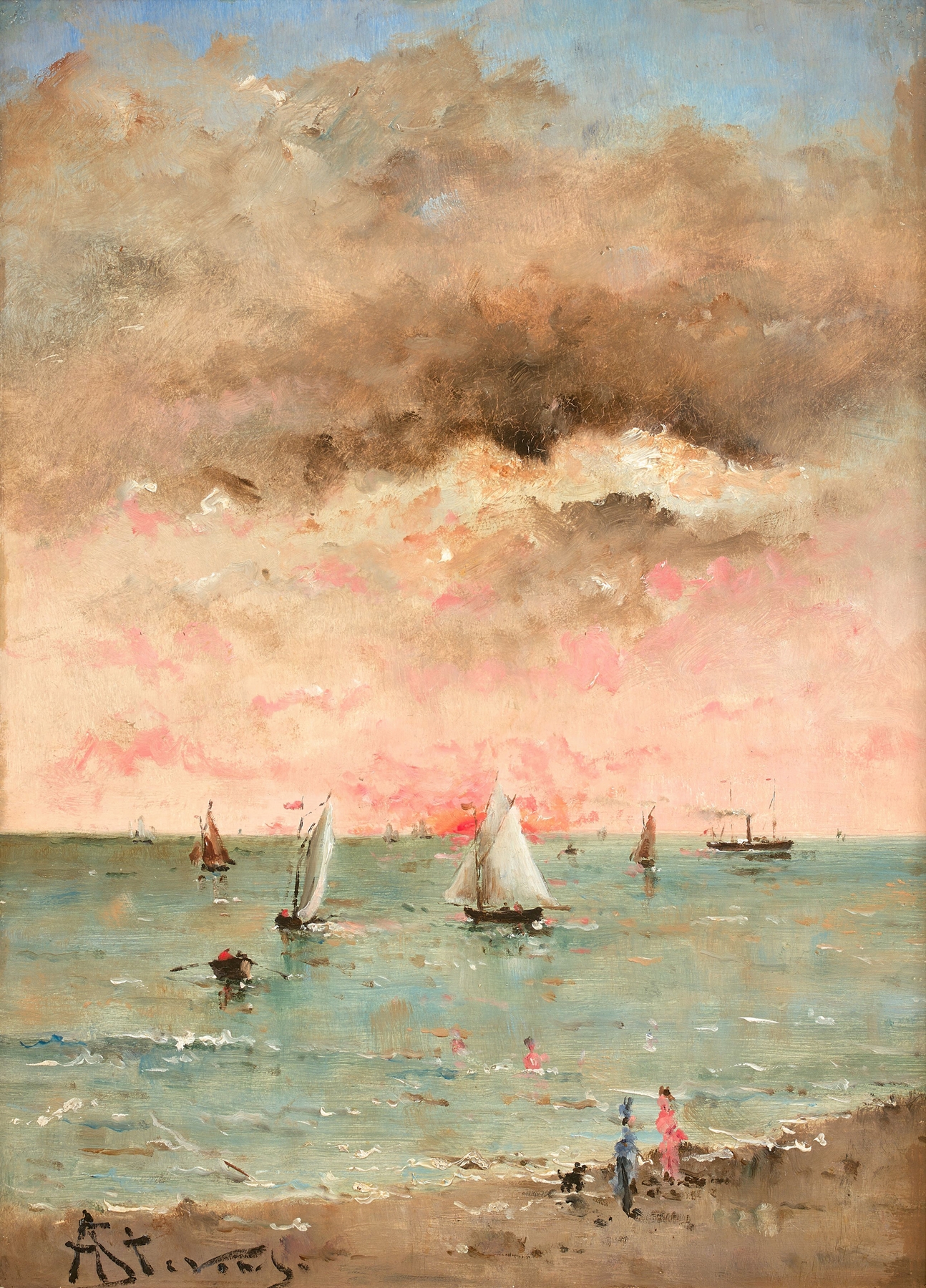
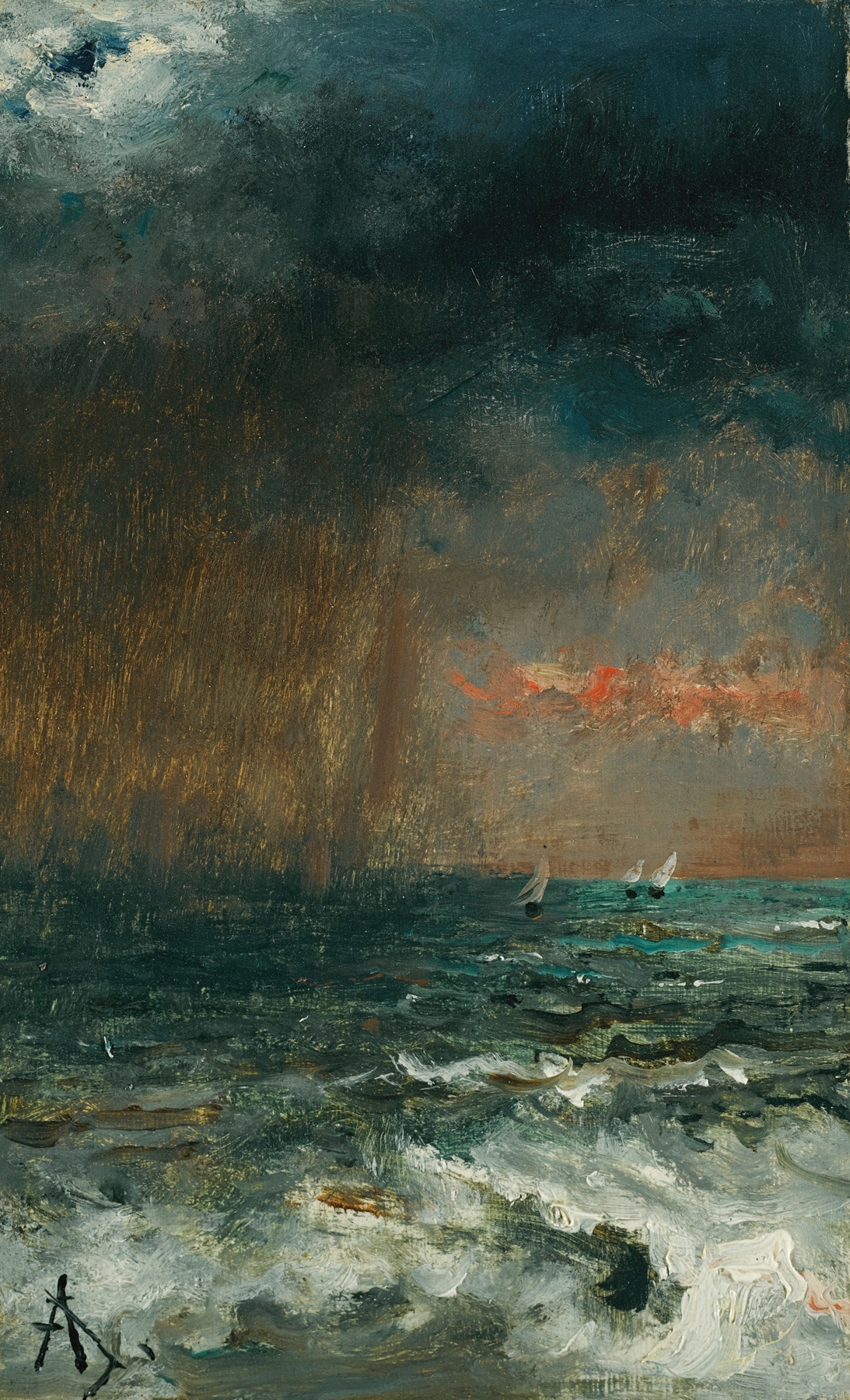
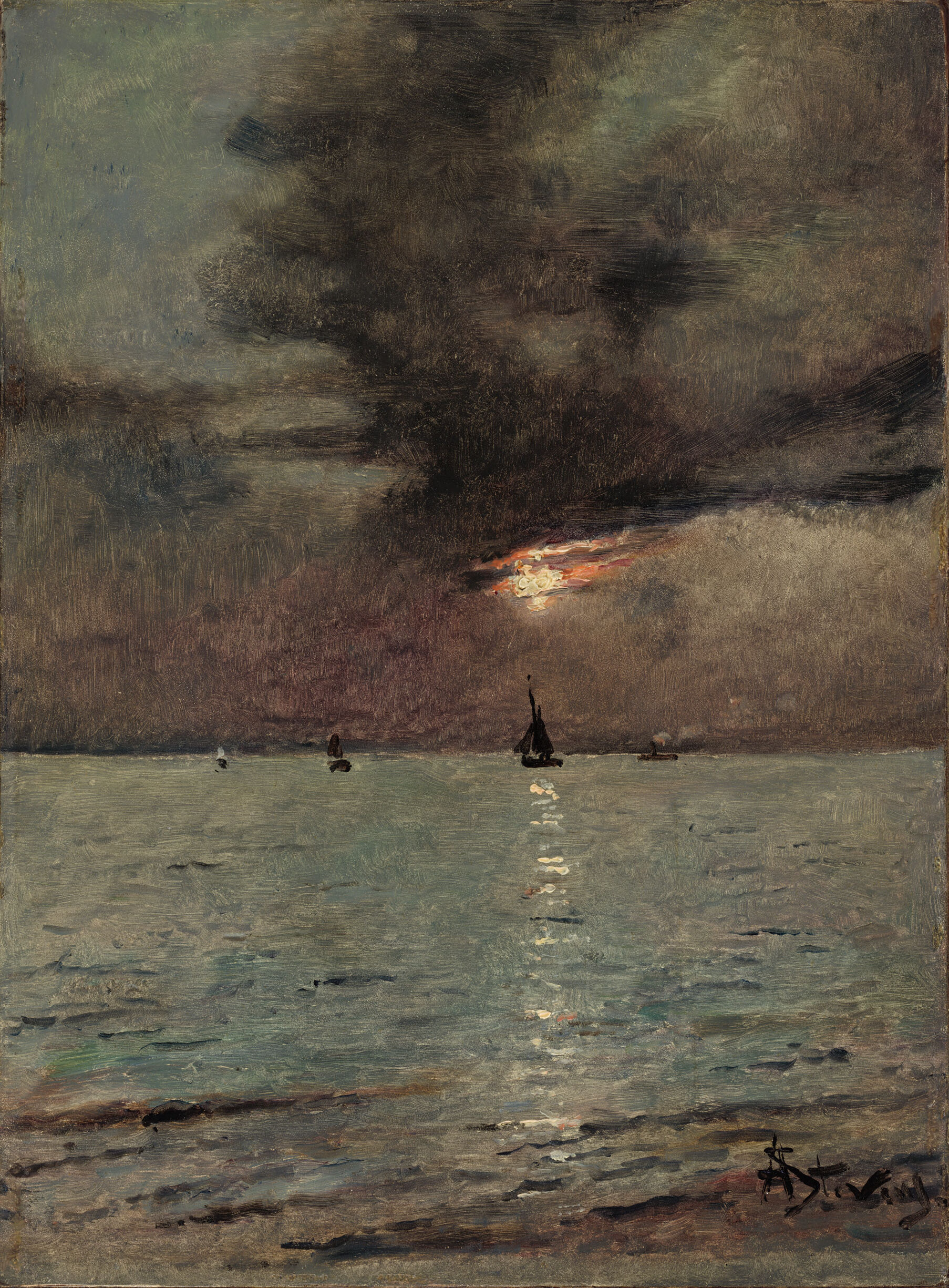
What if silence could speak through light? In Seascape, the delicate interplay of hues captures the profound awe of nature, inviting viewers to reflect. Look to the horizon where the sun kisses the ocean's surface, creating a golden pathway that draws the eye. The gentle brushstrokes depict shimmering waves, each ripple infused with a palette of blues and greens that evoke both tranquility and movement. Notice how the clouds, drifted and soft, are suffused with a warm glow, hinting at the day's end.
This composition balances the vastness of the sea with the intimacy of the shoreline, evoking a sense of peace amidst the infinite. Delve deeper into the hidden meanings within this artwork. The contrasting calm of the water and the tumultuous sky suggests an emotional tension, an unspoken dialogue between serenity and the impending storm. The gentle waves cradle the light, embodying a moment between chaos and order; here, nature's sublime beauty speaks of both fragility and permanence. This contrast invites reflection on the impermanence of life, echoing the artist's belief in the transcendence found within fleeting moments.
Alfred Stevens painted Seascape during a period of personal and artistic exploration, between 1880 and 1906, in Belgium. The art world was shifting towards Impressionism, where light and color became paramount. Stevens, intrigued by this movement, sought to capture the ephemeral beauty of nature, finding a delicate balance between realism and the impressionistic style that defined the era. His work reflects both the influences of his contemporaries and his unique vision, positioning him as a significant figure in the landscape of late 19th-century art.