Menton, presque la nuit, 2è impression — History & Analysis
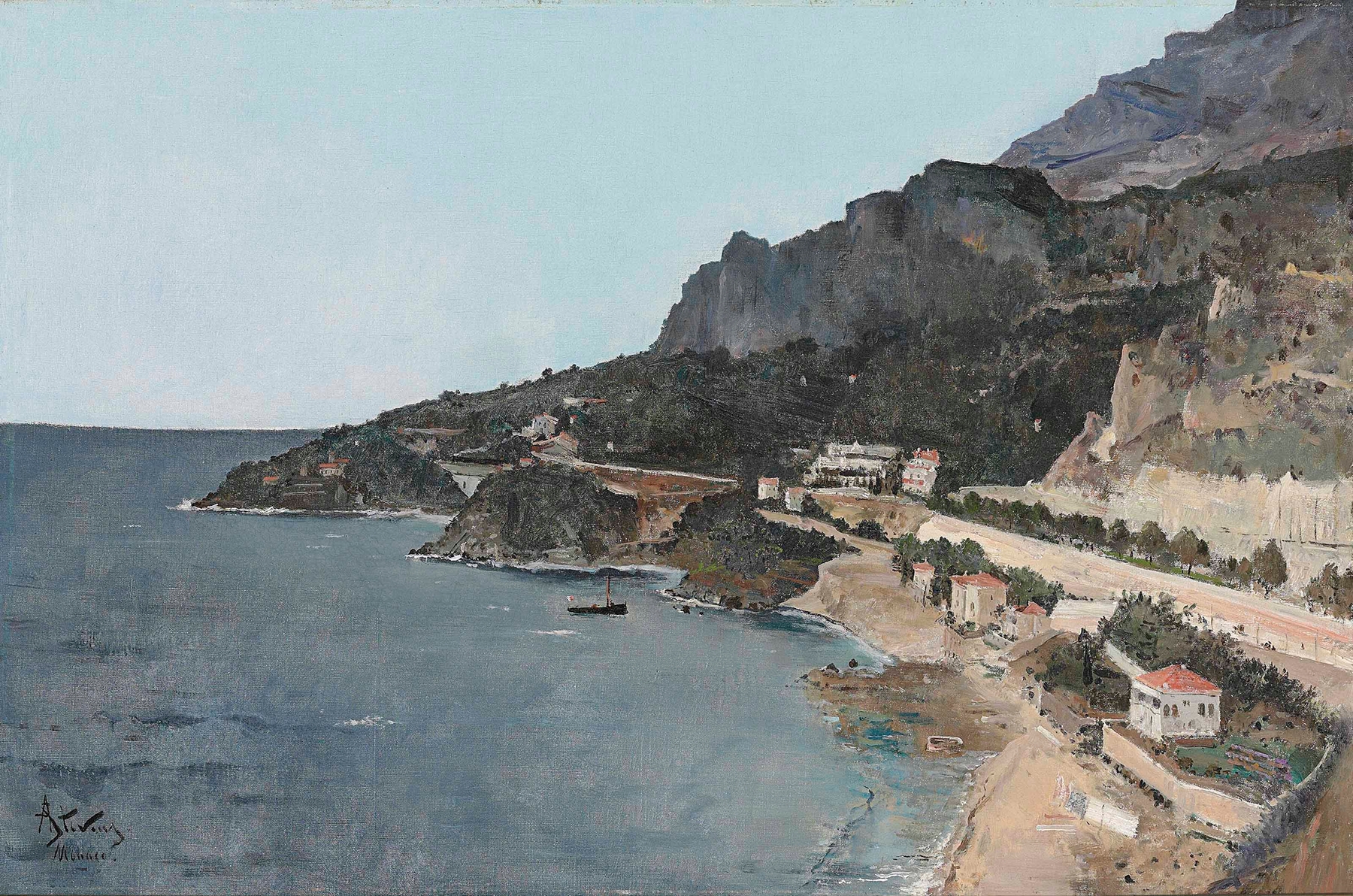
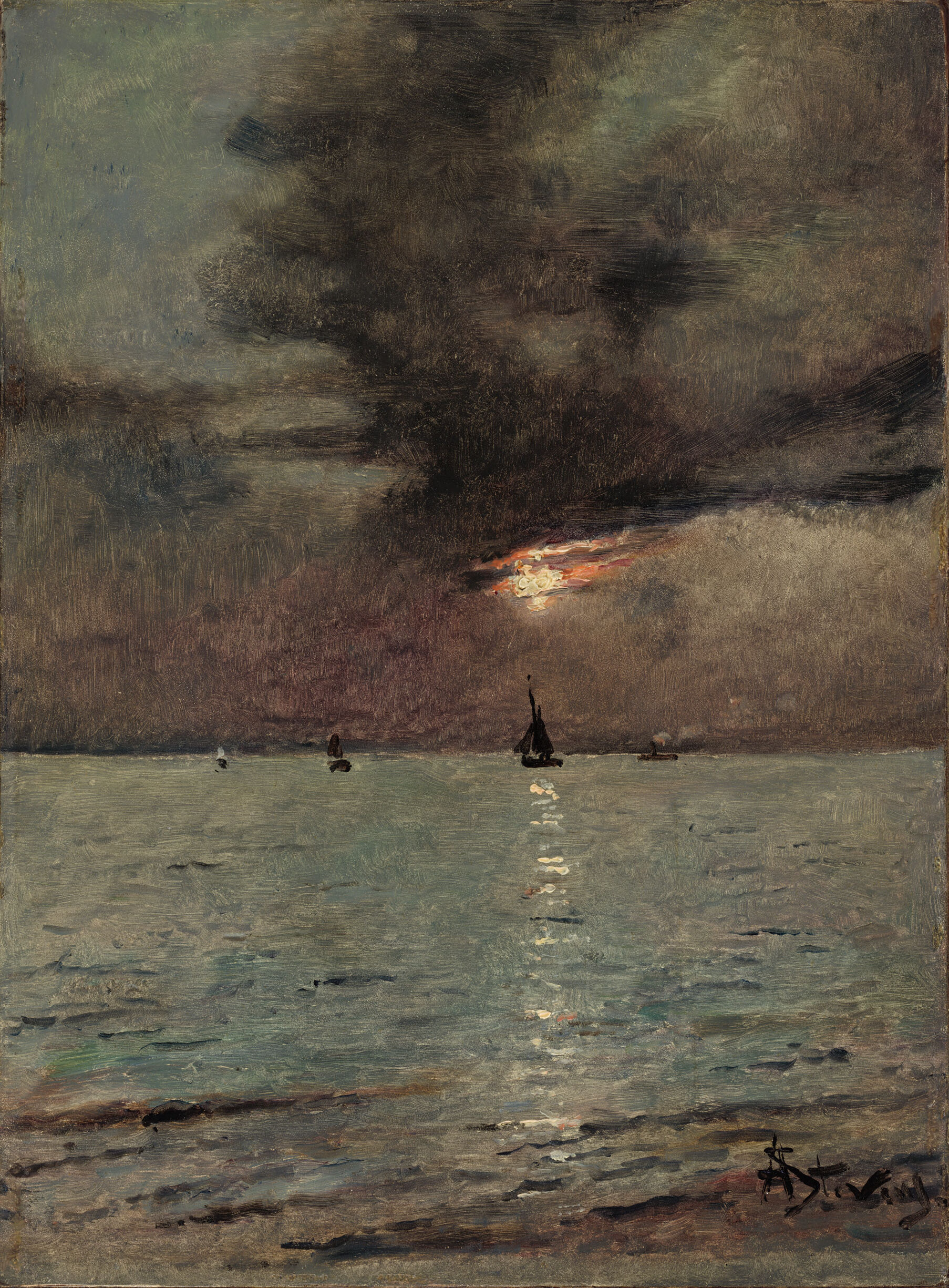
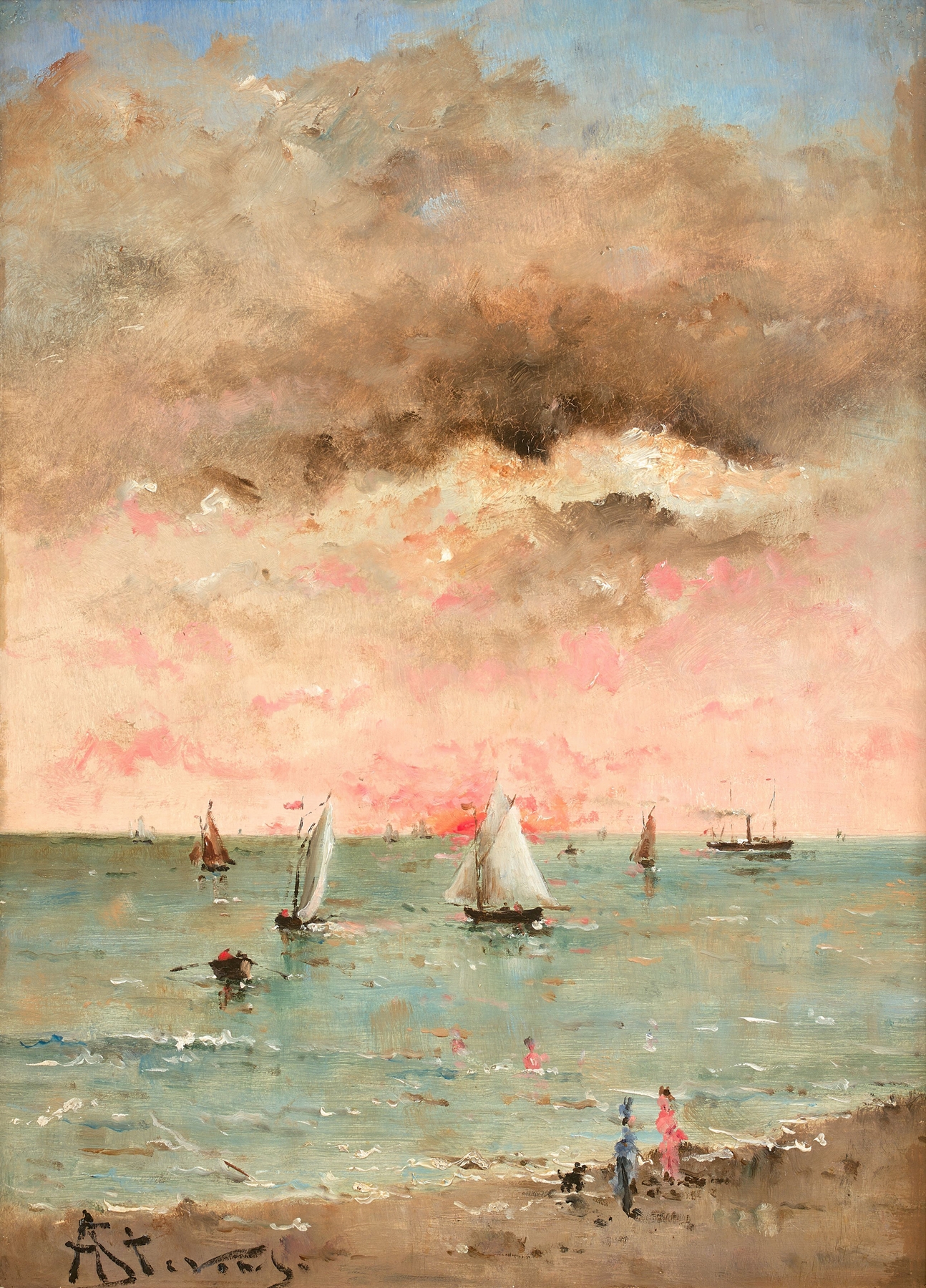
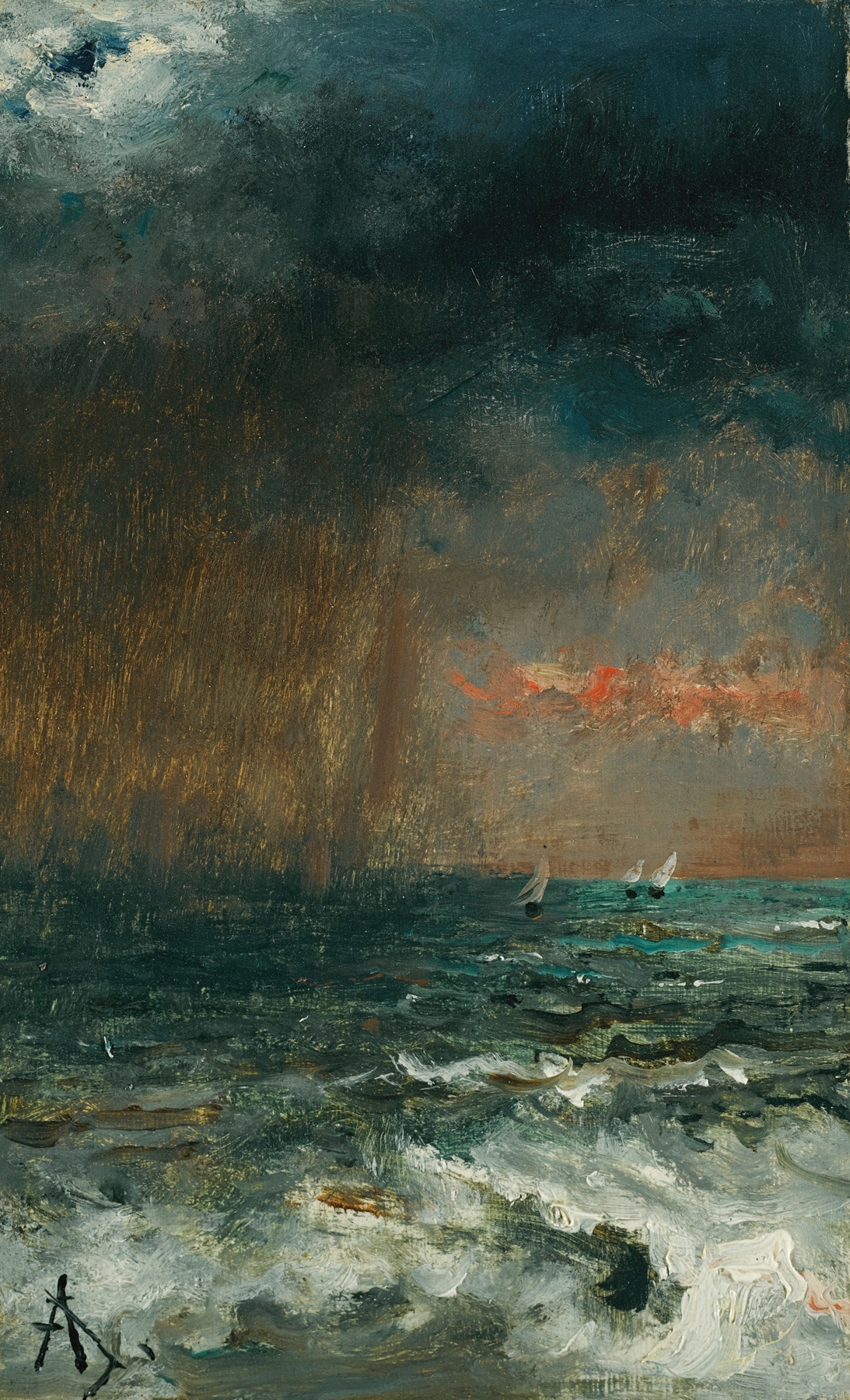
Did the painter know this moment would outlive them? In Menton, presque la nuit, 2è impression, the gentle embrace of twilight captures the fragile beauty of fleeting time, as light dances between the past and the present, suggesting a quiet revolution against the ordinary. Look to the right at the delicate hues of orange and purple melting into the sky, where the last rays of sun kiss the horizon. The soft brushstrokes blend seamlessly, creating a dreamlike atmosphere that invites the viewer into a tranquil world.
Notice how the light falls upon the rooftops of Menton, illuminating their terracotta tiles and casting long shadows on the cobbled streets, hinting at the lives unfolding beneath the canopy of dusk. The composition is masterfully balanced, leading your gaze through the scene, where each element seems to breathe with the evening’s approach. As you delve deeper, you’ll find contrasts woven into the fabric of serenity; the vibrant colors suggest warmth, yet the encroaching darkness foreshadows a quiet introspection. The painting captures not only a moment in time but also evokes feelings of nostalgia and longing.
This duality mirrors the artist's own explorations of light and shadow, urging the viewer to contemplate the transient nature of beauty and memory in their own lives. Alfred Stevens painted this work in 1894, during a period marked by significant shifts in the art world and society at large. Living in Paris, he was influenced by Impressionism, which was revolutionizing artistic expression. The late 19th century was a time of both personal and societal transition for Stevens, reflecting the changing landscape of art as he sought to embody the ephemeral in his evocative scenes.