A Storm off the Normandy Coast — History & Analysis
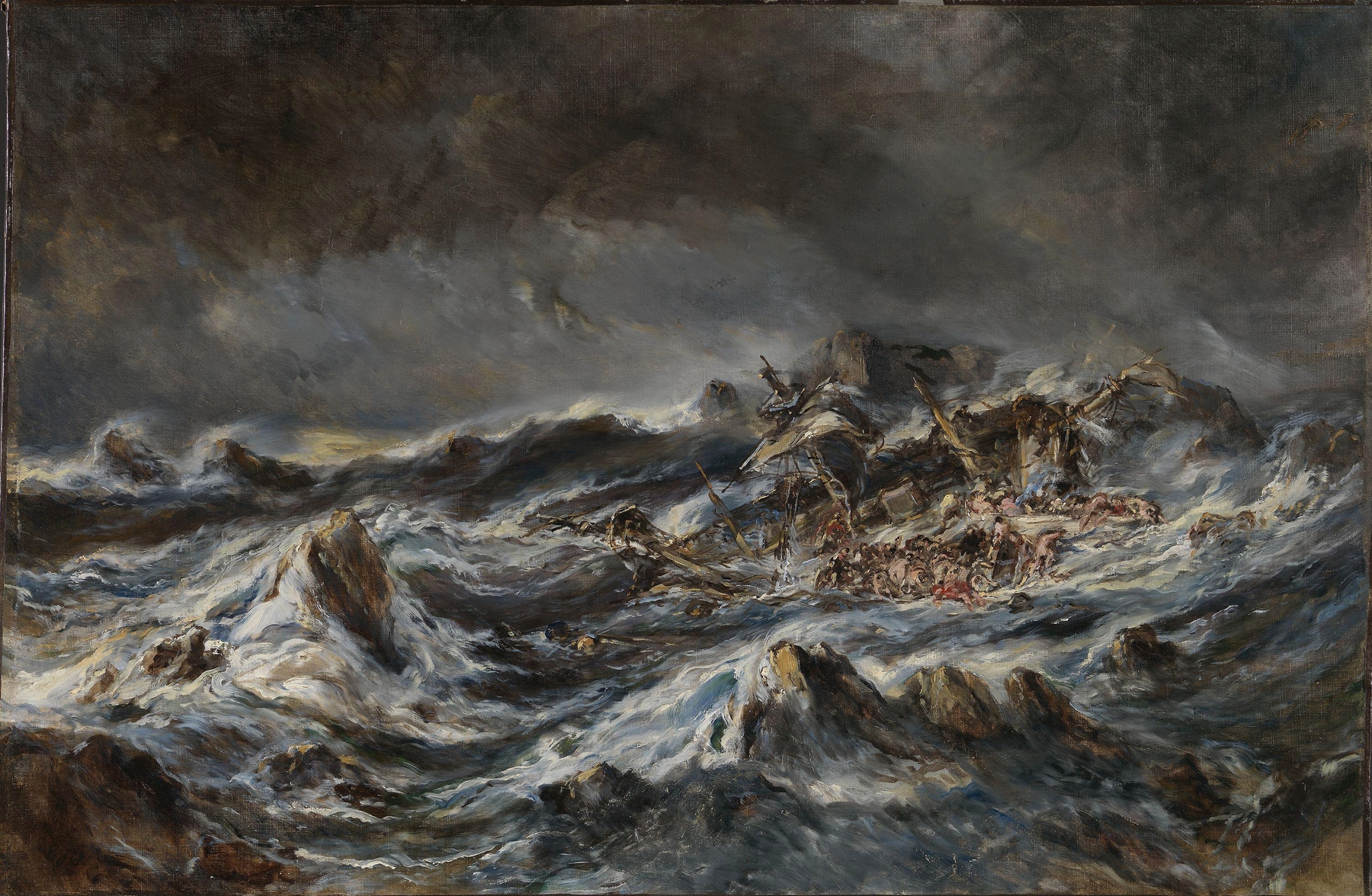
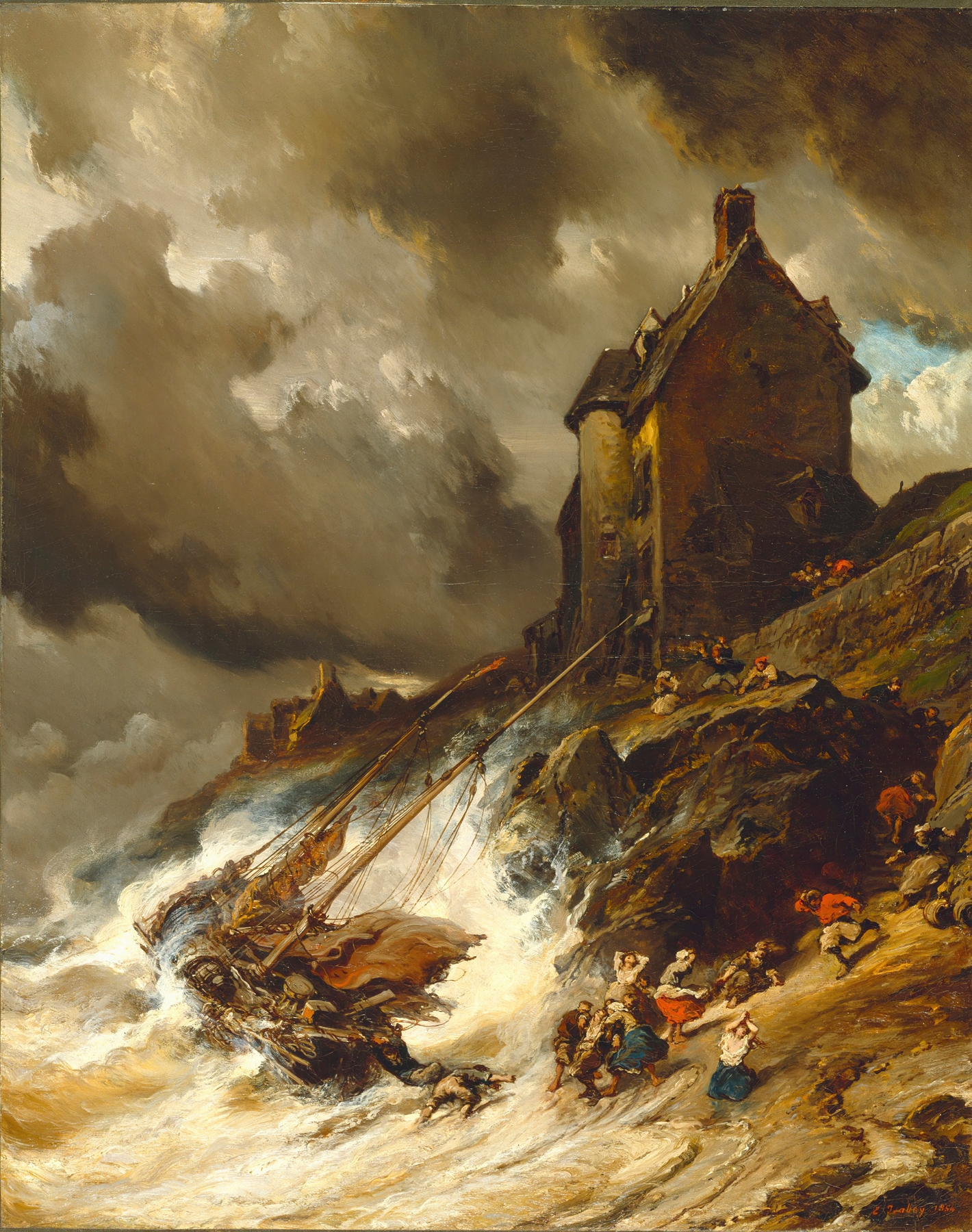
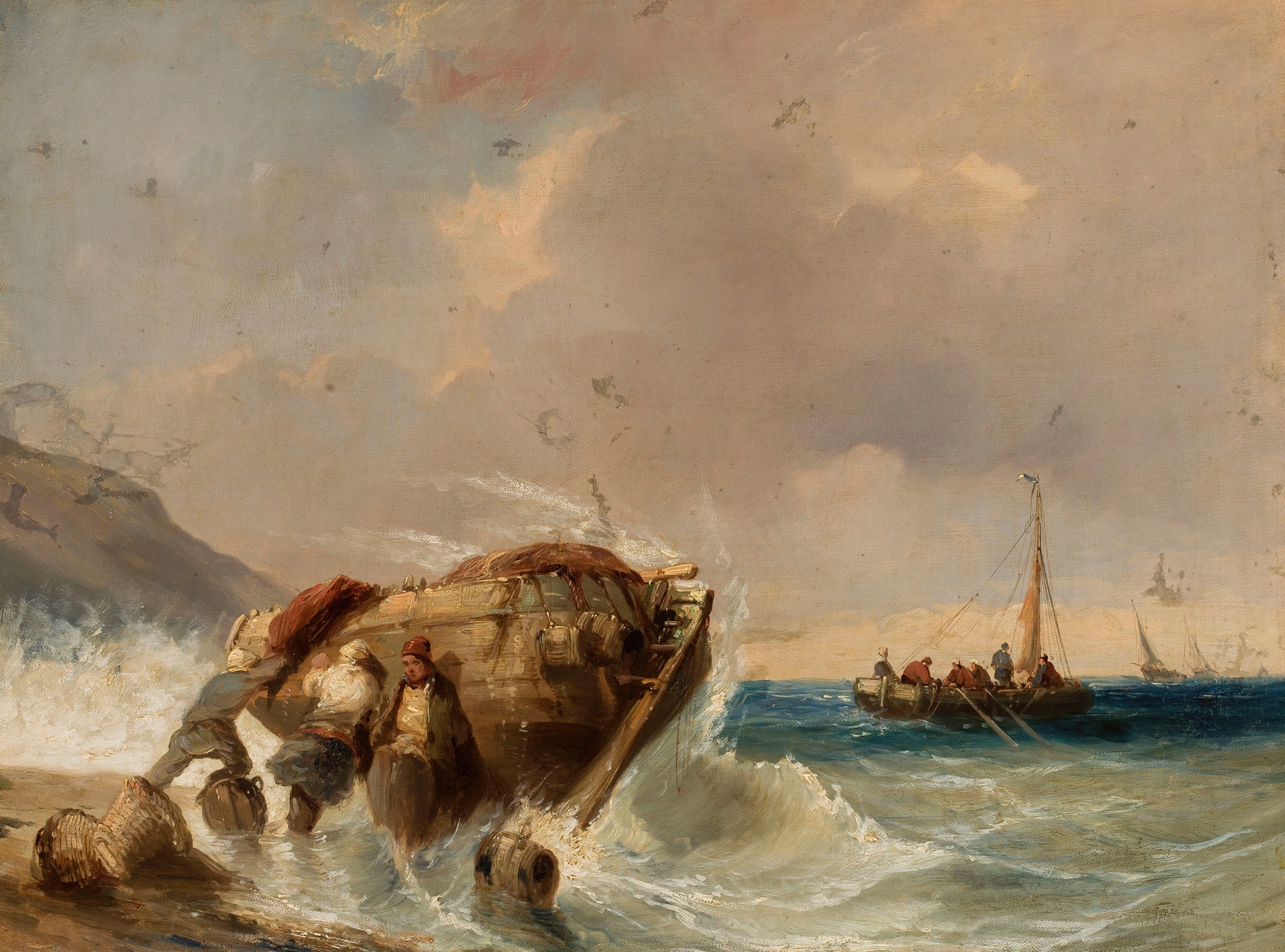
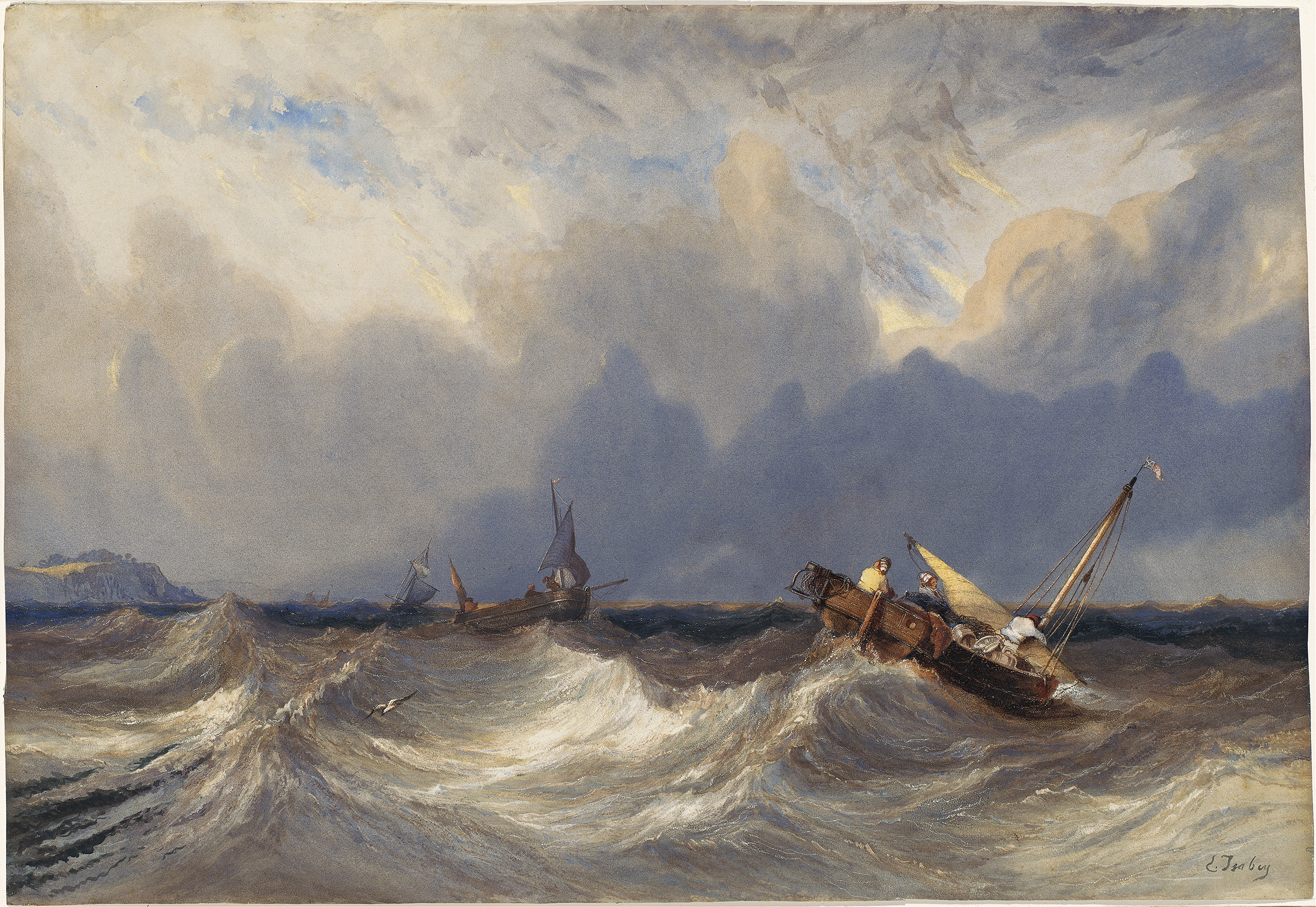
“The canvas doesn’t lie — it simply waits.” In the presence of A Storm off the Normandy Coast, one feels the weight of truth suspended in time, as if the storm's chaos yearns to share its legacy with anyone willing to listen. Look to the center of the canvas where tumultuous waves crash violently, their foamy crests illuminated by a piercing, almost ethereal light. The artist employs a palette of deep blues and grays, contrasting with the pale yellows of the sky, creating a sense of movement that pulls the viewer into the heart of the tempest. Notice how the jagged brushstrokes capture the raw energy of the sea, while the distant horizon offers a sliver of calm, evoking a sense of tension between chaos and serenity.
Upon closer inspection, the storm does more than depict nature's fury; it serves as a metaphor for the struggles inherent in life itself. The tiny ships, tossed but resilient, remind us of humanity’s endurance against overwhelming odds. Additionally, the interplay of light and shadow suggests hope in despair, illuminating a path even amidst upheaval. This duality speaks to the viewer's own battles, making it not just a scene of nature but a testament to survival and legacy.
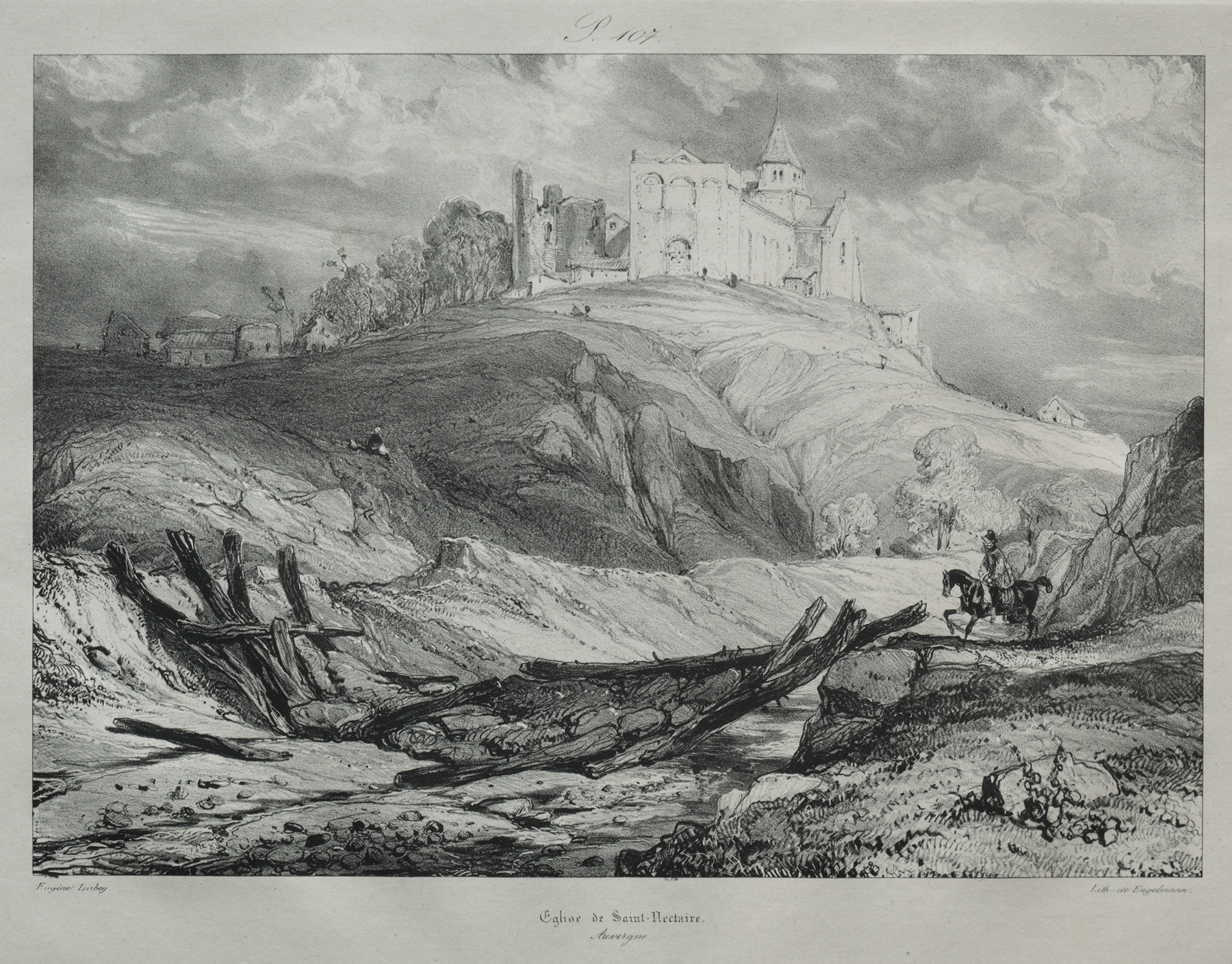
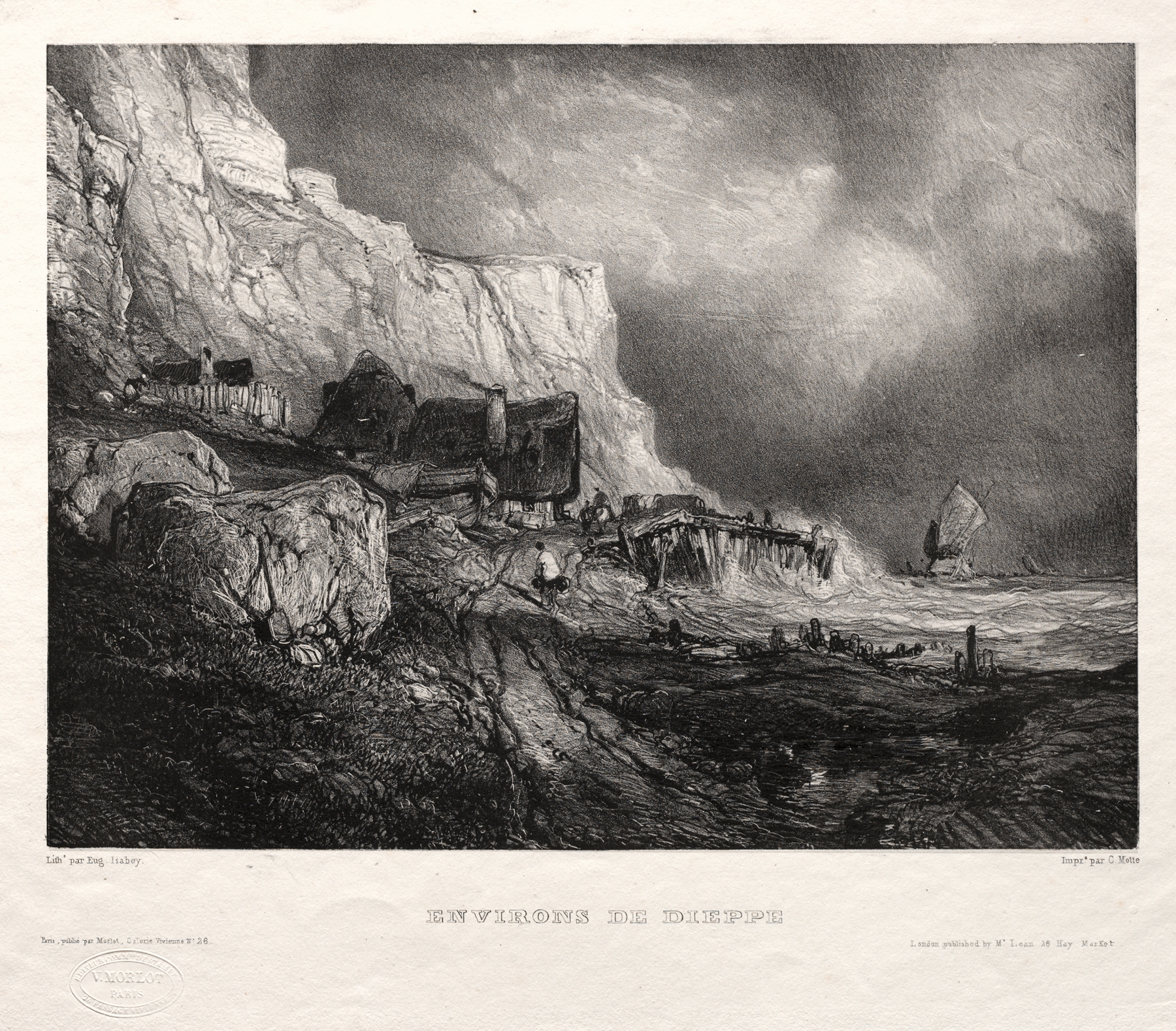
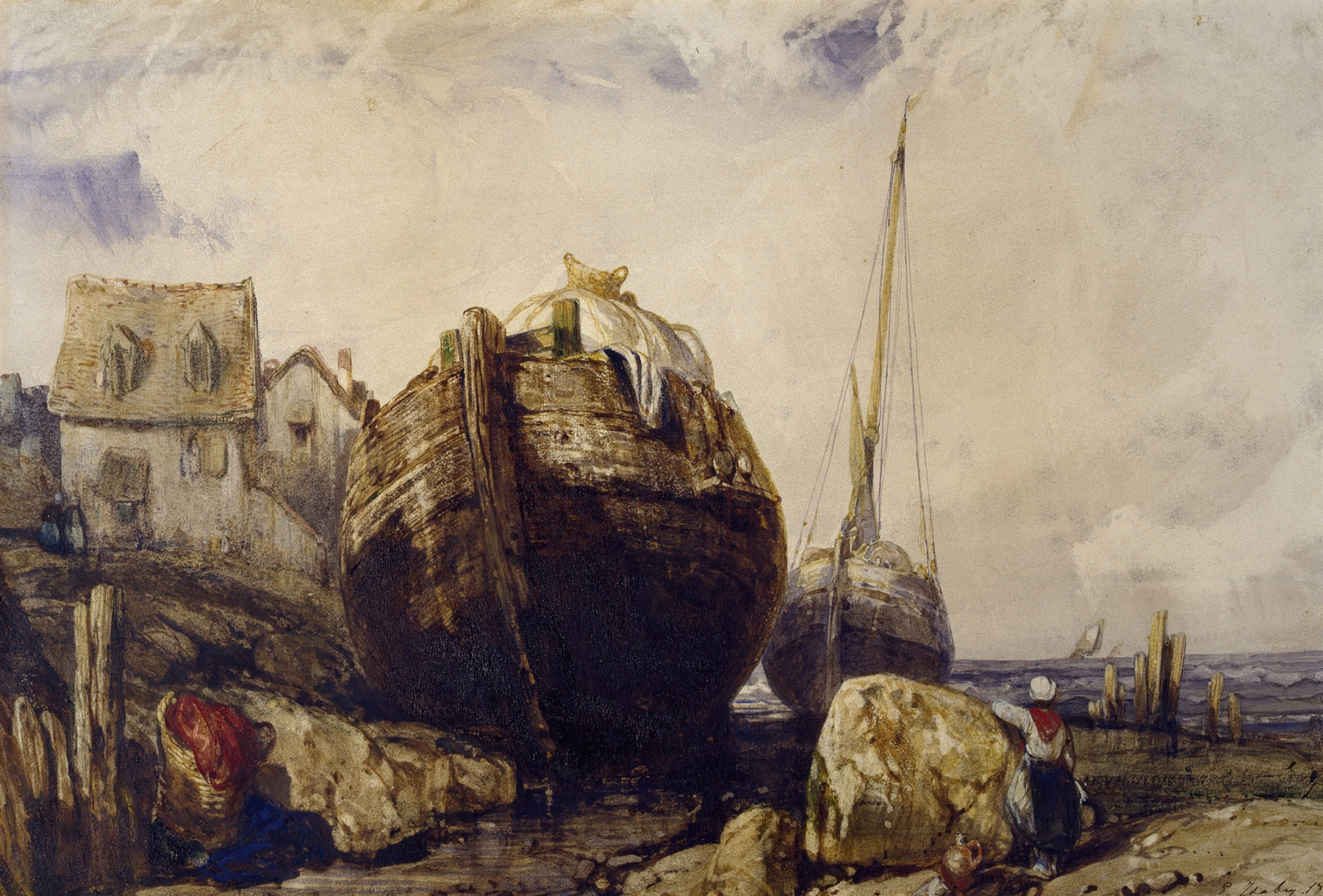
In the 1850s, Eugène Isabey was deeply entrenched in the world of Romanticism, reflecting the era's fascination with the sublime power of nature. Living in France during a time of political change and artistic evolution, Isabey sought to capture both the ferocity and beauty of the natural world. This work stands as a significant moment in his career, where he deftly combines realism with emotional depth, marking his enduring influence on later generations of artists.