The Wreck — History & Analysis
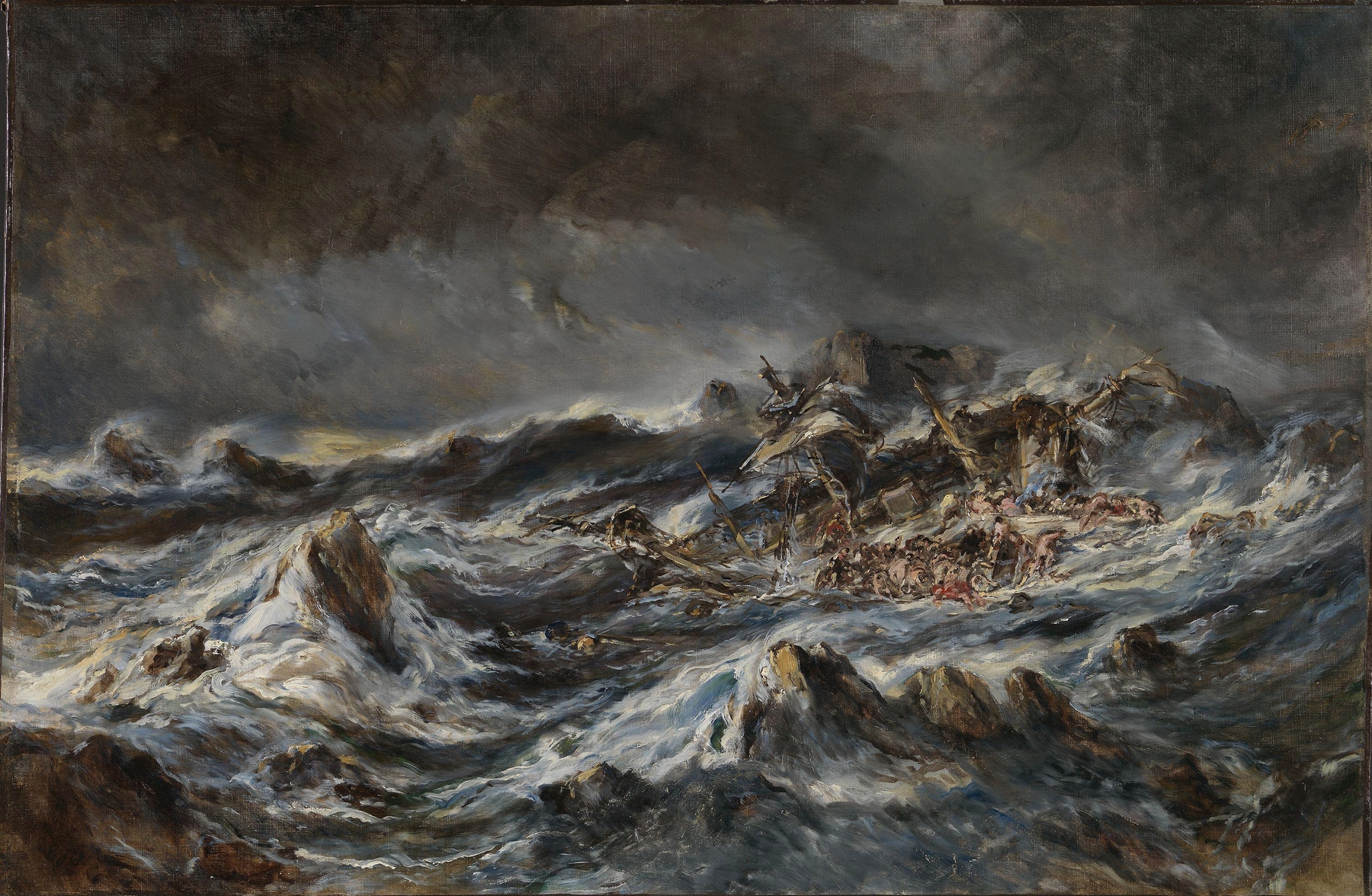
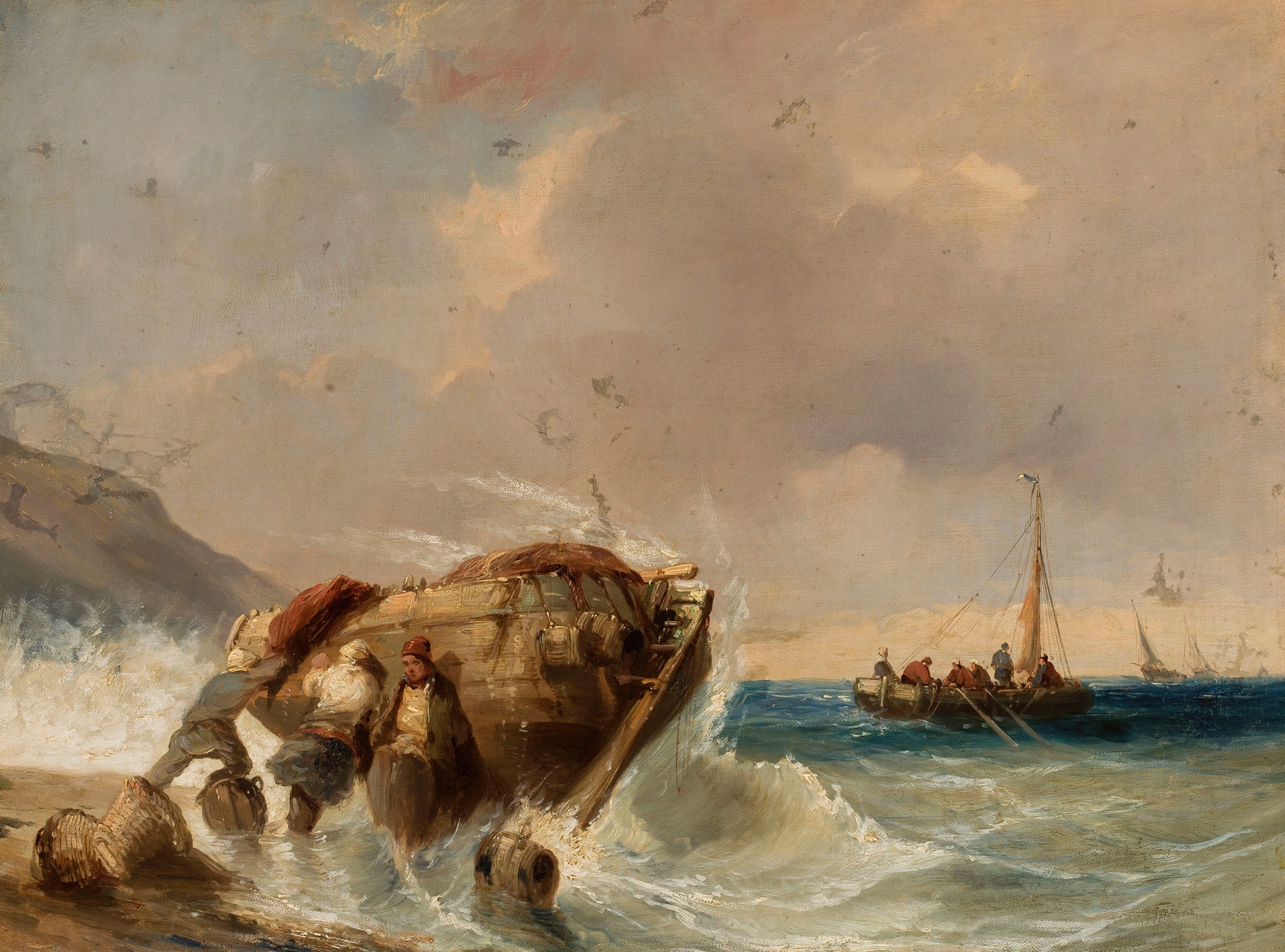
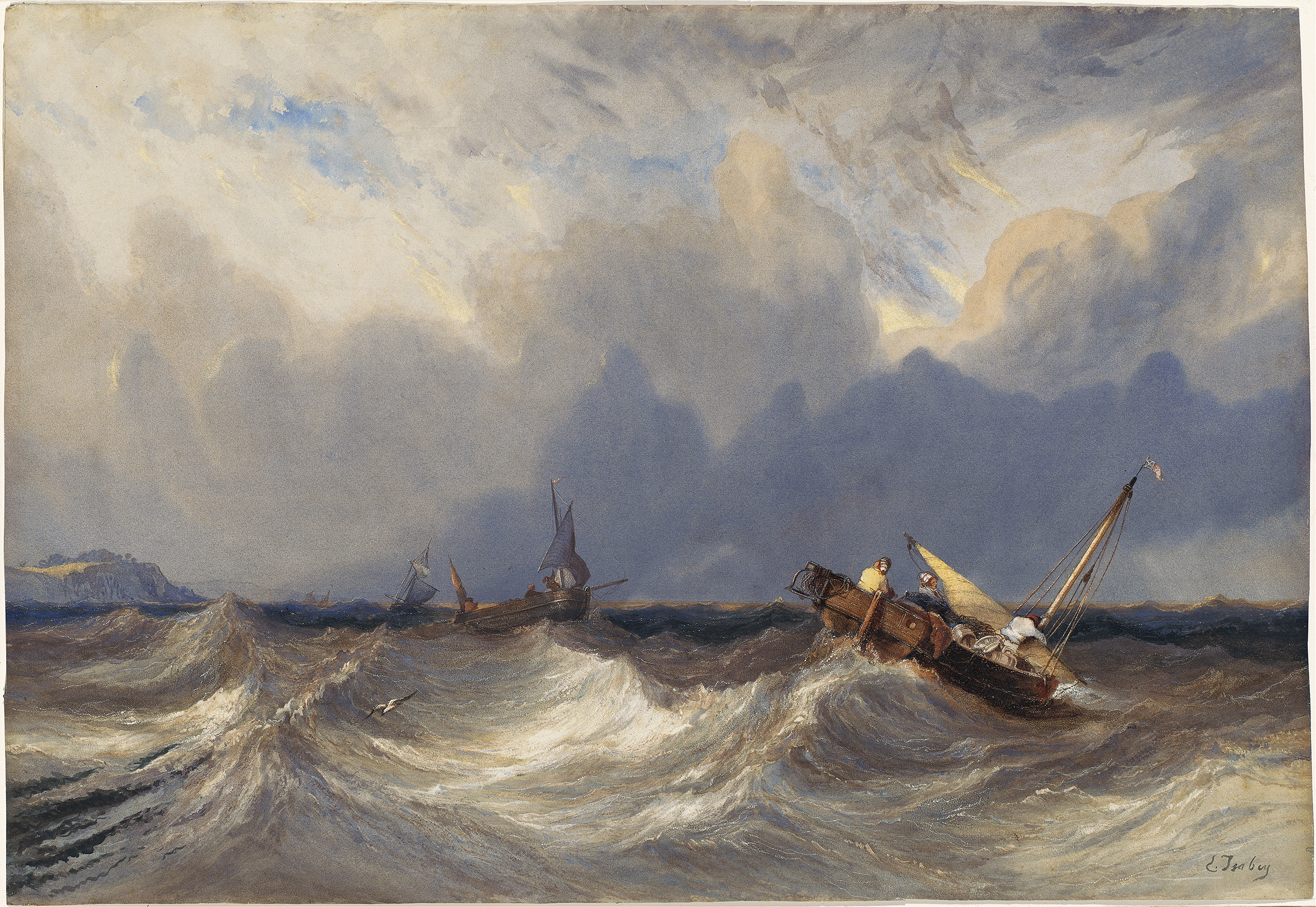
Could beauty survive in a century of chaos? In The Wreck, tumultuous waves of emotion crash against the remnants of civilization, an artwork that encapsulates both violence and tranquility amidst a storm's aftermath. Look to the center, where a fragmented shipwreck lies half-submerged in a tumult of turbulent waters. The artist's brush strokes capture the violent energy of the crashing waves, each splash rendered with a frenetic urgency that evokes raw power.
Notice how the light dances on the surface of the water, illuminating the scattered debris, casting reflections of gold and silver that contrast starkly with the darkened sky above; the palette whispers of despair yet hints at the possibility of hope. The painting speaks of loss and resilience, where the chaos of nature mirrors the turmoil of human existence. The ship, once a vessel of dreams, now embodies the fragility of life, a poignant reminder of how quickly beauty can be dismantled. The looming clouds hang heavy, yet their dramatic presence serves a dual purpose: they forebode further destruction while simultaneously framing the wreck, highlighting its precarious defiance against nature's fury.
Eugène Isabey painted The Wreck in 1854 during a period marked by social upheaval and the burgeoning Romantic movement in art. At the time, Isabey was navigating his own evolution as an artist, influenced by the turbulent waters of French politics and artistic innovation. The painting reflects not only his mastery of capturing dramatic landscapes but also an era preoccupied with the sublime—where beauty and violence intertwine compellingly.