Environs de Dieppe — History & Analysis
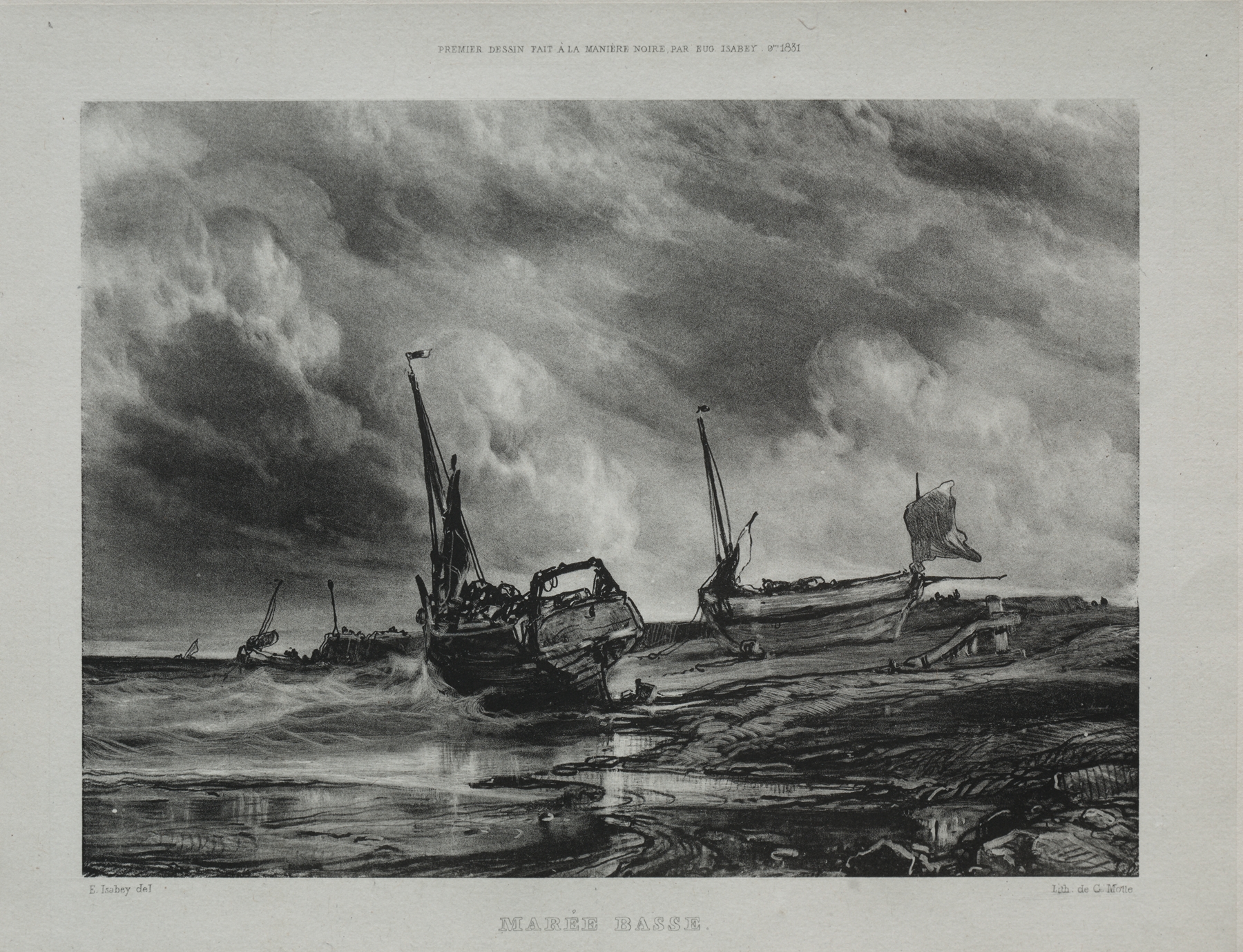
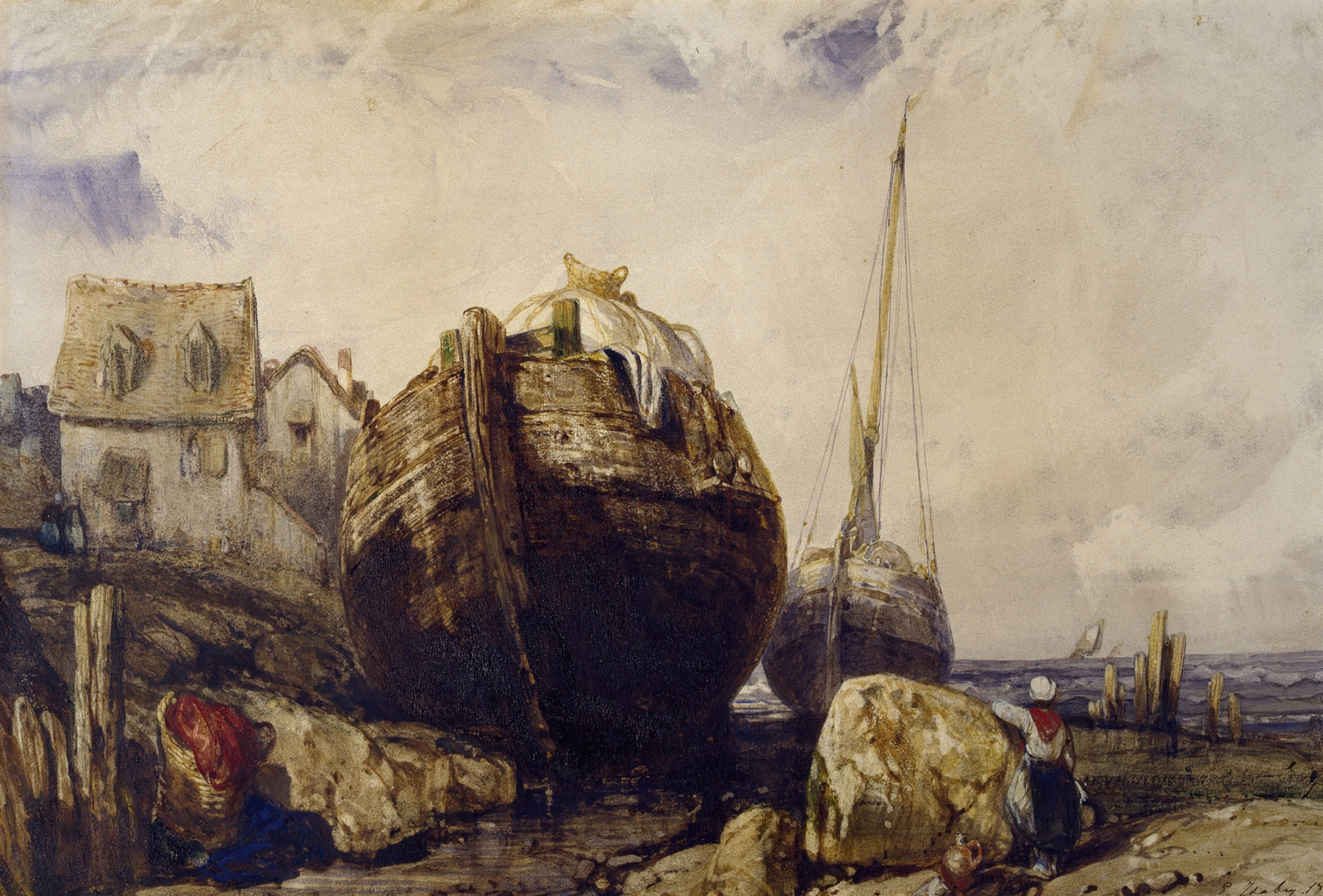
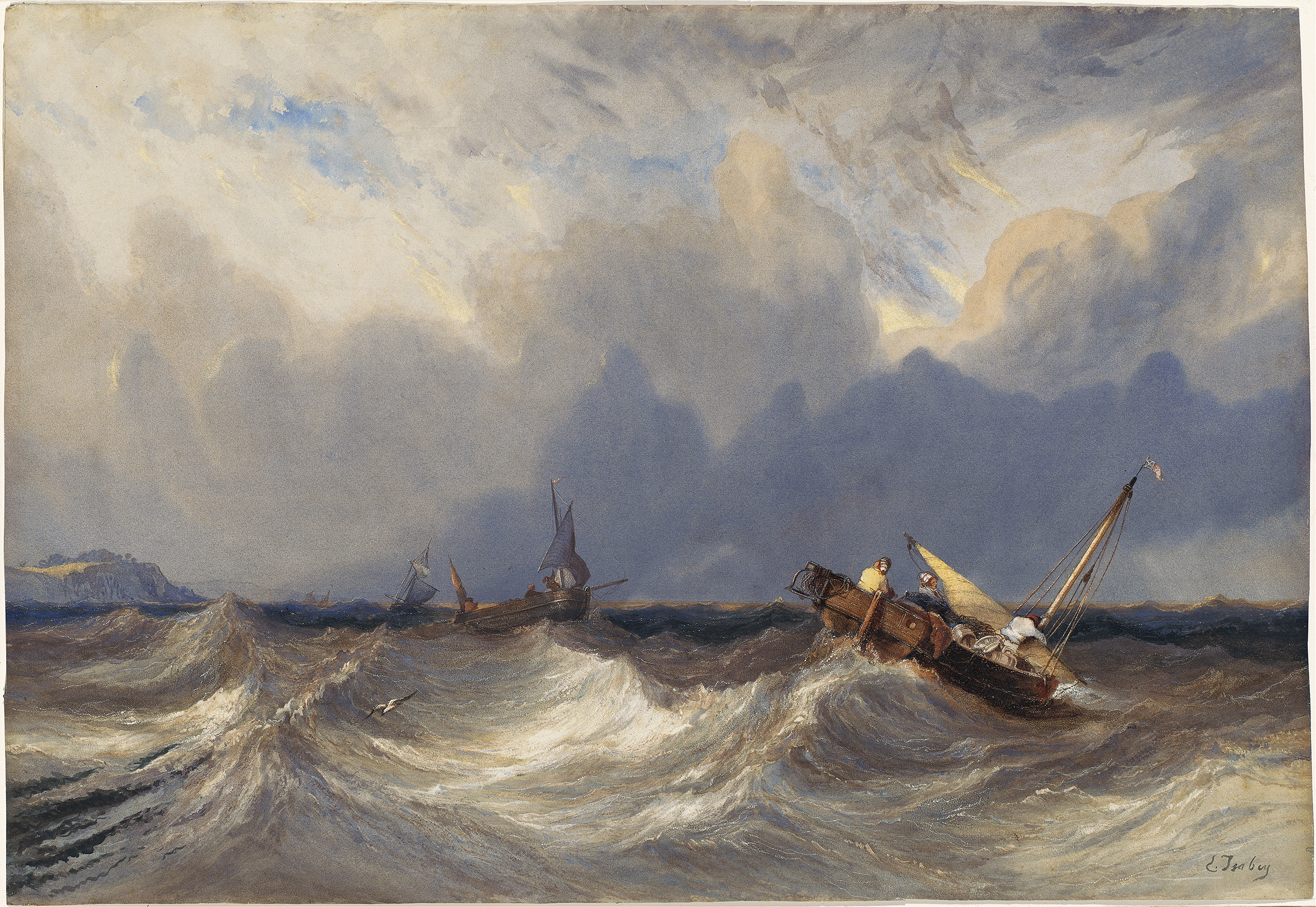
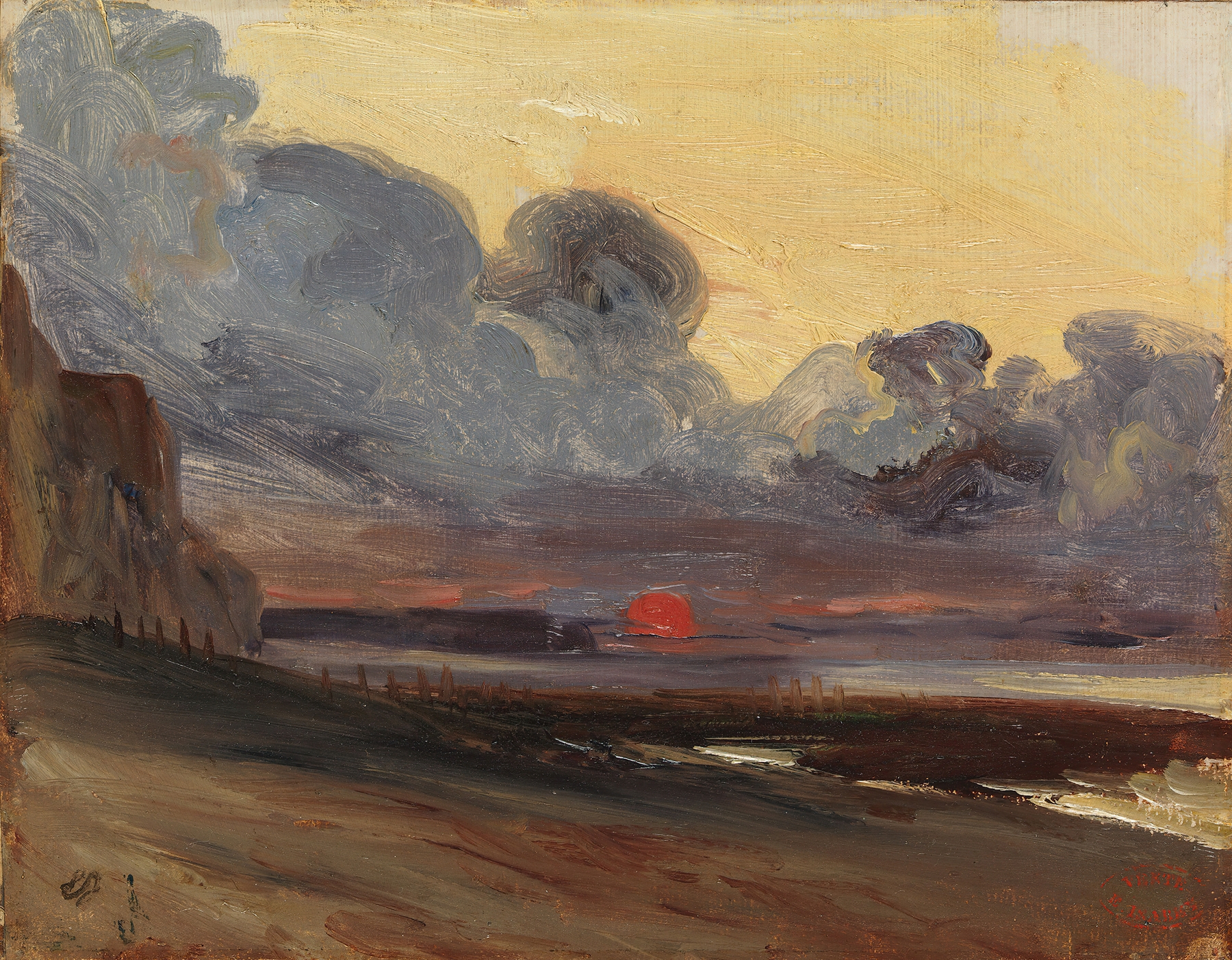
What if silence could speak through light? In Environs de Dieppe, the interplay of soft hues and gentle strokes captures a moment of transformation, where nature breathes life into the canvas. Focus on the serene water in the center, its surface glimmering with reflections of pastel skies. Notice how the cool blues blend seamlessly into warm earthy tones at the horizon, leading your gaze towards the distant cliffs. The brushwork, delicate yet confident, conveys a whispering breeze, inviting you to experience the tranquility of this coastal landscape.
It's a visual symphony composed in light, urging viewers to linger in the stillness. Within this idyllic scenery lies an exploration of contrasts. The shoreline's ruggedness juxtaposed with the tranquil sea suggests a dialogue between stability and fluidity, permanence and change. A solitary boat rests on the water, symbolizing the transient nature of human endeavors against the vastness of the landscape.
Each element—clouds, water, and land—carries the weight of time, hinting at the cyclical transformations that define both nature and existence. In 1833, Eugène Isabey painted this piece during a period of burgeoning Romanticism in art. Living in France, he was influenced by the evolving appreciation of landscapes, as artists sought to capture the sublime beauty of nature. Isabey's depiction not only reflects his mastery of light and atmosphere but also signifies a shift toward expressing emotion through natural scenes, paving the way for future generations to explore similar themes.