Shipwreck — History & Analysis
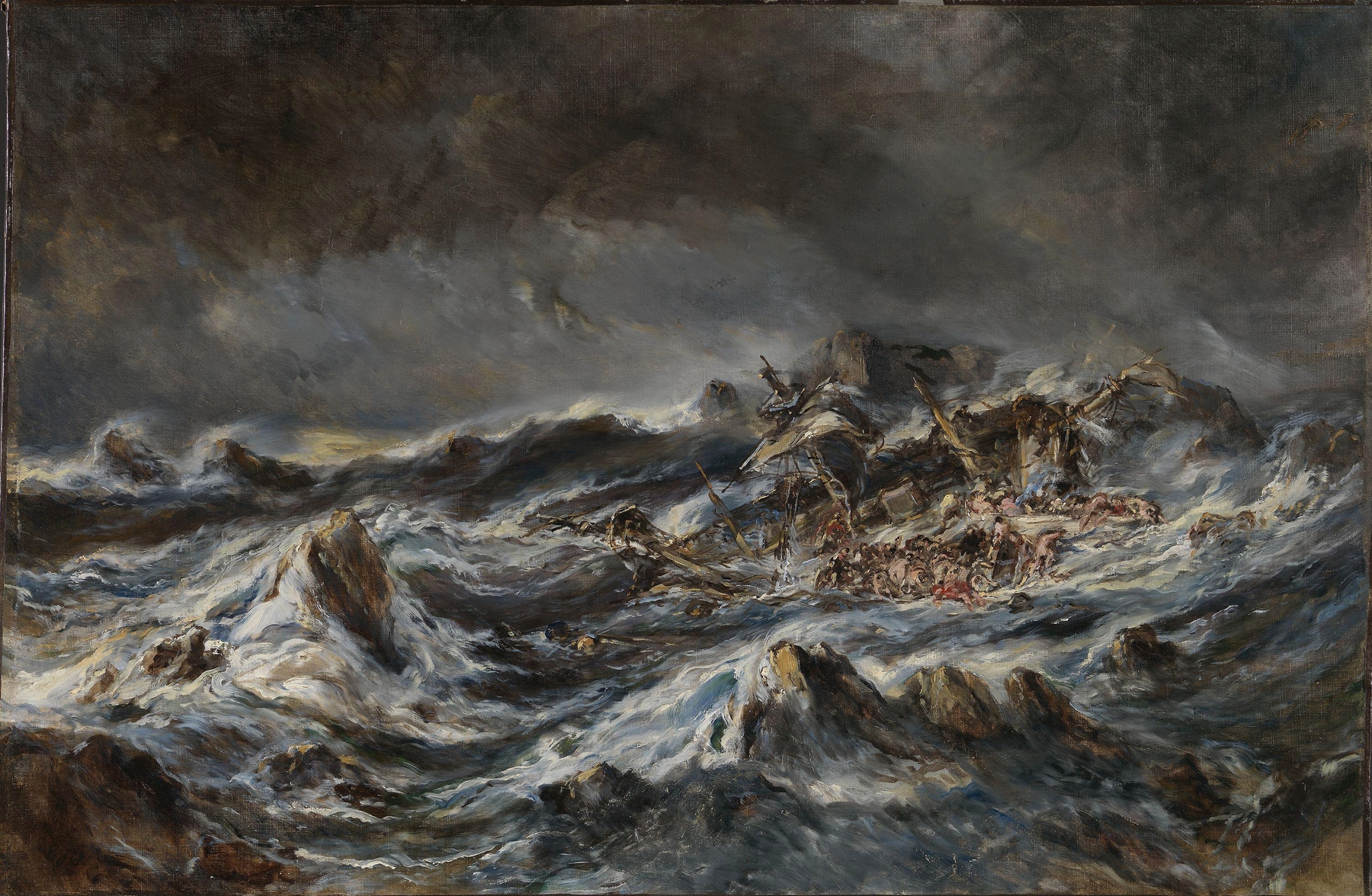
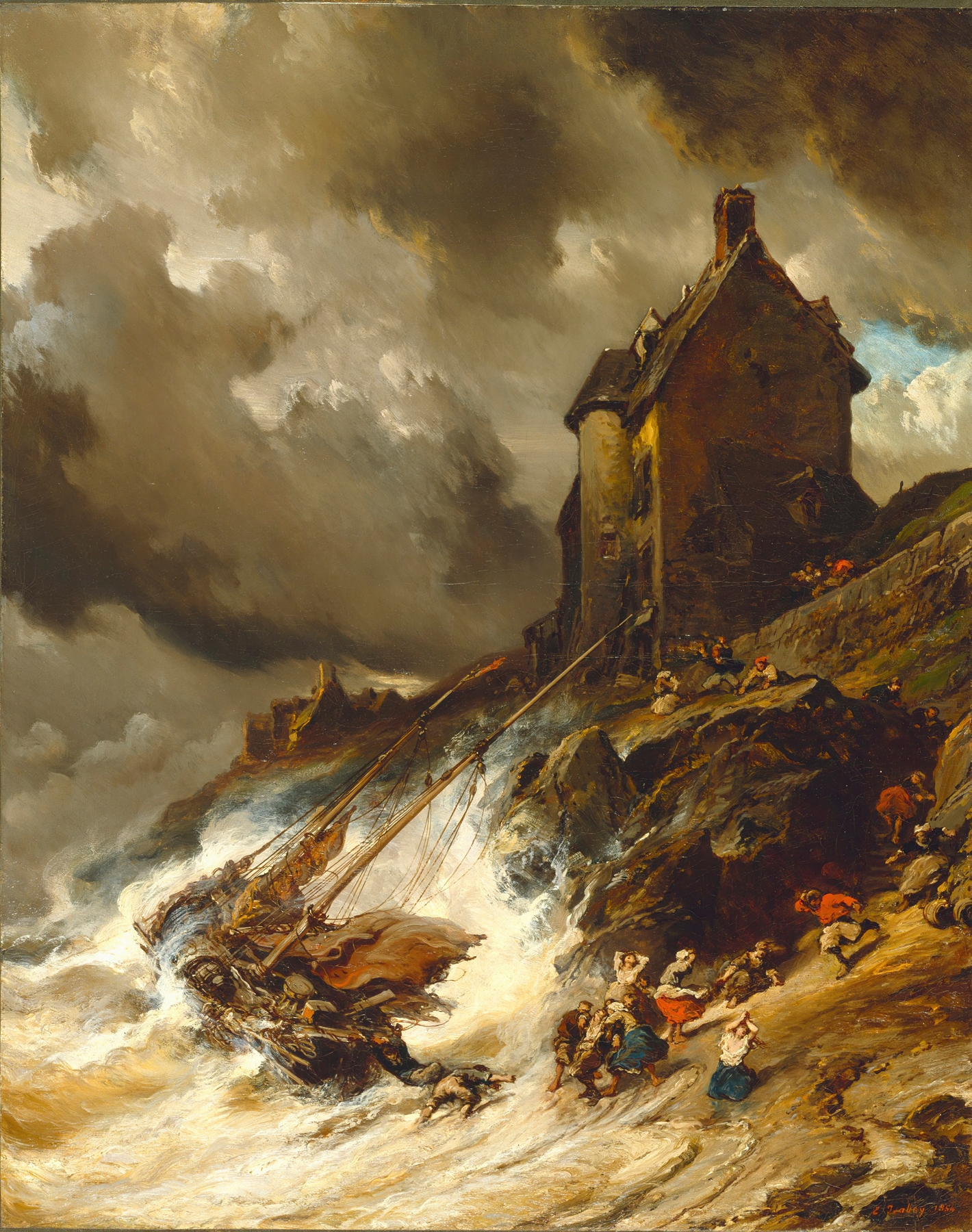
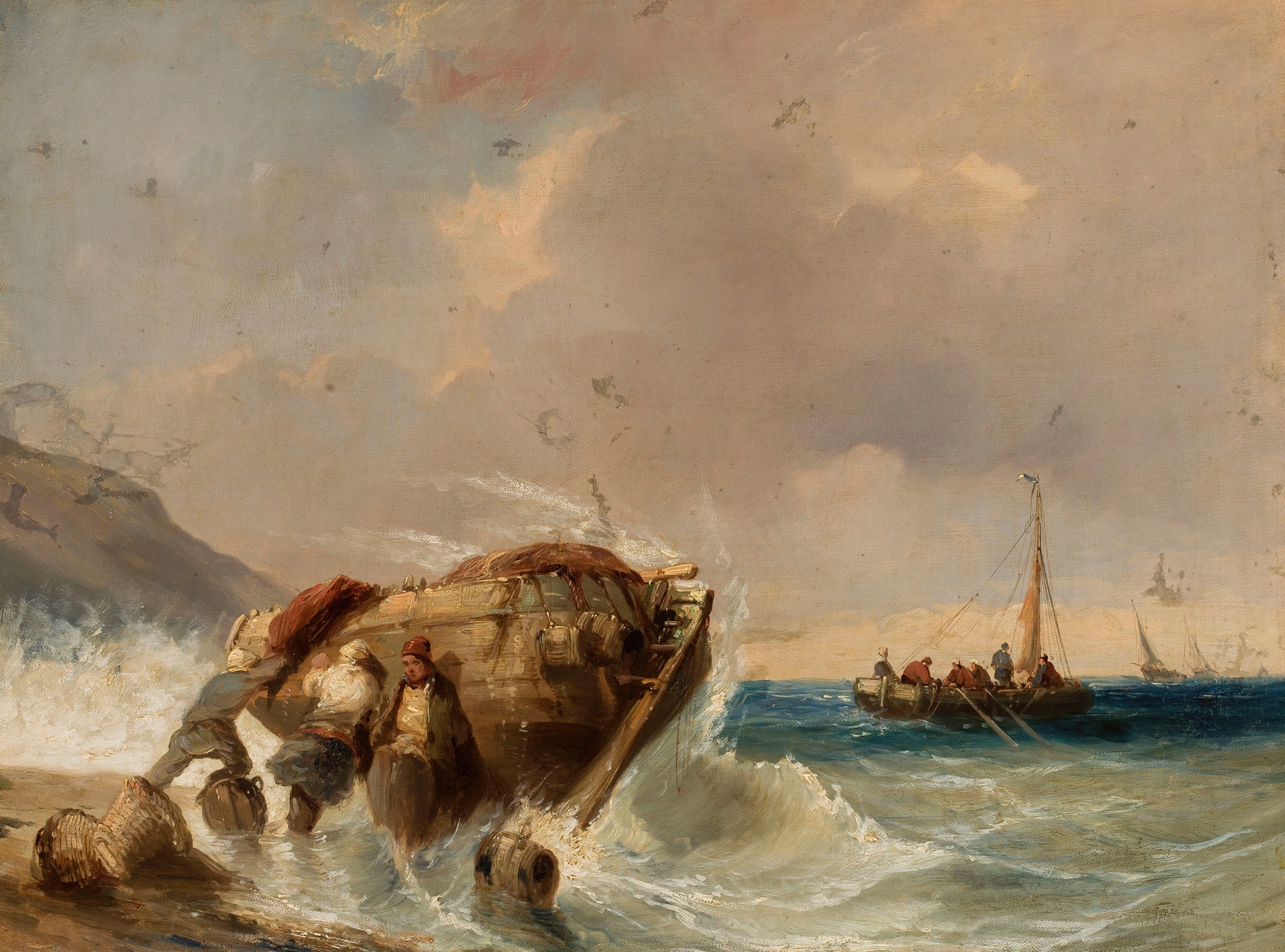
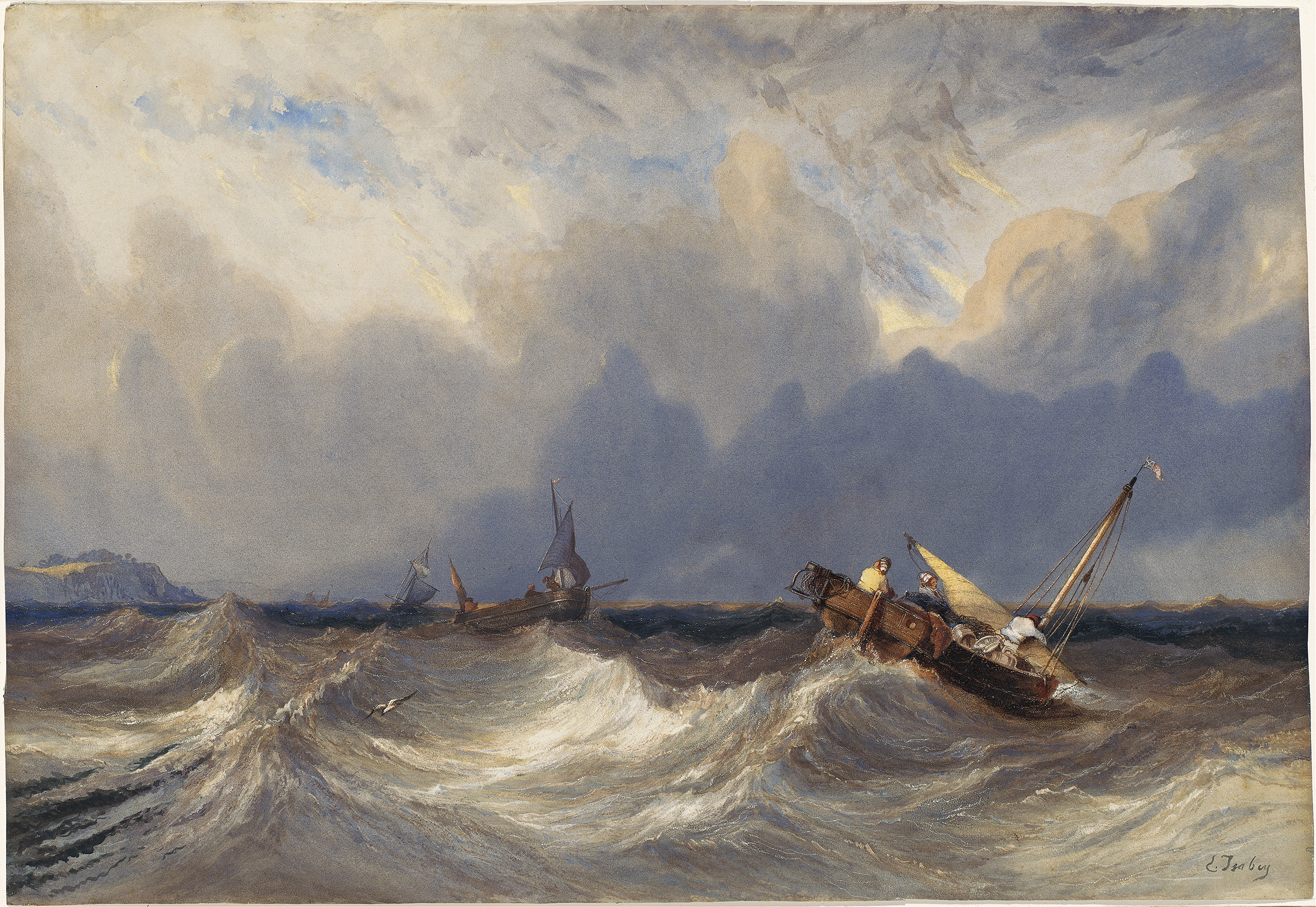
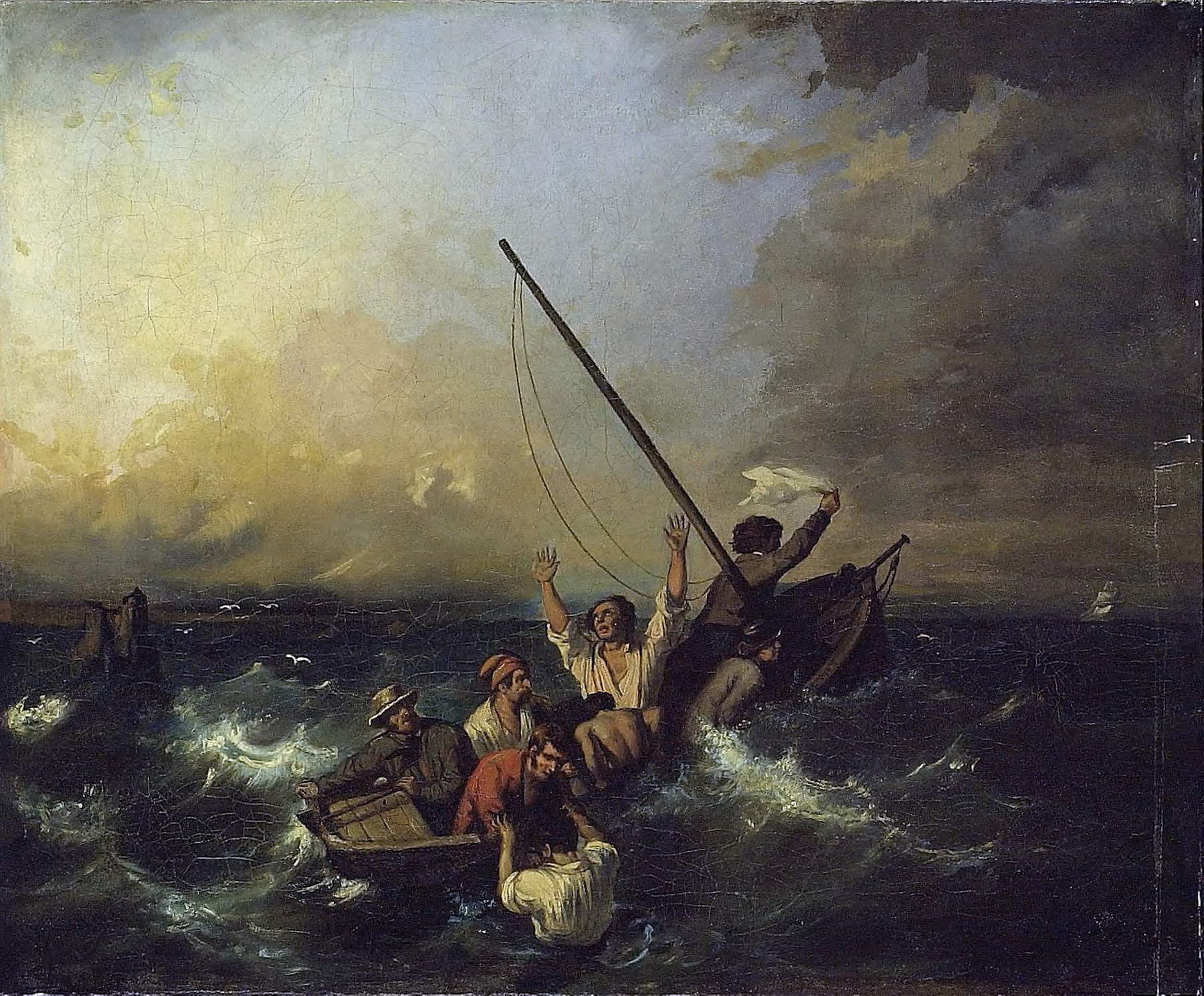
Can paint confess what words never could? In the depths of Shipwreck, layers of yearning emerge, filled with silence that echoes the unspoken emotions of the seafaring soul. Look to the foreground, where tumultuous waves crash against the jagged rocks, their foamy crests a swirling amalgam of whites and deep blues. The ship, half-submerged and breaking apart, draws the eye towards the struggle for survival, its sails tattered and flapping like desperate flags in the tempest.
Notice how the dark palette of stormy skies contrasts sharply with the lighter hues of the water, enhancing the drama of this tragic moment, while the painter’s brushwork creates a sense of movement that captures the chaotic energy of the scene. Peering deeper, one can sense the juxtaposition of destruction and resilience. Each fragment of the ship signifies not just loss but also the indomitable human spirit in the face of nature's fury. The figures on the wreck, small and vulnerable, embody despair yet also the yearning for rescue; they reach out as if pleading with the storm itself.
The interplay of light and shadow serves to heighten this emotional tension, revealing both the stark reality of their plight and the glimmer of hope that accompanies tragedy. Eugène Isabey created Shipwreck in the 19th century, during a time when Romanticism flourished in art, emphasizing emotion and the sublime forces of nature. Living in France, Isabey was influenced by the changing tides of social and political landscapes, often reflecting the tumultuous relationship between humanity and the sea. His work captures the essence of a period when the individual was often pitted against the vast, indifferent world, resonating with a universal longing for salvation.