Fishing Boats Tossed before a Storm — History & Analysis
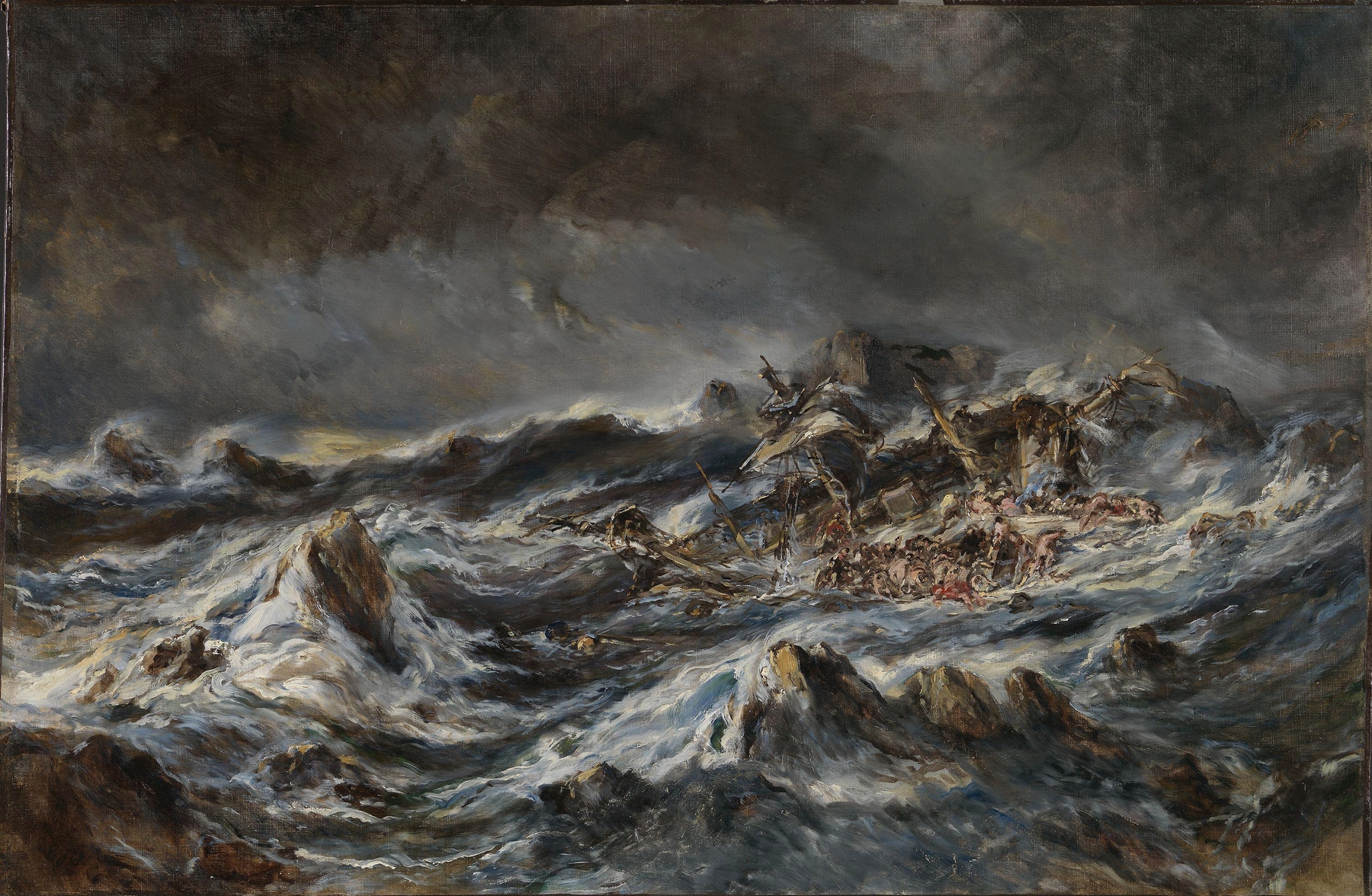
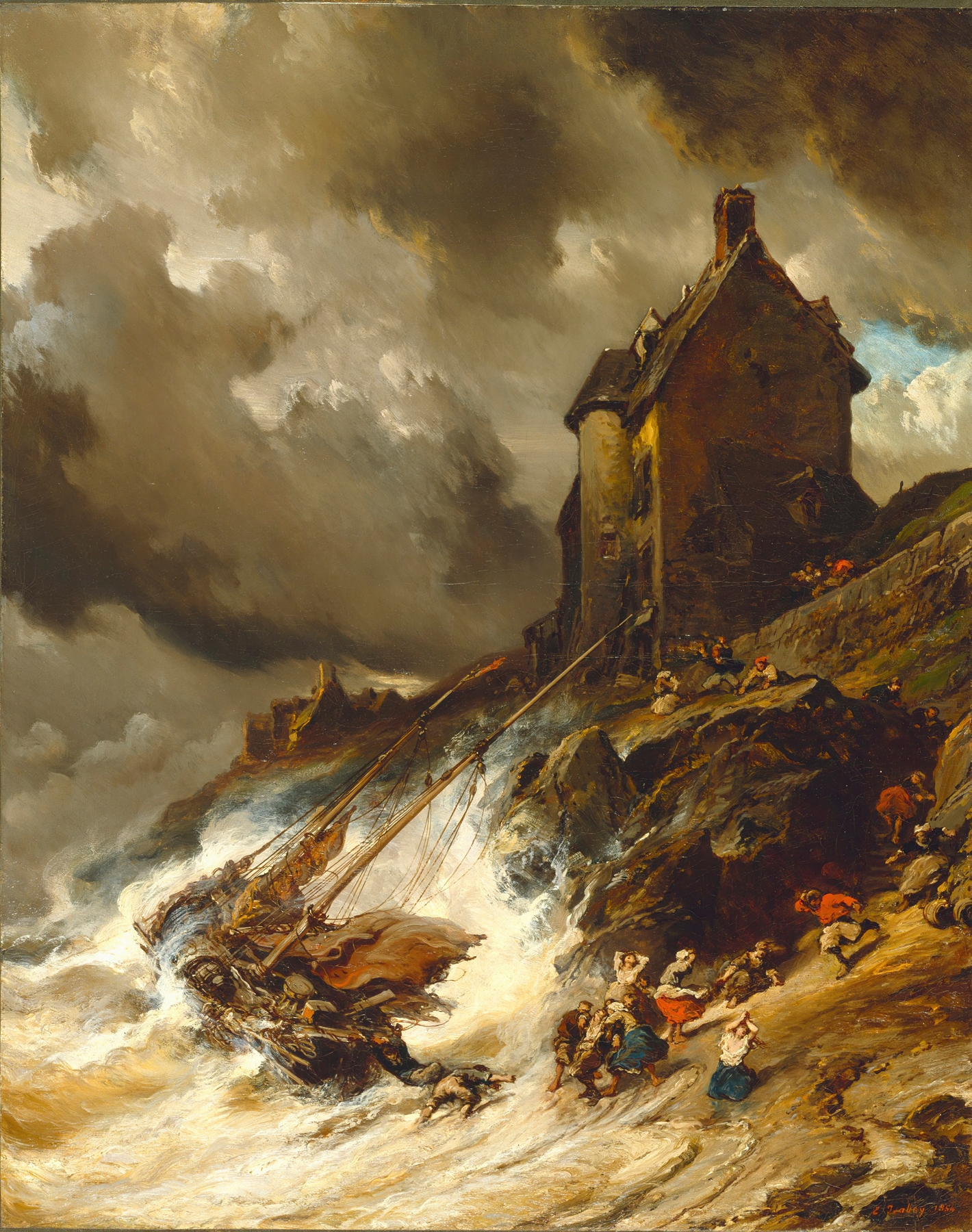
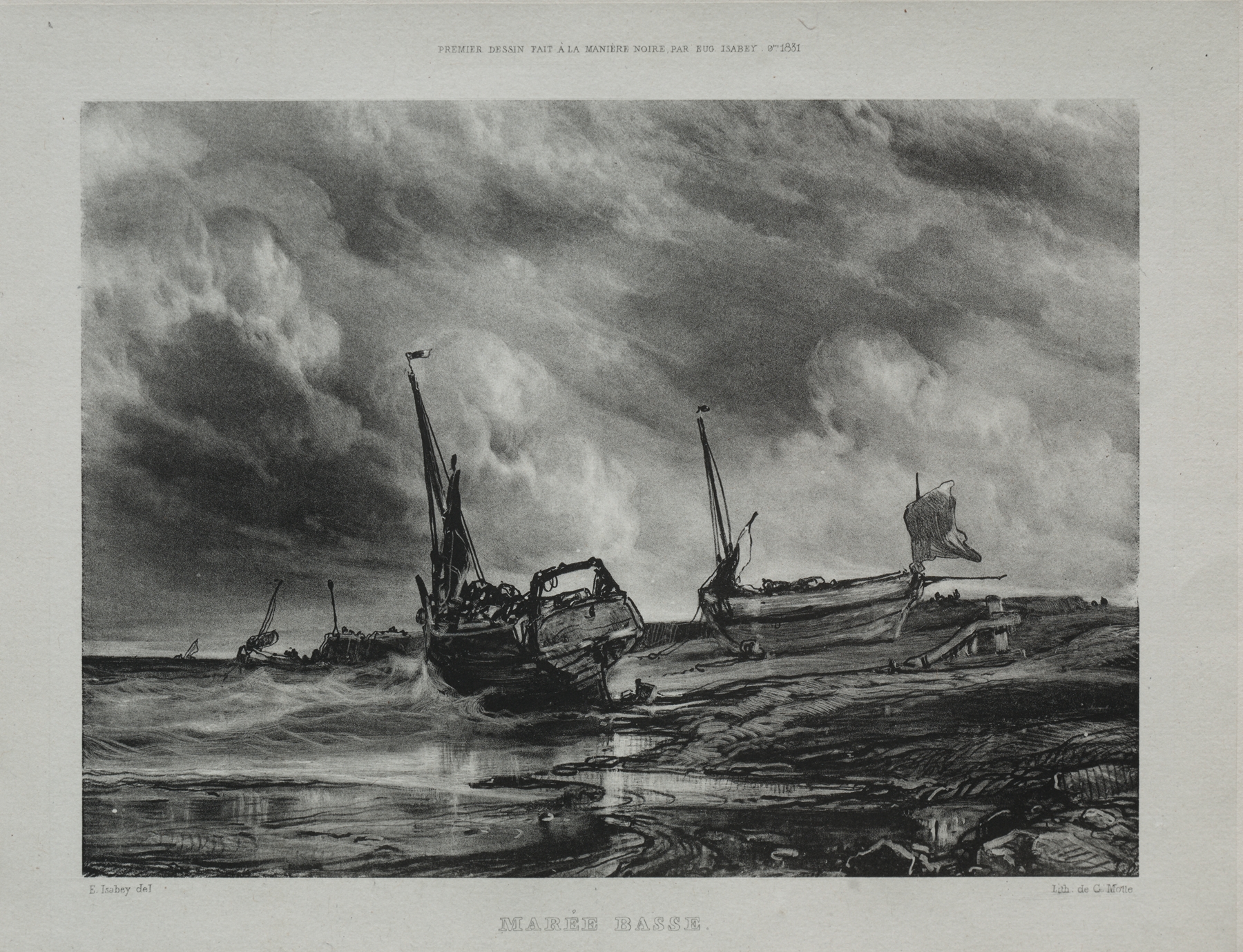
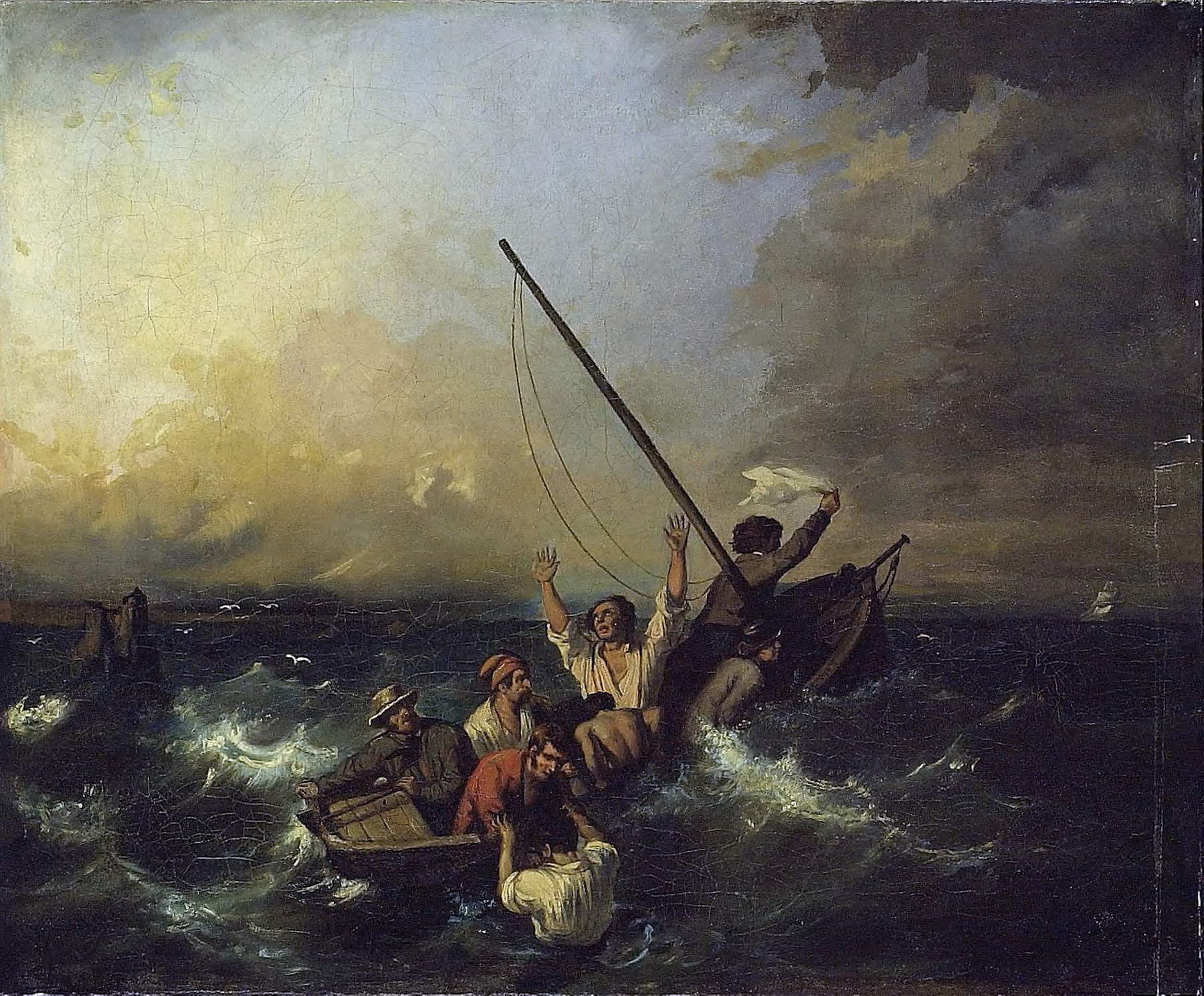
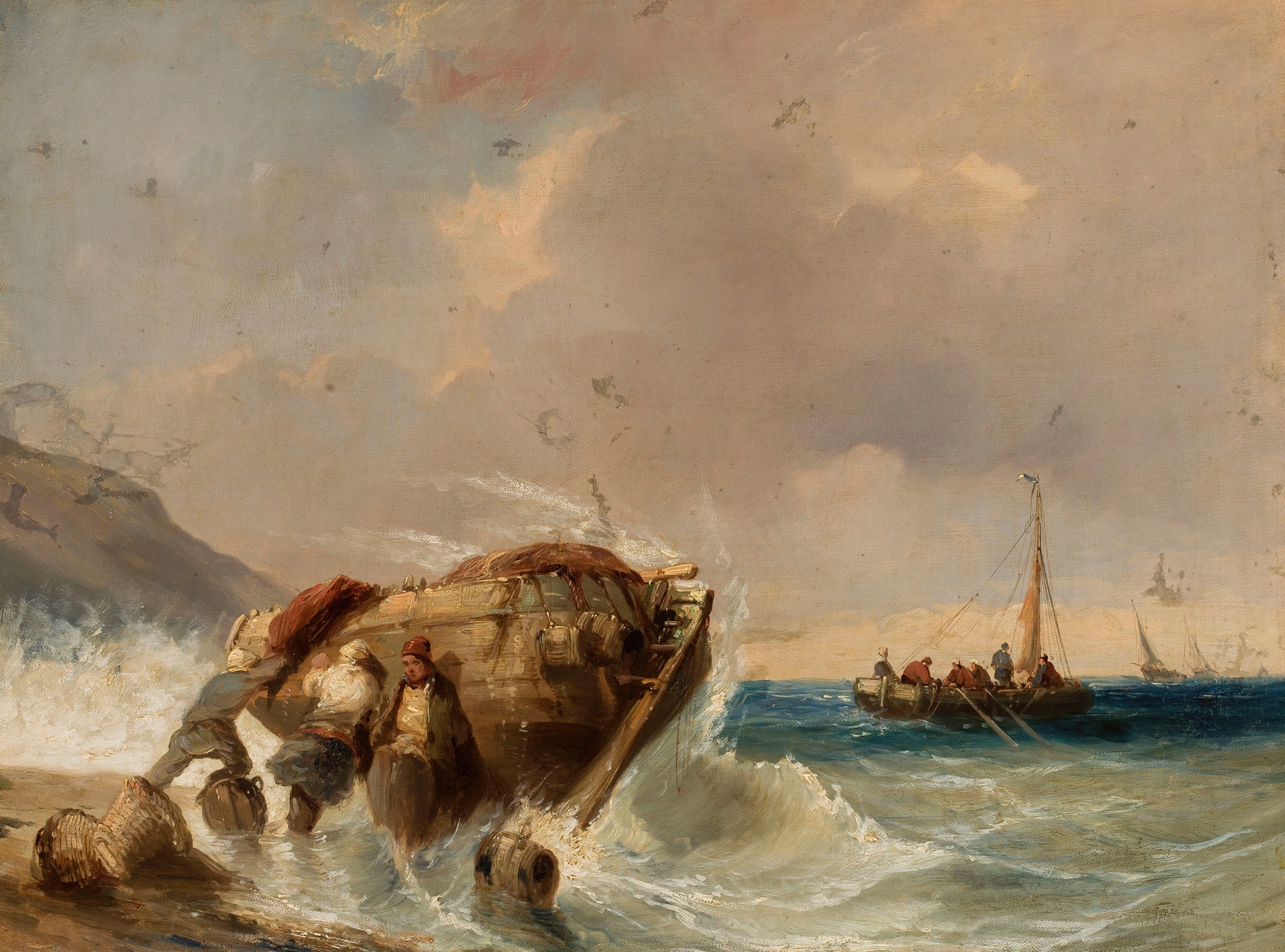
“Every silence here is a confession.” In the midst of chaos, yearning intertwines with the storm, a longing for calm that remains just out of reach. This artwork encapsulates the tumultuous dance between nature and human endeavor, evoking a powerful reflection on the fragility of existence. Focus on the turbulent sea that dominates the canvas; its churning waves seem to speak of impending chaos. The boats, small and vulnerable, are tossed precariously beneath an ominous sky painted in deep blues and grays. Notice how the light plays a haunting game of chiaroscuro, illuminating the boats’ sails while casting shadow over the crew members’ anxious faces.
The composition draws you into the heart of the storm, making you feel the weight of impending doom. Within this scene lies a profound exploration of the contrasts between man’s ambition and nature’s fury. The fishermen’s struggle reflects a universal yearning for control against an uncontrollable force. The tension is palpable: a single moment captured where hope and despair collide, revealing the delicate balance between survival and surrender.
The ominous sky looms as a reminder of the unpredictability of fate, while the boats symbolize dreams that, though tossed about, persist against the elements. Eugène Isabey painted this work around 1840, during a time when the Romantic movement was flourishing in France. He navigated the swirling emotions of his environment, capturing the essence of nature’s sublime beauty and terror. This period was marked by a growing appreciation for the power of the natural world, reflecting both his personal experiences and the broader artistic currents that sought to challenge traditional representations.