Fishing boat at the seaside — History & Analysis
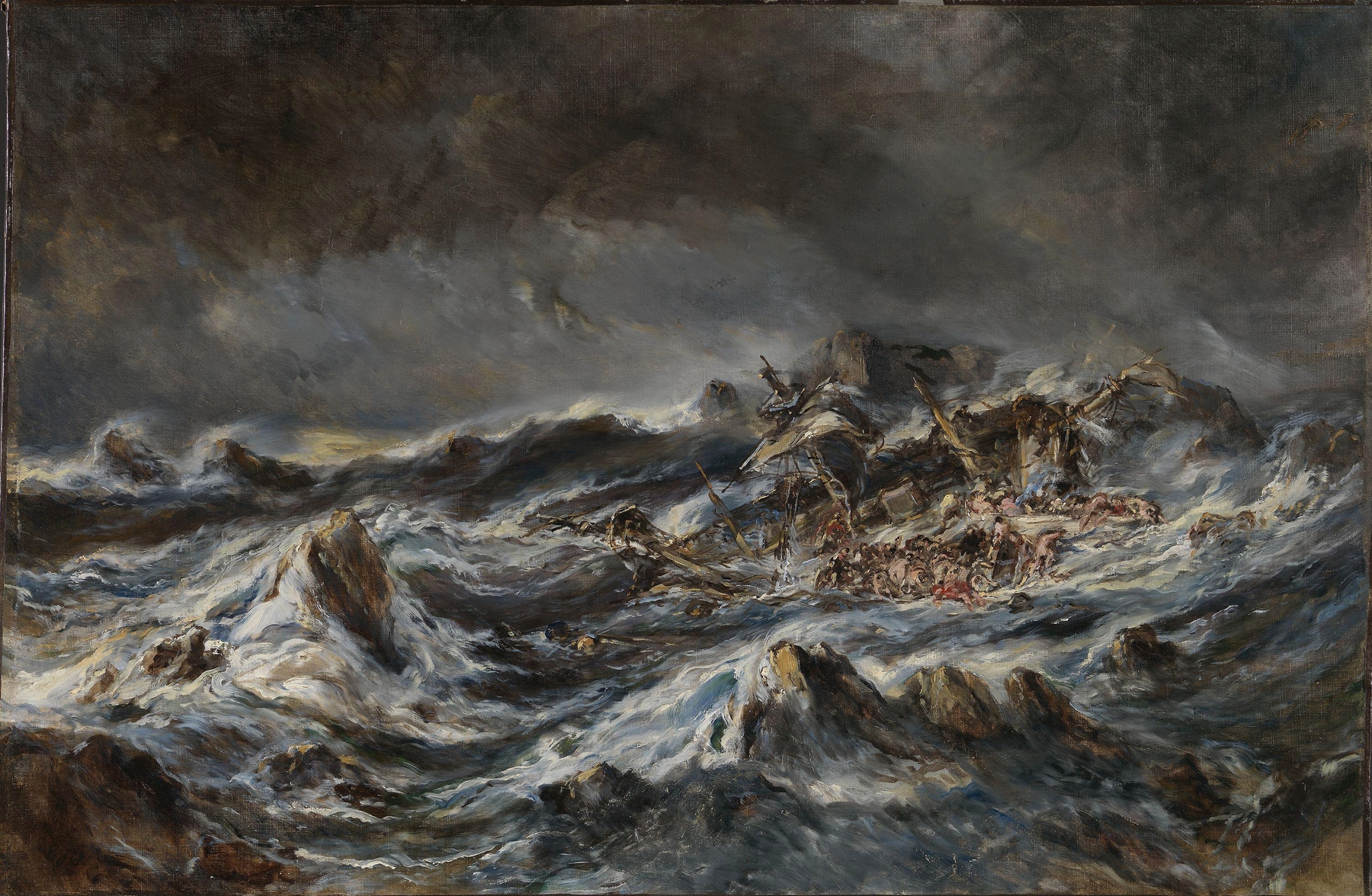
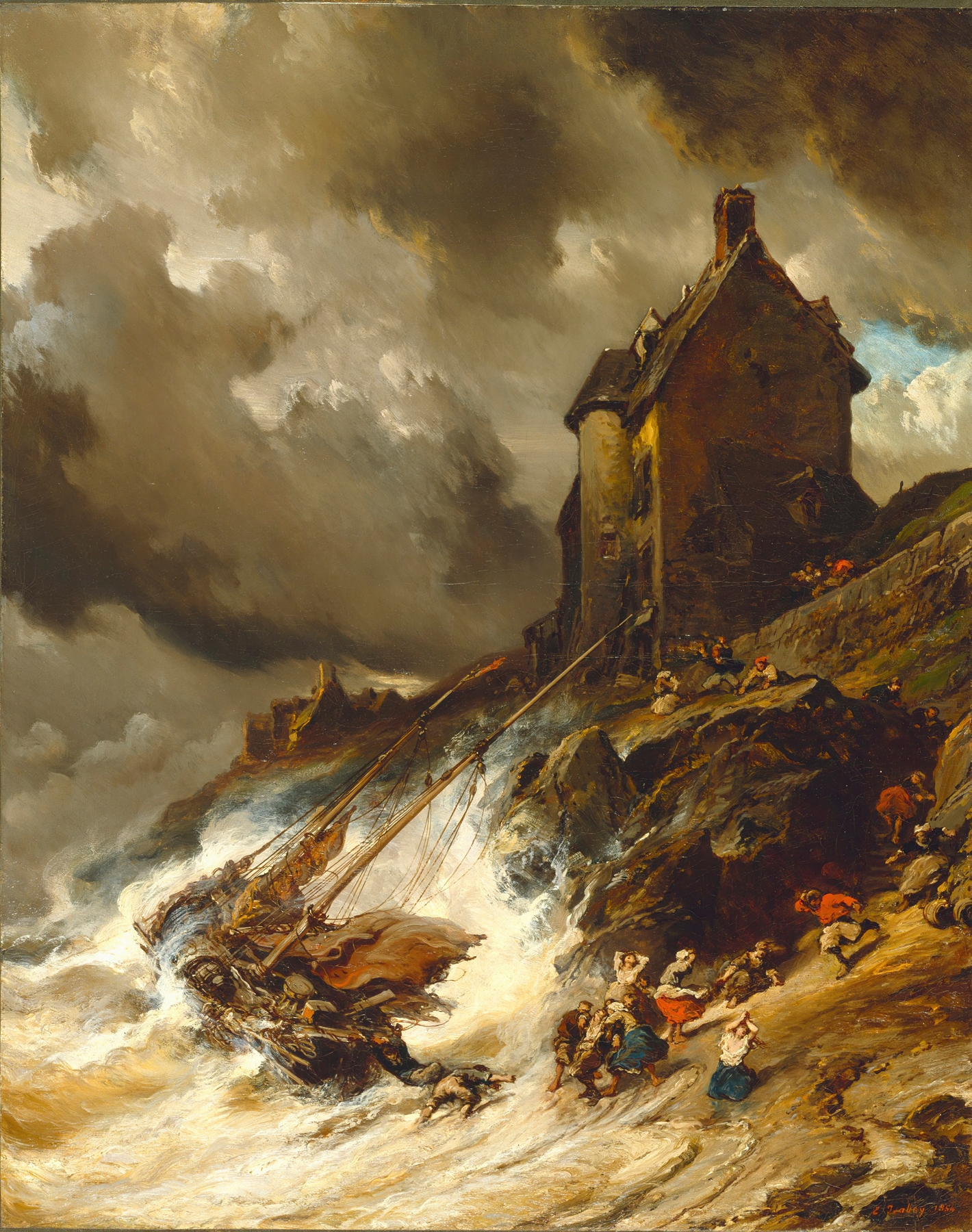
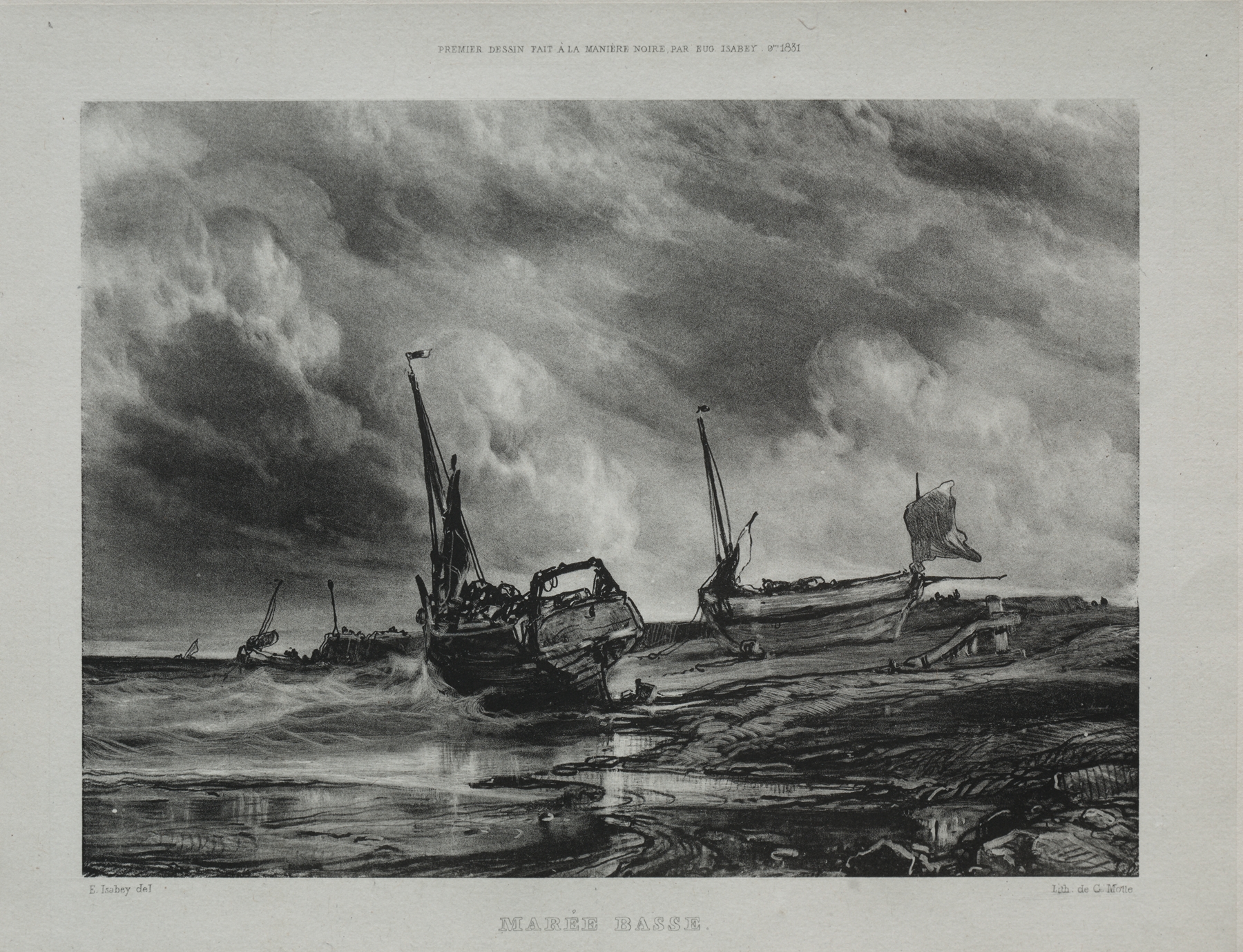
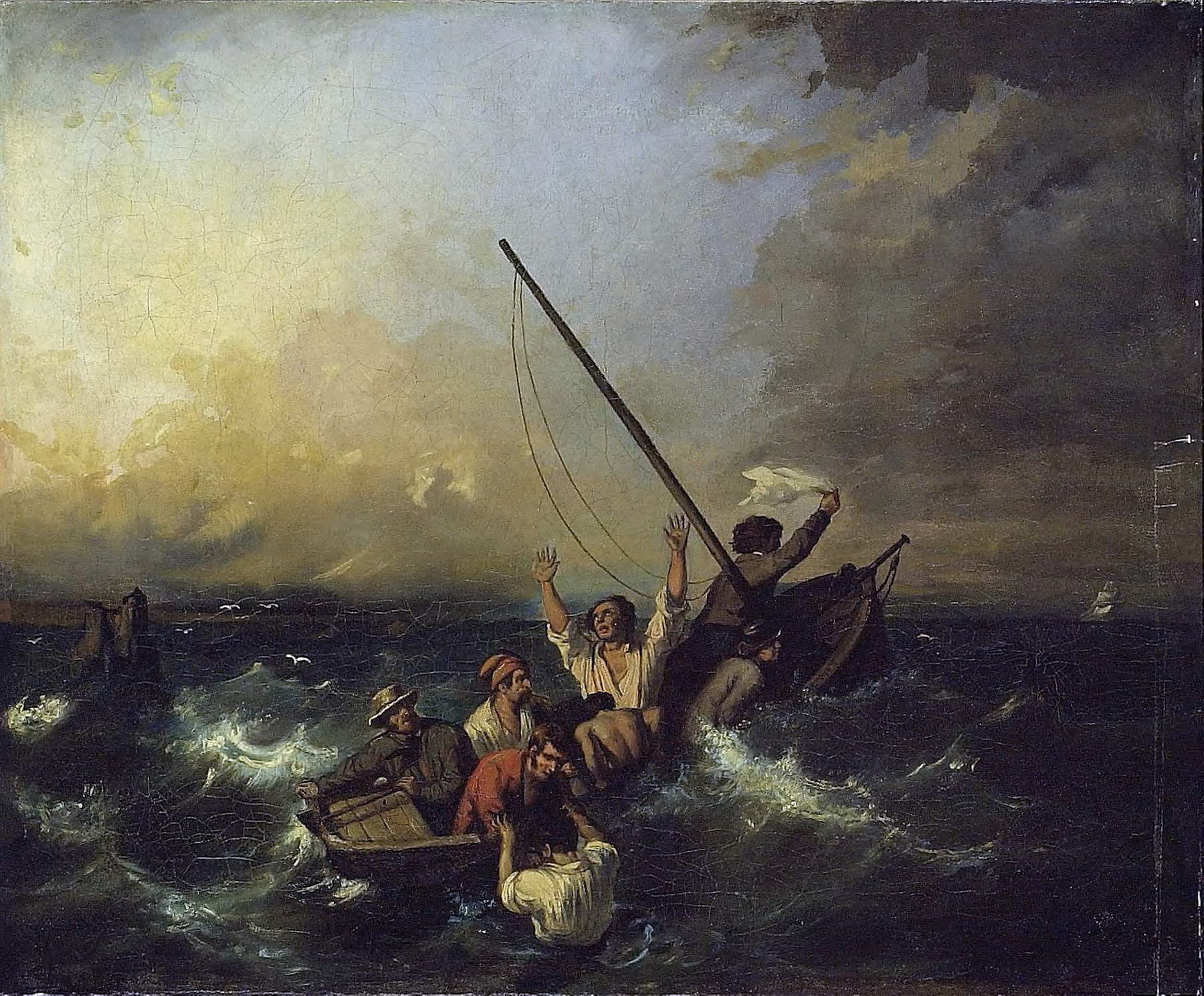
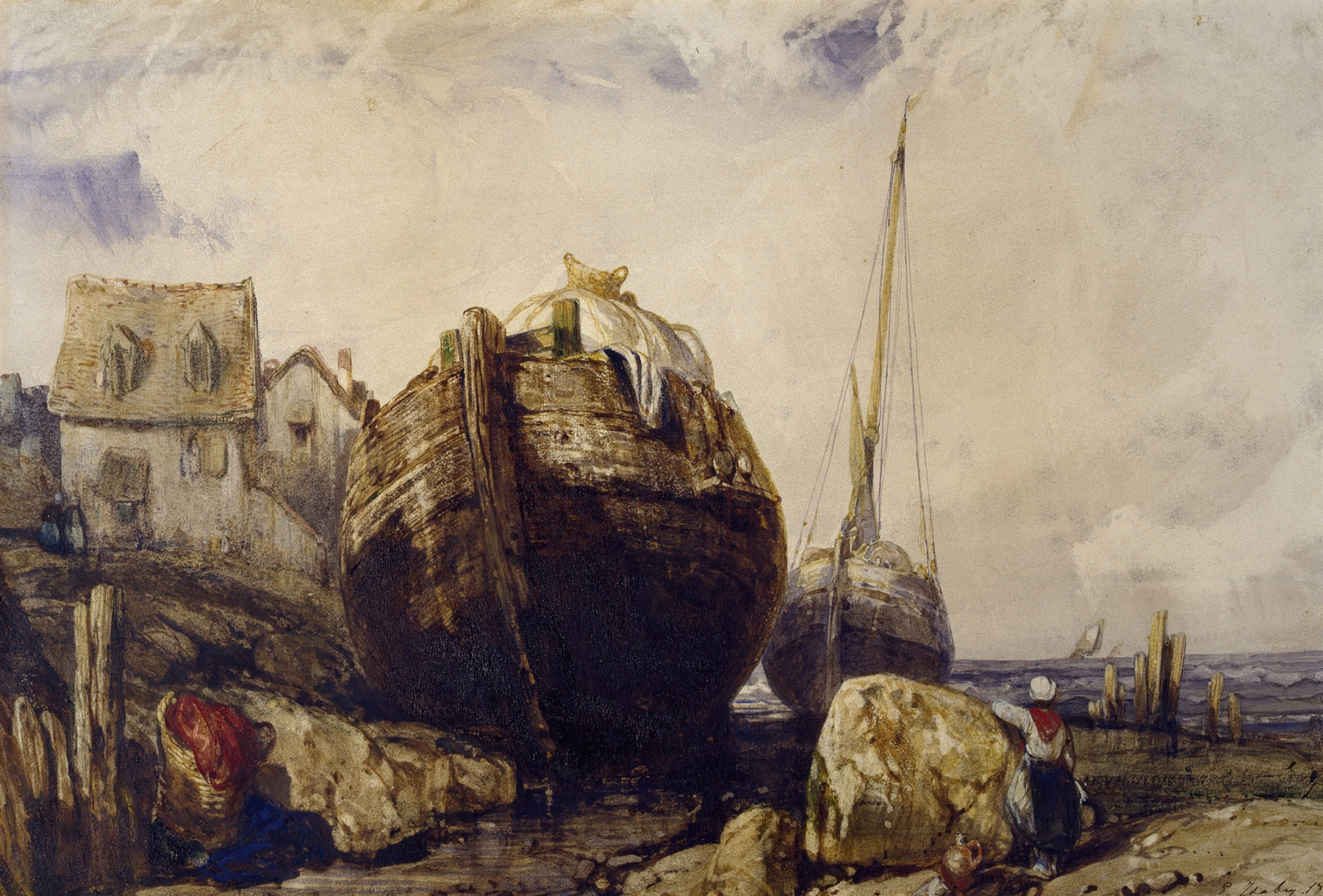
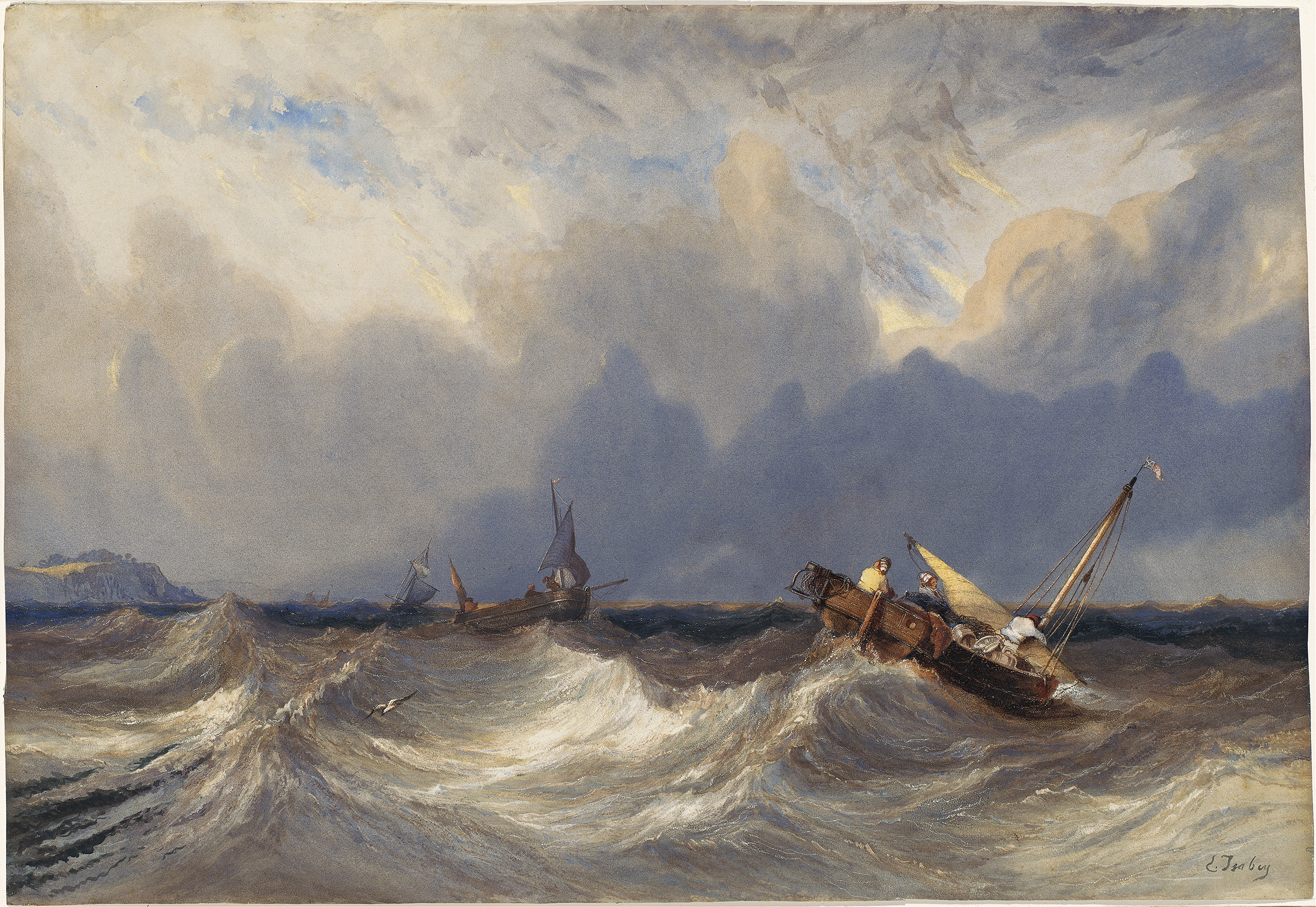
Can paint confess what words never could? The stroke of a brush, the blend of colors, and the silence of a captured moment speak the yearnings of the human heart. As you gaze upon the canvas, look to the left where the fishing boat gently rocks on the shimmering water, its hull reflecting the soft hues of the evening sky. The delicate brushwork creates a serene yet dynamic interplay of light, casting ripples of warmth across the scene.
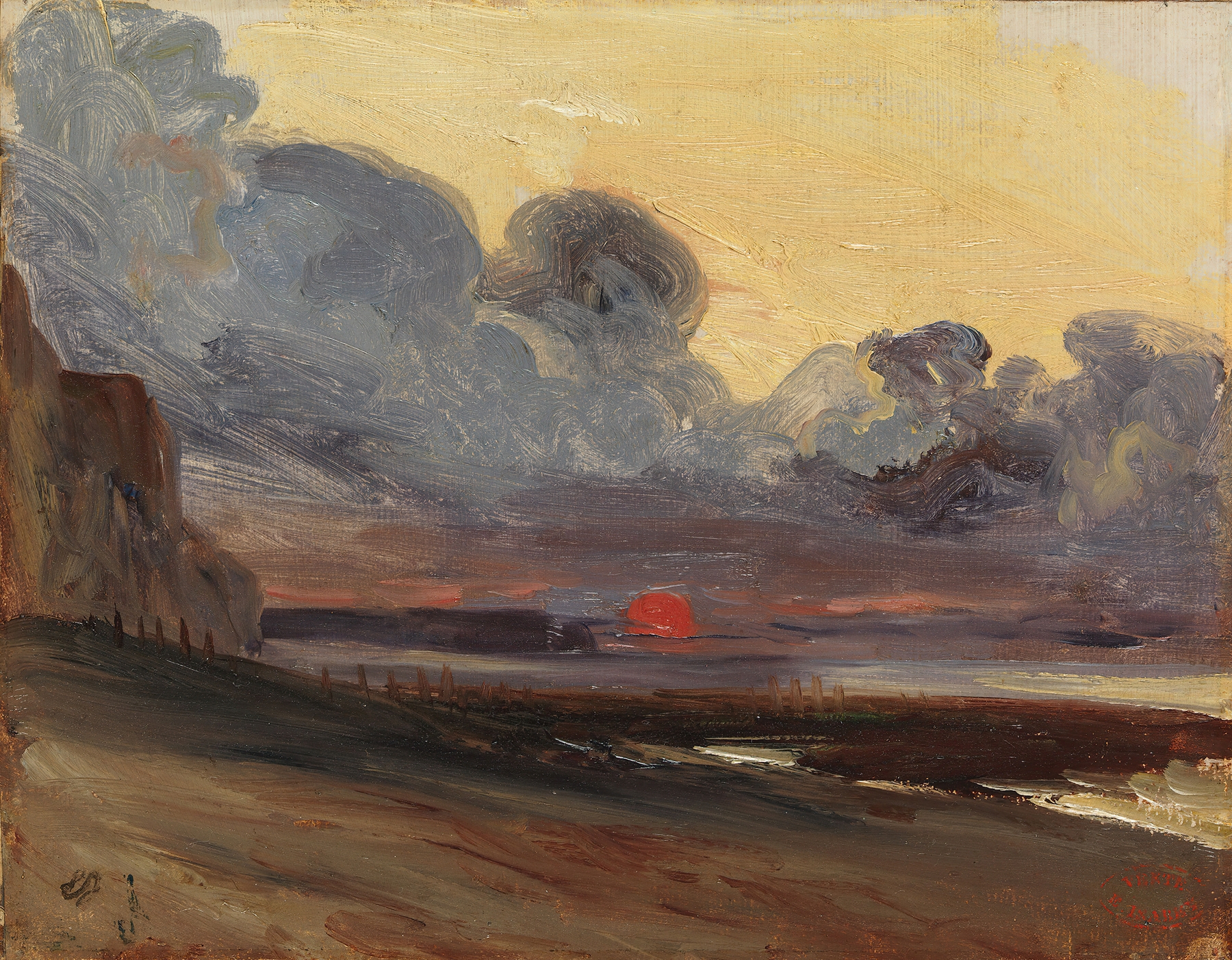
Notice how the bright oranges and muted blues harmonize, evoking the fleeting nature of day giving way to night, embodying both tranquility and anticipation as the sun dips below the horizon. Amid the idyllic seaside, there lies a tension between the boat and the broader landscape. The fisherman, surrounded by the vastness of the ocean, stands as a solitary figure, a symbol of resilience and solitude against the expansive backdrop. The contrast between the soft waves lapping the shore and the rugged outlines of distant cliffs hints at a deeper emotional narrative of aspiration and the relentless pursuit of sustenance, both physical and spiritual.
Created between 1860 and 1870, this work reflects Eugène Isabey's engagement with the French Romantic movement, focusing on harmony between humanity and nature. During this period, Isabey was known for his marine scenes, often capturing the intimate relationship between fishermen and the sea. His work emerged in an era marked by industrial transformation, which cultivated a growing nostalgia for simpler, more profound connections with the natural world.