Shipwreck — History & Analysis
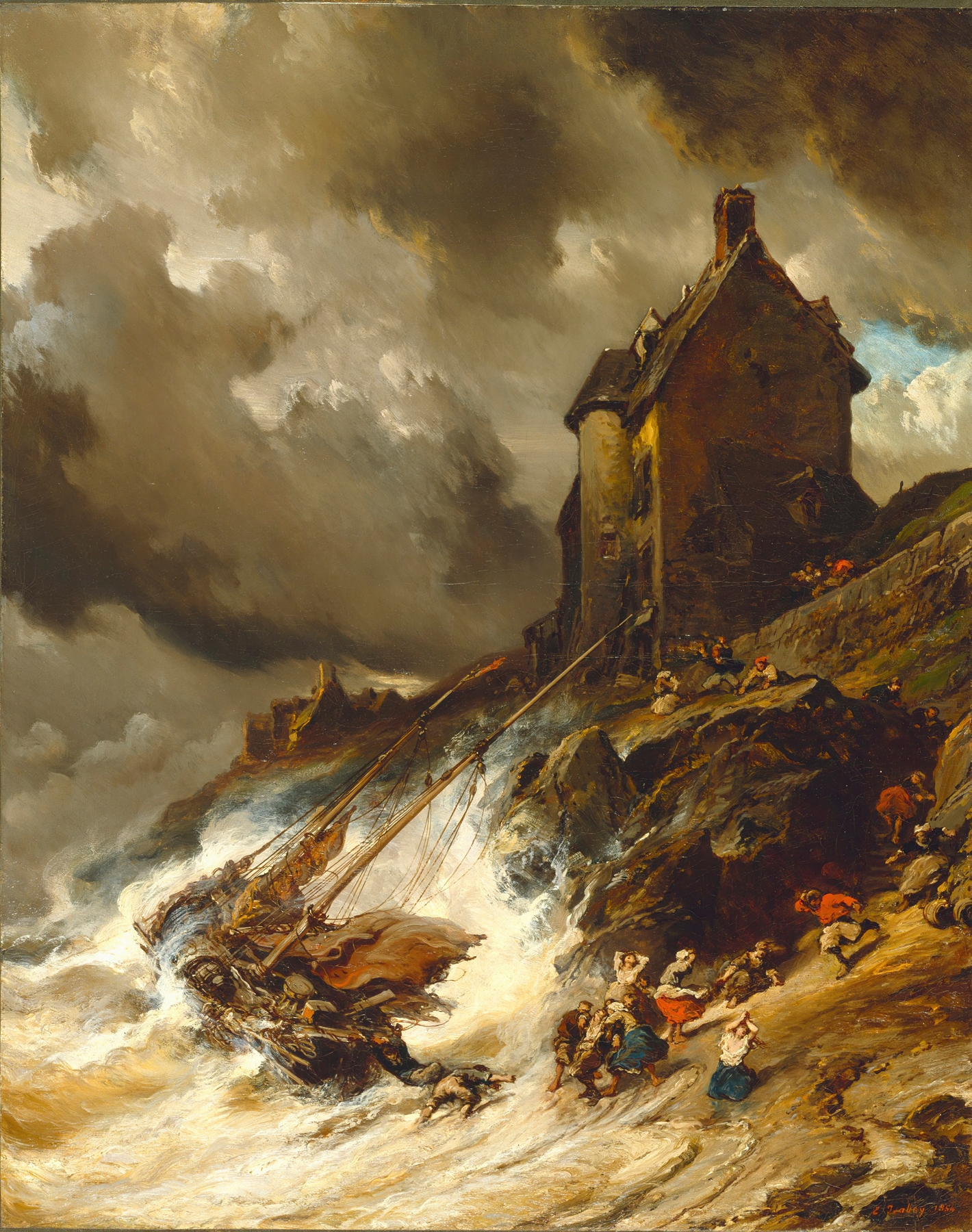
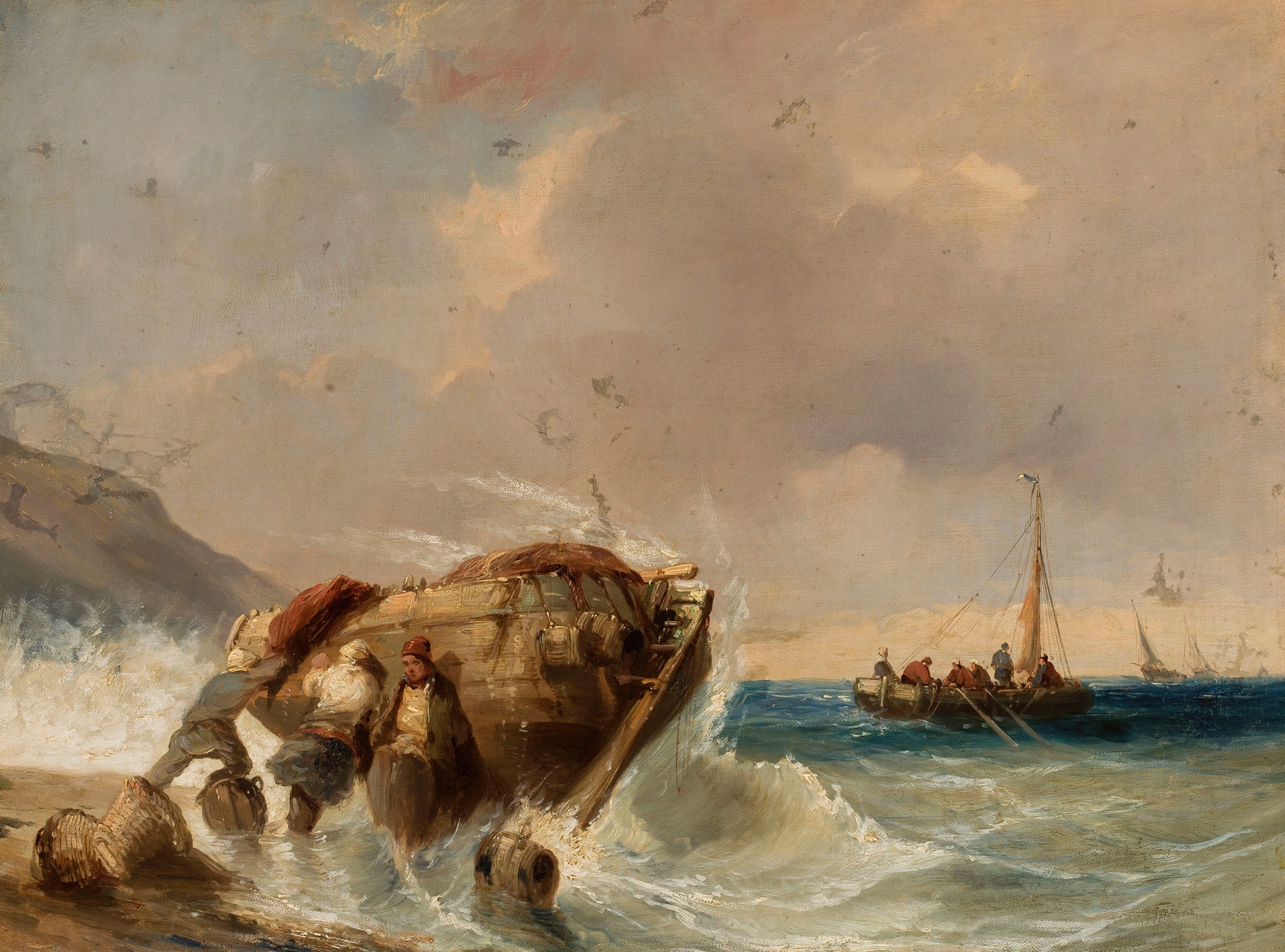
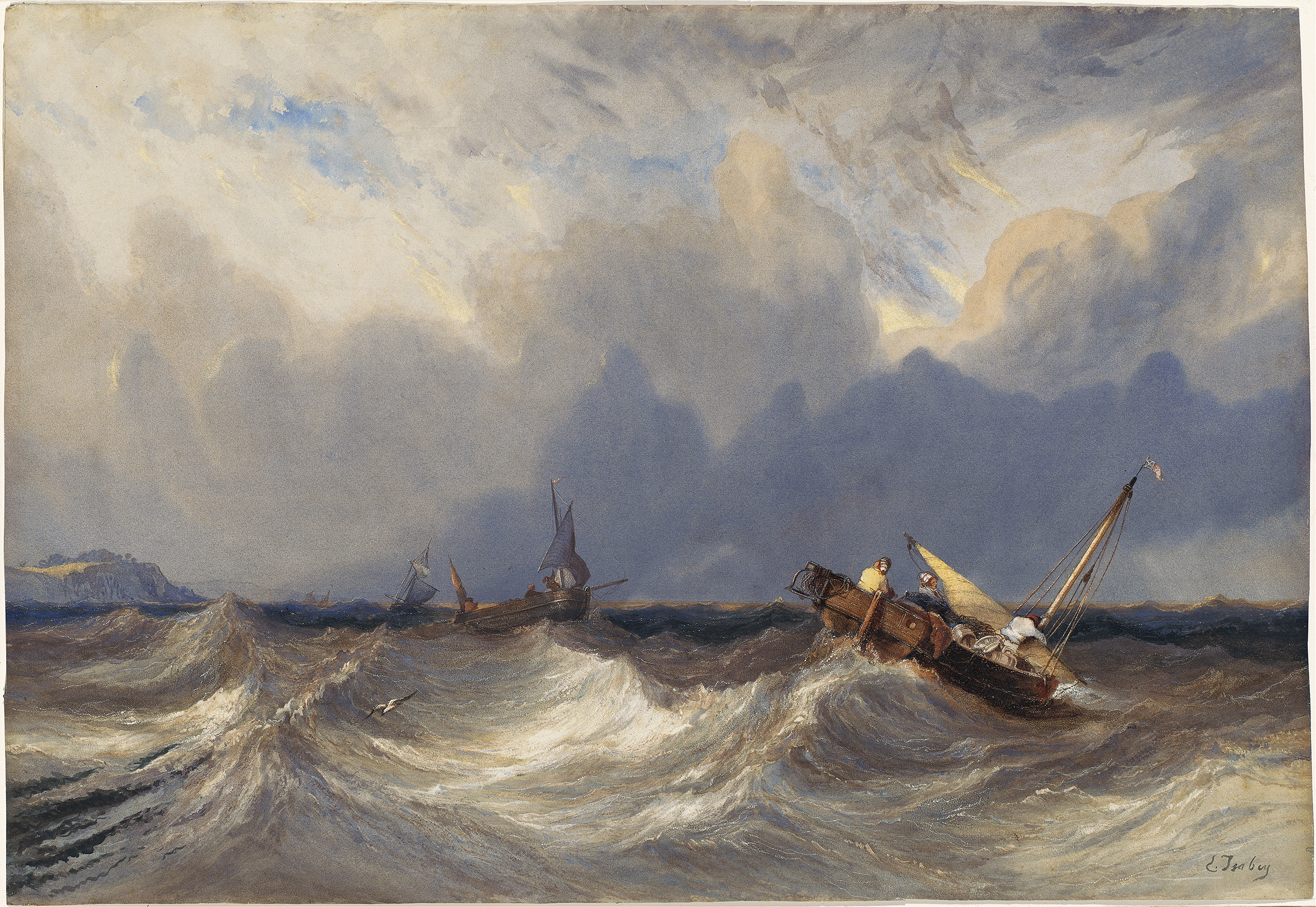
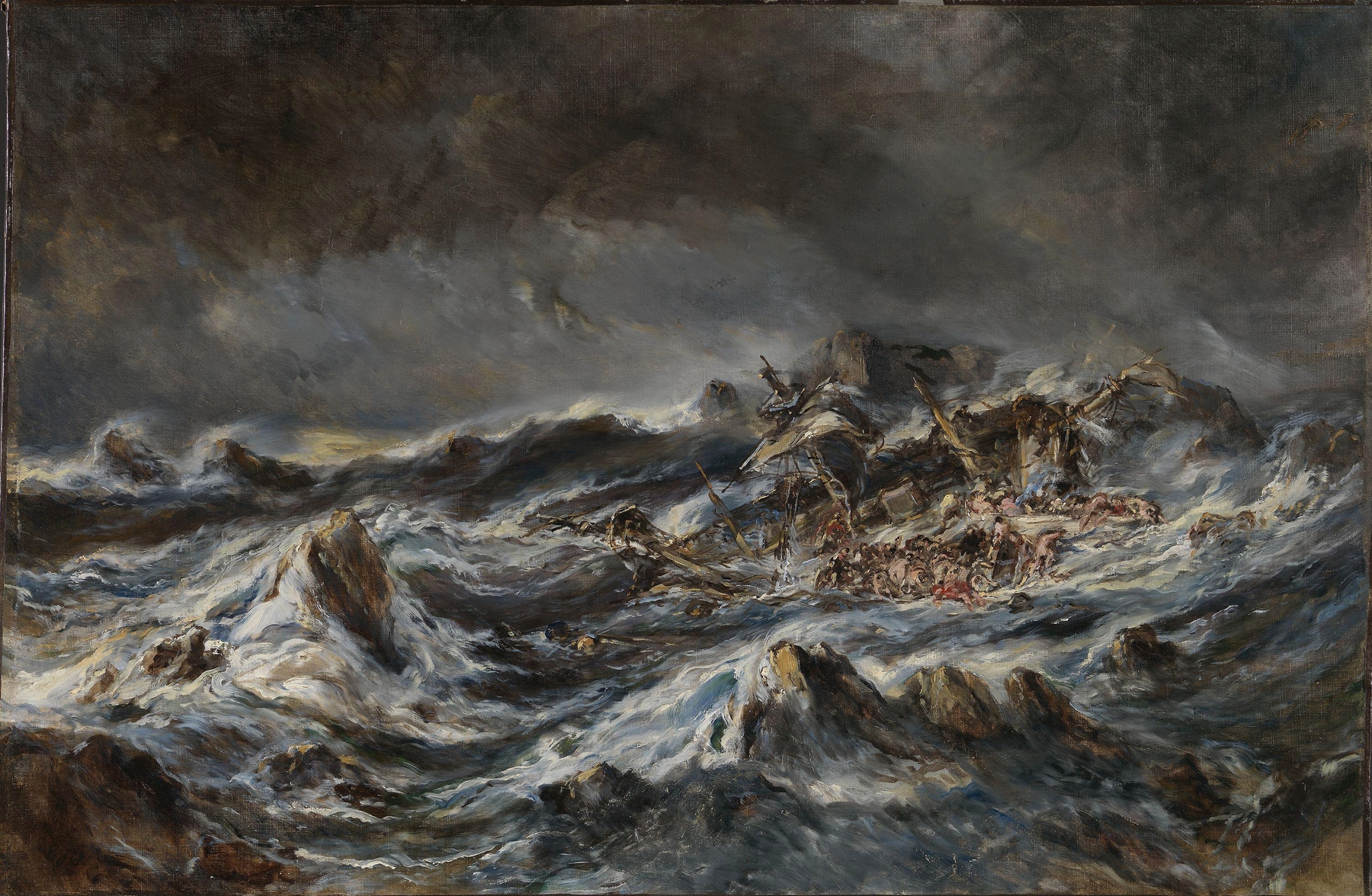
Can beauty exist without sorrow? In Shipwreck, the delicate interplay between nature’s grandeur and human vulnerability invites contemplation of this profound question. Look to the left at the tumultuous waves crashing against jagged rocks, their frothy white crests contrasting starkly with the deep, moody blues of the sea. Notice how the light filters through the tumult, creating a shimmering path that leads the eye towards the distant horizon.
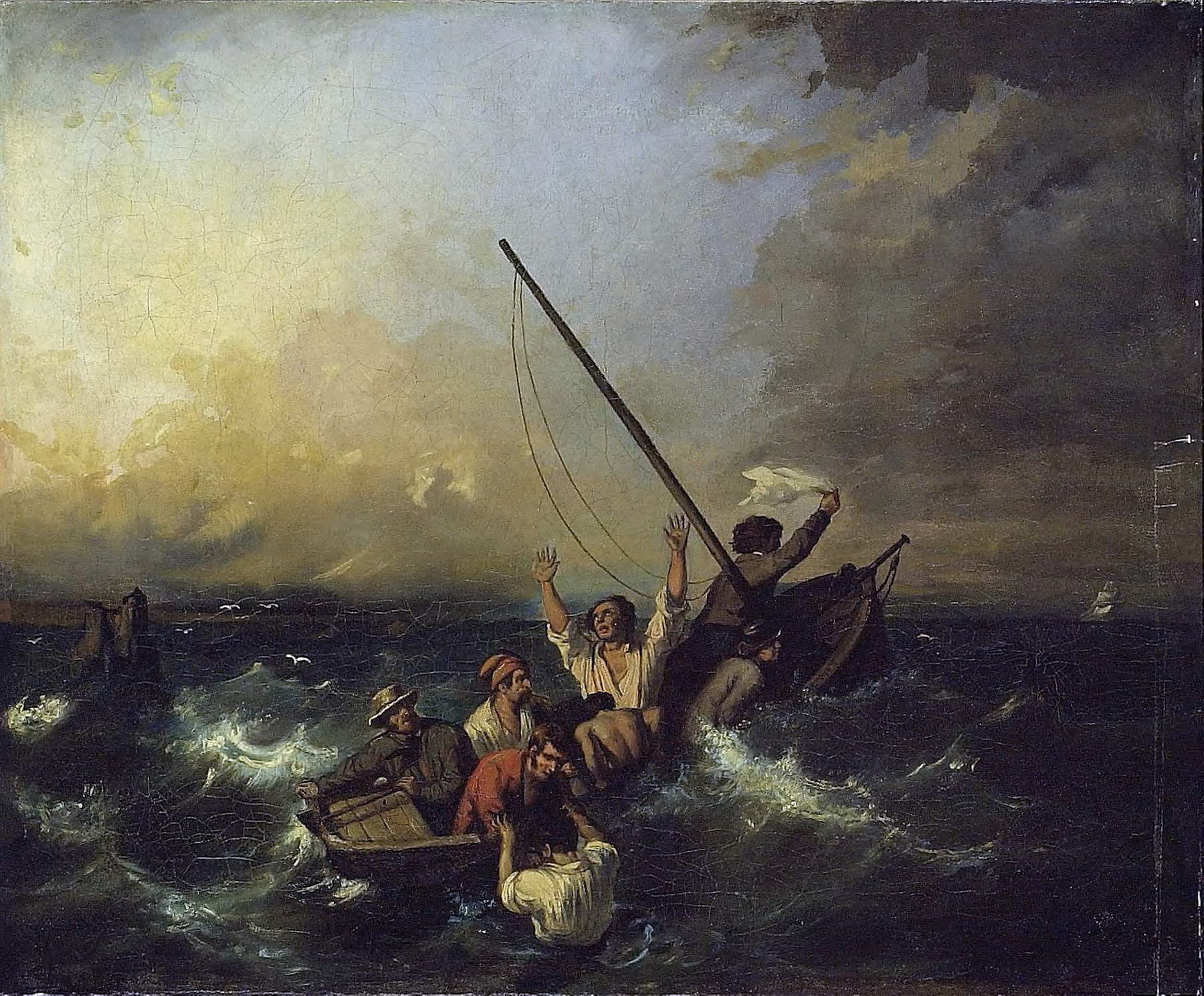
The sinking ship, silhouetted against the expansive sky, evokes a sense of isolation, while the vivid colors and dynamic brush strokes bring a sense of movement, capturing the chaos of the moment. Yet, within the chaos lies a poignant stillness. The ship, though battered, stands defiantly against the violent elements, embodying the human spirit's resilience. The surrounding darkness of the storm adds emotional weight, suggesting the fragility of life and the balance between destruction and beauty.
Each detail, from the swirling clouds to the glint of sunlight breaking through, reflects a delicate tension—a reminder that even in despair, there exists a haunting allure. Eugène Isabey painted Shipwreck during a time of personal and artistic transition, between 1840 and 1886. This period marked a growing interest in Romanticism and the sublime in art, as well as shifts in the socio-political landscape of Europe. Isabey, influenced by these currents, sought to convey a deeper emotional resonance through landscapes that reveal the interplay of nature and human existence, reflecting both his personal journey and the broader artistic movements of his time.