Fishing Boats — History & Analysis
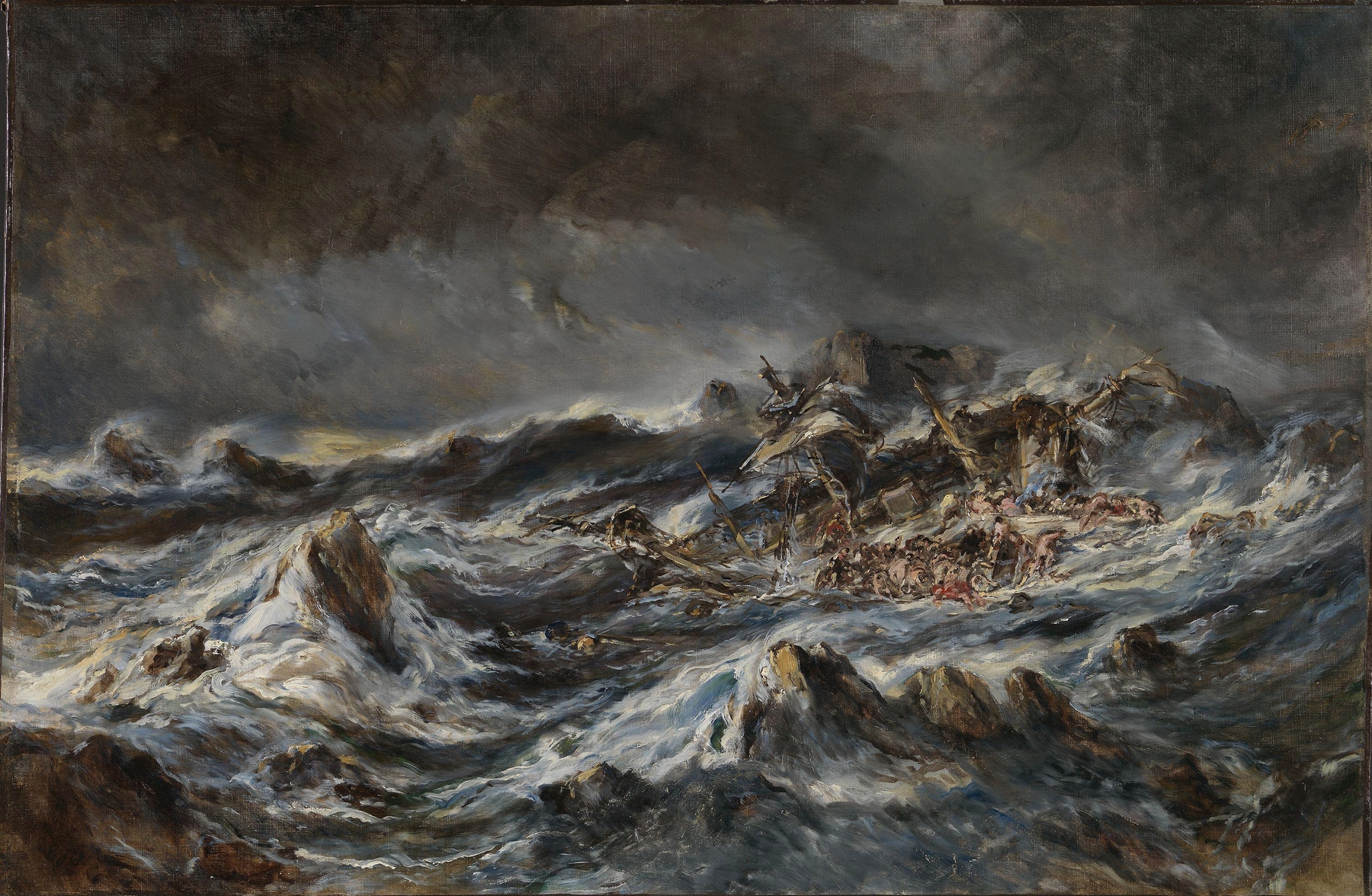
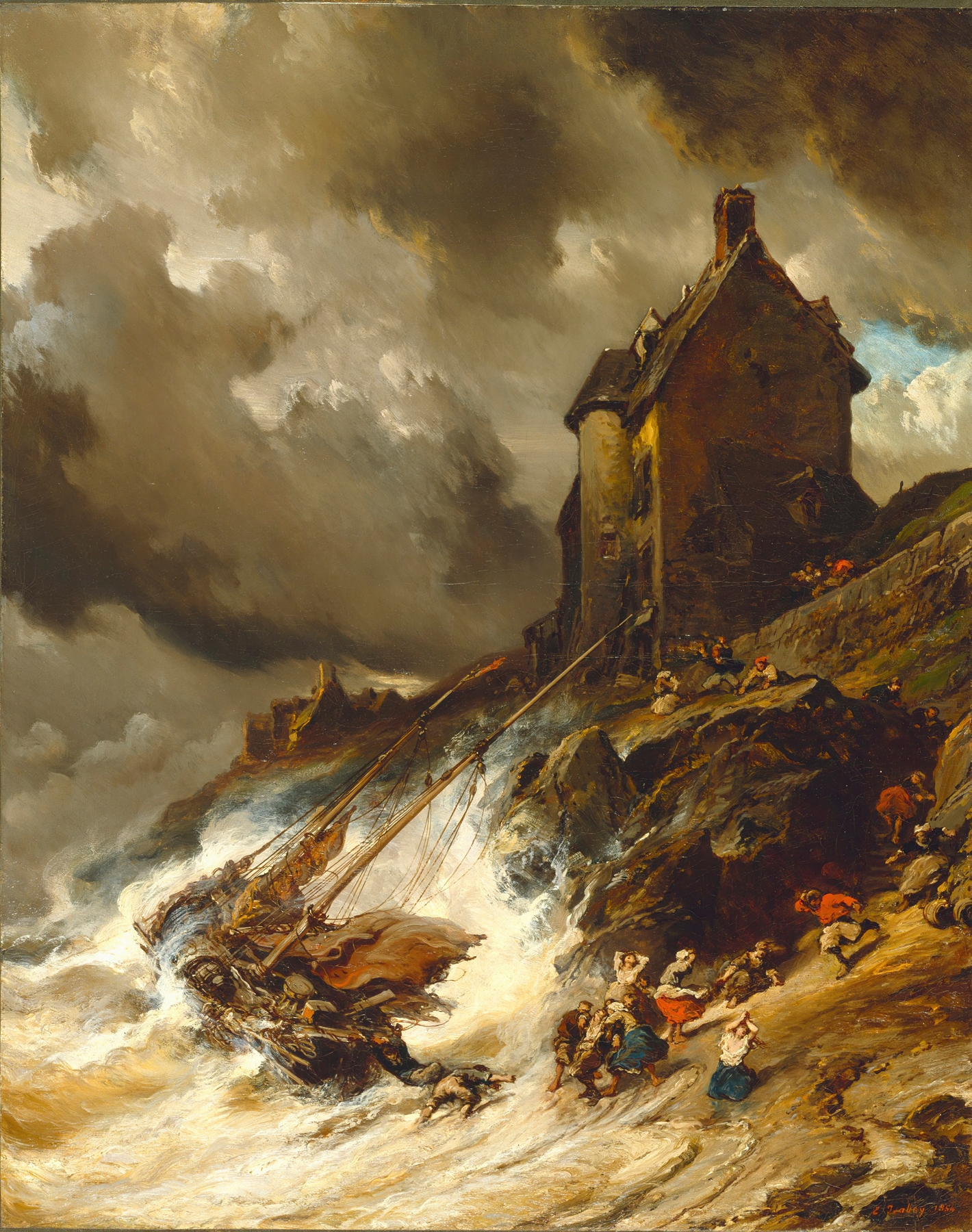
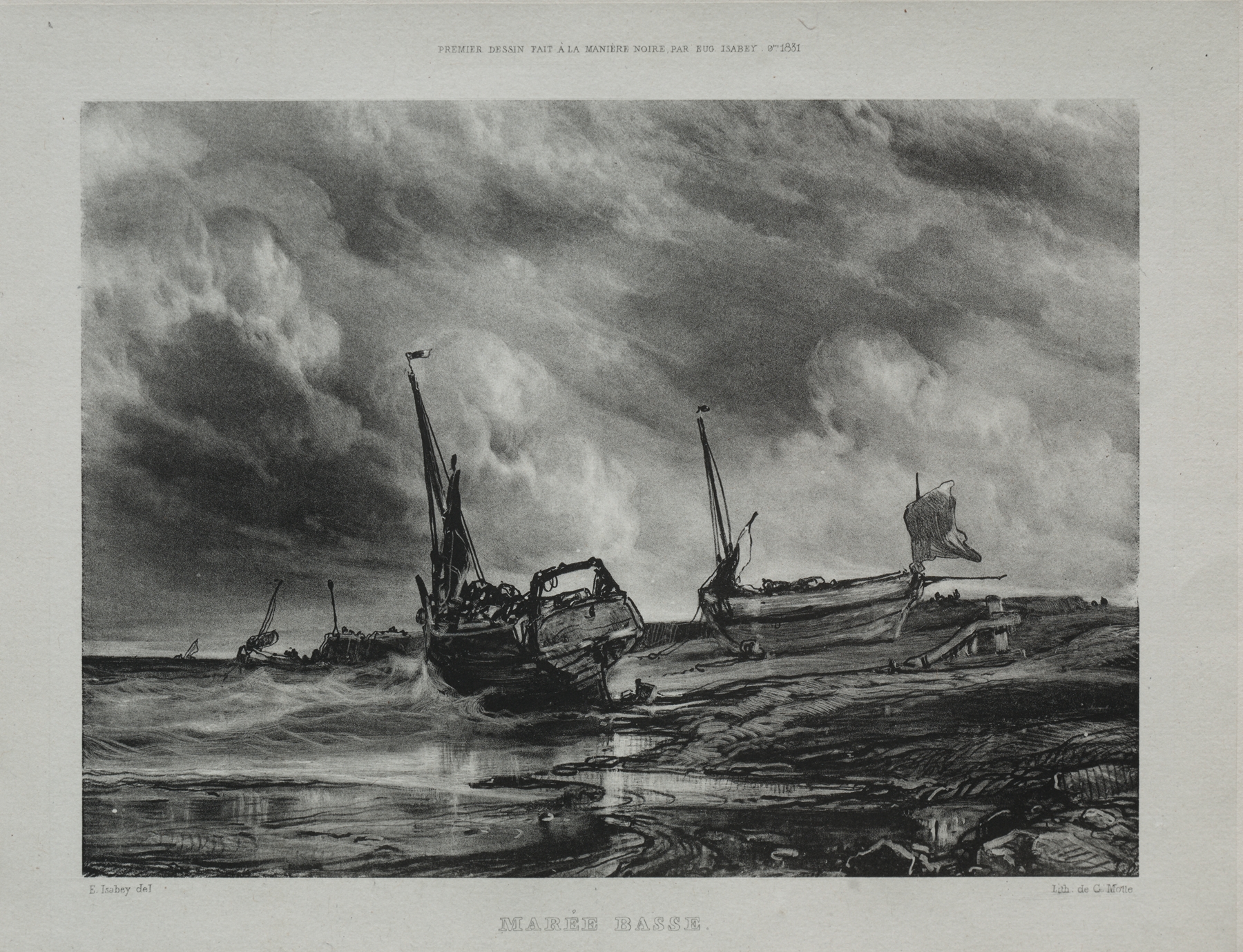
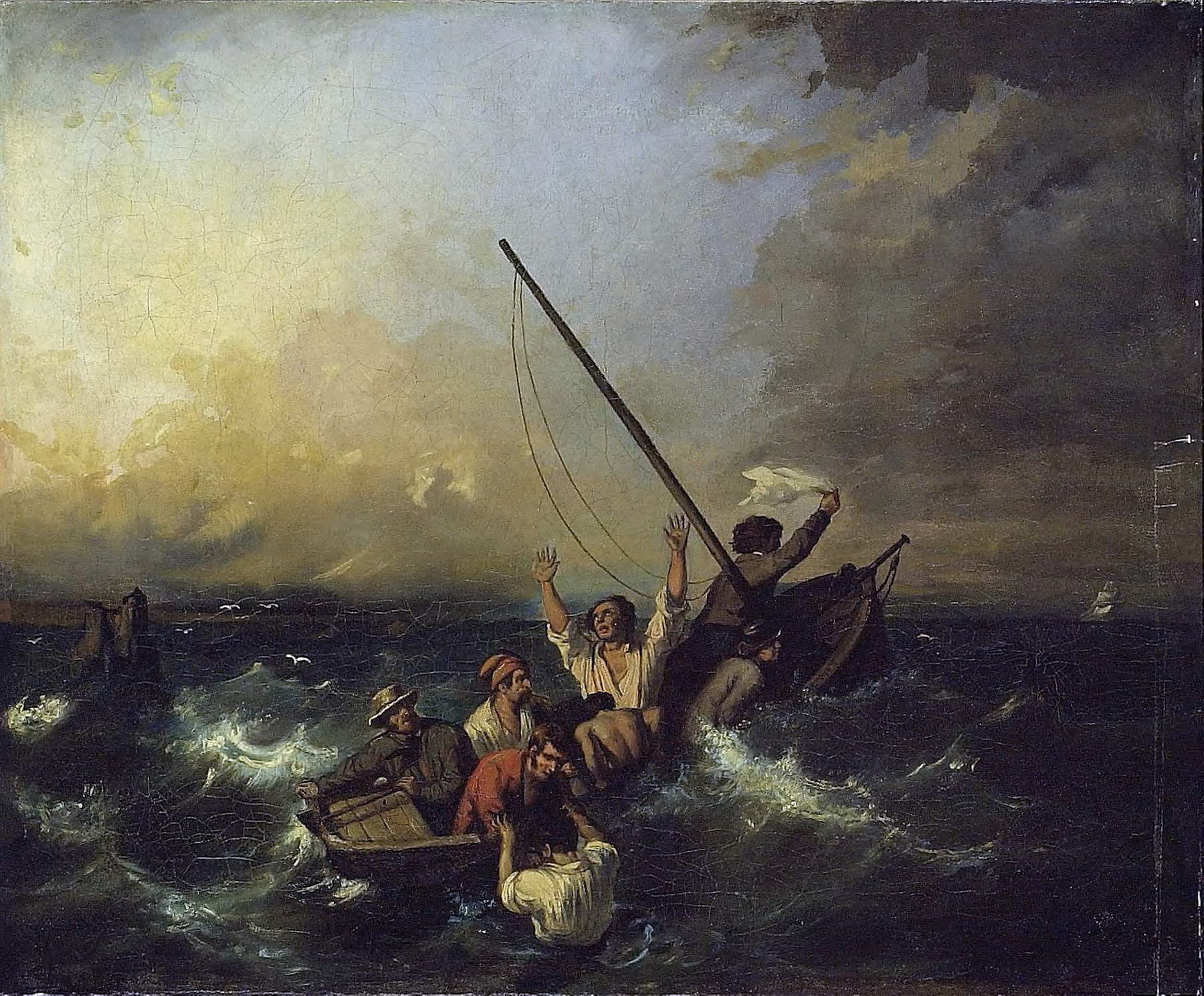
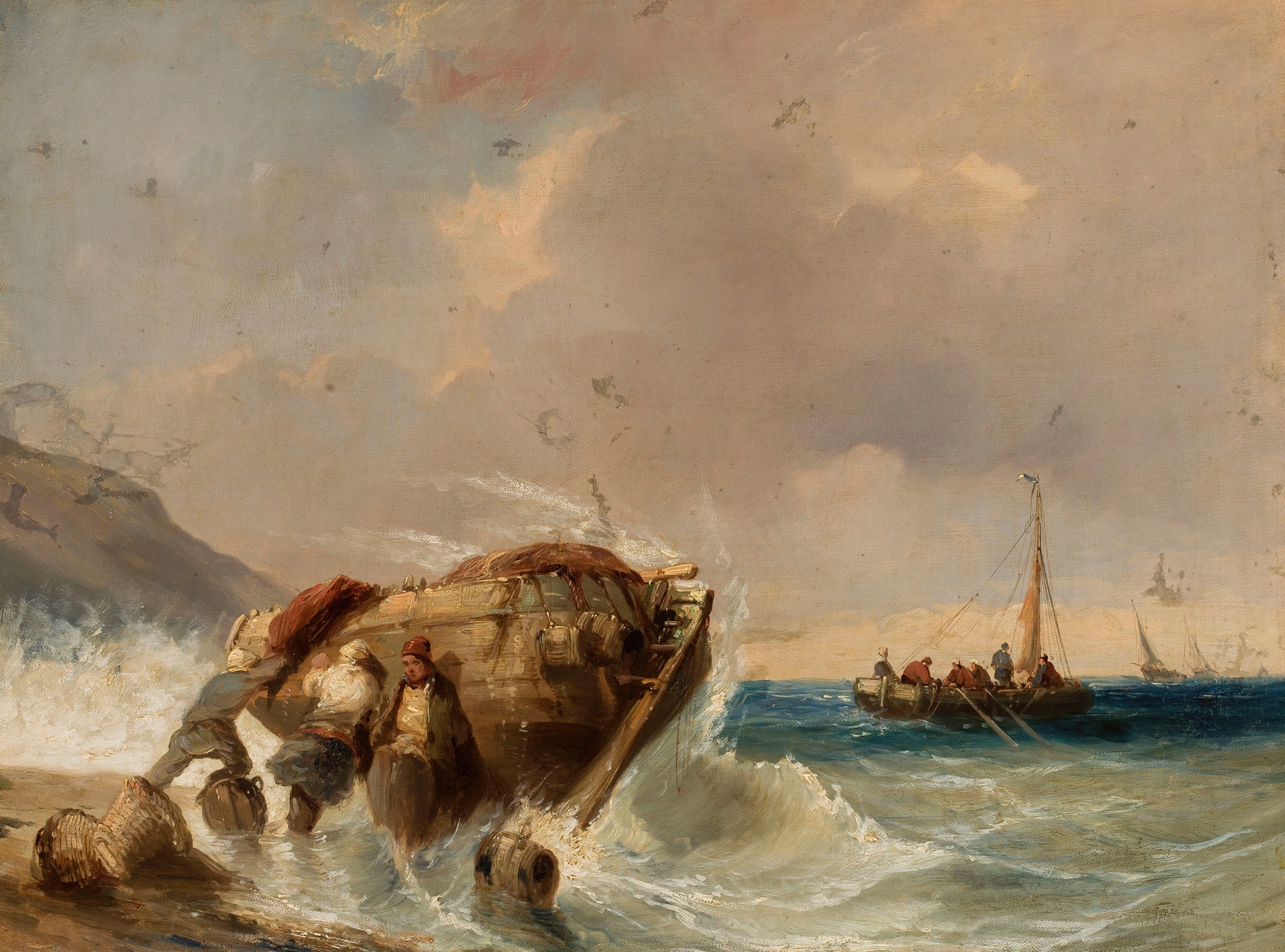
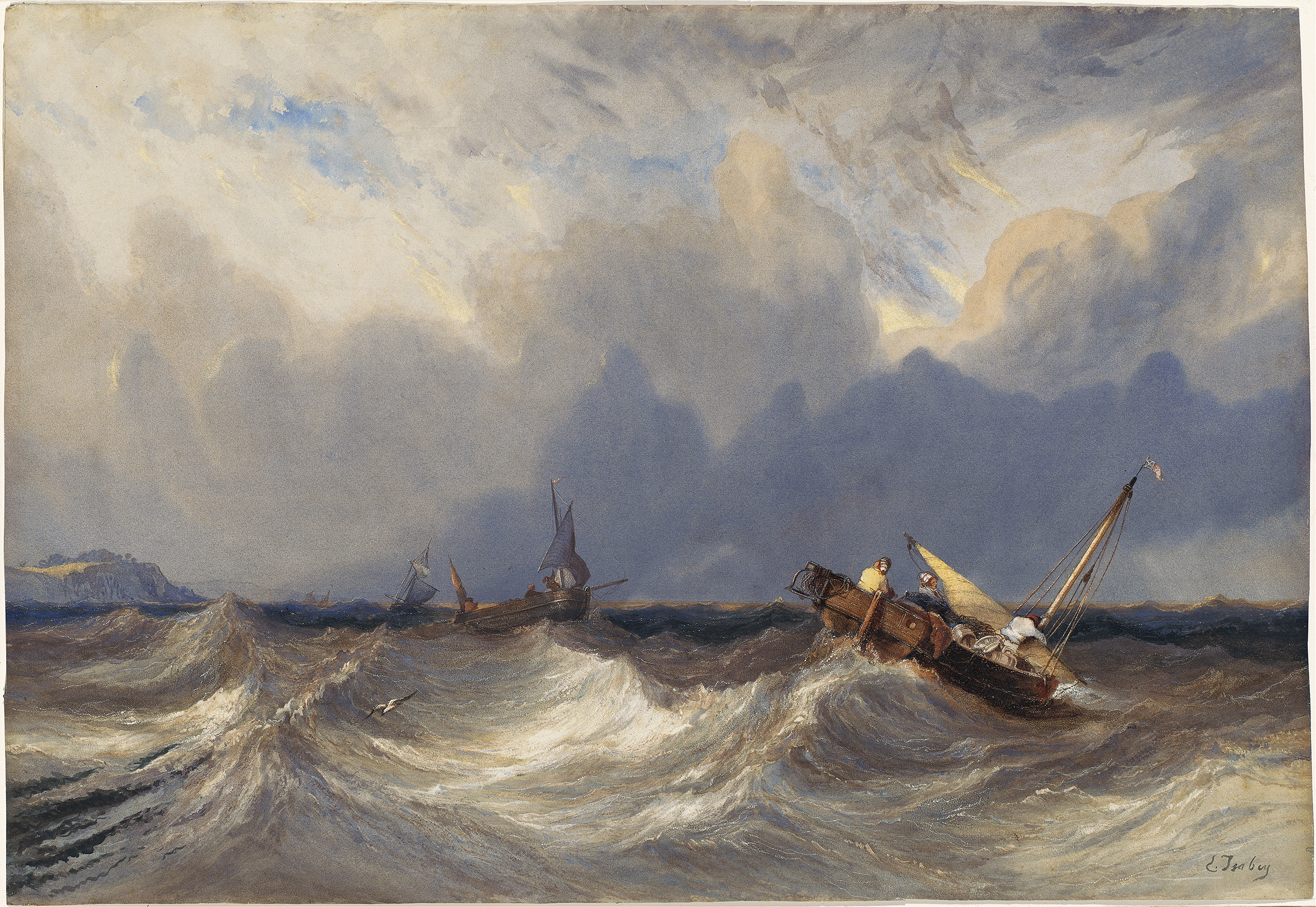
When did color learn to lie? Every hue in Fishing Boats whispers a truth of time, drawing us into the depths of its maritime narrative. Look to the left at the vivid blues of the water, each brushstroke capturing the lively dance of waves under a sun-drenched sky. Notice how the warm golden light casts shimmering reflections on the surface, guiding your gaze to the boats bobbing gently with the tide.
The artist’s adept handling of color creates a harmonious balance, with the boats’ earthy tones contrasting against the vibrant scenery — a visual dialogue that hints at the ephemeral nature of the moment. Amidst this tranquil tableau lies a tension of existence. The boats, anchored yet restless, symbolize the eternal struggle between man and nature, a fleeting moment forever caught between the tranquil stillness and the inevitable call of the sea. The wispy clouds overhead mirror this sentiment, as they drift languidly, suggesting both the passage of time and the vastness of the sky, reminding viewers of life’s transience amidst the stability of the boats.
Eugène Isabey painted this work in 1836 while residing in France, a time when Romanticism was shaping the artistic landscape. The world was experiencing the Industrial Revolution, which stirred complex feelings towards nature and the changing environment. Isabey, deeply influenced by both seascapes and the changing tides of society, sought to capture this moment in time — a delicate balance that resonates through his brushwork, firmly rooting us in an era of transformation.