A Study — History & Analysis
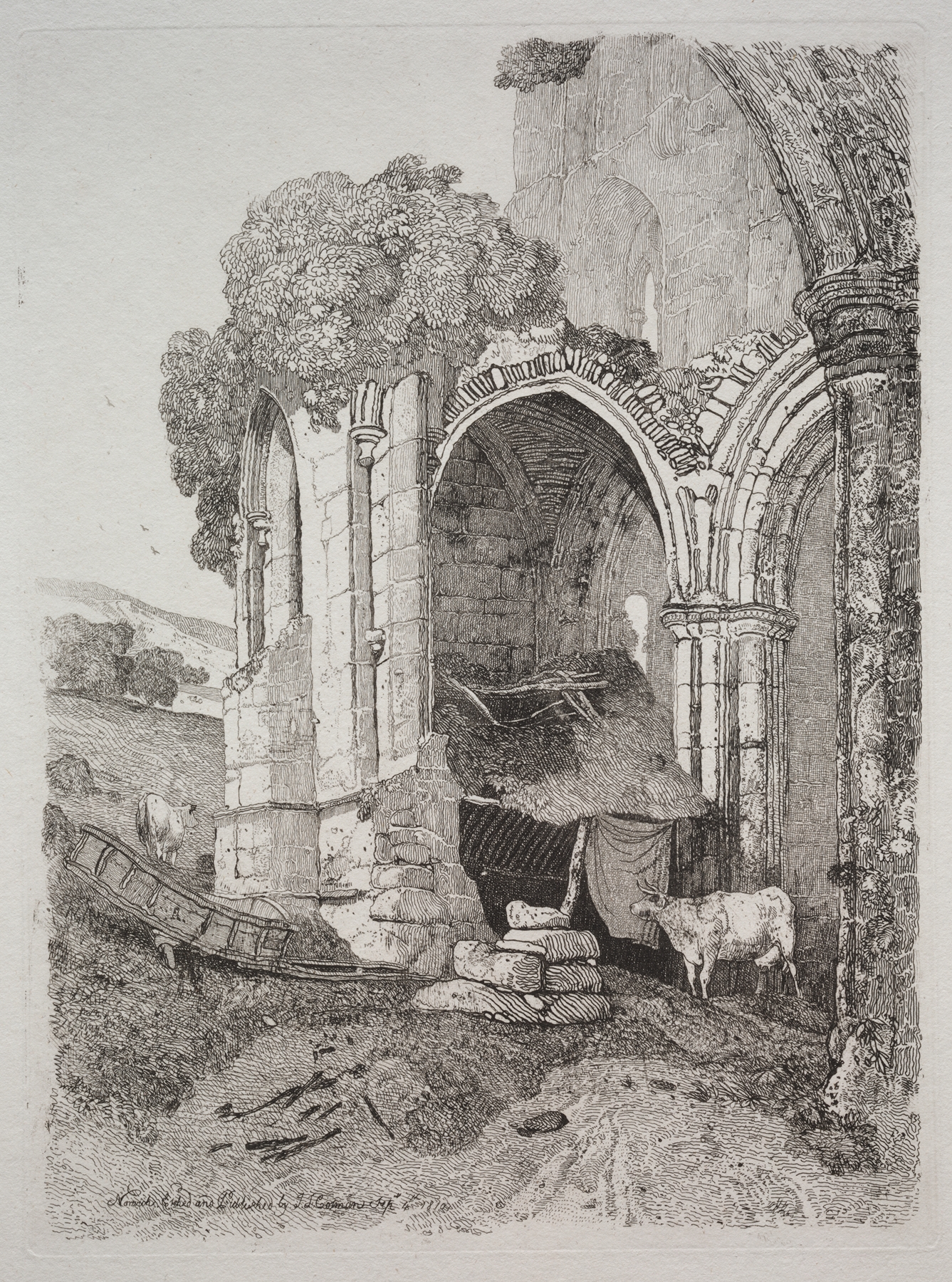
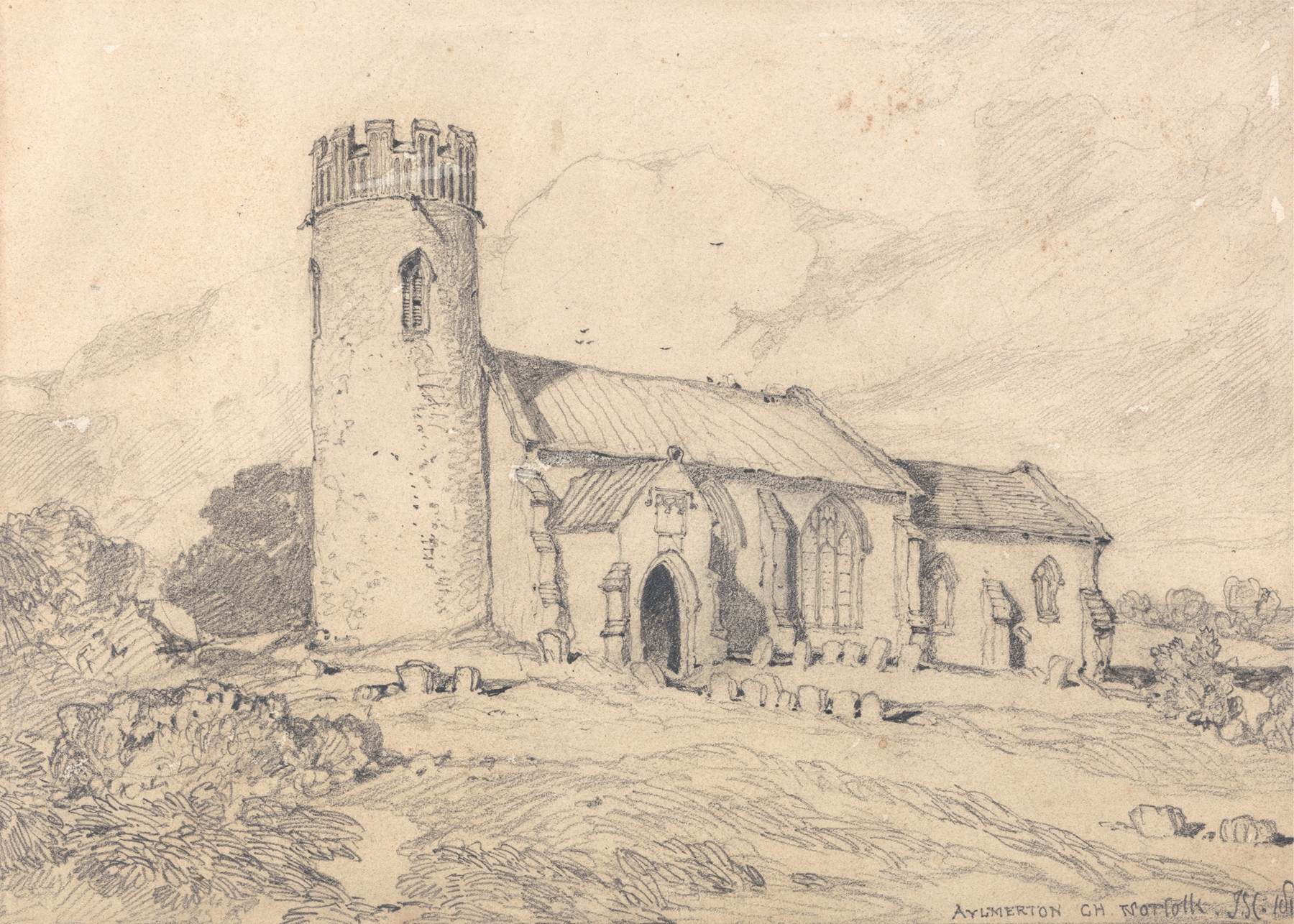
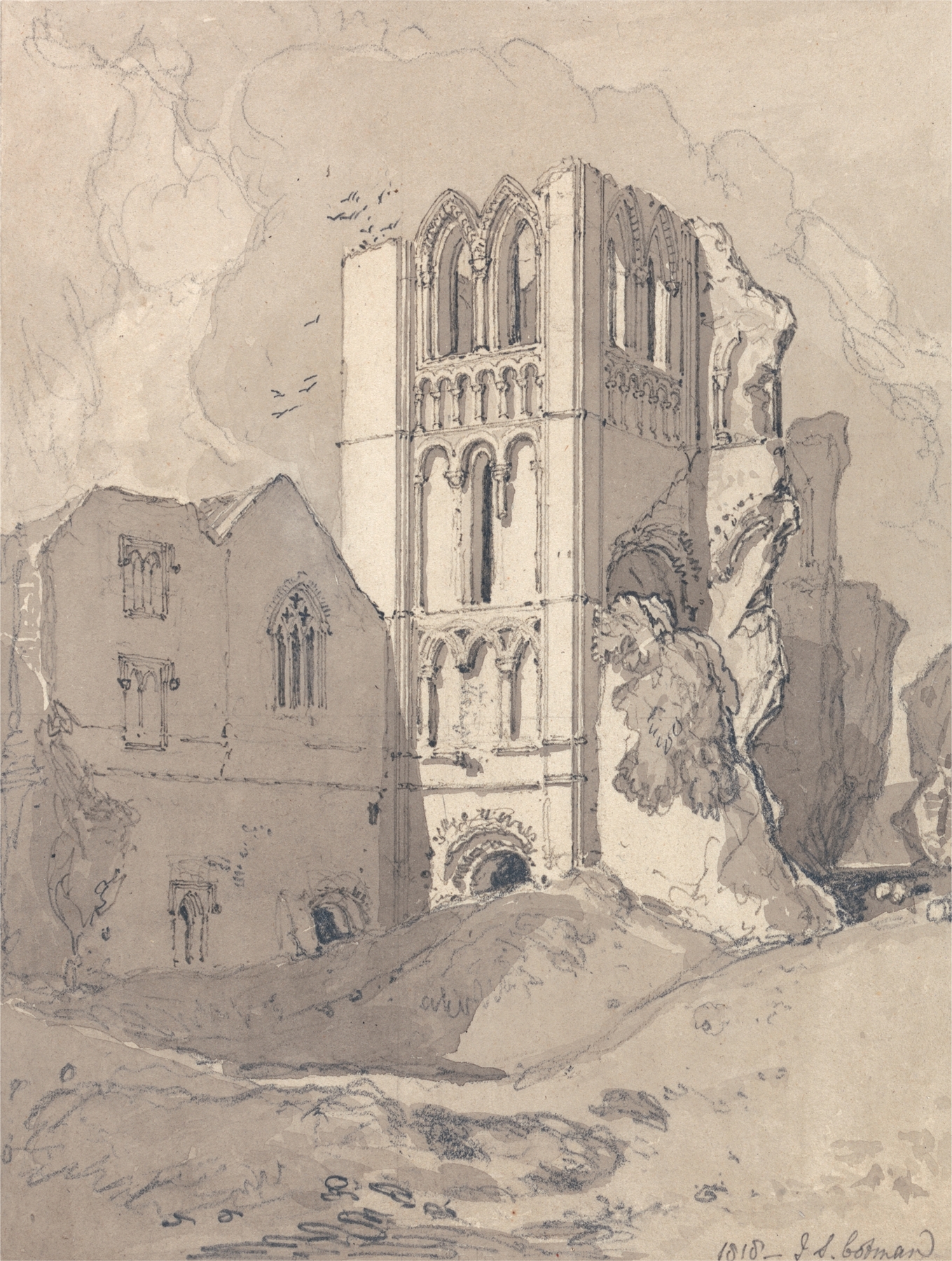
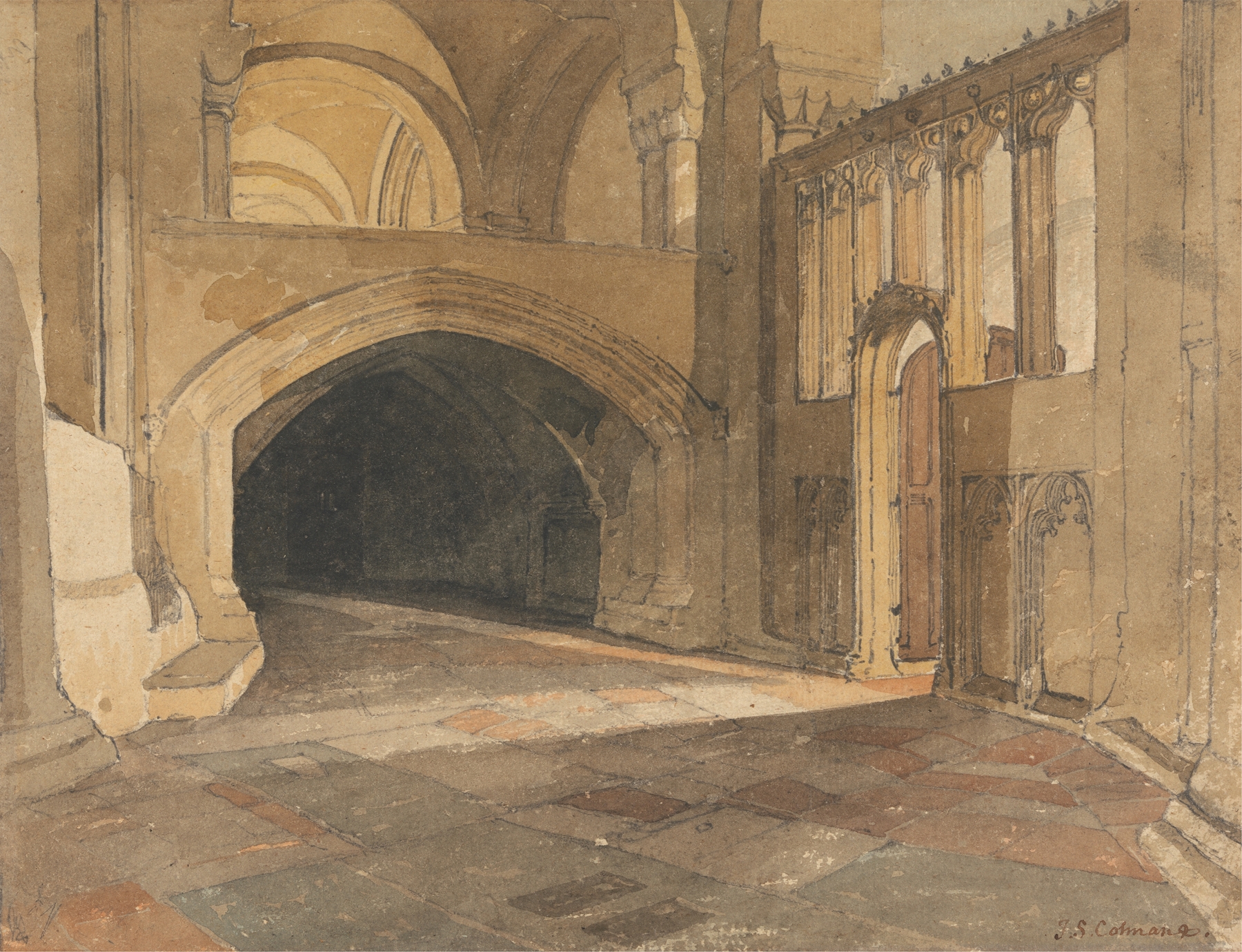
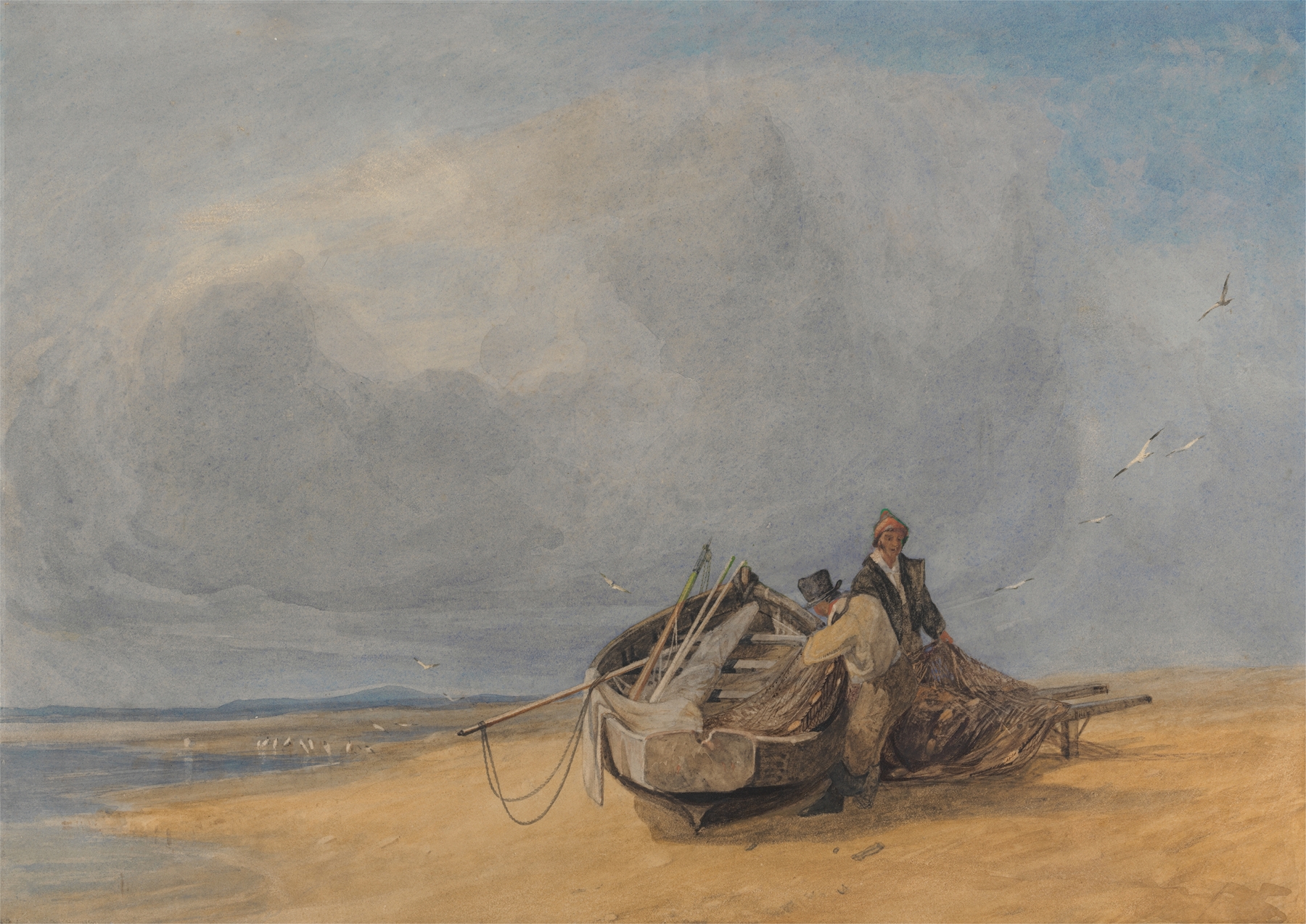
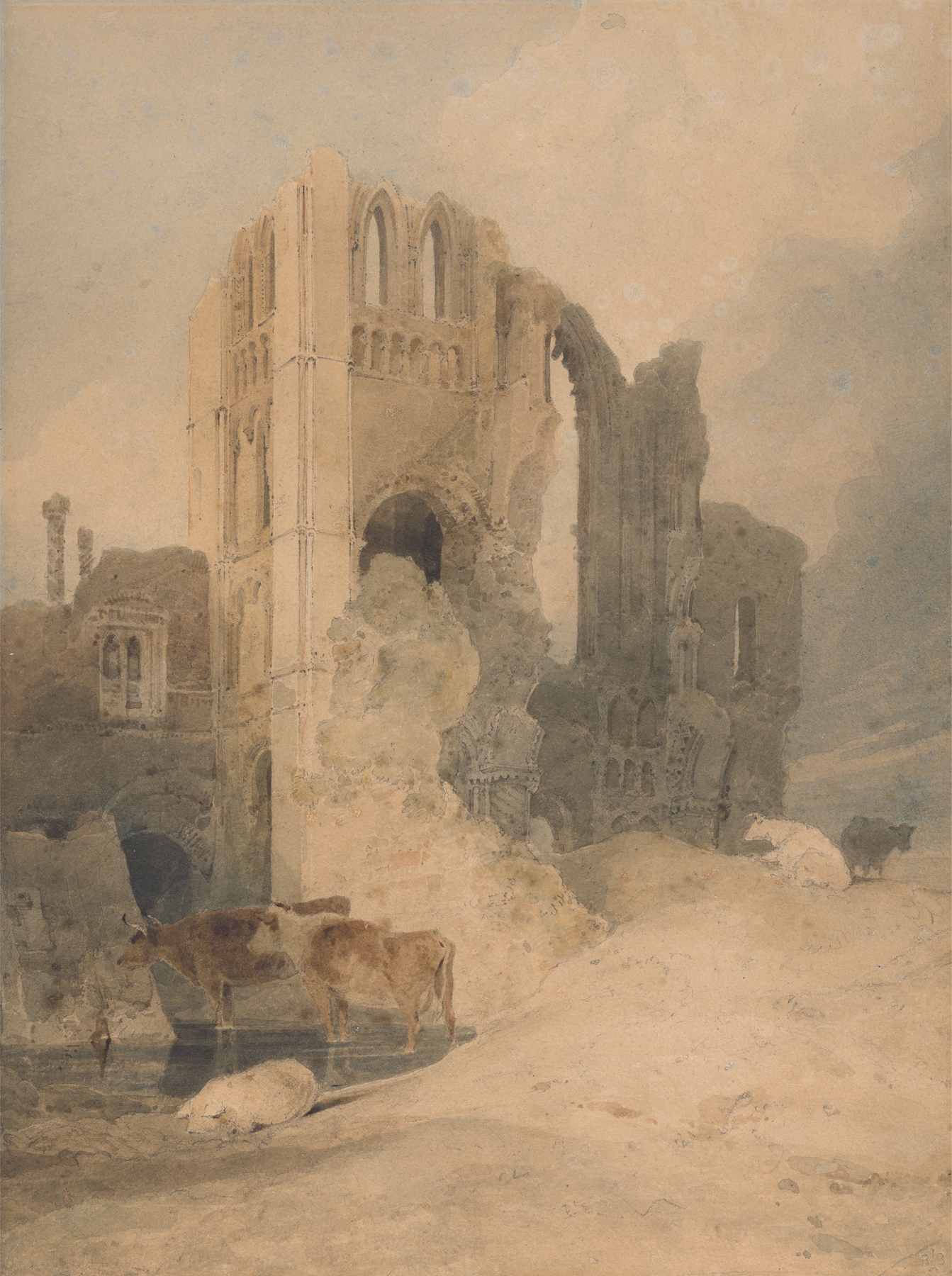
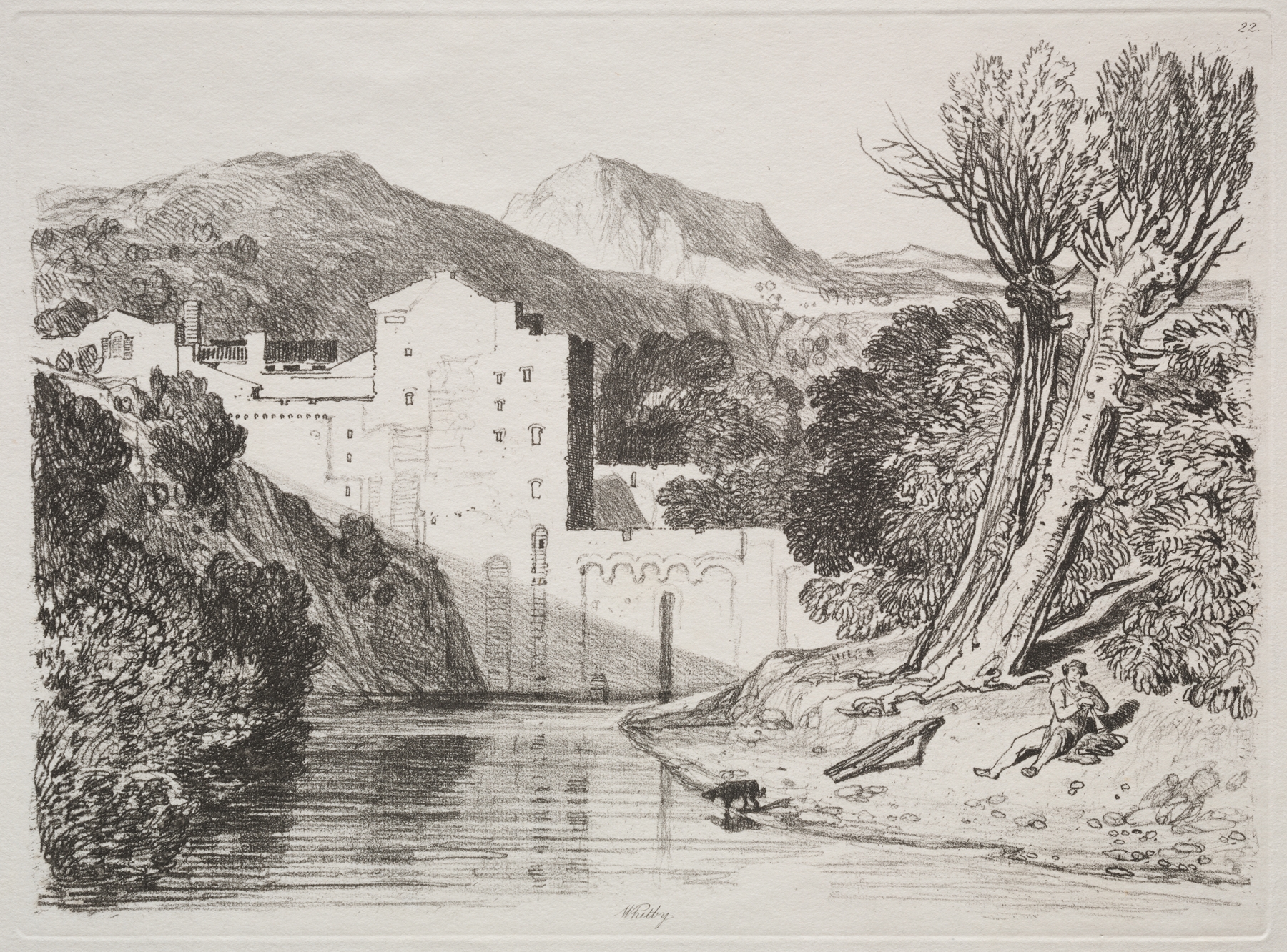
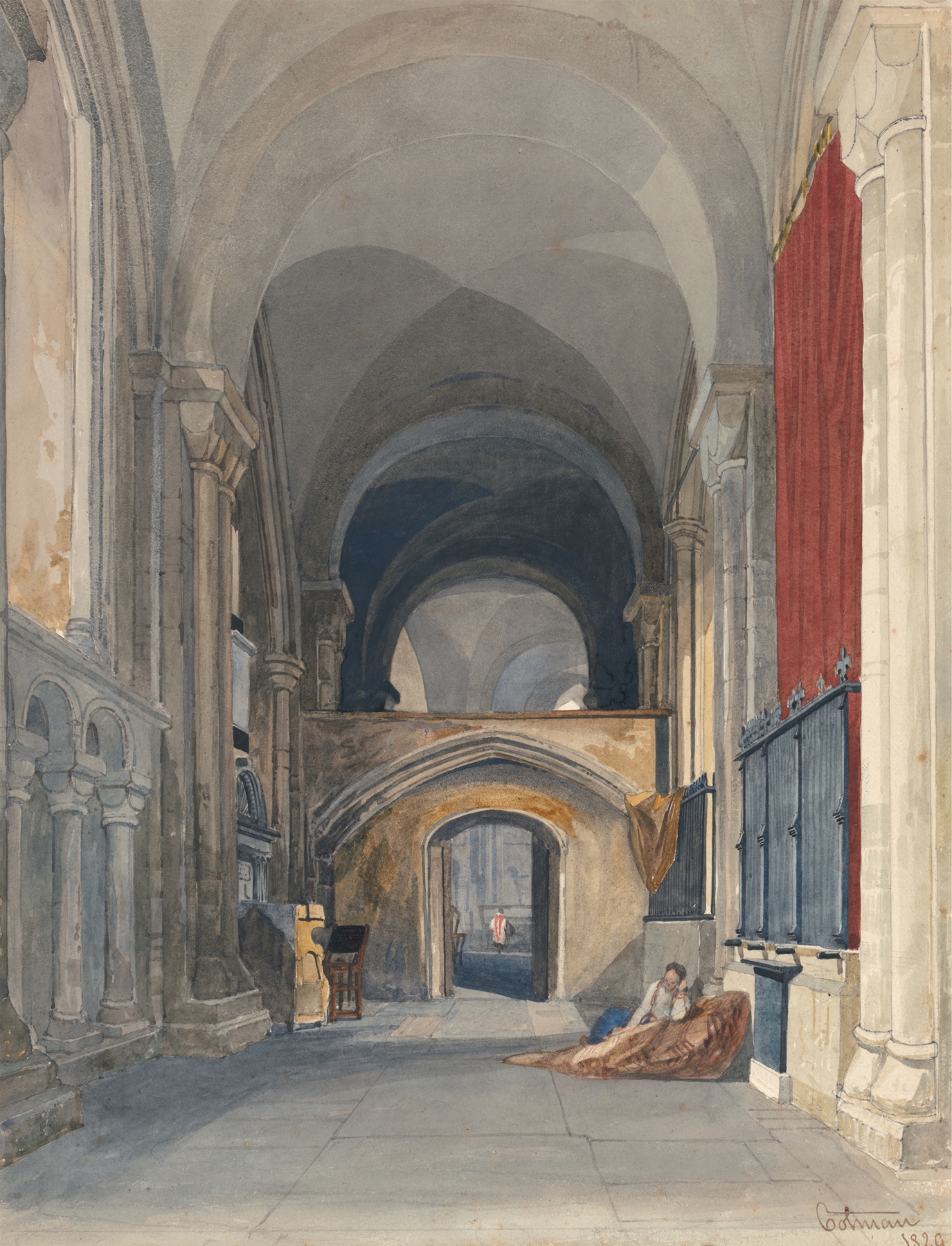
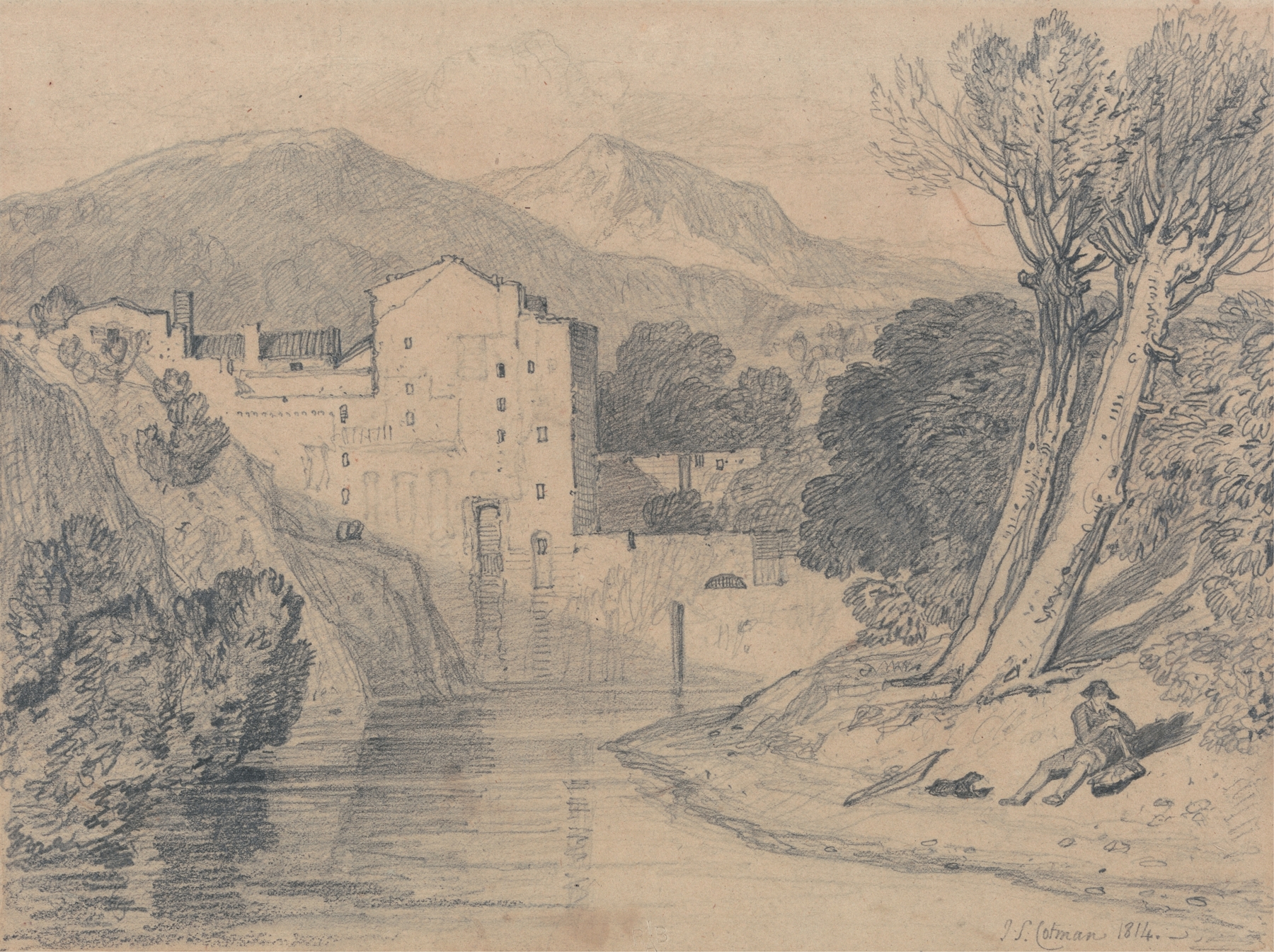
“Between color and silence, truth hides.” In the quiet depths of nature, the essence of destiny unfurls, waiting to be discovered in the interplay of light and shadow. Look to the center of the canvas, where delicate strokes of ink reveal a landscape poised between reality and dream. The gentle undulations of the hills invite your gaze, while muted hues of green and blue evoke a sense of serenity, grounding the viewer in a moment that feels both timeless and transient. Notice how the light dances across the surface, enhancing the textures of the foliage, creating a dialogue between the visible and the unseen.
Hidden within the work lies an exploration of impermanence and the weight of choices—the faint outlines of trees and the meandering path suggest a journey, both physical and metaphorical. The contrast between the meticulous detail of the foreground and the hazy background speaks to a deeper tension: the clarity of intention against the ambiguity of fate. Each brushstroke breathes life into the canvas, echoing the uncertainties that shape our destinies.
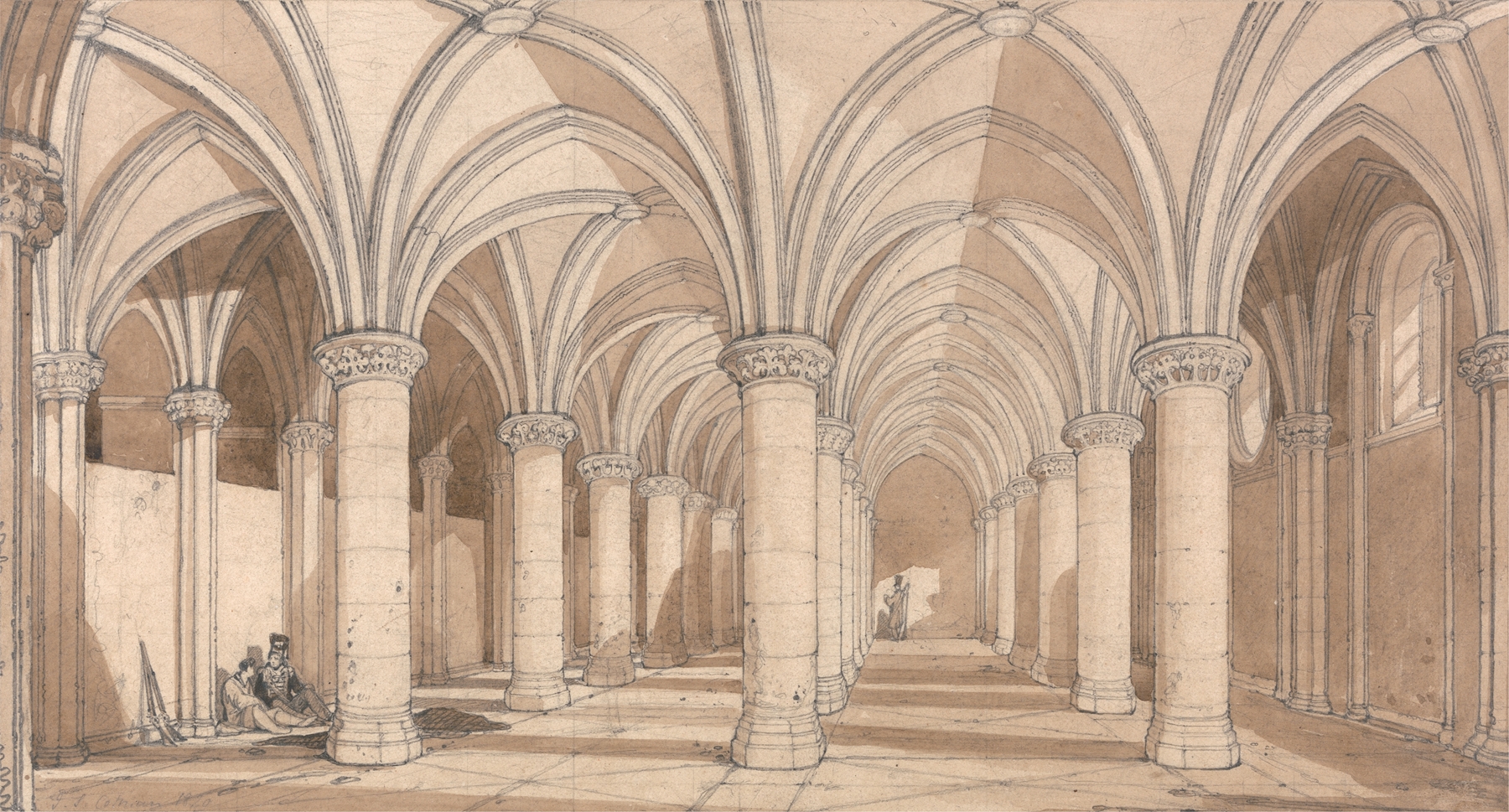
In 1838, while creating A Study, John Sell Cotman was immersed in the English Romantic movement, a time when artists sought to express the sublime beauty of nature. Living in Norwich, he was drawn to the landscapes surrounding him, using his travels to capture their essence. This period of experimentation and contemplation marked a significant chapter in his life, as he delved into the relationship between art and the natural world, bridging the gap between observation and imagination.