A Summer Day in the Spree Forest — History & Analysis
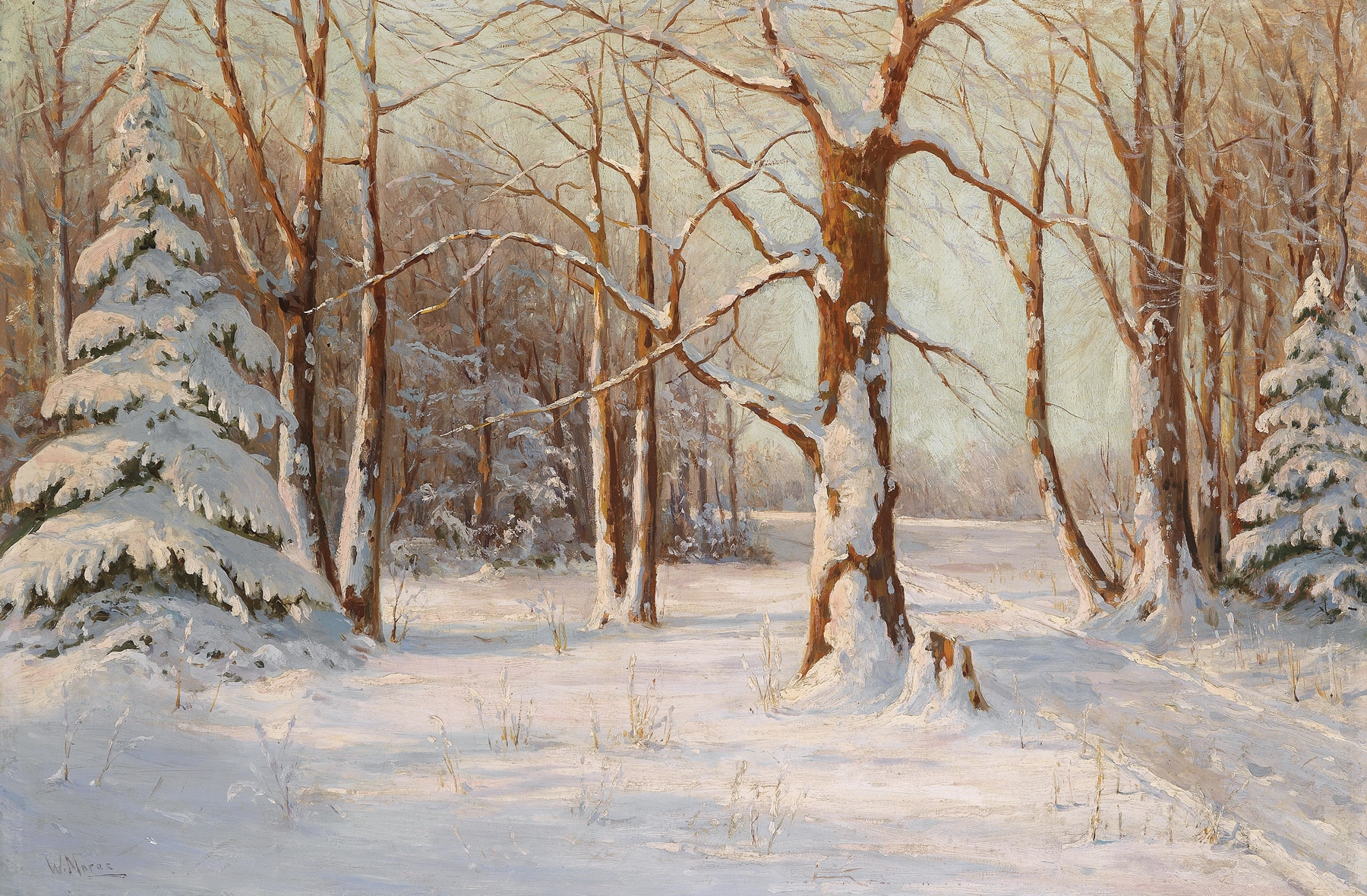
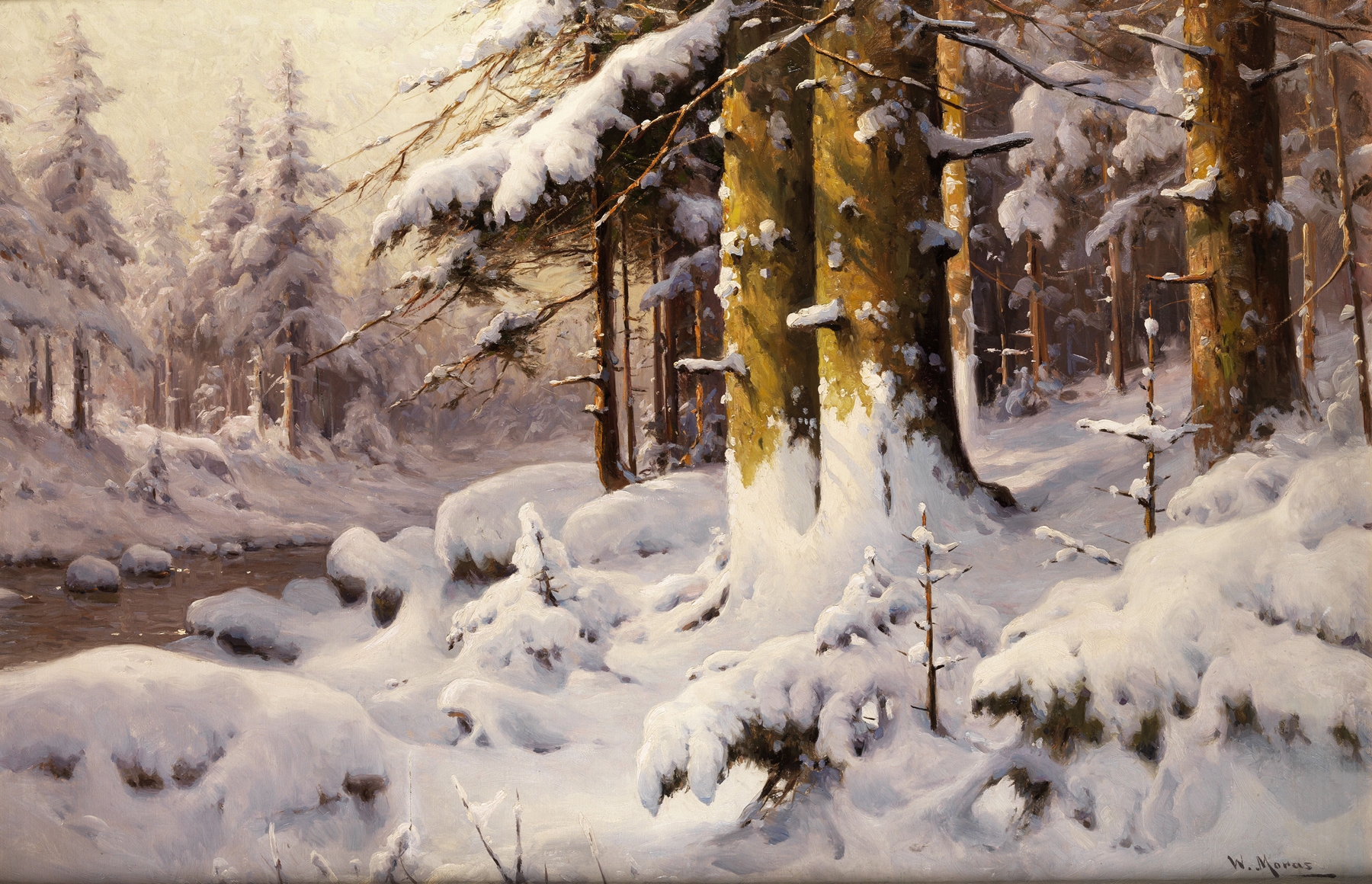
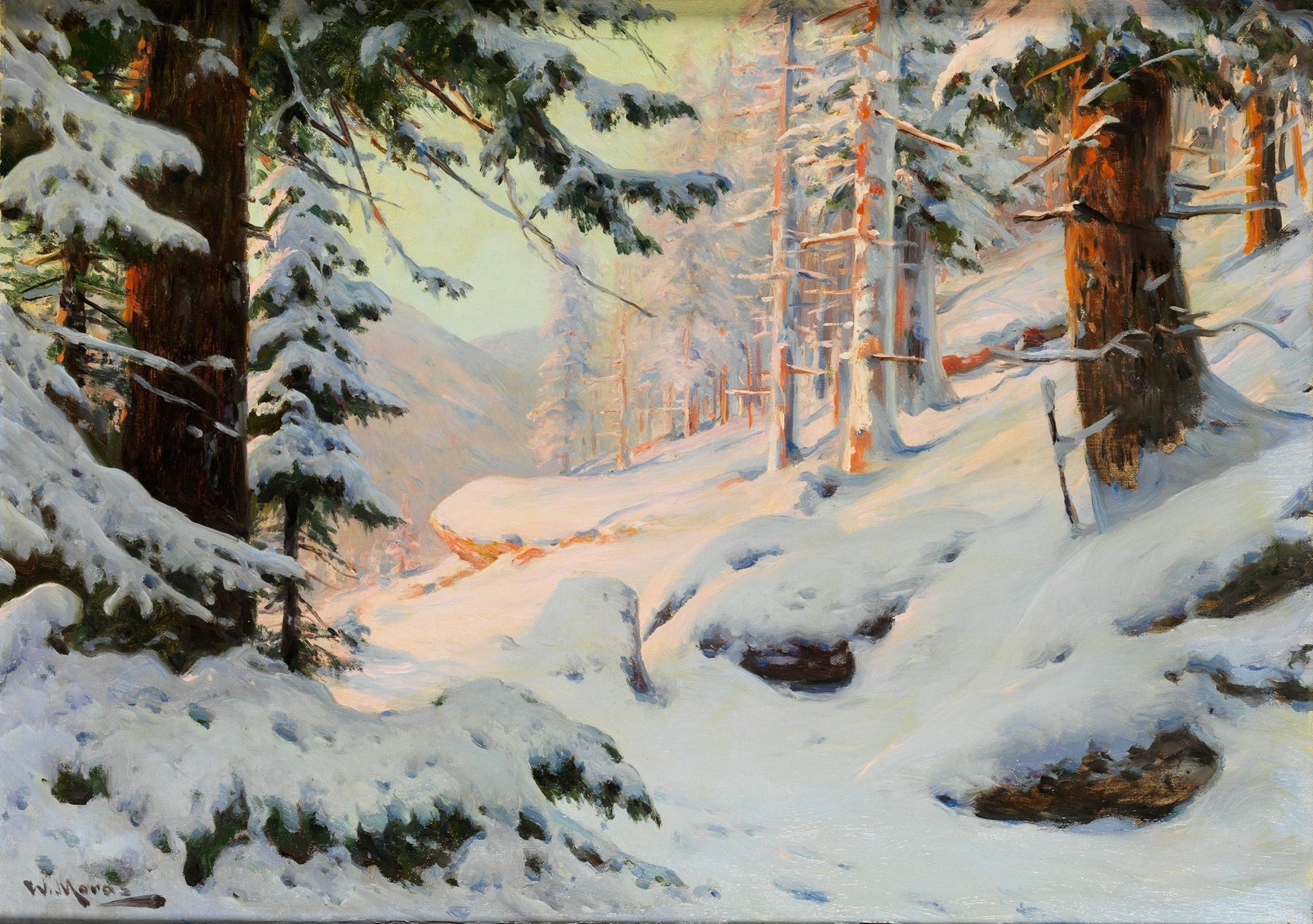
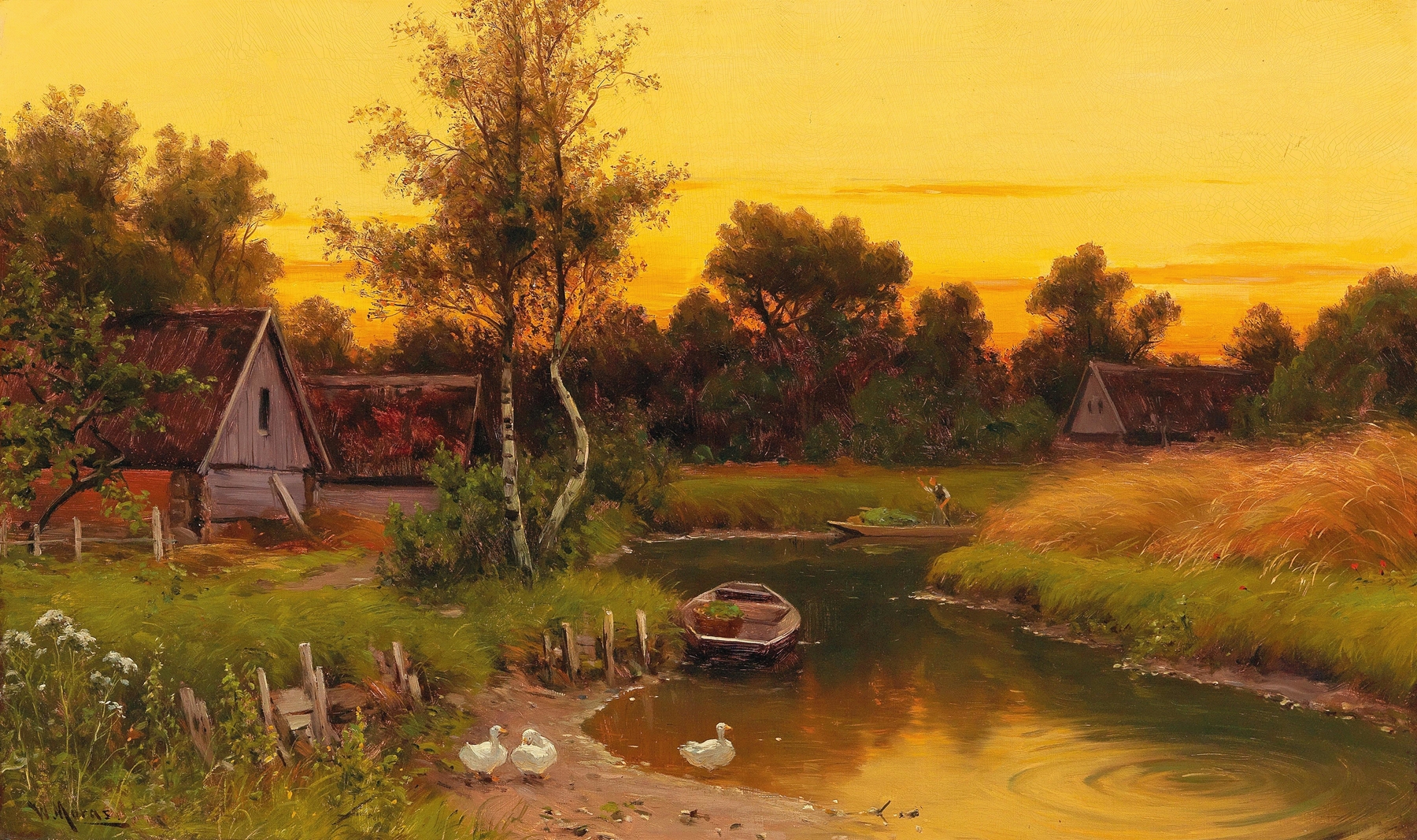
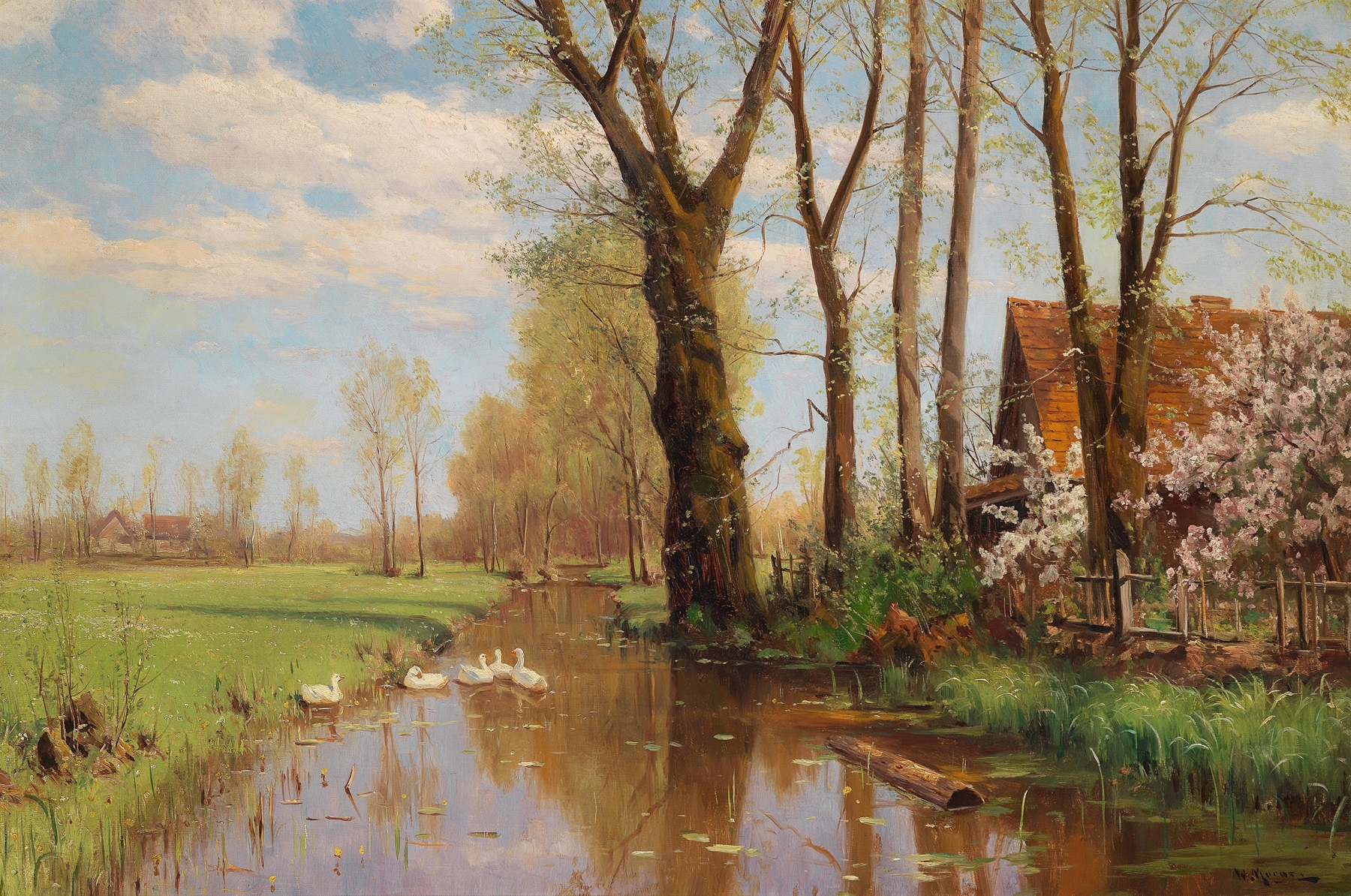
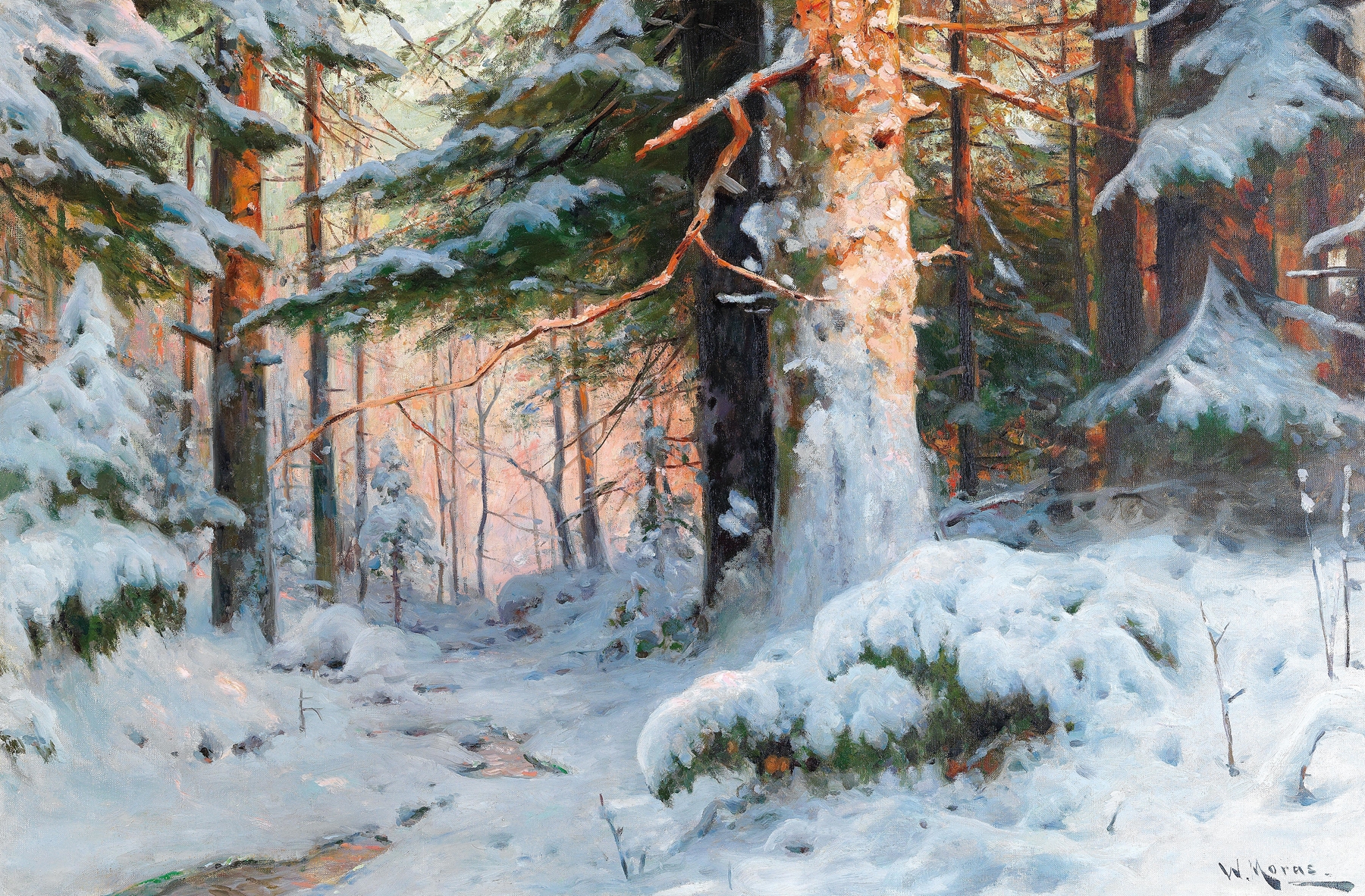
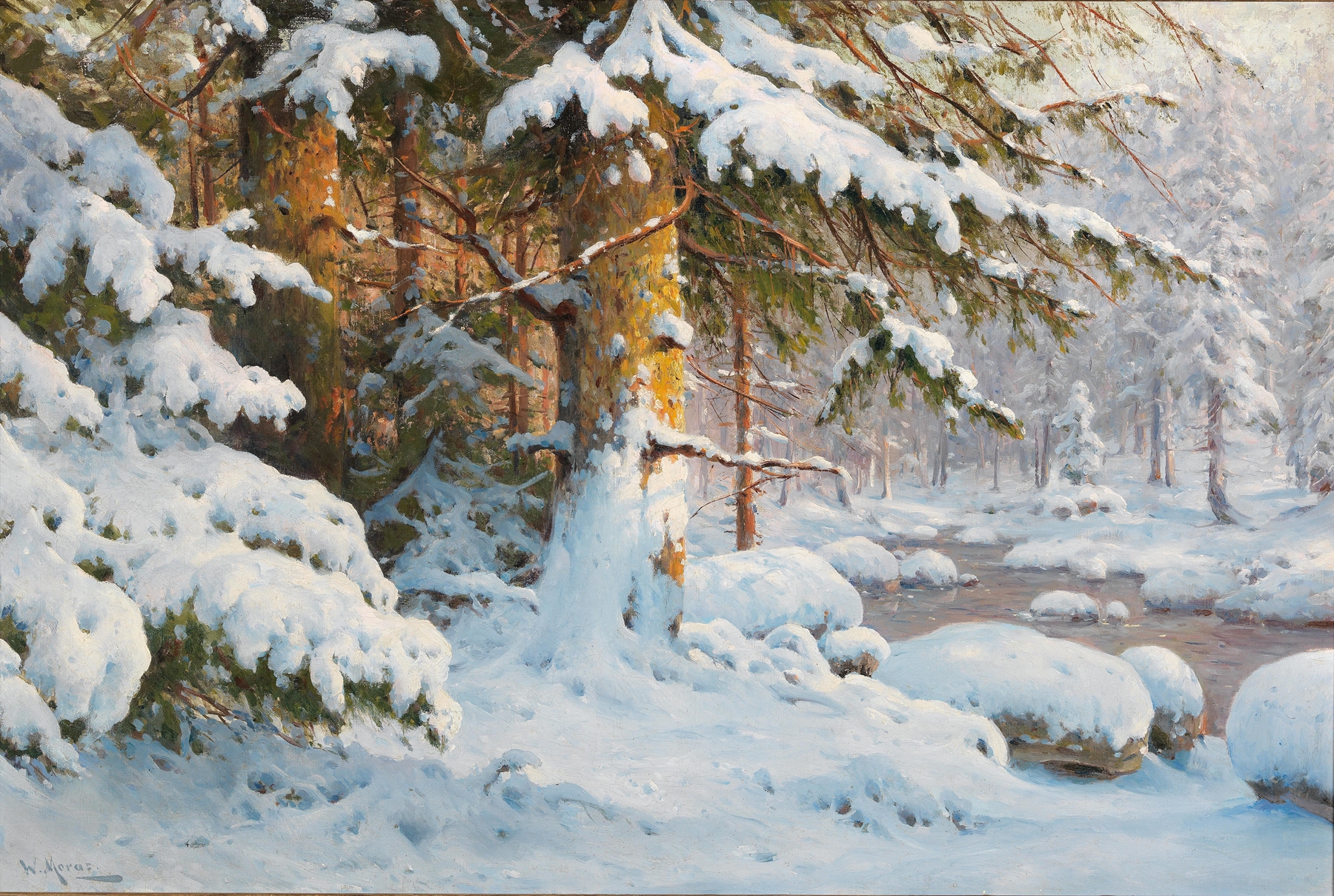
What if beauty was never meant to be finished? In the quiet embrace of nature, we find an ephemeral world, a fragile moment caught between the vivid hues of summer and the inevitable passage of time. Focus on the soft greens and browns that dominate the composition, inviting you into a lush, peaceful glade. The brushwork, fluid yet deliberate, creates a sense of movement, as if the gentle breeze whispers secrets among the trees.
Look closely at the interplay of light and shadow — dappled sunlight filters through the foliage, illuminating patches of wildflowers that burst forth with life, their colors almost vibrating against the canvas. The painting evokes a sense of transient beauty, reminding us of the delicate balance of nature. Notice how the shadows linger at the edges, hinting at the encroaching dusk and the fleeting nature of the scene; the flowers, vibrant yet vulnerable, symbolize life’s fleeting instances of joy.
This contrast between the exuberance of summer and the shadow of impending change deepens the emotional undertone, suggesting that beauty, while magnificent, often exists only temporarily. Created in a time of transformation within the realm of Impressionism, the artist painted this work during the late 19th century, a period marked by a burgeoning interest in capturing the natural world with immediacy and emotion. His work reflects a desire to convey the intimate relationship between humanity and nature while responding to the shifting artistic landscape, where the emphasis was increasingly on the ephemeral over the eternal.