A Thunder Storm — History & Analysis
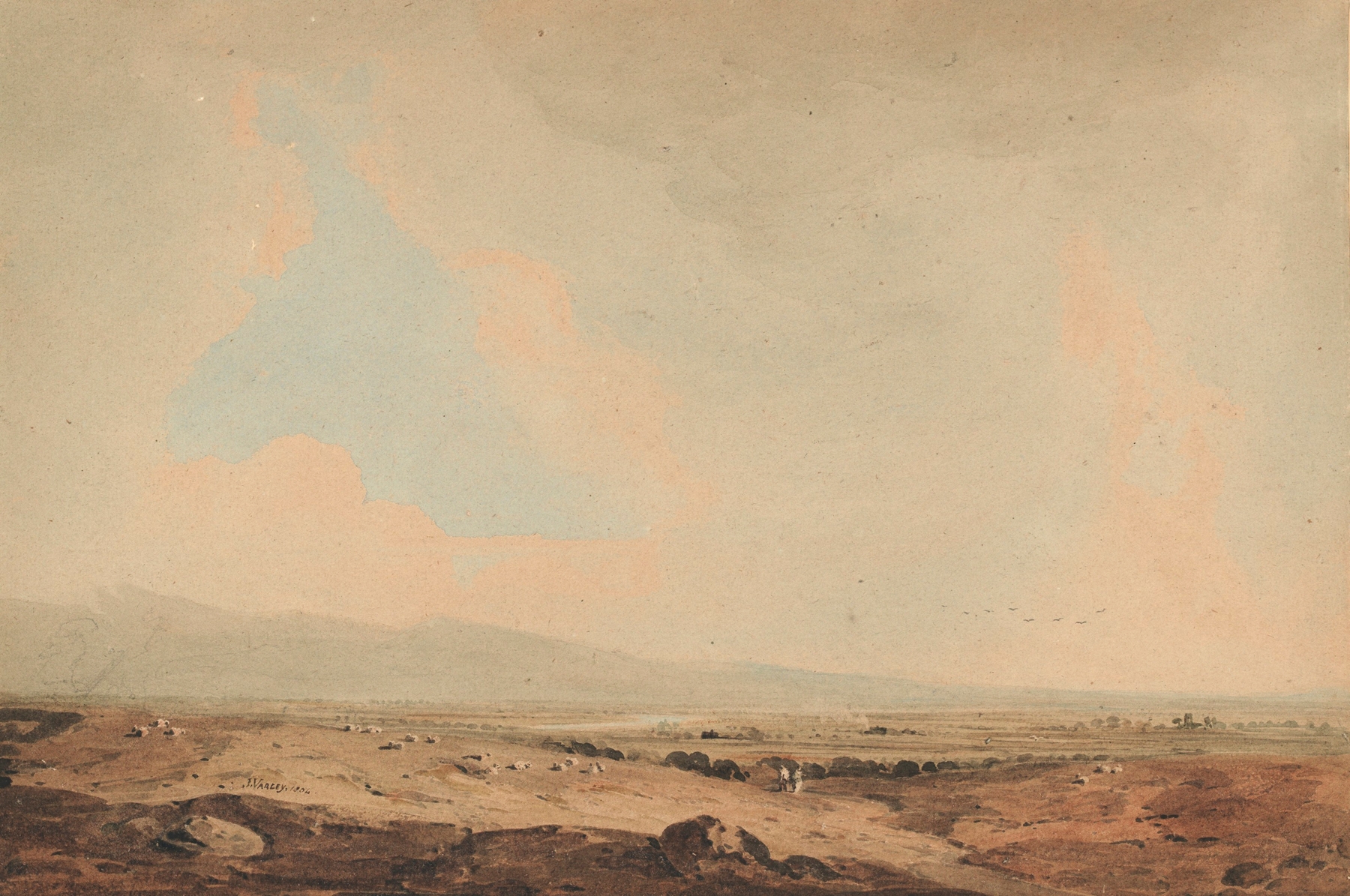
What secret hides in the quiet of the canvas? As nature unleashes its fury, the interplay of light and shadow reveals the chaos and beauty of a world on the brink of transformation. Look to the center where dark, swirling clouds loom ominously, painted with rich, turbulent blues and grays that draw the eye into their depths. Notice how the horizon lines are blurred, creating an atmosphere heavy with impending rain, while flashes of lightning illuminate the scene, striking moments of brilliance against a brooding backdrop.
The composition captures a landscape caught in a moment of suspension, poised between the calm before the storm and the chaos that follows. At first glance, the painting depicts nature’s power, but beneath the surface lies a tension that mirrors the societal upheavals of the time. The storm can be interpreted as a metaphor for change, reflecting the revolutionary spirit of the early 19th century, where the world was on the cusp of modernity. The contrast between the serenity of the foreground and the tempestuous sky hints at the duality of progress—beauty intertwined with destruction, peace overshadowed by turmoil.
In 1817, John Varley was deeply influenced by the Romantic movement, which sought to capture the sublime and the emotional essence of nature. Working in London during a time of artistic transition, he was inspired by the growing appreciation for landscape painting, and A Thunder Storm exemplifies his mastery of atmospheric effects and emotional resonance that characterizes his work. This painting reflects both his personal journey as an artist and the collective consciousness of a society grappling with change.