A wooded landscape at sunset — History & Analysis
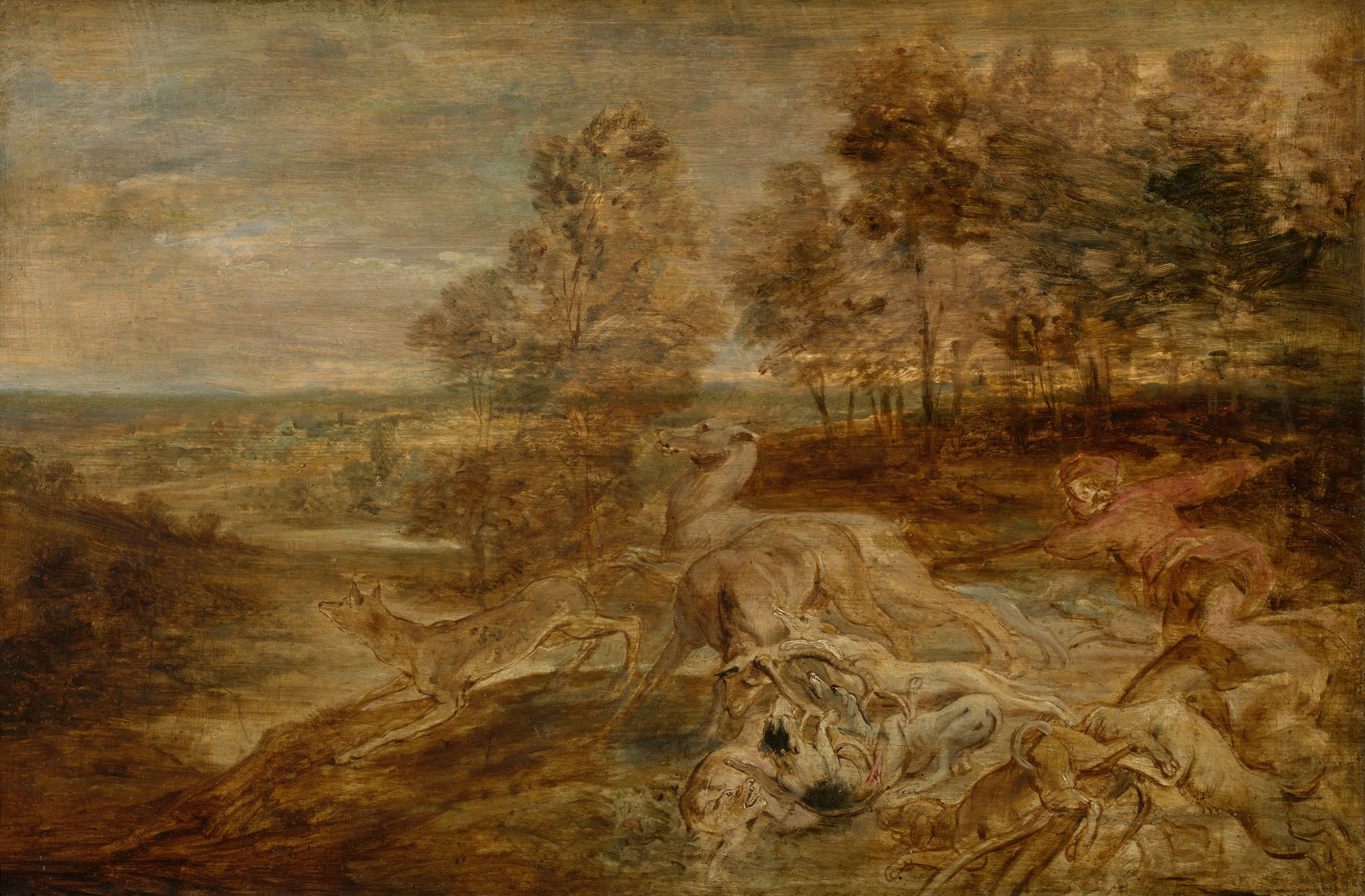
Could a single brushstroke hold eternity? In the tranquil embrace of twilight, a wooded landscape unfolds, whispering stories of both beauty and betrayal beneath the rich, fading light. Look to the horizon, where a warm palette of deep oranges and soft purples melds into the darkening sky. Notice how the light filters through the canopy of trees, casting delicate shadows that dance across the forest floor. The artist's deft strokes breathe life into each leaf and blade of grass, creating a vivid tapestry of color that invites you to explore further.
As you draw closer, the interplay of light and shadow reveals hidden paths, beckoning the viewer to wander through this serene yet mysterious world. Amidst this idyllic scene, tensions lie just beneath the surface. The warm glow of the sunset hints at fleeting moments of joy, but the darkened trees loom like specters, suggesting secrets held within their ancient boughs. The contrast between light and dark evokes a sense of unease, perhaps reflecting the betrayal of nature itself or the complexities of human relationships.
Each element becomes a symbol—of hope, of loss, and of the unseen fractures that map our existence. During the creation of this landscape, Rubens was navigating a period of intense personal and professional transformation. Working in the early 17th century, he was immersed in the Baroque movement, and his landscapes began to reflect an emotional depth that paralleled his life experiences. The world was awakening to new ideas in art, and Rubens, while establishing his illustrious career, was simultaneously grappling with the intricacies of love, loyalty, and the passage of time.