Abend an der Küste — History & Analysis
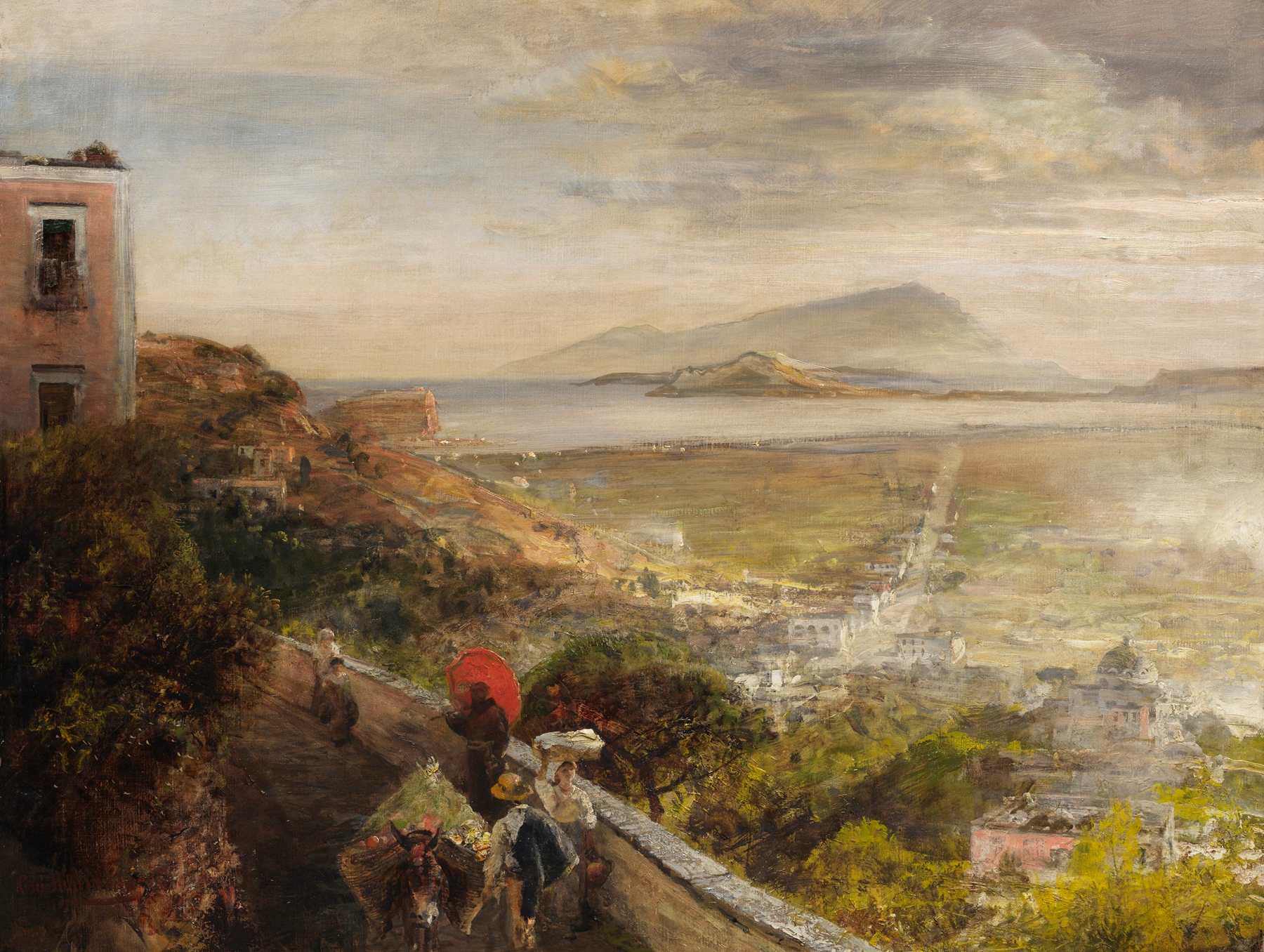
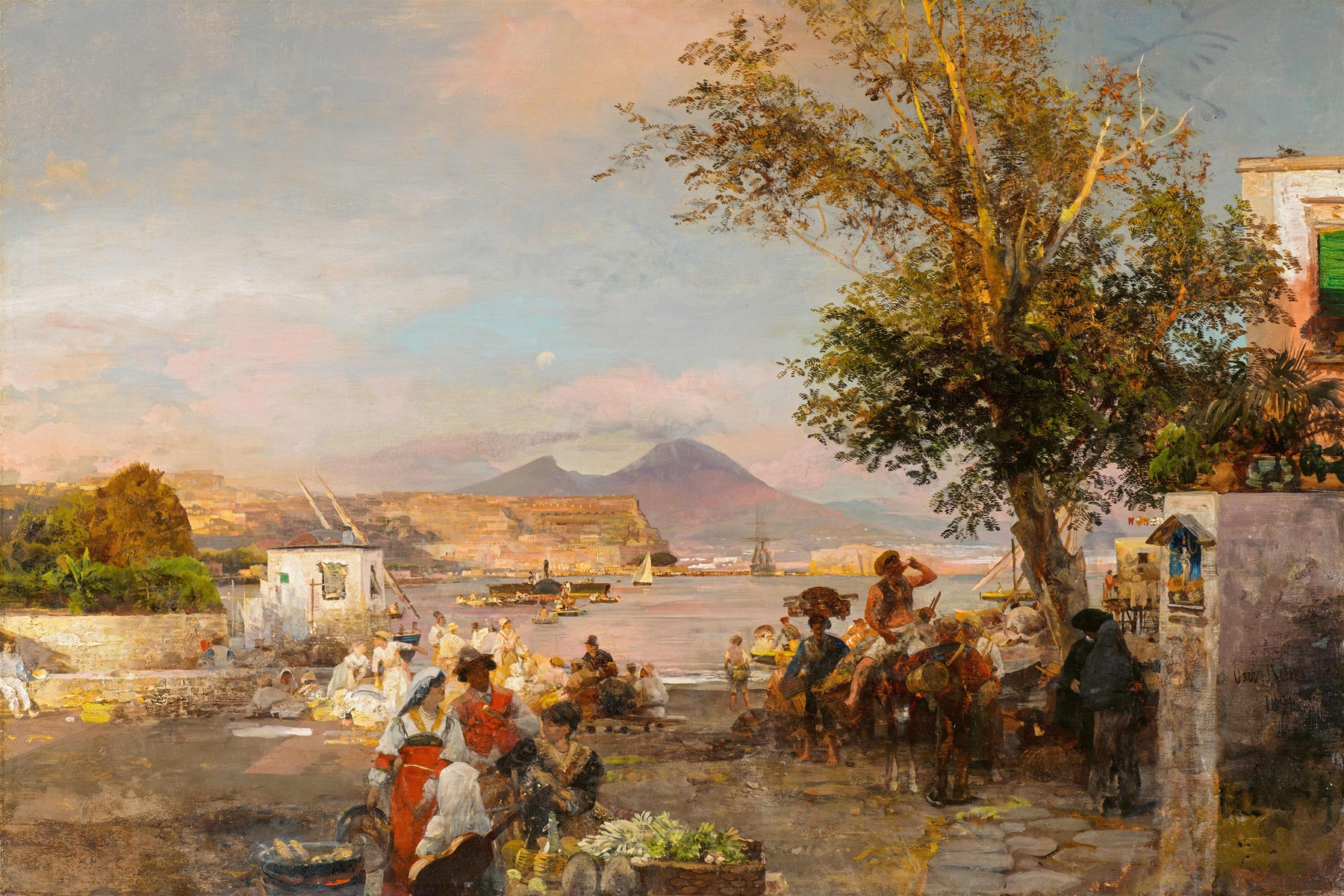
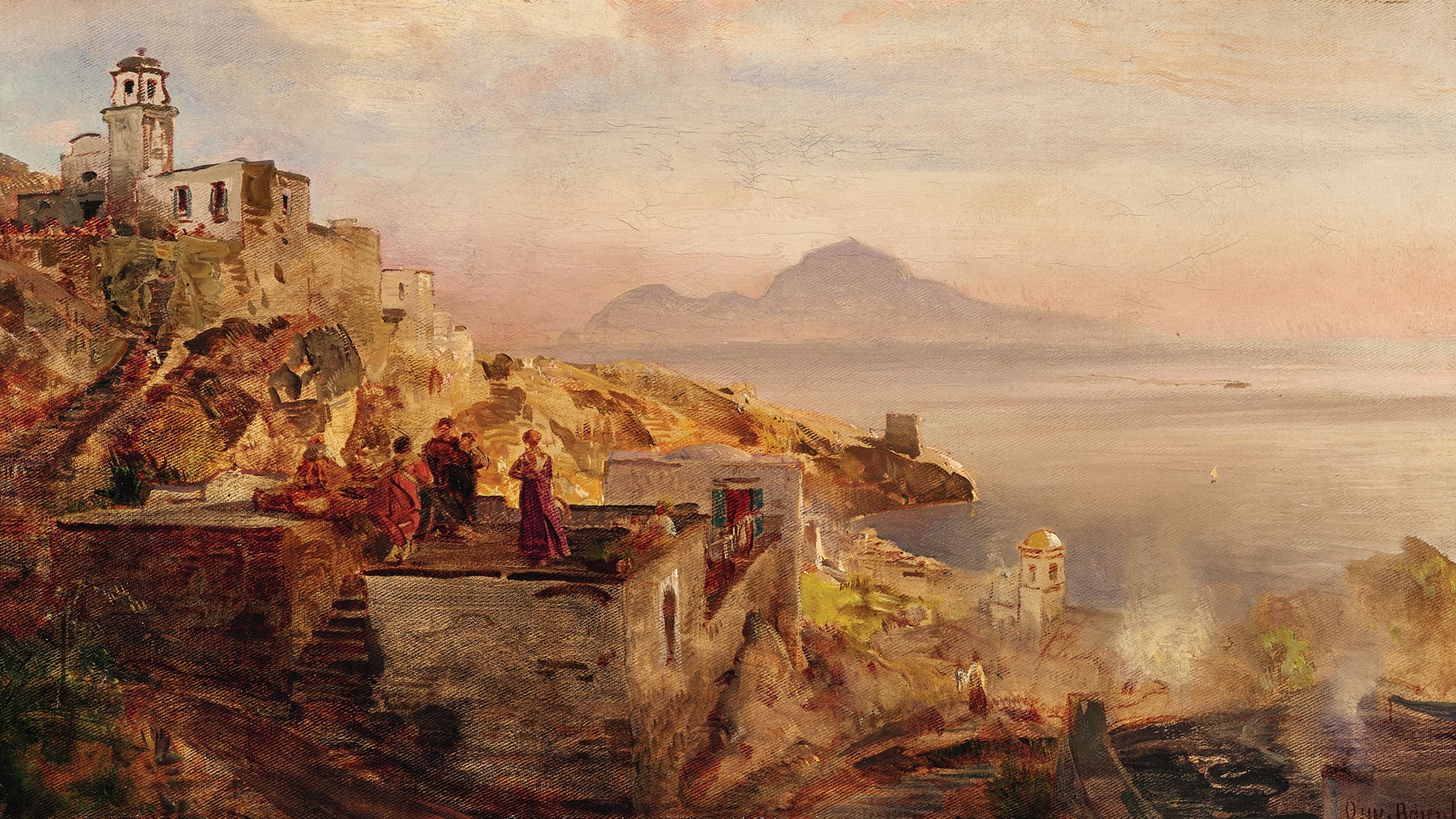
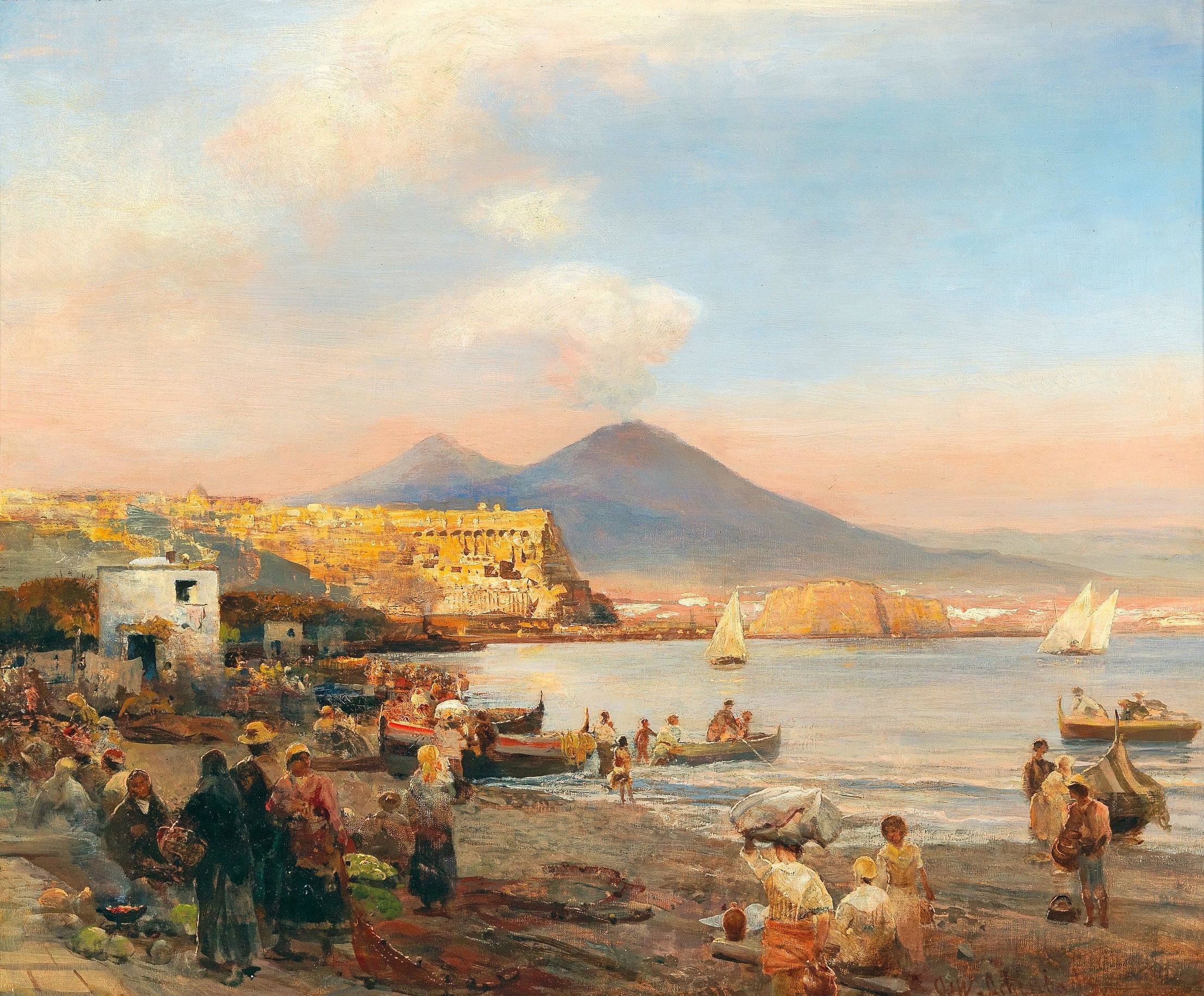
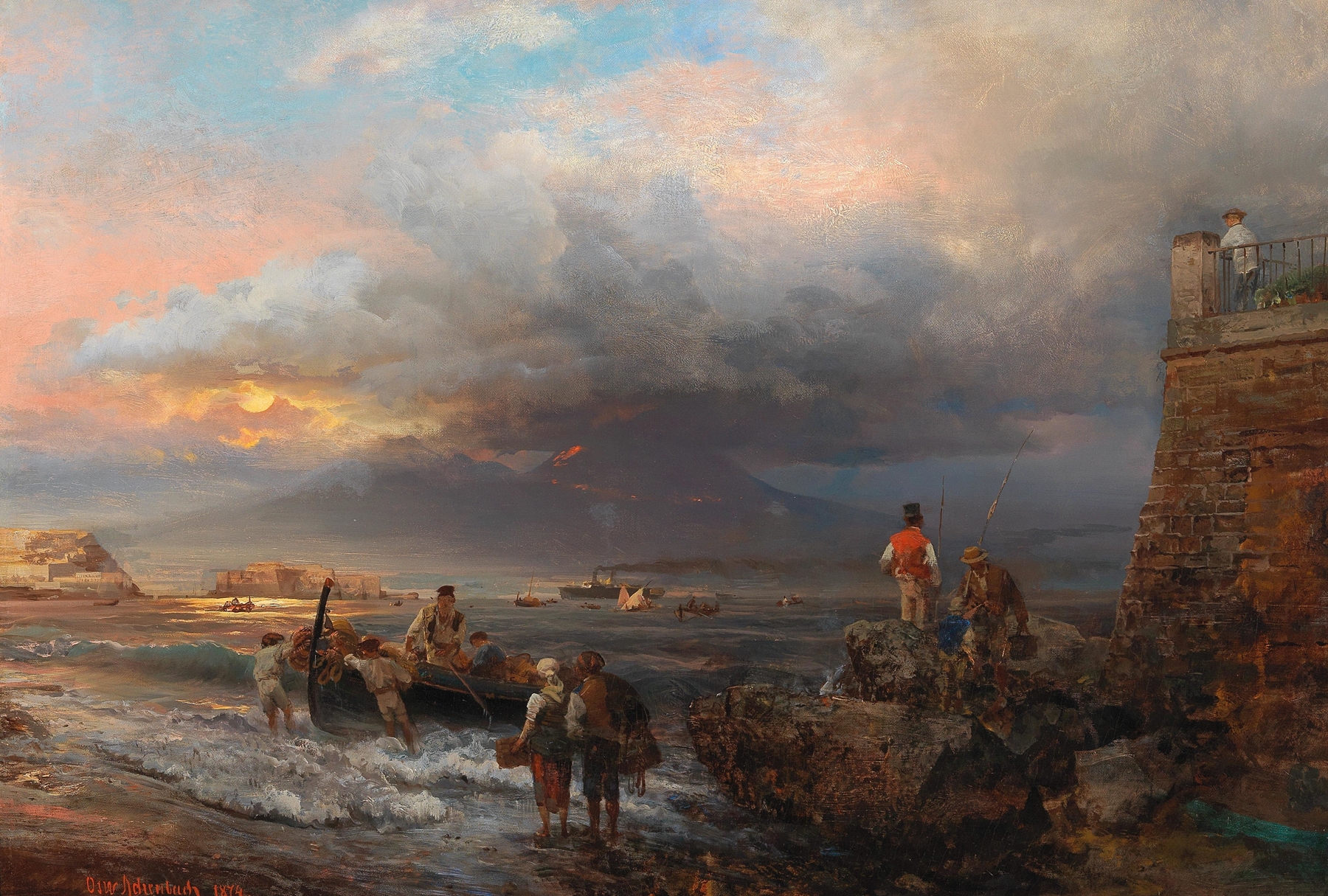
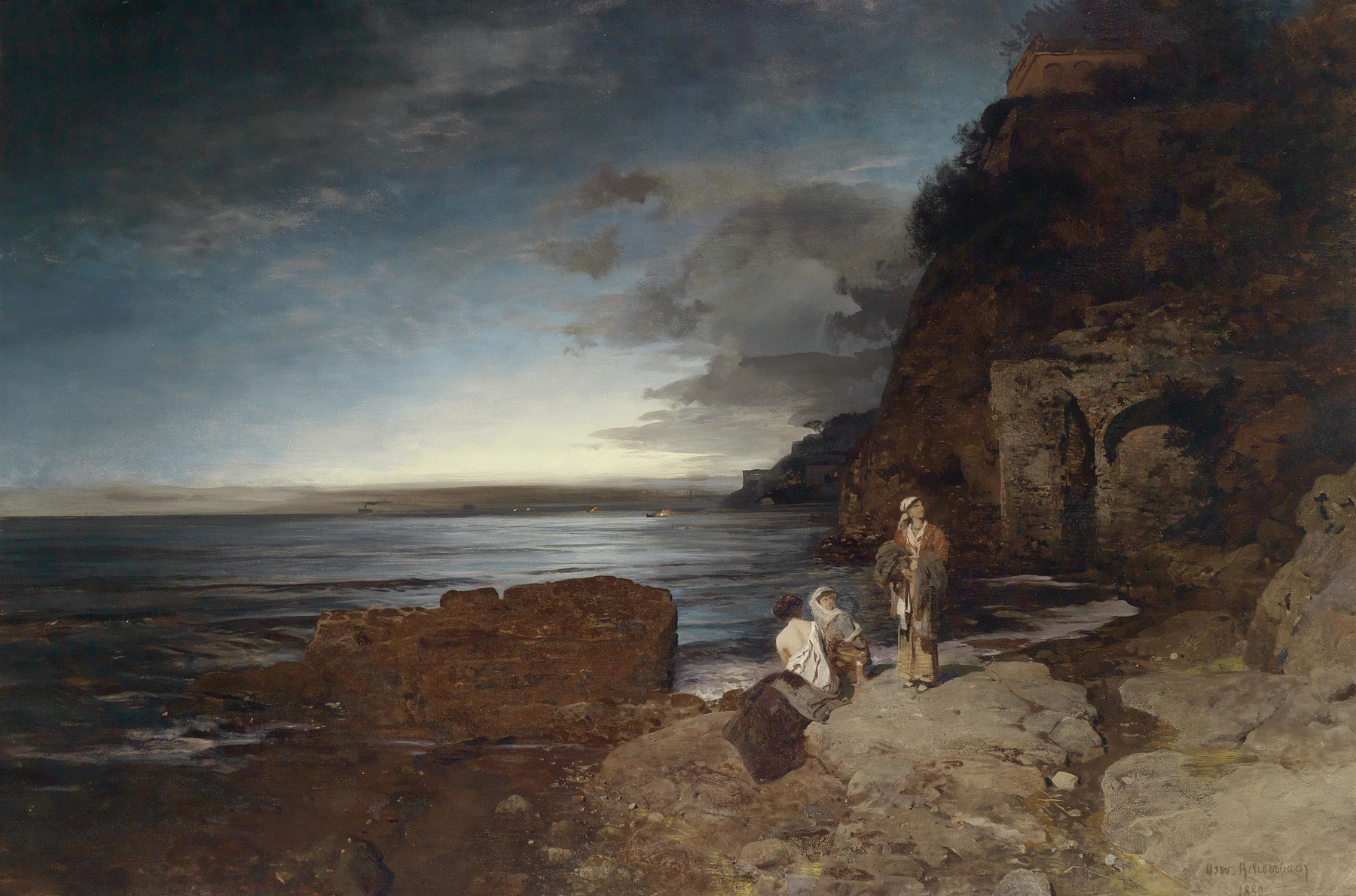
“Between color and silence, truth hides.” In the tranquil embrace of dusk, an expansive coastline stretches into an infinite horizon, whispering the weight of solitude and reflection. A serene interplay of soft hues envelops the scene, yet there’s an undeniable sense of emptiness that lingers, inviting the viewer to ponder the unseen narratives of this quiet moment. Look to the left, where the gentle waves kiss the shore, their frothy edges dancing with the fading light. Notice how the warm oranges and muted blues blend seamlessly, evoking a transition from day to night. The horizon serves as an anchor, drawing the eye across the canvas, while the sparse, almost ghostly clouds suggest an impending calm, a stillness that feels both peaceful and melancholic.
Achenbach's masterful use of light creates depth, rendering the scene almost tactile, as if one could reach out and feel the coolness of the evening air. Delve into the subtle contrasts within this work: the vibrant colors juxtaposed against the vast emptiness of the sky and sea. This tension hints at the emotional struggle of isolation—where beauty coexists with the void. The striking calmness of the water reflects not just the fading light, but the profound silence of the moment, capturing the duality of yearning and contentment.
One might also sense a lingering nostalgia, evoking personal memories of fleeting moments by the sea. In 1880, Achenbach painted this piece during a time of growing interest in landscape art, influenced by the Romantic movement's emphasis on nature and emotion. He was in Düsseldorf, surrounded by a vibrant artistic community, grappling with both the changing tides of artistic expression and his own legacy. This period saw him exploring the interaction of light and color, ultimately mastering the ability to evoke profound emotional responses through his landscapes.