Abendlandschaft — History & Analysis
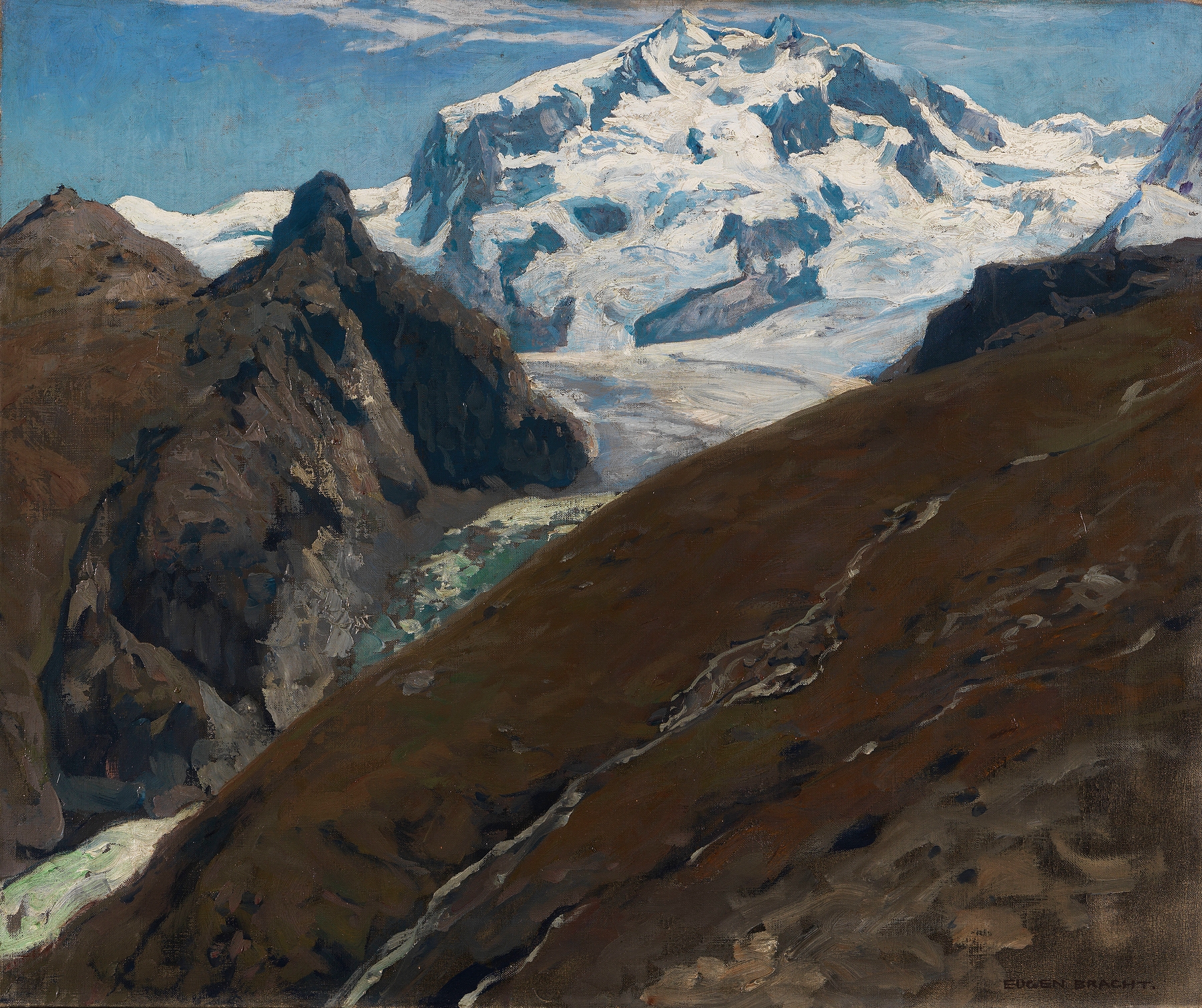
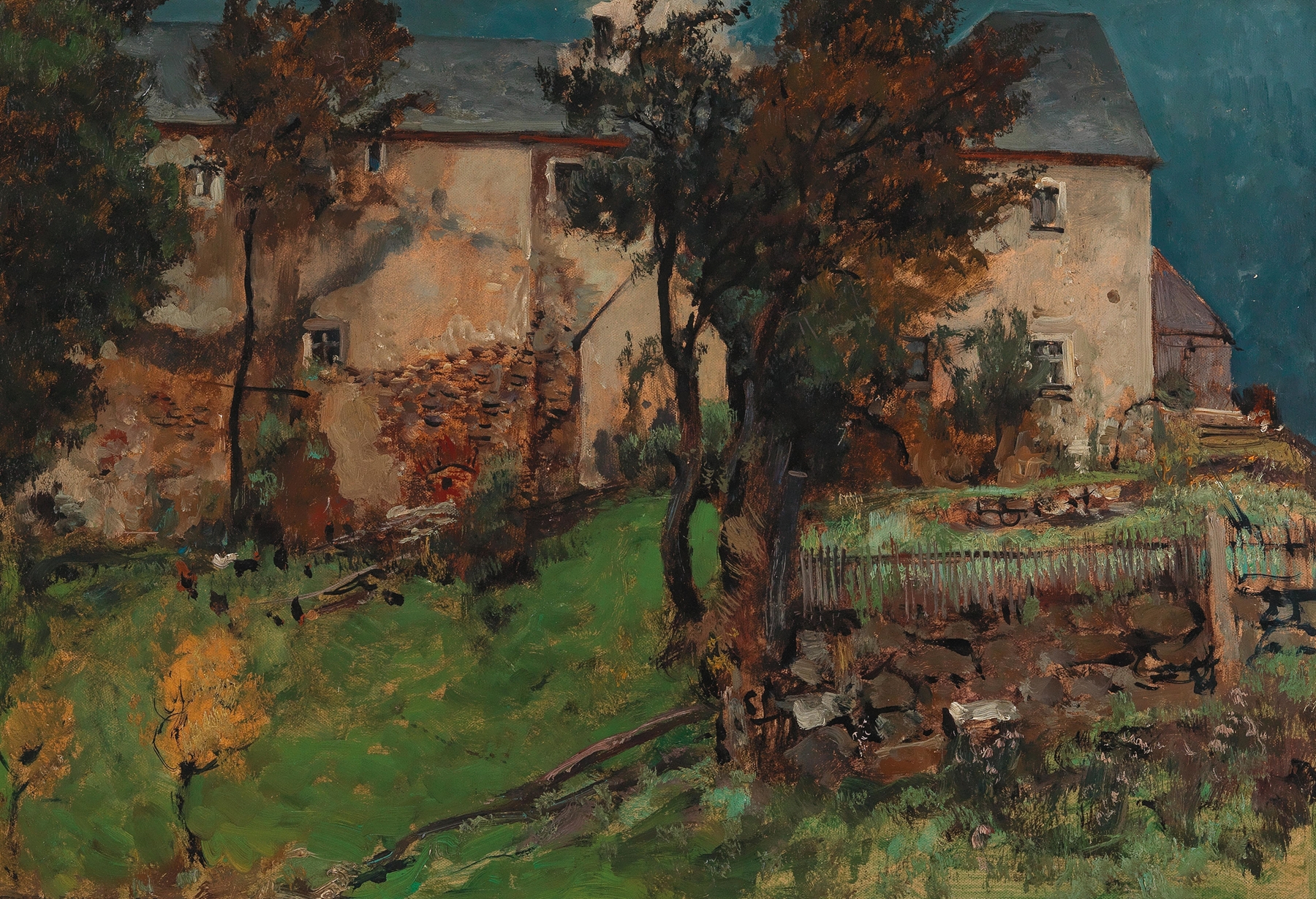
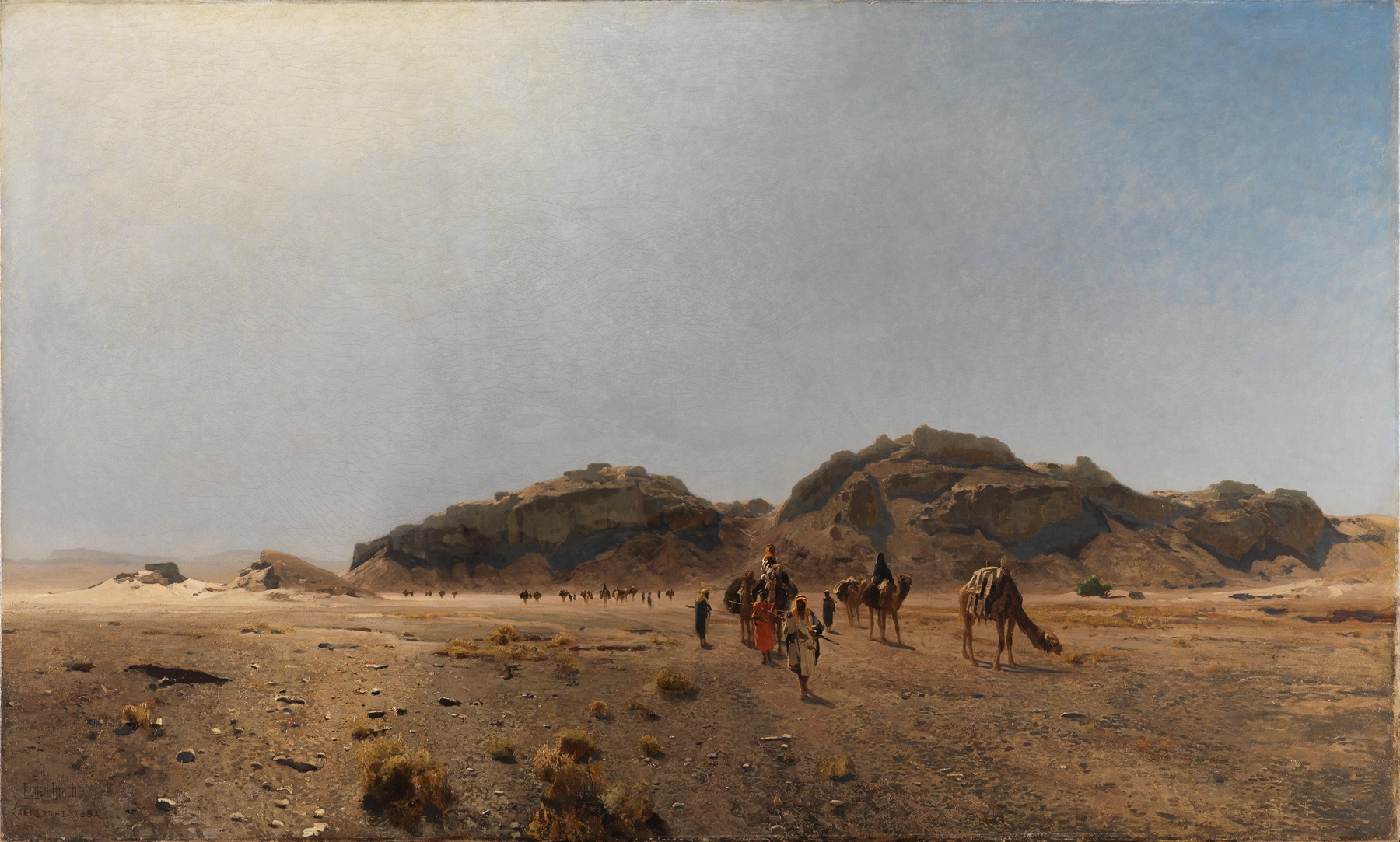
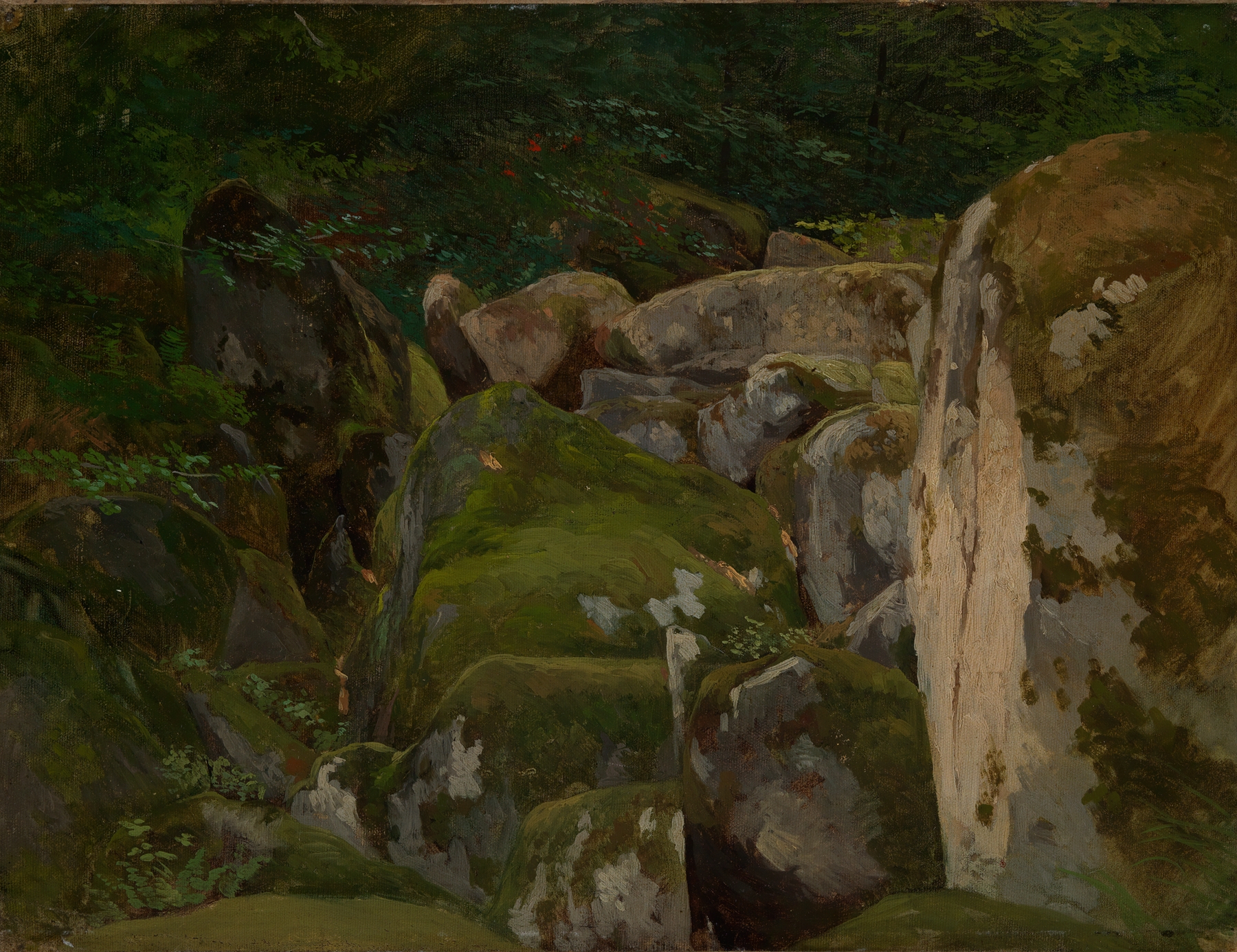
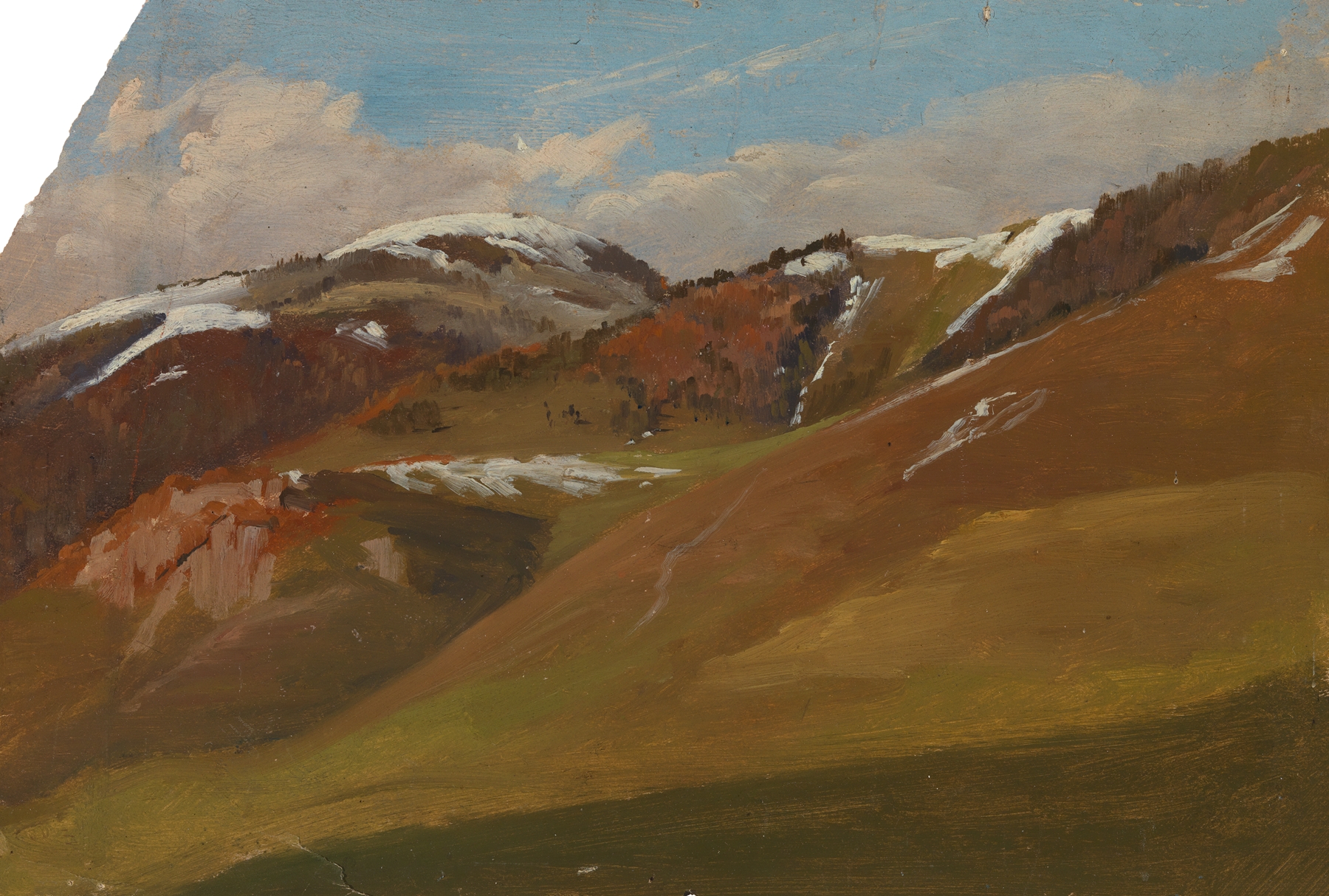
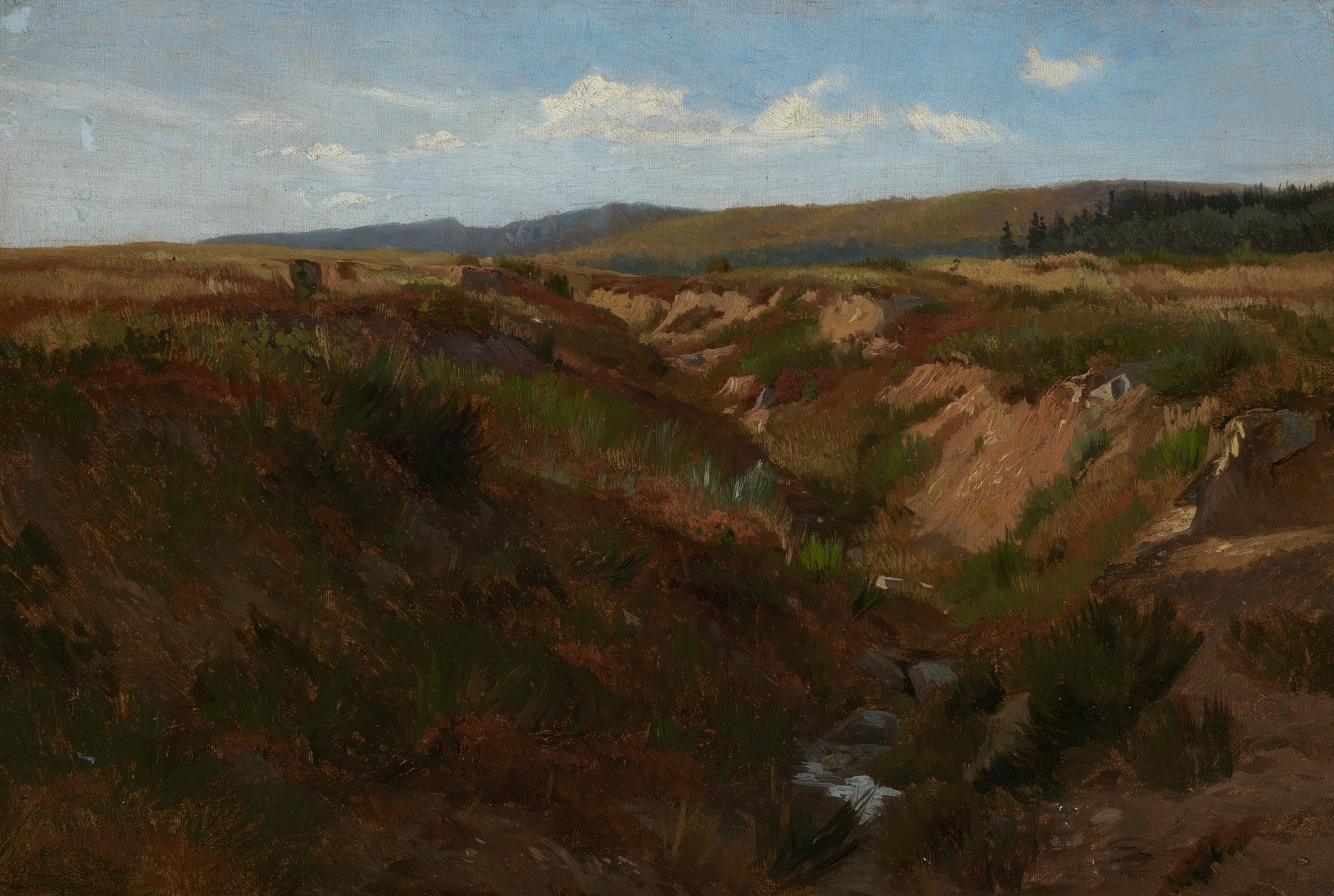
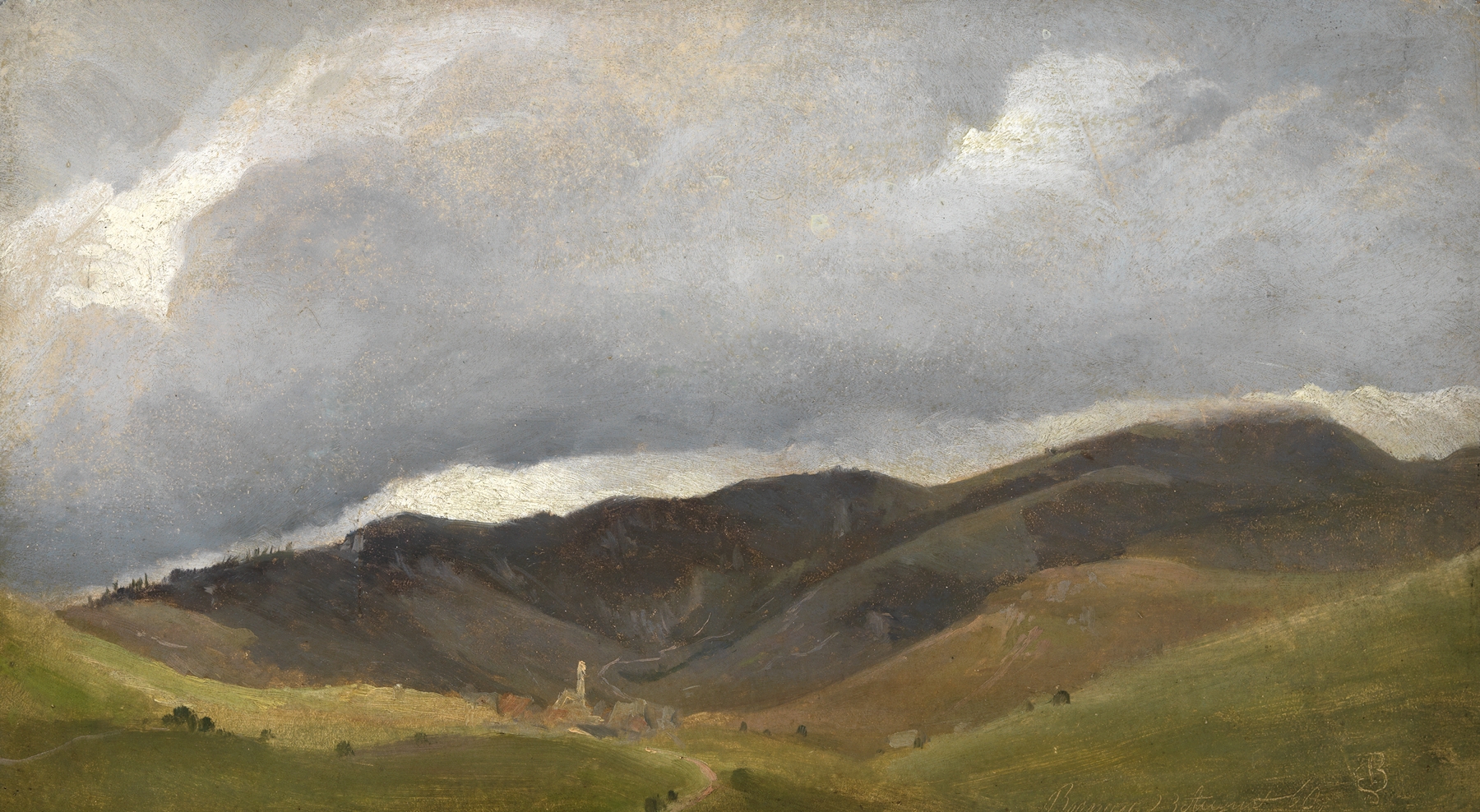
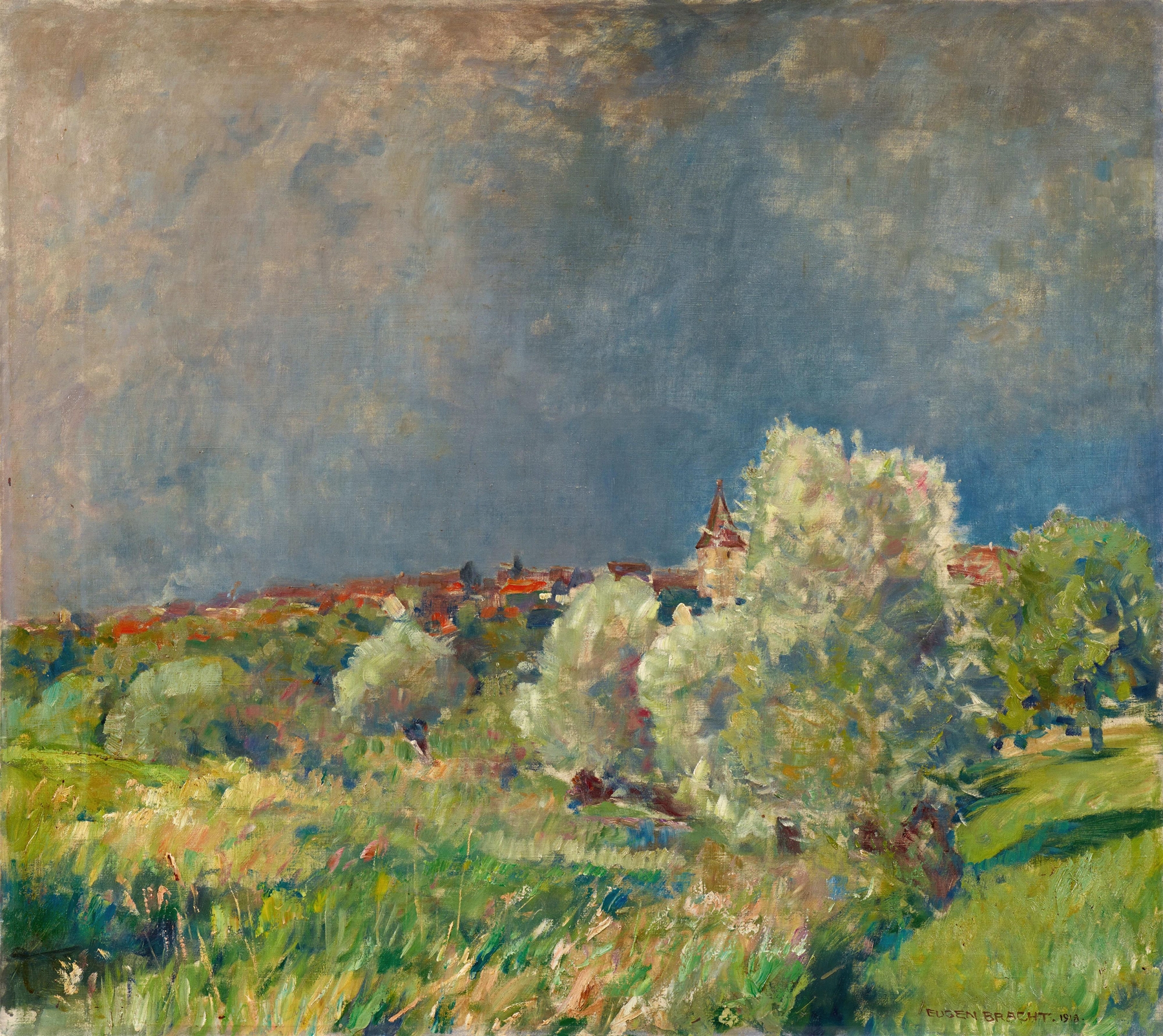
Who listens when art speaks of silence? In a world where chaos often reigns, the quietude of a landscape can whisper truths that resonate deeply within the soul. Focus on the left side of the canvas where a horizon stretches across the expanse, painted in soft, muted hues of blue and gold. The gentle gradient of twilight paints the sky, pulling your gaze toward the ethereal glow that illuminates the distant hills.
Notice how the brushwork creates a sense of movement in the clouds, yet the stillness of the land below anchors this dreamlike scene, inviting contemplation. The illusion is palpable; one can almost feel the cool breeze and hear the subtle rustle of nature. As you explore further, small details emerge—shadows cast by unseen trees and the delicate interplay of light and dark that suggests hidden depths. These contrasts evoke a tension between the serene beauty of the landscape and an undercurrent of longing, as if the viewer is peering into a moment that encapsulates both tranquility and yearning.
The balance between illusion and reality is masterfully crafted, reminding us that beauty often masks complexities beneath the surface. Created during a time when European art was shifting towards expressing emotion and atmosphere, the artist produced this work in the late 19th century, likely influenced by the Romantic movement's embrace of nature and emotion. The period was marked by a growing fascination with landscapes, as artists sought to evoke feelings through their portrayal of the natural world. The artist's experiences and surroundings at the time undoubtedly shaped this piece, reflecting a personal response to the profound beauty of the evening landscape that transcends mere representation.