Blick auf das Herzogenhorn bei Bernau — History & Analysis
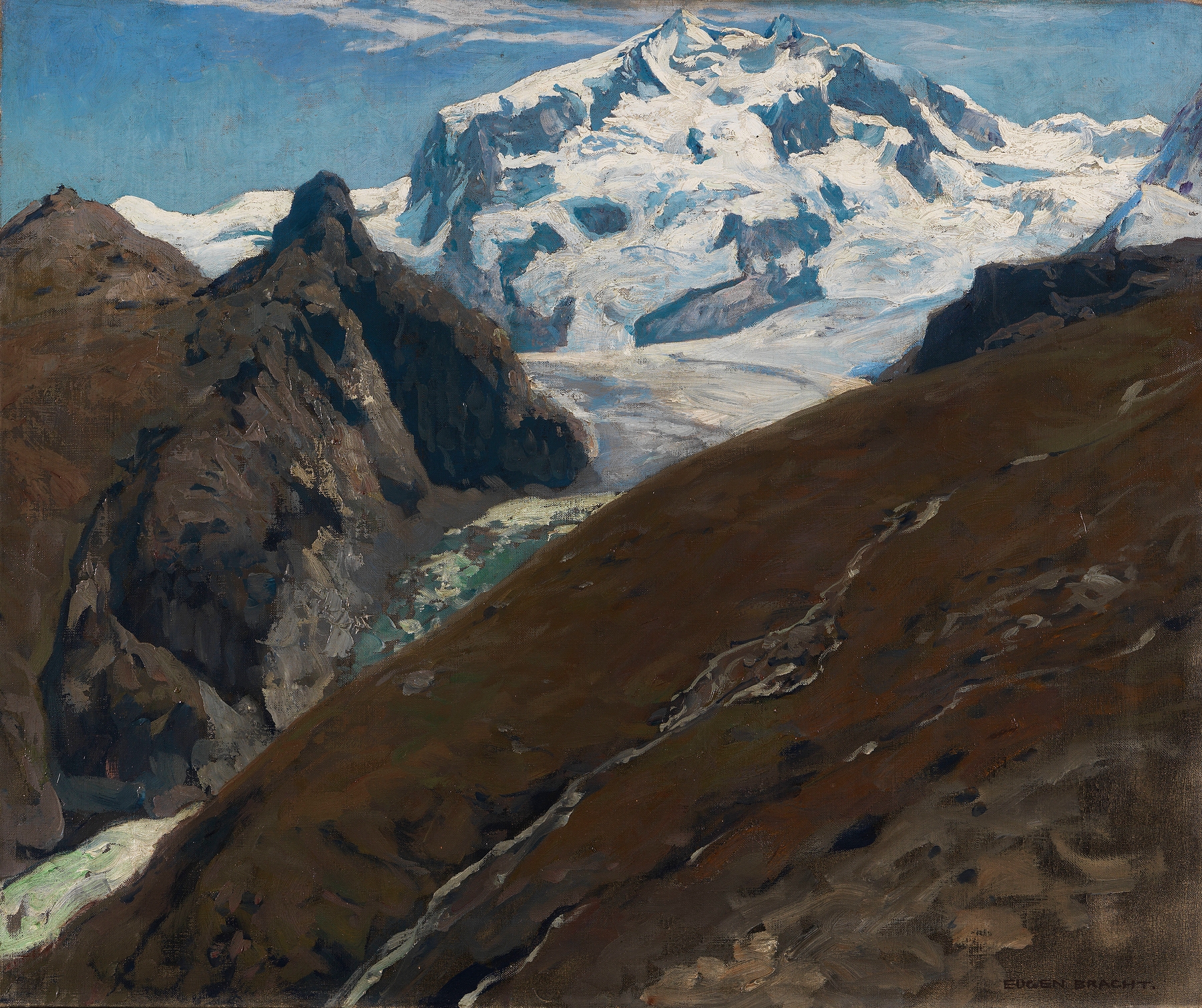
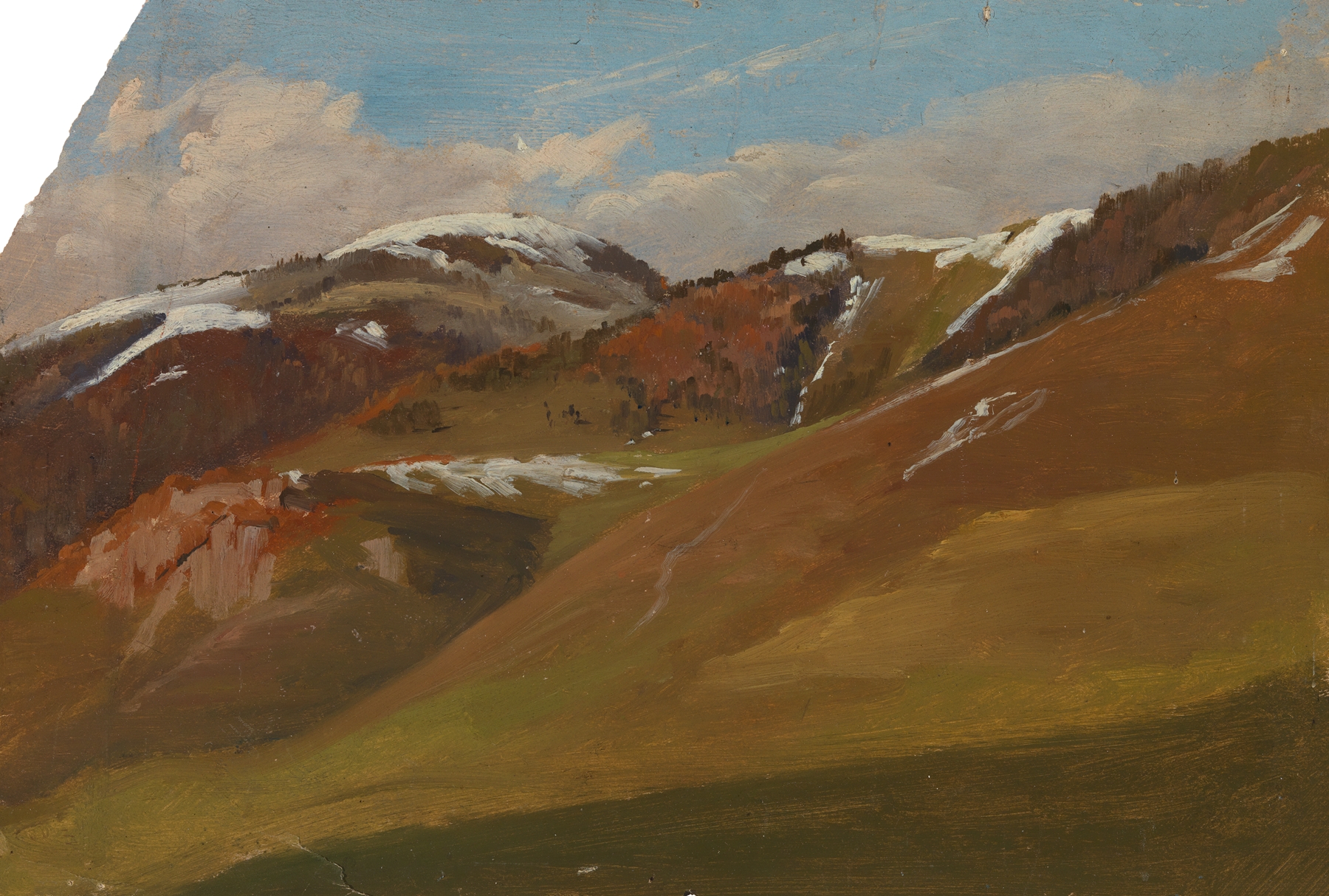
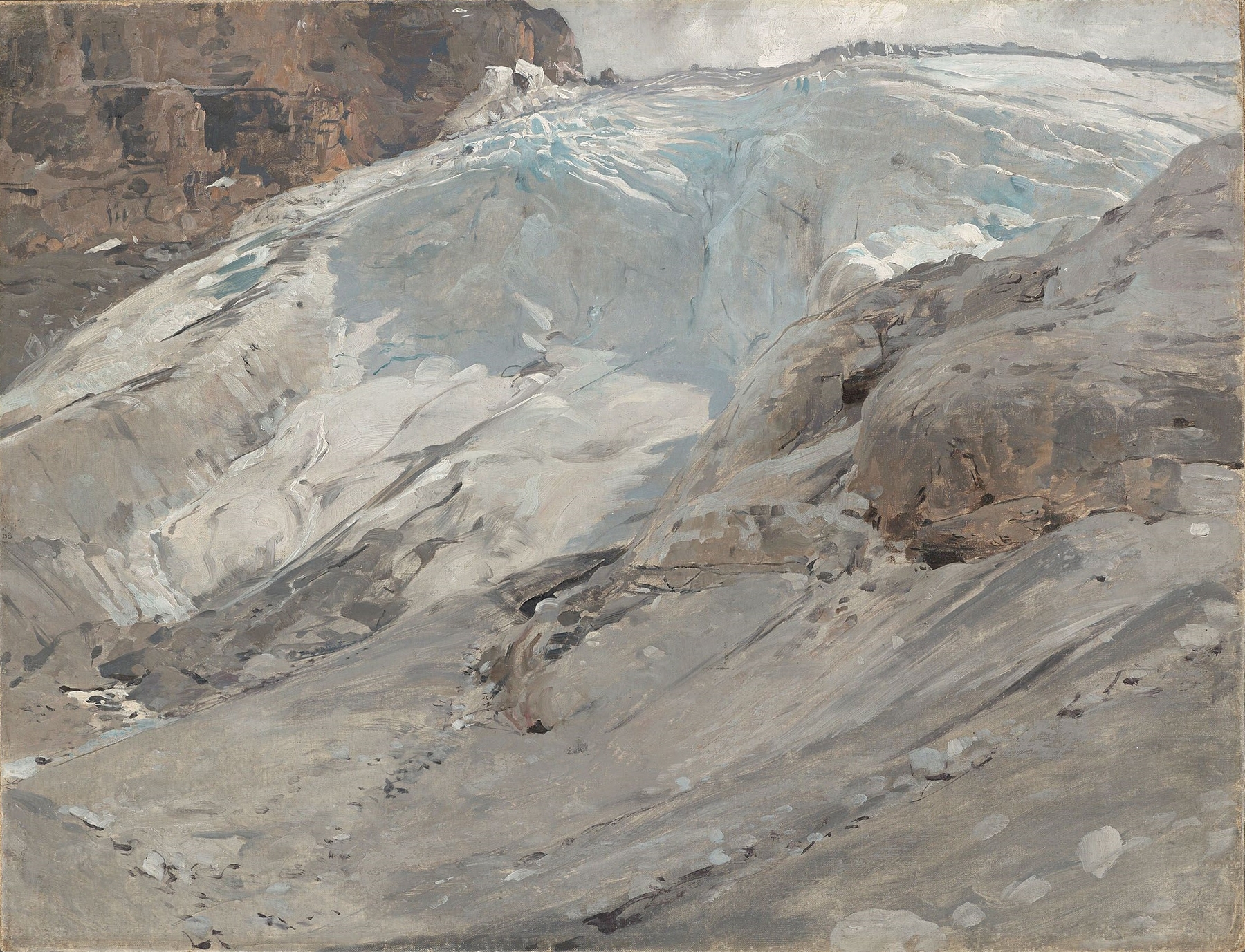
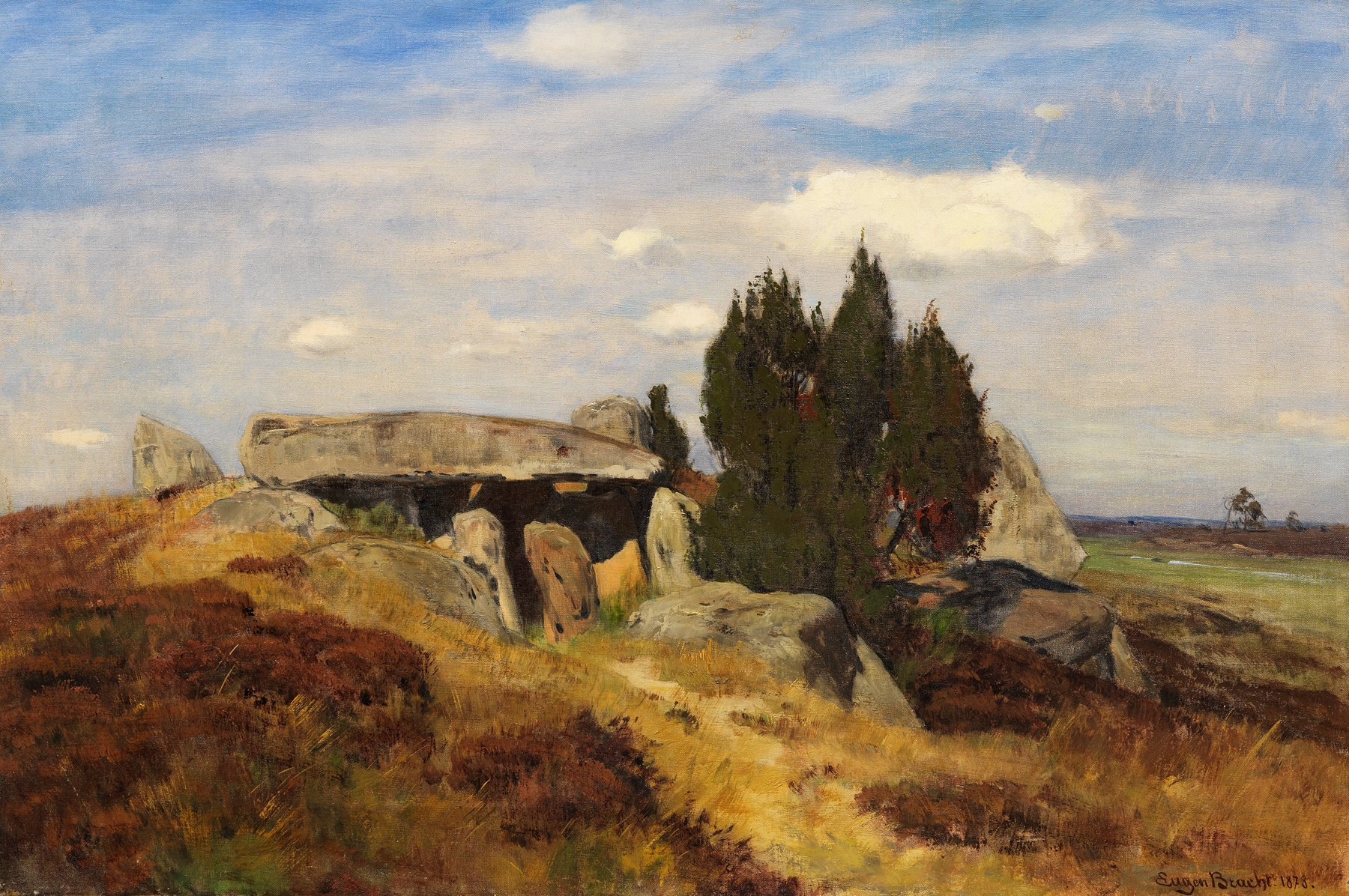
Could beauty survive in a century of chaos? In the midst of industrial upheaval and personal obsessions, the natural world emerges as a sanctuary, a reminder of serenity and grandeur. Look to the left at the towering peaks, their majestic forms rising sharply against a tumultuous sky. The artist employs a palette of deep greens and earthy browns, infusing the landscape with a lush vitality, while the clouds swirl dramatically overhead, painted in wisps of grays and whites.
Notice how the sunlight breaks through, illuminating the mountain slopes and casting shadows that dance in the valleys below. The meticulous brushwork captures the dynamic interplay of light and shadow, inviting the viewer into a realm that feels both tangible and dreamlike. Delve deeper to uncover the emotional tensions at play; the towering mountains may symbolize strength and permanence, while the tumultuous sky hints at the fragility of this beauty amid shifting times. The painting holds a sense of obsession—an overwhelming reverence for nature’s splendor that stands in stark contrast to human turmoil.
Small details, like the gentle flow of water at the mountain’s base, echo the persistence of life, suggesting that even in chaos, beauty finds a way to endure. Eugen Bracht created this piece in 1860, during a time of significant change in Europe, characterized by rapid industrialization and emerging modernity. Living in Germany, he was deeply influenced by the Romantic movement, which celebrated nature and emotional experience. This work reflects his desire to capture the sublime aspects of the landscape, framing nature as a refuge from the chaos of contemporary life.