Waldlichtung mit Pferden — History & Analysis
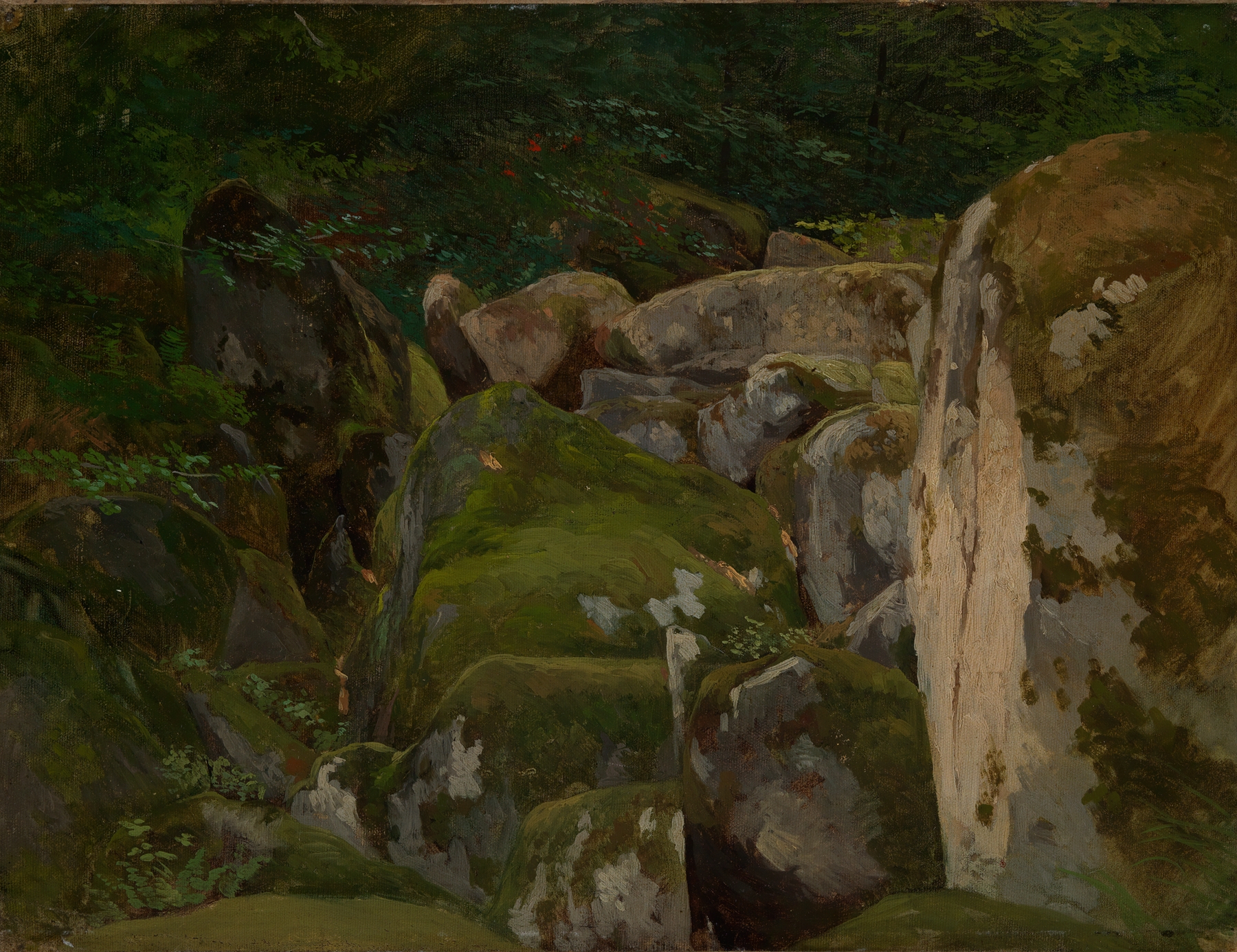
When did color learn to lie? In Waldlichtung mit Pferden, the verdant hues evoke an ethereal serenity, their vividness stretching the boundaries of reality and inviting awe. Look to the left at the dappled light filtering through the dense canopy of trees, casting a mosaic of shadows on the ground. The horses, depicted in a gentle trot, are bathed in warm, golden tones that seem almost alive, their manes flowing like liquid silk.
Notice how the artist meticulously captures the interplay of light and shadow, striking a balance between the vivid foreground and the mysterious depths of the woodland, drawing the viewer deeper into this enchanted glade. Bracht’s choice of palette contrasts the wild, untamed nature of the forest with the tranquil demeanor of the horses. The lush greens symbolize life and vigor, while the earthy browns ground the scene, reminding us of the inherent beauty and unpredictability of the natural world. This juxtaposition speaks to the harmony and tension between man and nature, evoking feelings of both admiration and respect for the wilderness that surrounds us.
In 1861, while living in Germany, the artist experienced a cultural shift toward Romanticism, embracing natural landscapes infused with emotional depth. This period marked an increasing fascination with the sublime aspects of nature, reflecting broader societal changes as the Industrial Revolution loomed. Bracht’s work captures the essence of this moment, where the enchanting beauty of untouched wilderness stands in stark contrast to the encroaching mechanization of life.