‘Der alte Hof (n. d. N. Windisch-Eschenbach)’ — History & Analysis
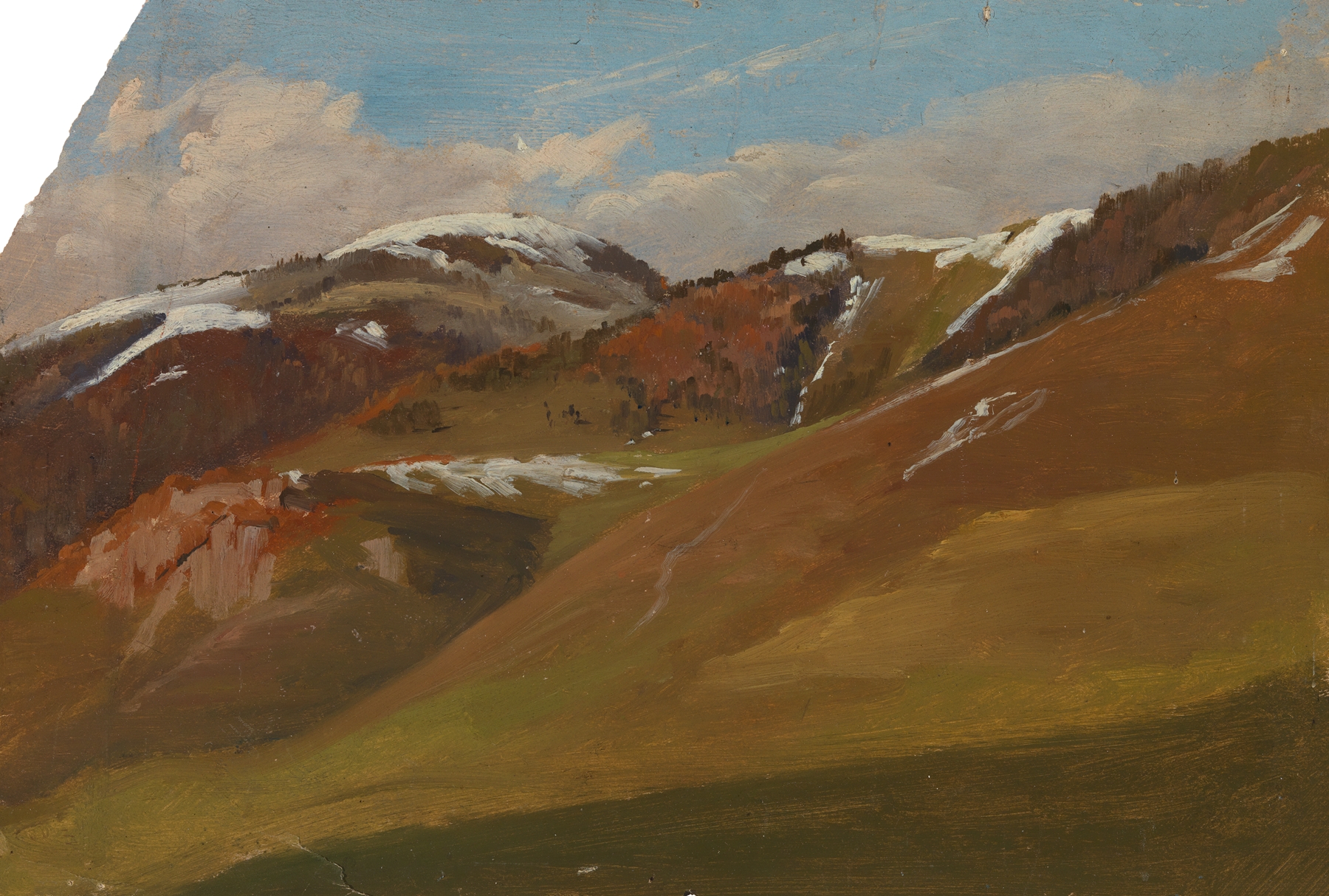
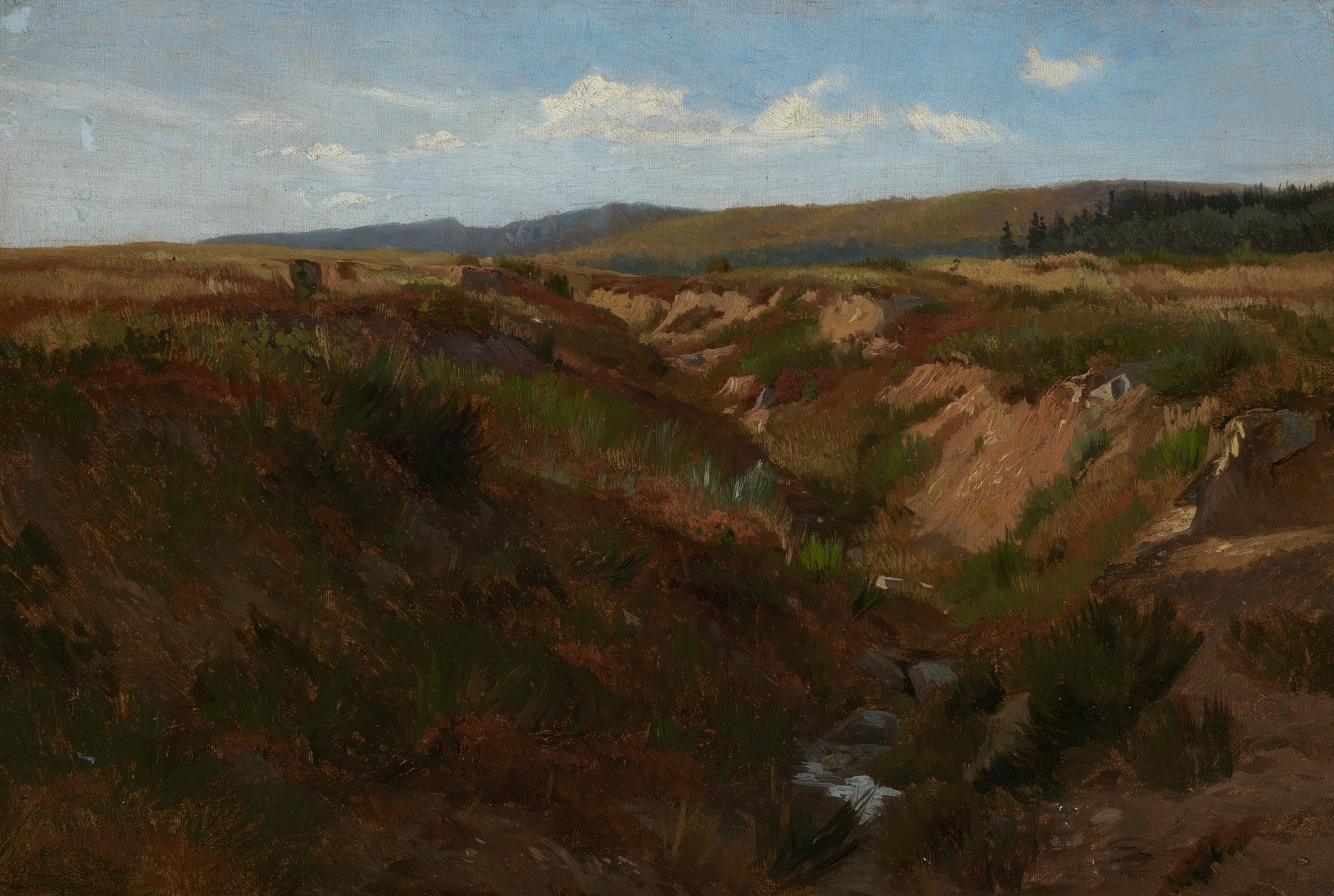
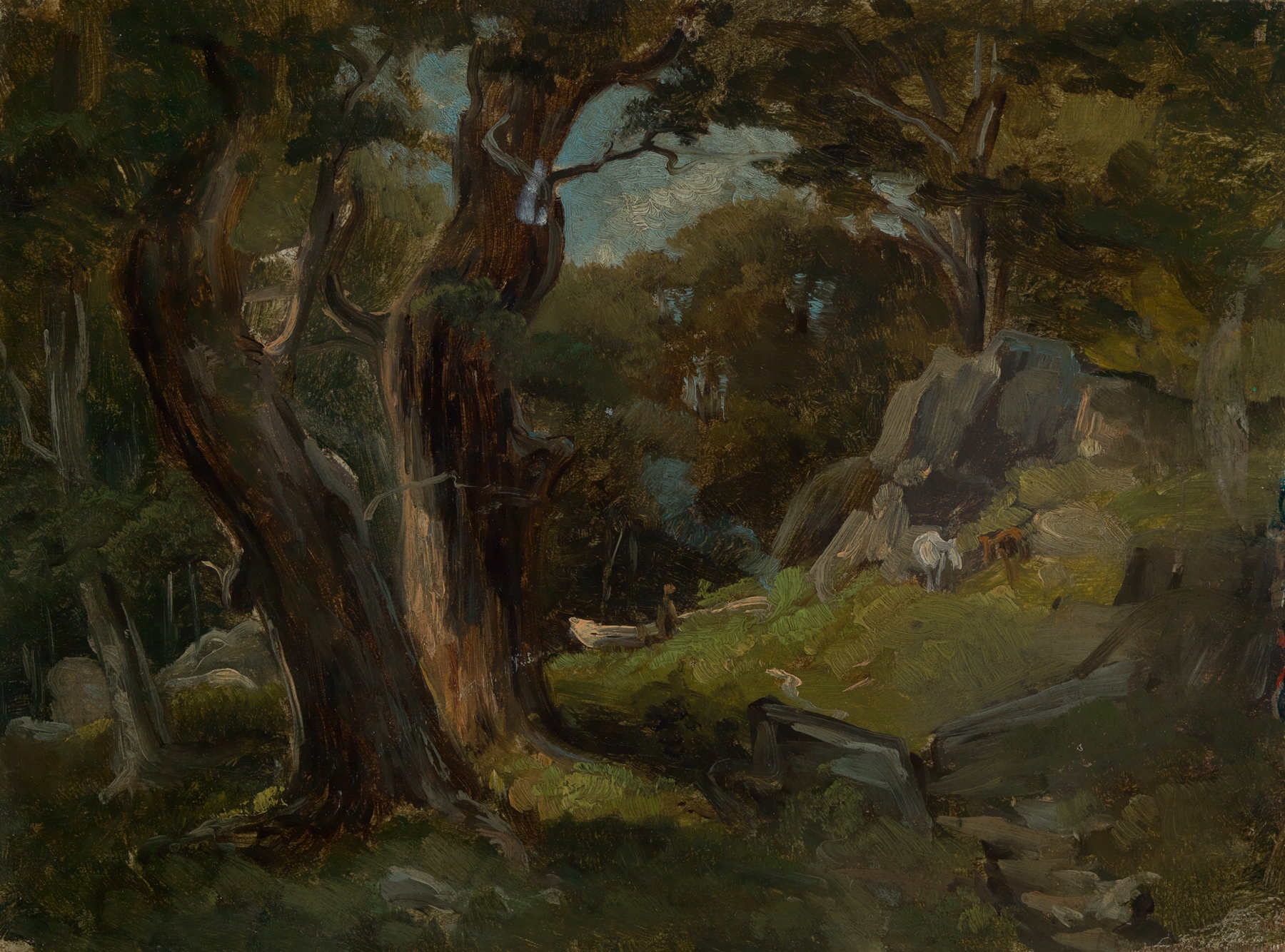
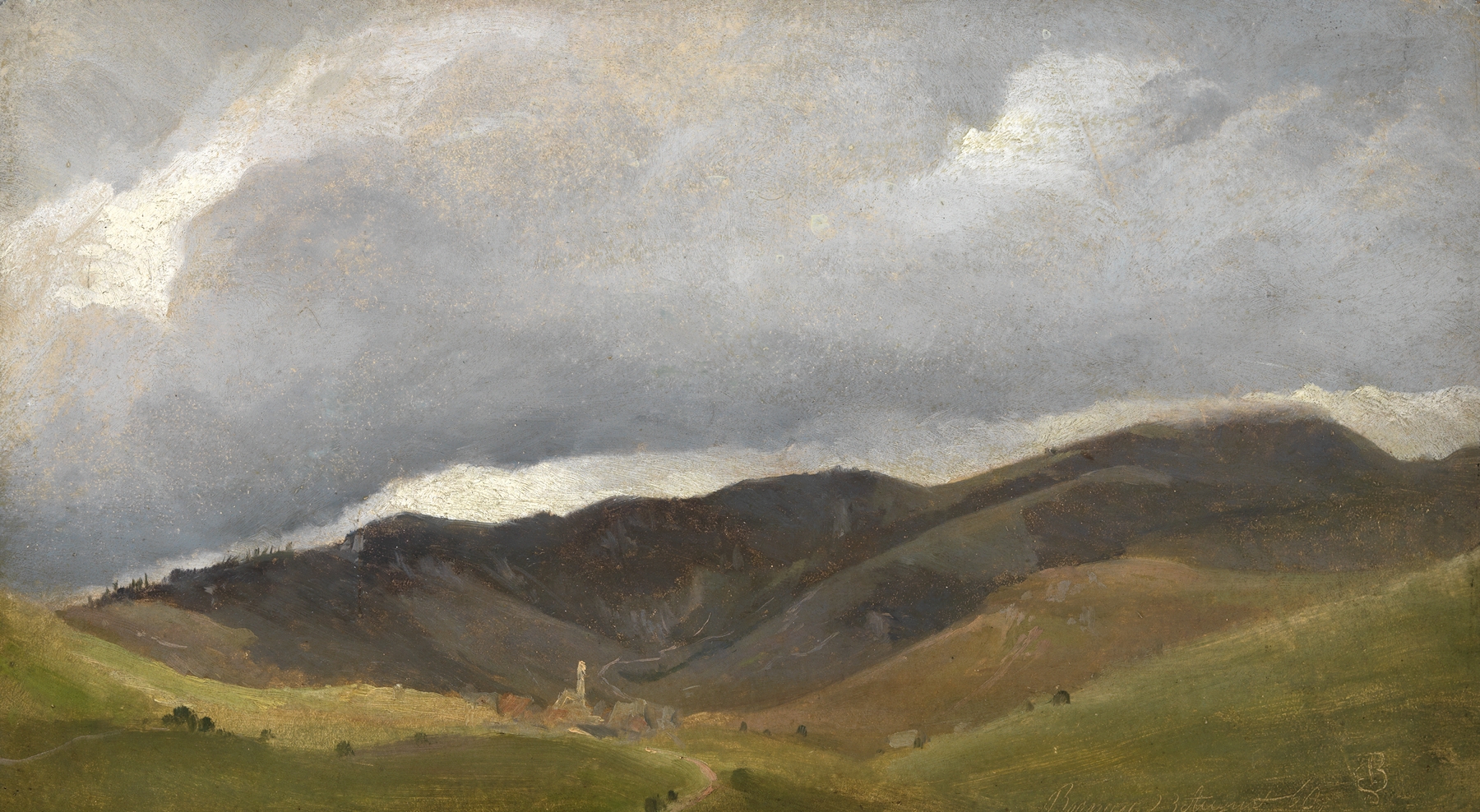
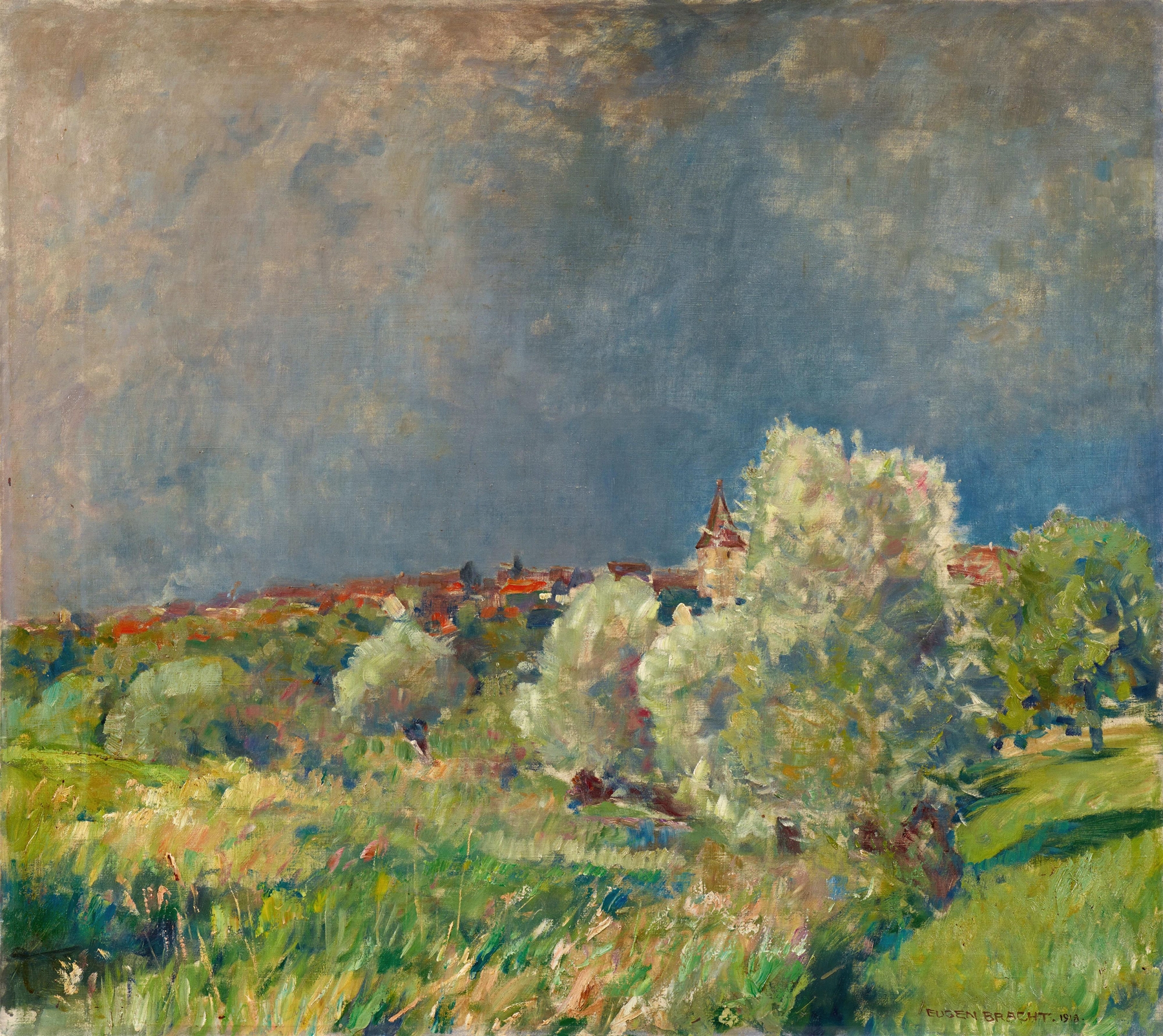
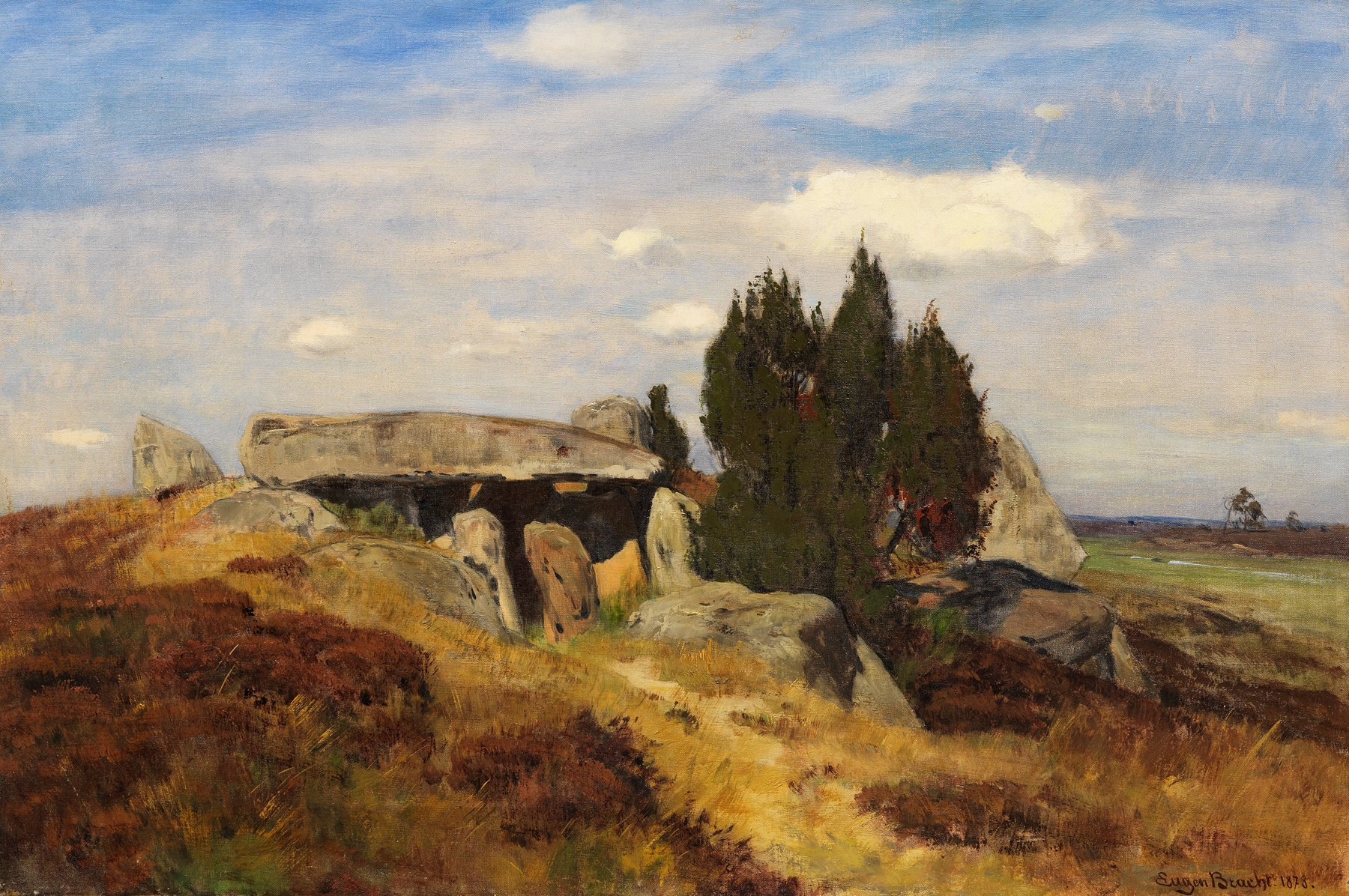
Could beauty survive in a century of chaos? In a world marred by strife, art becomes a sanctuary where divine glimpses flourish amidst turmoil. Focus your gaze on the verdant landscape that gently unfolds before you. The eye is drawn first to the luminous sky, where soft golden hues mingle with deepening blues, inviting contemplation. Along the horizon, a delicate interplay of light and shadow reveals a quaint building, its warm tones harmonizing with the lush greenery enveloping it.
Notice how the brushwork breathes life into every blade of grass and every leaf, each stroke capturing the intricate dance of nature. As you delve deeper, layers of meaning begin to emerge. The old homestead, perhaps a remnant of forgotten times, stands resilient, a symbol of endurance despite the chaos that surrounds it. The tranquility of the scene juxtaposes the uncertainty of existence, echoing whispers of nostalgia and longing.
One can sense a divine presence in the stillness, as if this moment has been preserved to remind us that beauty can flourish even in adversity. Created at an unspecified time in the artist's life, this work reflects the spirit of an era searching for solace. Bracht, known for his depictions of nature and landscapes, often sought to capture a sense of peace through his art. In a historical context marked by upheaval, this piece stands as a testament to the artist’s belief in the transcendent power of nature, a belief that resonated with many during his lifetime.