Bemooste Felsen im Waldtal — History & Analysis
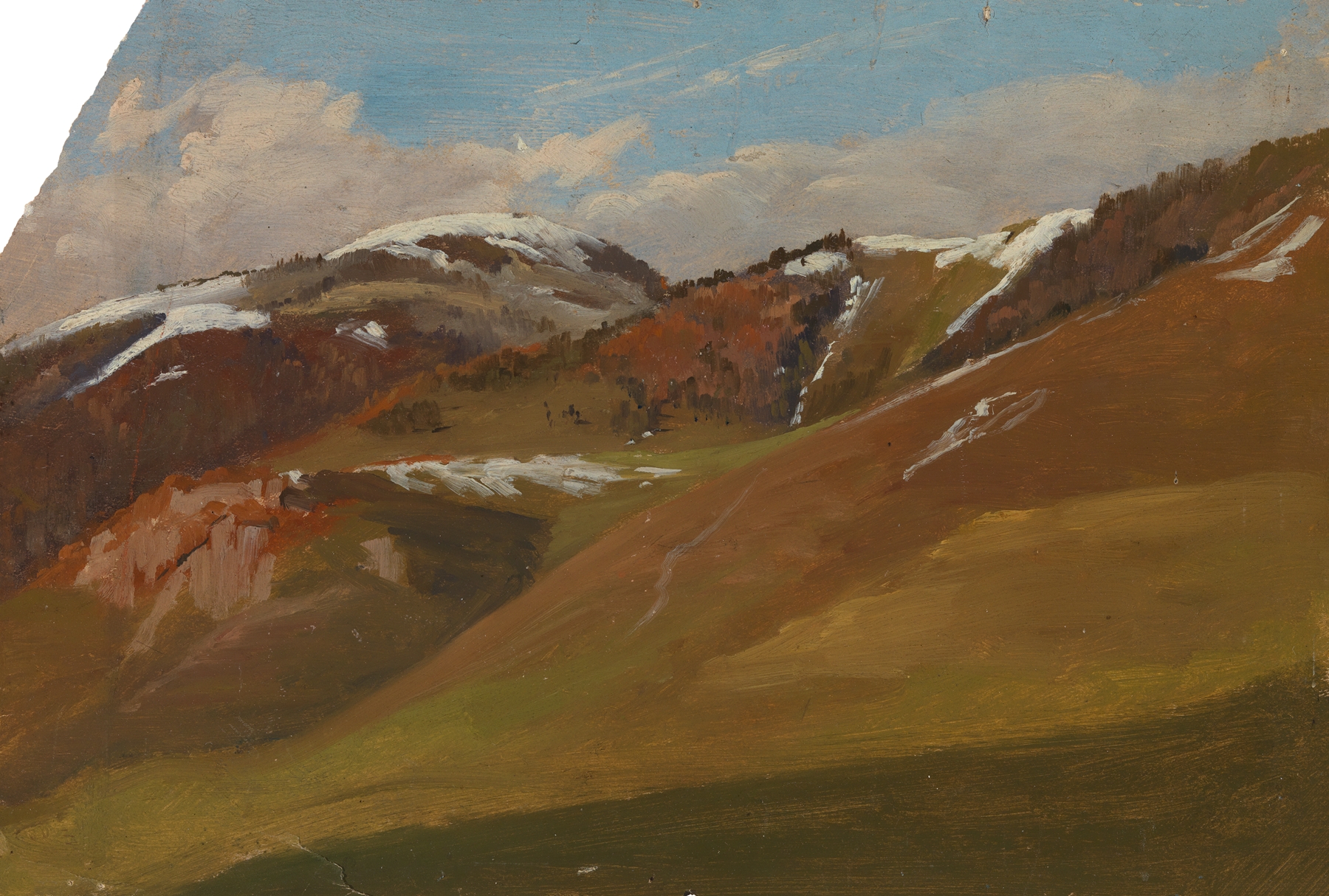
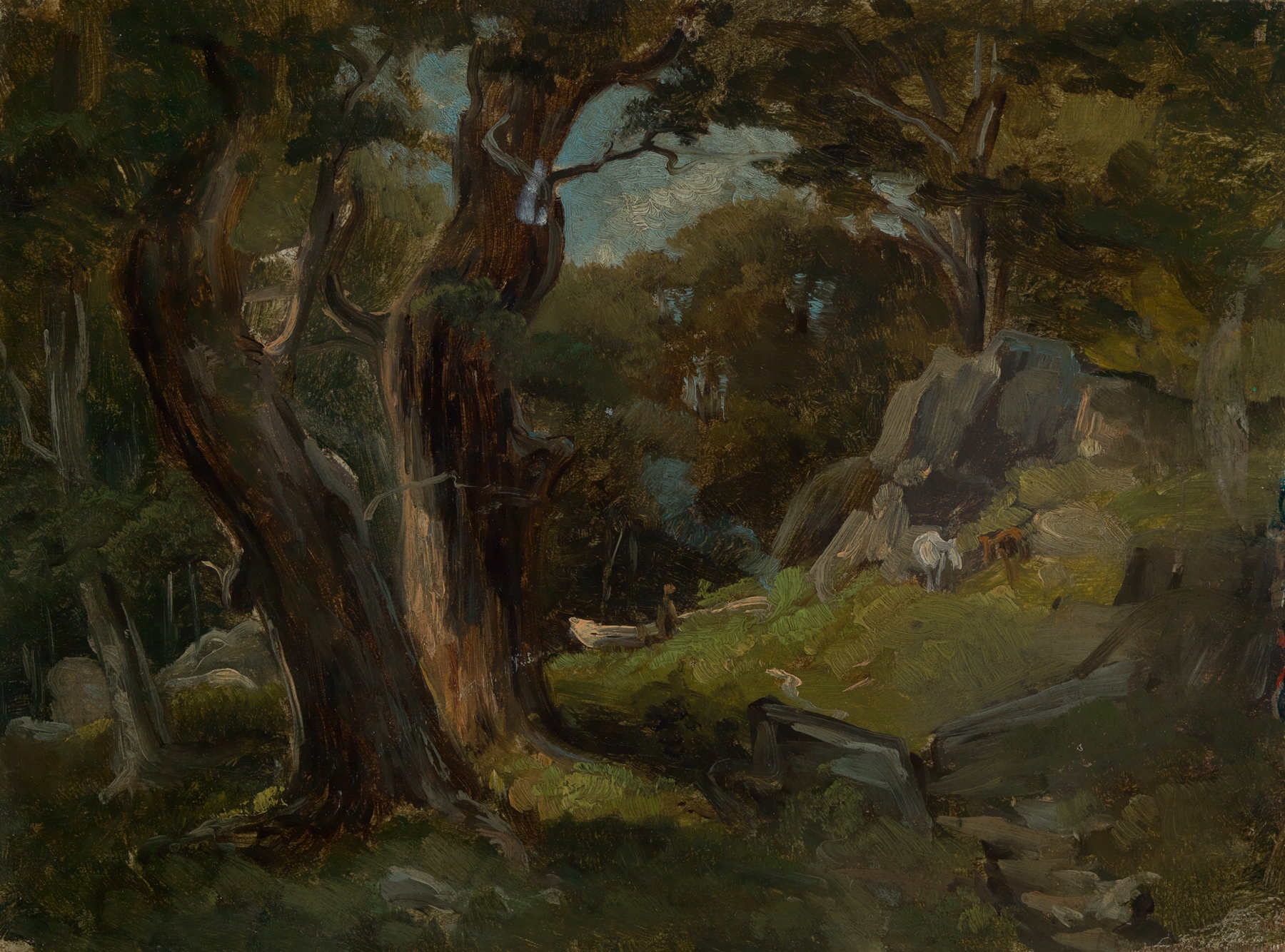
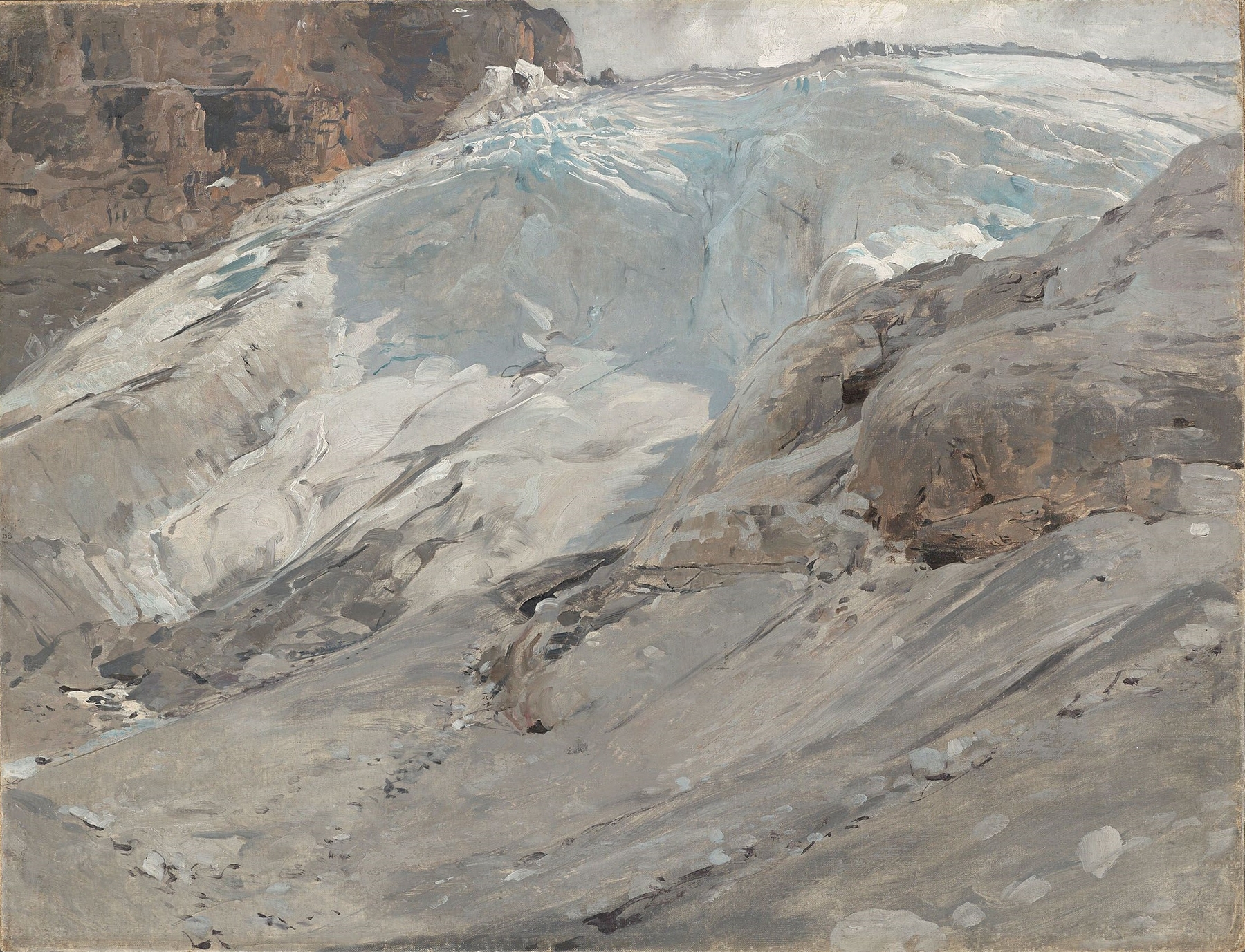
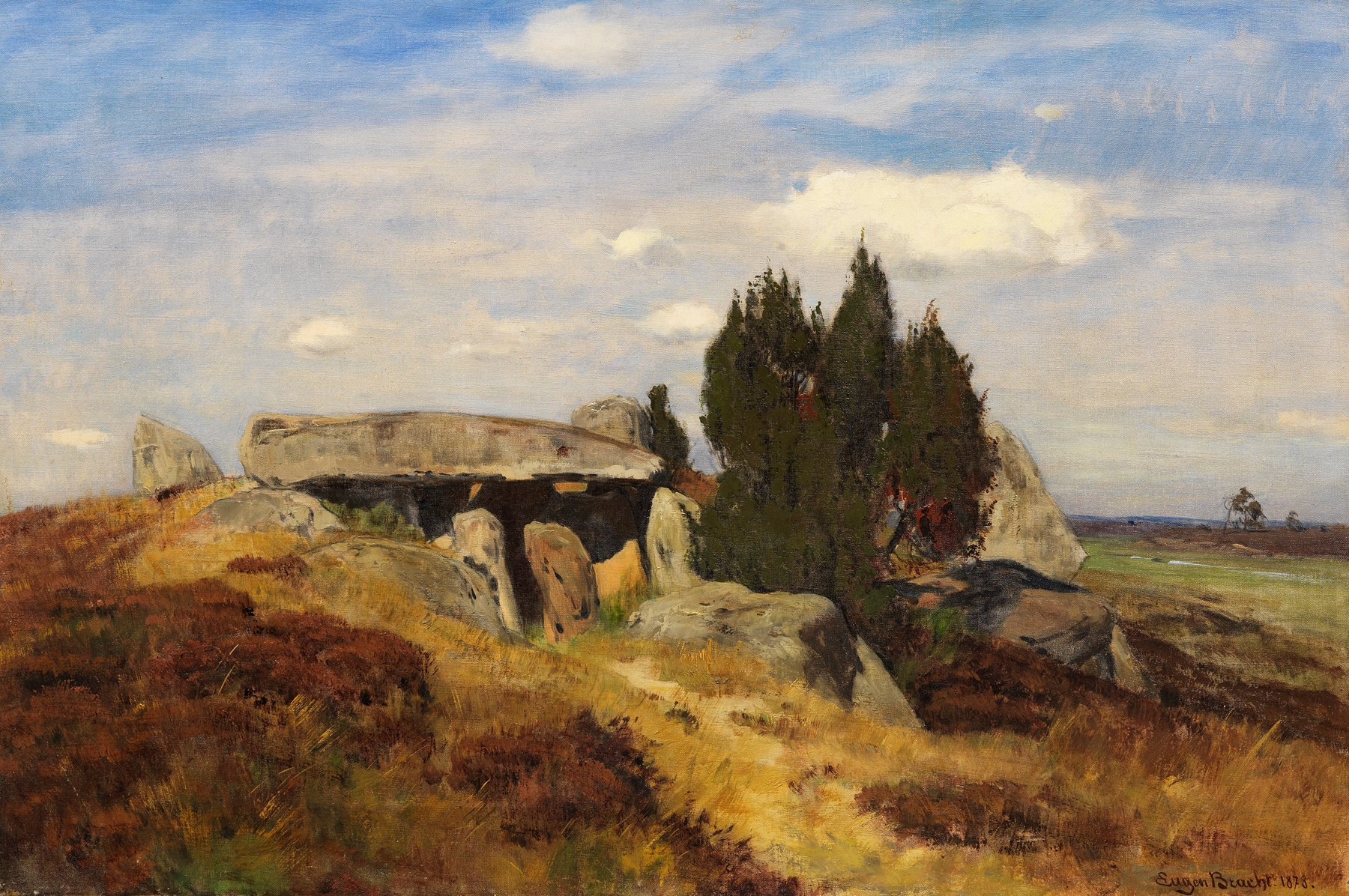
What if silence could speak through light? In Bemooste Felsen im Waldtal, the interplay of shadows and soft illumination whispers secrets of nature that pulse with an undercurrent of betrayal. Focus first on the moss-covered stones emerging from the forest floor, their weathered surfaces glistening under dappled sunlight. Notice how the light filters through the canopy, casting intricate patterns that dance upon the rocks and the velvety green undergrowth.
The composition, with its earthy palette of browns and greens, creates a sense of tranquility, yet there’s an unsettling quality as the dense woods loom around the edges, suggesting that not all is as serene as it appears. Hidden within the harmonious blend of nature lies a tension between safety and abandonment. The moss envelops the stones, a symbol of nature reclaiming what was once solid and steadfast, hinting at past betrayals that might have fractured the landscape. The stark contrast between the vibrant greenery and the shadowy depths of the forest invites contemplation of life's fragility and the inevitable passage of time, where beauty conceals an underlying sorrow.
Eugen Bracht painted this work in 1861, during a period marked by the Romantic movement's deep appreciation for nature and its emotional resonance. At this time, he was exploring intimate landscapes that reflected both personal experience and the broader cultural shifts in Germany. The natural world served as a canvas for complex human emotions, and Bemooste Felsen im Waldtal encapsulates that profound connection, marrying artistic vision with the rhythms of life and loss.