Nach dem Regenschauer — History & Analysis
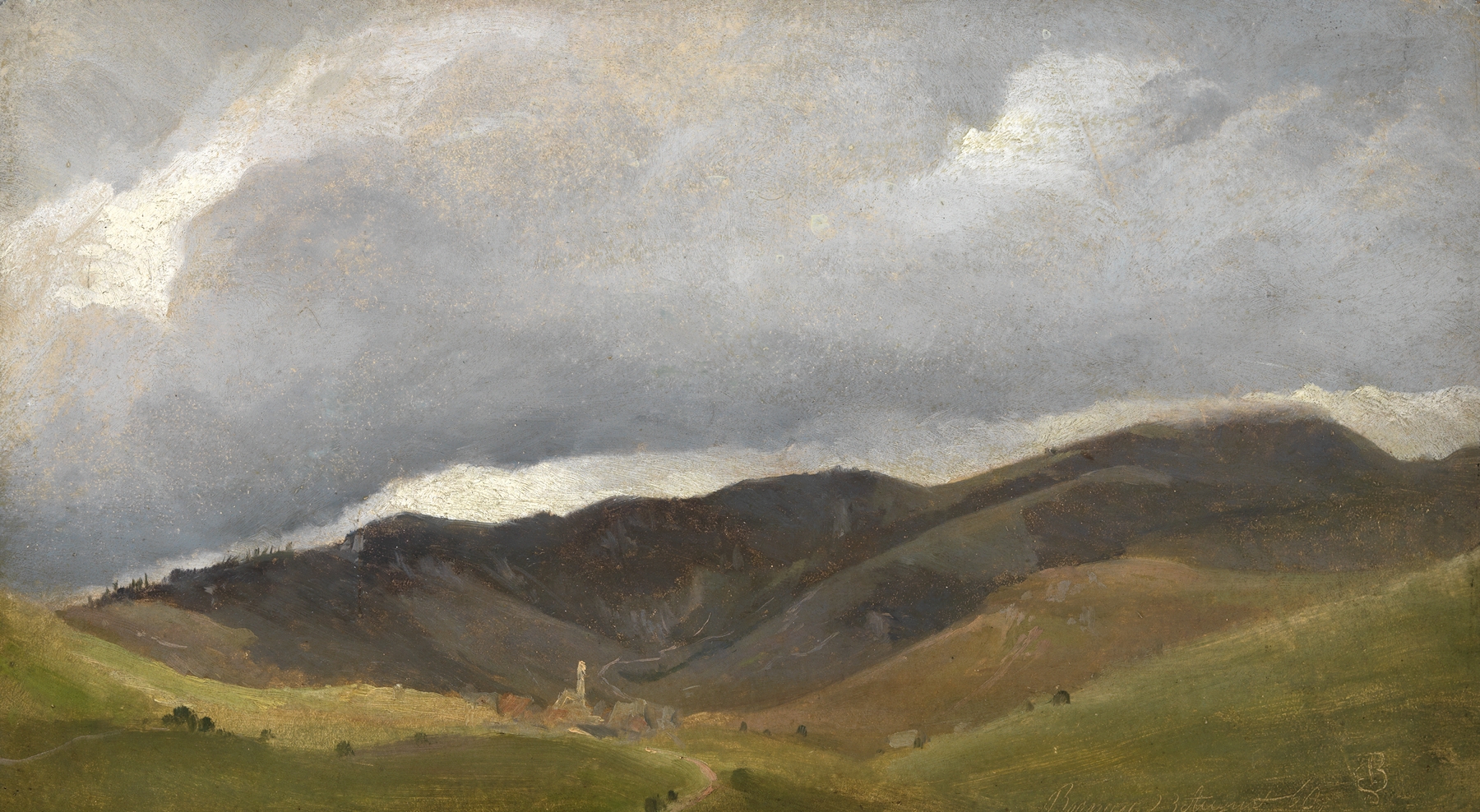
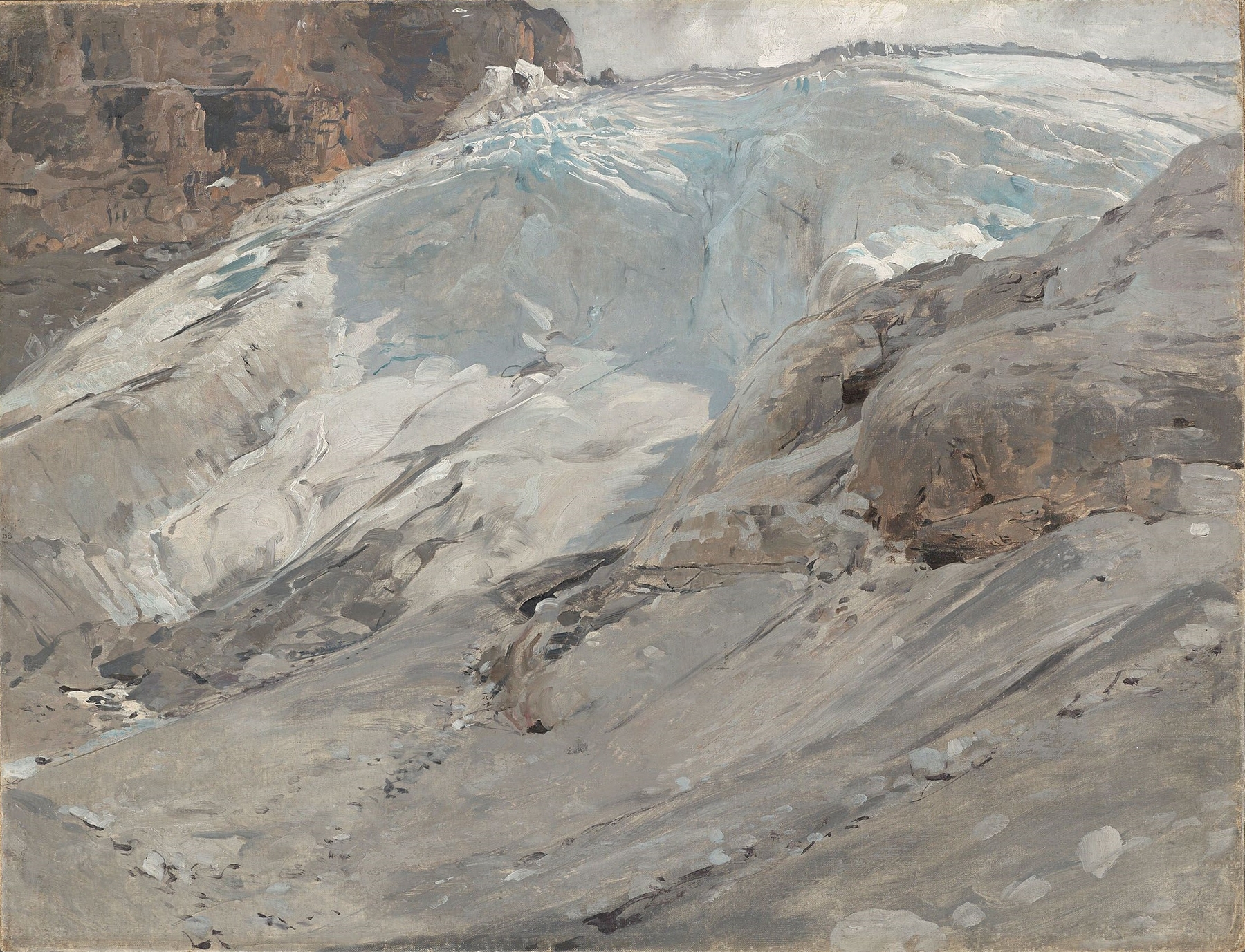
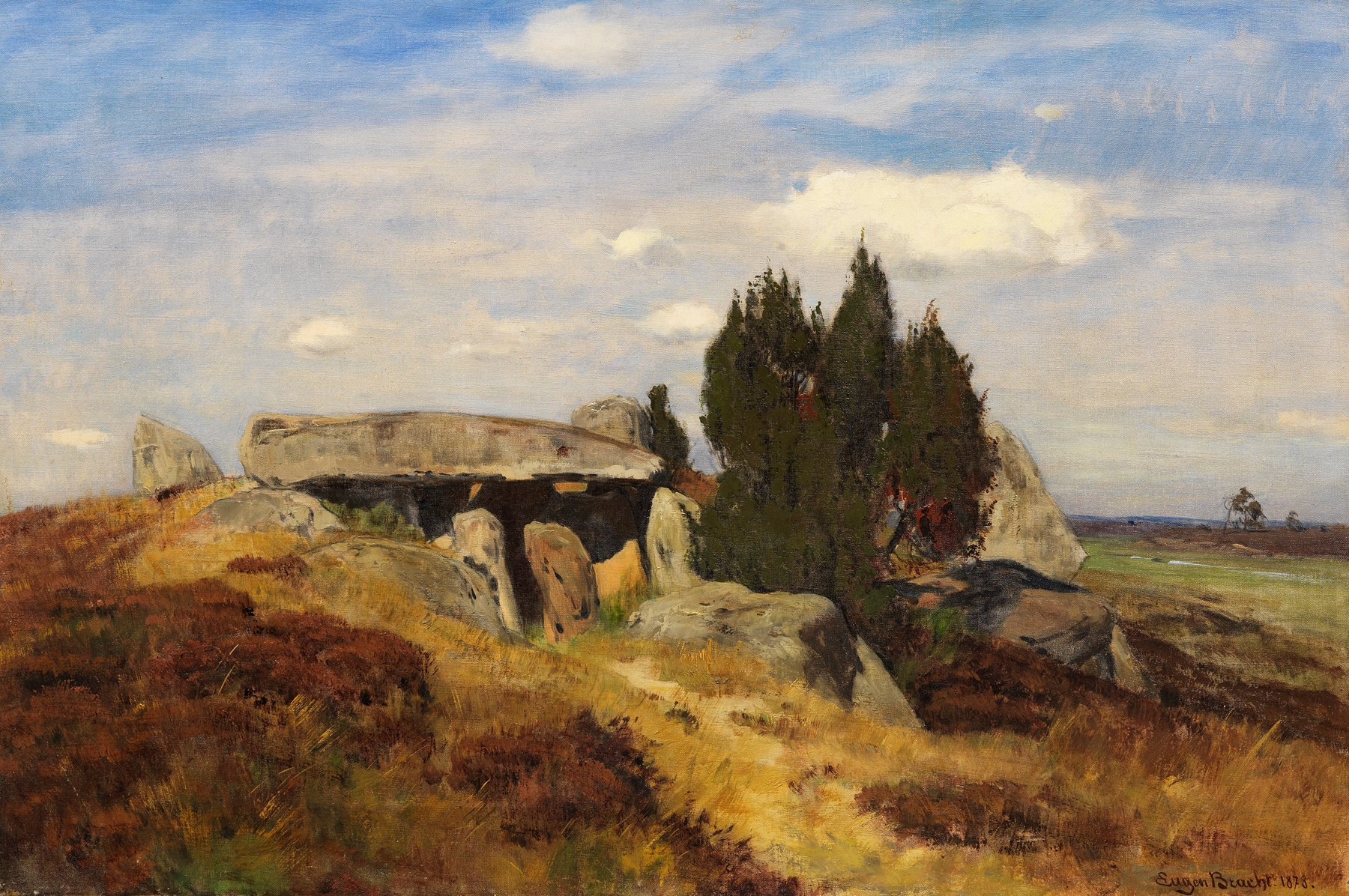
“Under the brush, chaos becomes grace.” In the tranquil aftermath of a storm, silence lingers like a soft sigh, enveloping the landscape in a wash of serenity. The air hangs heavy with the scent of wet earth, inviting contemplation and stillness. Look to the center of the canvas, where a gentle stream meanders through lush greenery, reflecting the soft hues of a dissipating gray sky. Notice how the artist employs a delicate palette of greens and browns, punctuated by the occasional splash of vibrant wildflowers. The fluid brushstrokes evoke a sense of movement, as if the world is slowly awakening from the turmoil of the rain.
Each element is harmoniously balanced, creating a composition that draws the viewer into its tranquil embrace. Hidden within the serenity lies a profound tension between chaos and order. The tumultuous storm that has just passed is suggested through the saturated colors and intricate detail in the foliage, while the calm water symbolizes renewal and rebirth. The juxtaposition of the wildflowers, blooming defiantly in the aftermath, reflects resilience in the face of adversity.
Each blade of grass and droplet of water signifies the quiet power of nature, fostering a sense of introspection. In 1918, Eugen Bracht painted this work during a period marked by the aftermath of World War I, as Europe grappled with rebuilding and recovery. He created Nach dem Regenschauer in his studio in Germany, reflecting a profound shift in artistic themes towards nature and tranquility. This painting serves as a reminder of the resilience found in stillness, capturing the essence of hope that emerges after the storm.