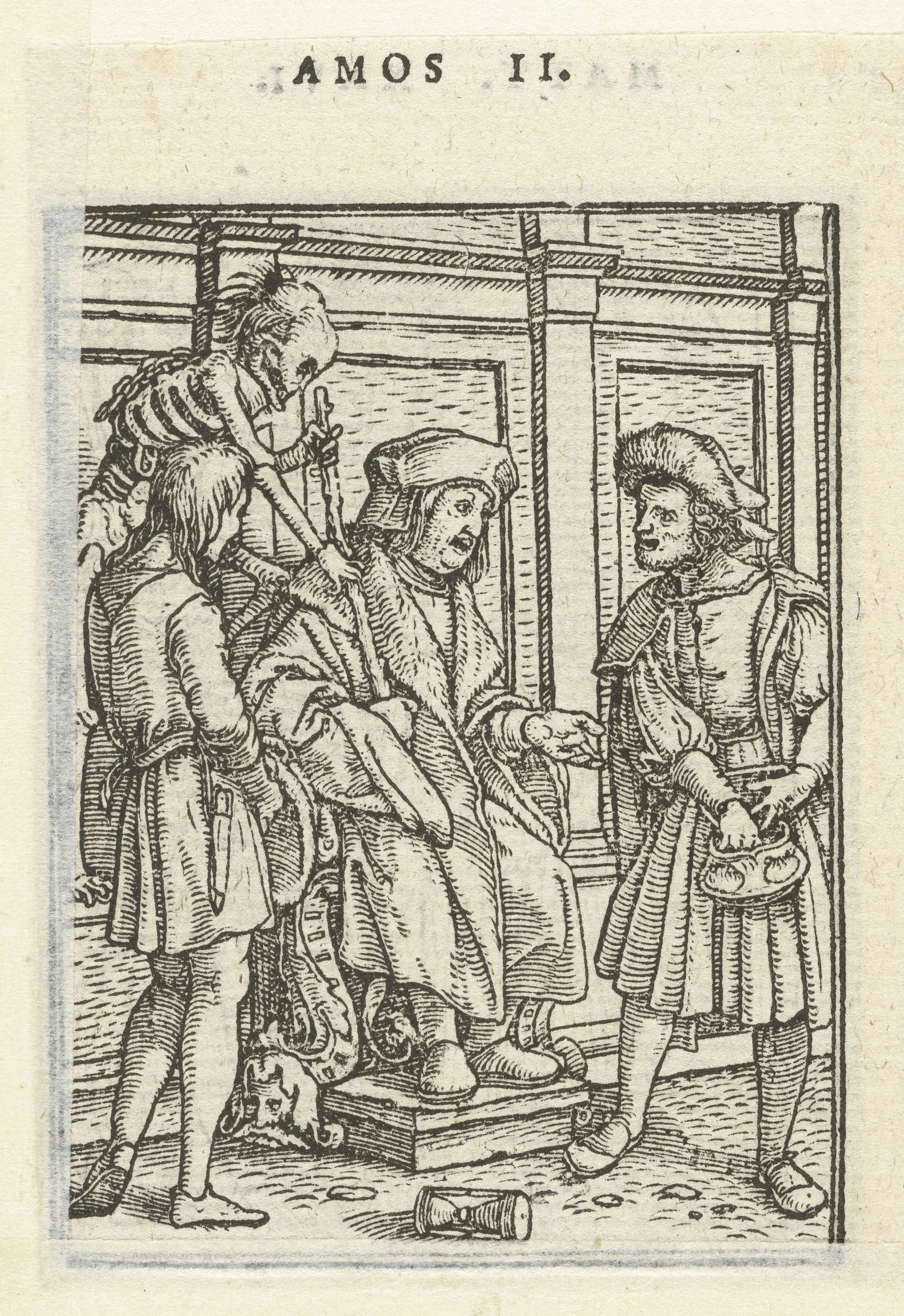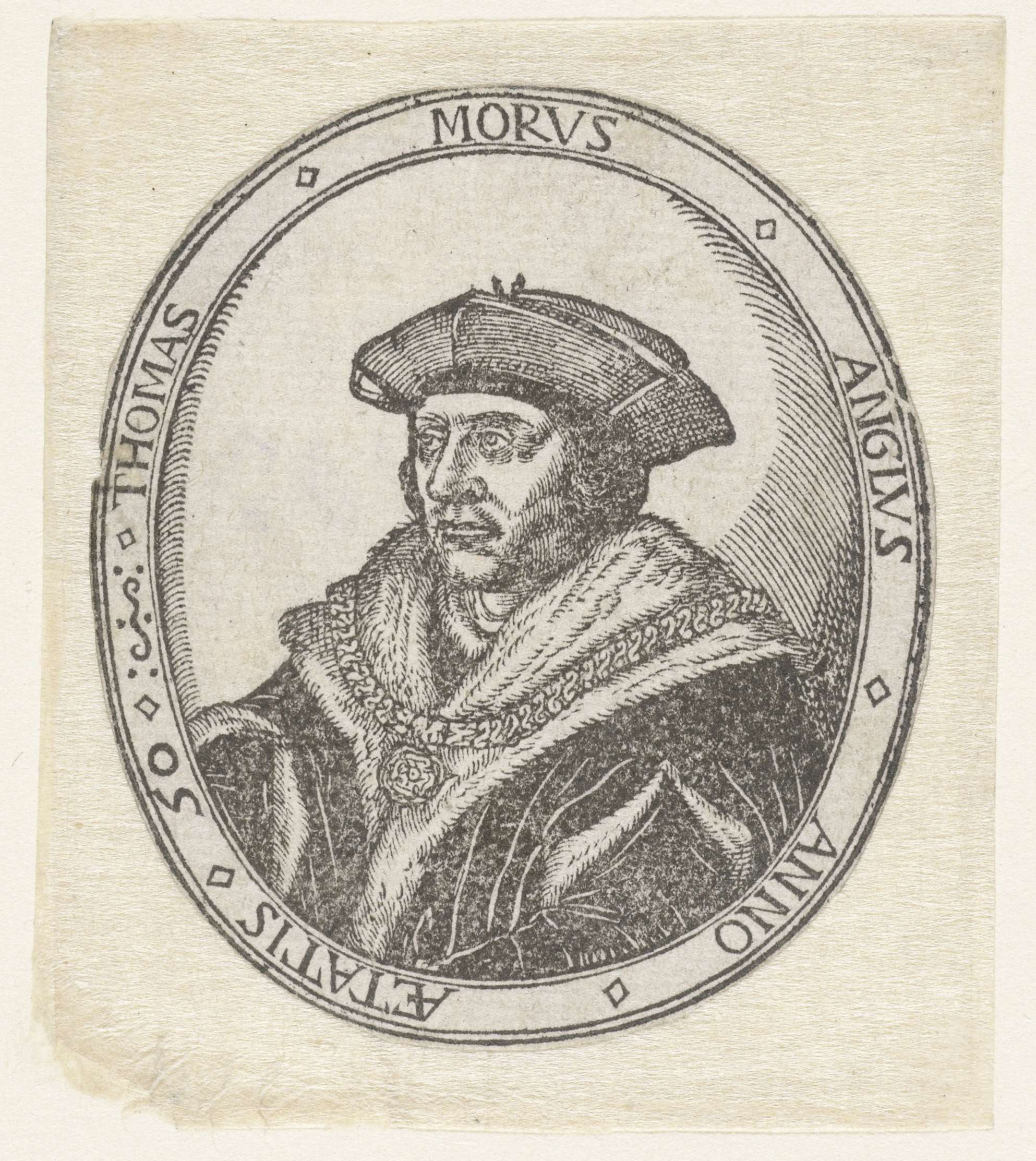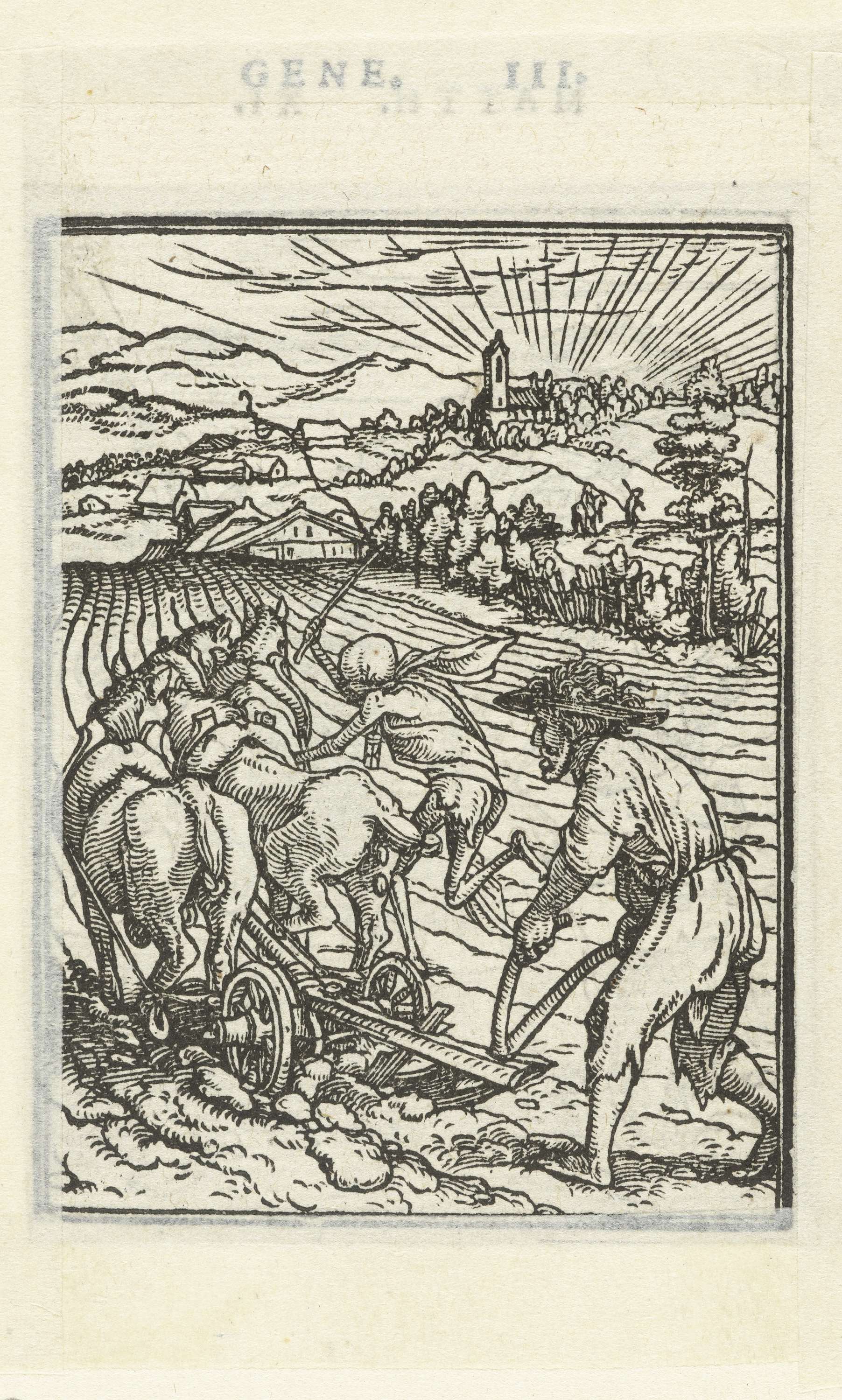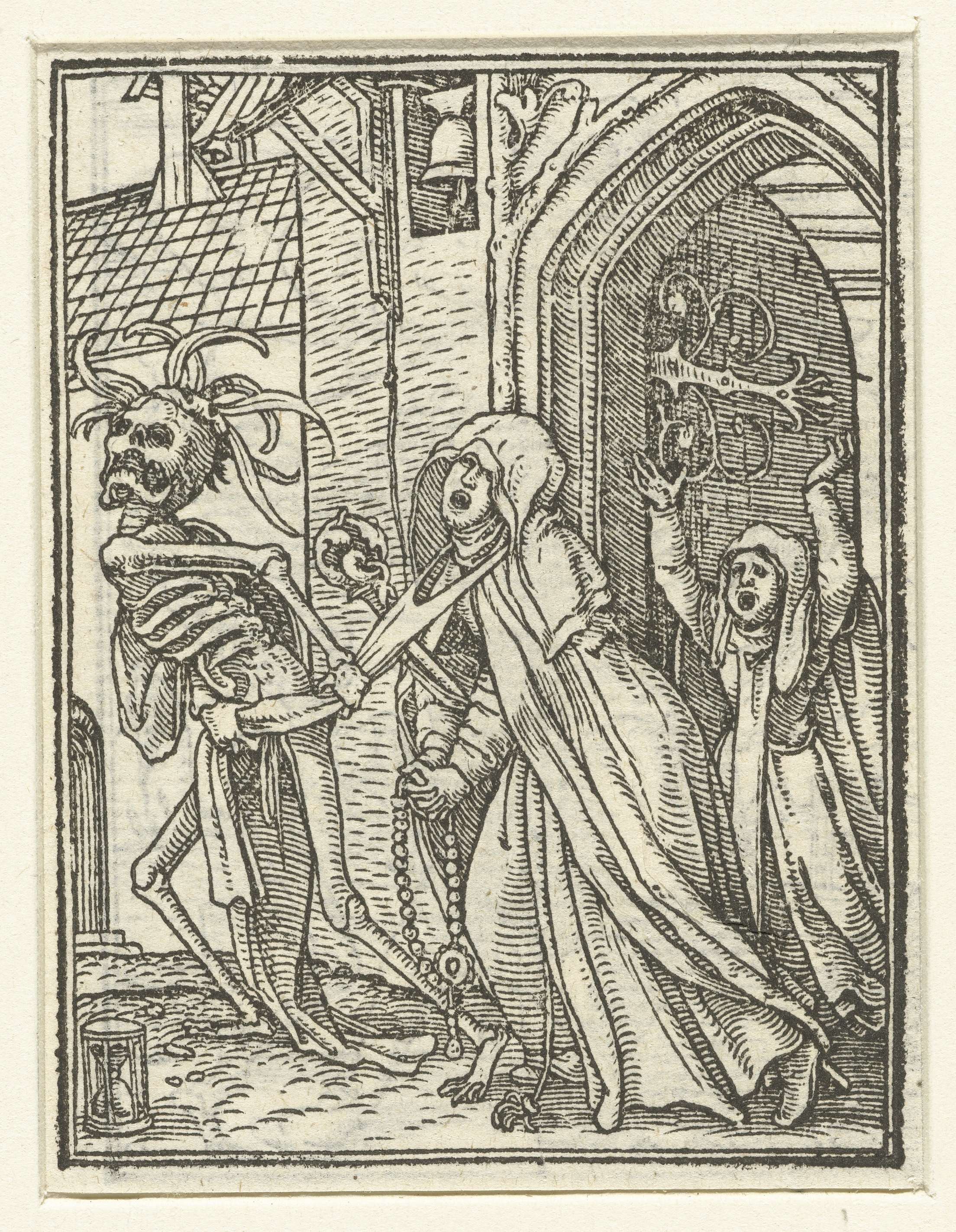
Adam en Eva aan het werk na de zondeval — History & Analysis
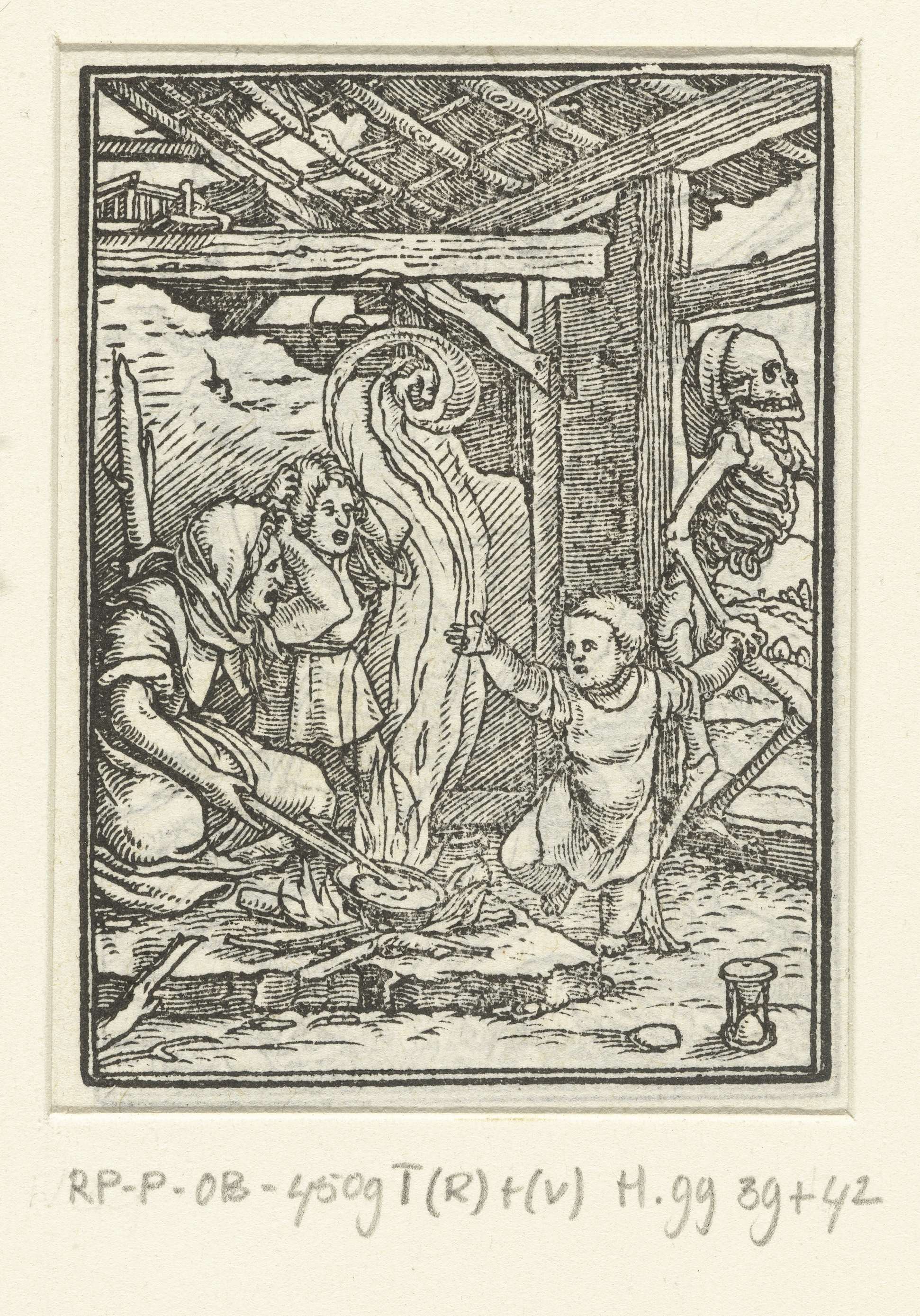
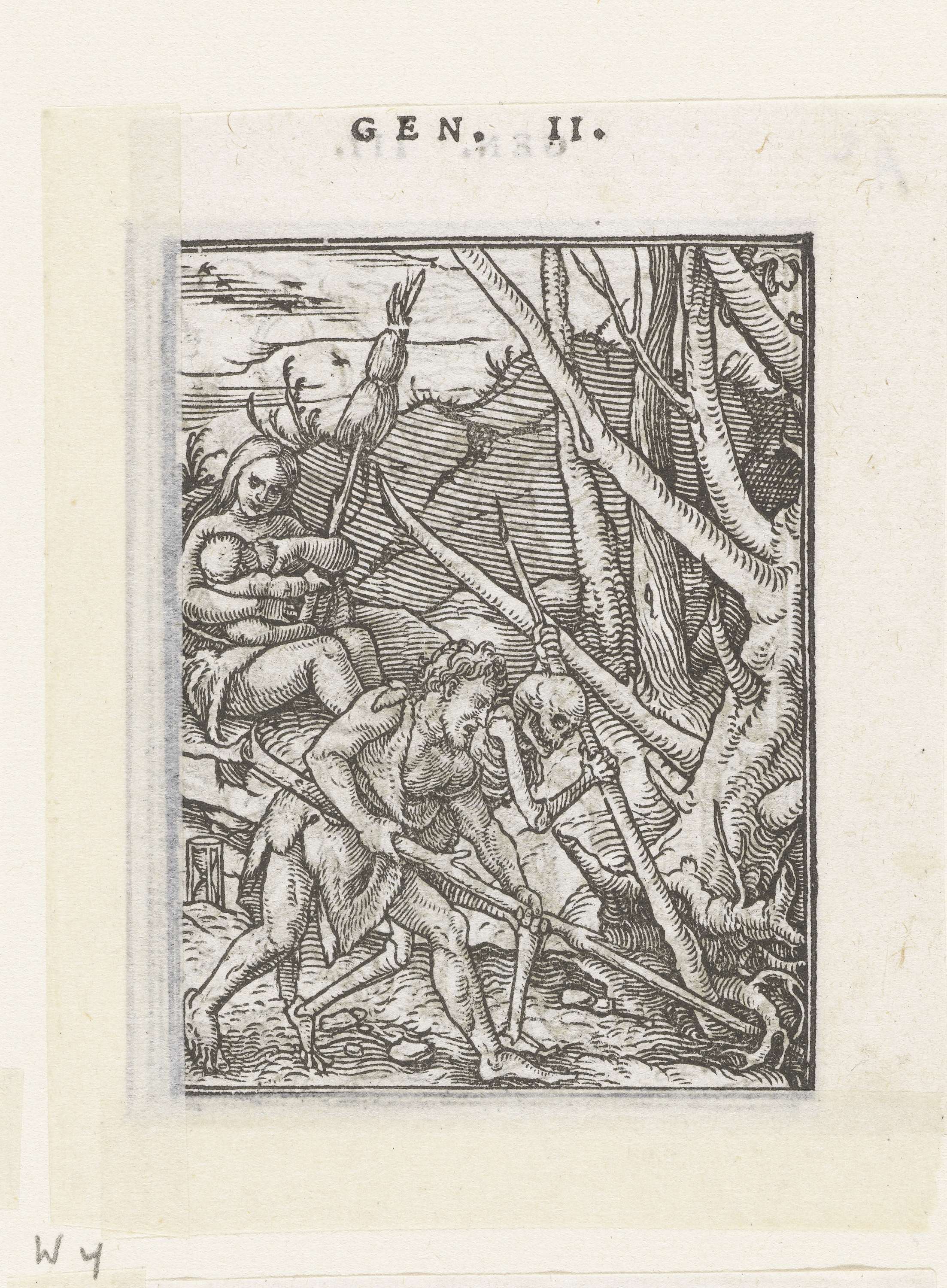
“Sometimes beauty is just pain, disguised in gold.” This profound truth reverberates in the intricate depths of the human experience, where moments of darkness often cradle the seeds of enlightenment. The struggle between innocence and knowledge is forever etched in the fabric of existence. Look closely at the figures in the foreground—Adam and Eve, rendered with meticulous detail, exhibit a juxtaposition of vulnerability and resilience. The delicate way the light envelops their forms accentuates the weight of their newfound awareness.
Notice the lush greenery surrounding them, a stark contrast to the stark emotion in their expressions, hinting at both paradise lost and a painful yet glorious transcendence from ignorance. Within the piece lies the narrative of duality—the tension between beauty and despair, innocence and guilt. The serpent’s presence, coiling like a dark whisper, embodies temptation, yet it also signifies the path to enlightenment. Even the colors, rich and vibrant, suggest life and fertility, while simultaneously marking the sorrow of their irrevocable choice.
The balance of these elements invites the viewer to ponder the paradox of human existence, where enlightenment often emerges through suffering. In 1538, the artist found himself amid the Renaissance's intellectual ferment, painting in Basel, Switzerland. This period marked a shift as religious and philosophical ideas clashed and evolved, with Holbein capturing both the beauty and turmoil of humanity. As a master of detail, he sought to convey the complexities of life, reflecting the era's exploration of morality, knowledge, and the human condition.