Advocaat en de Dood — History & Analysis
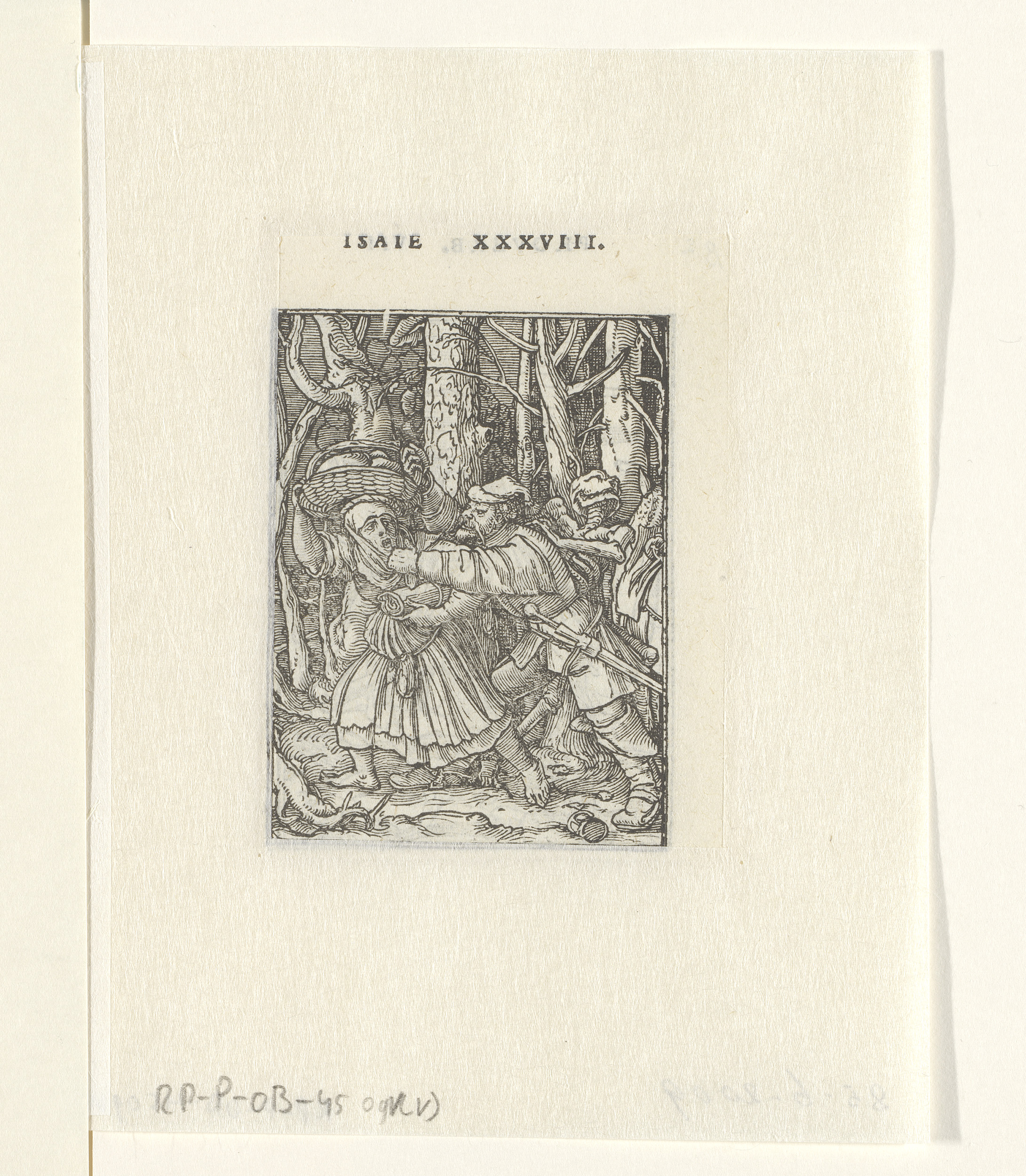
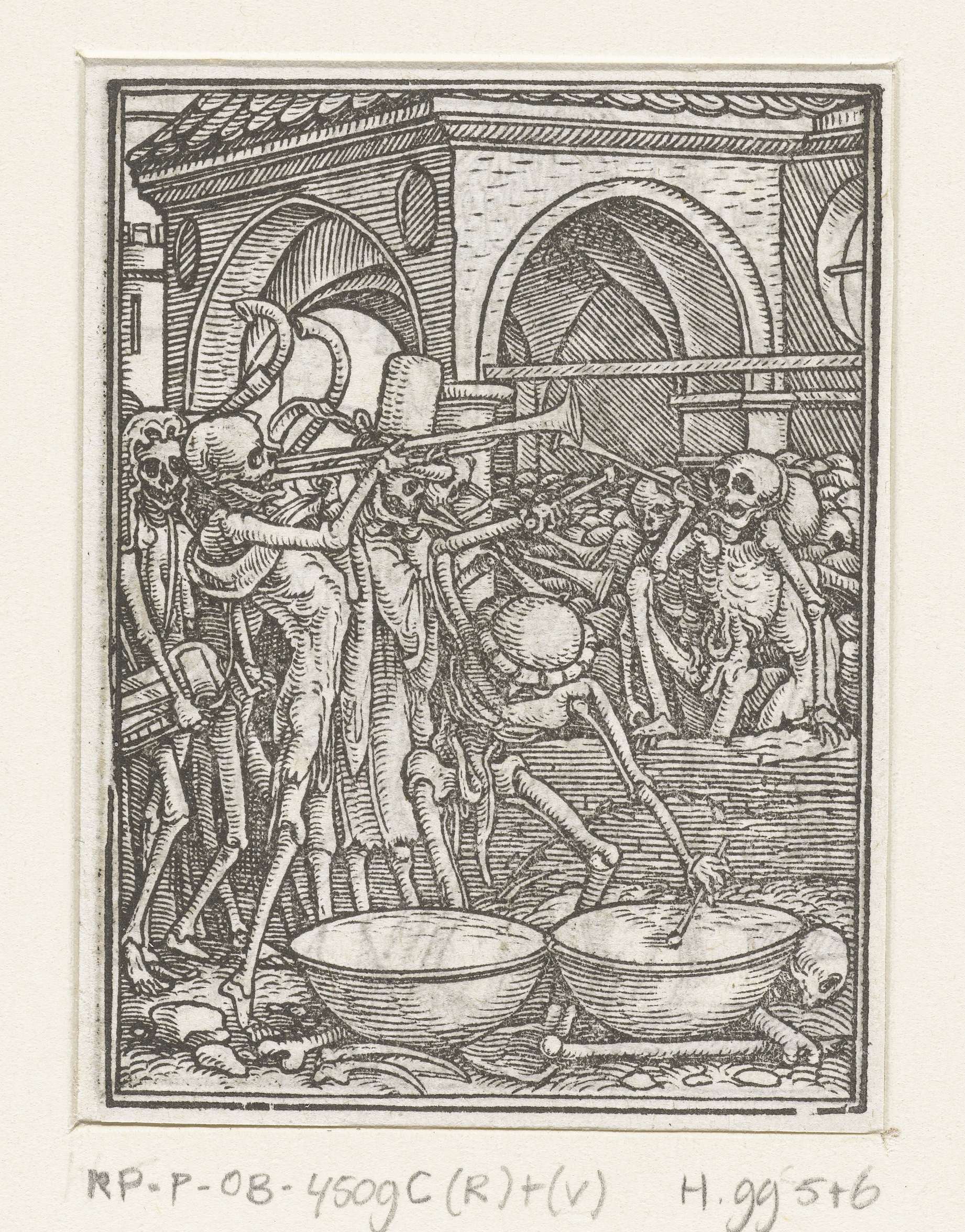
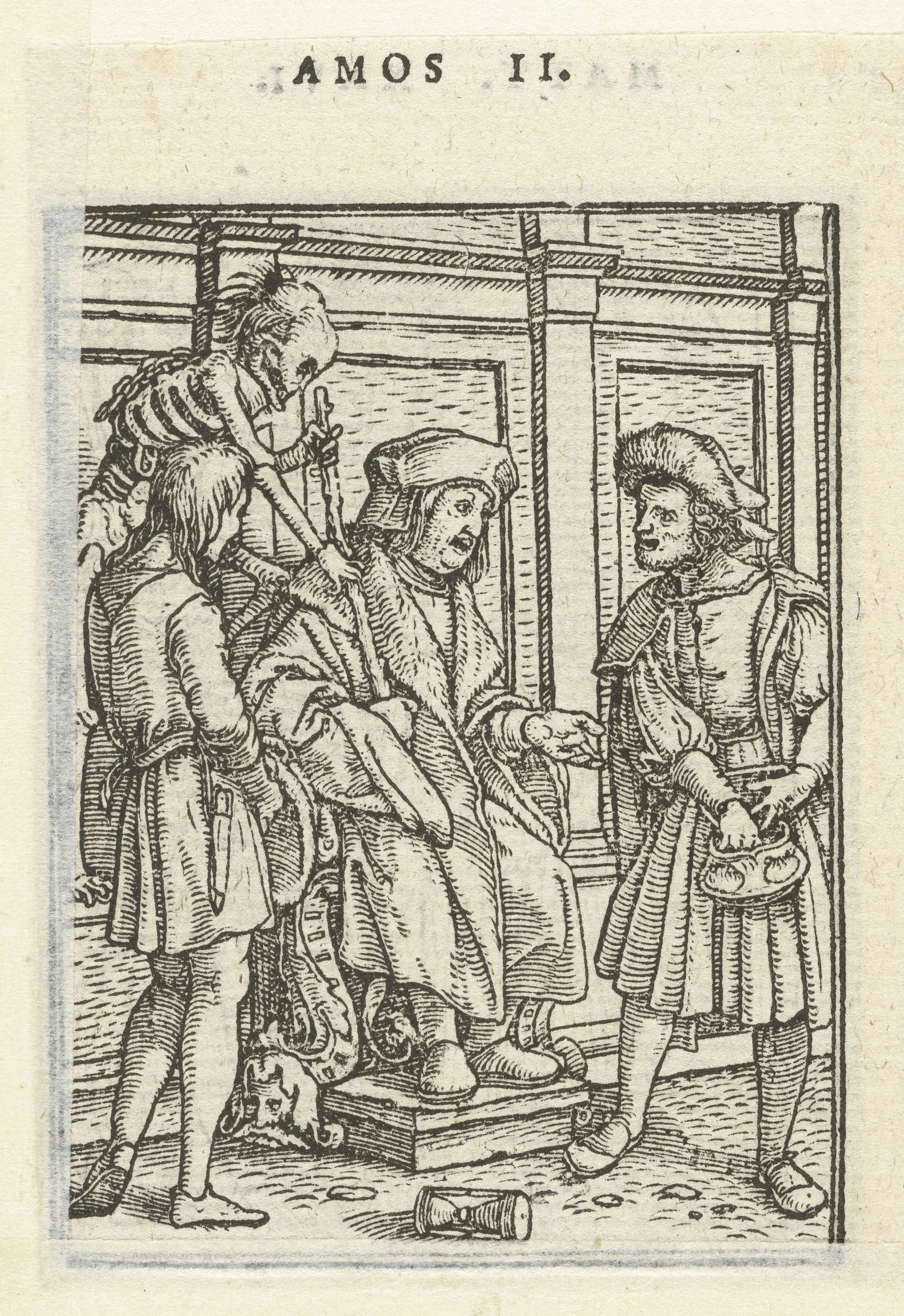
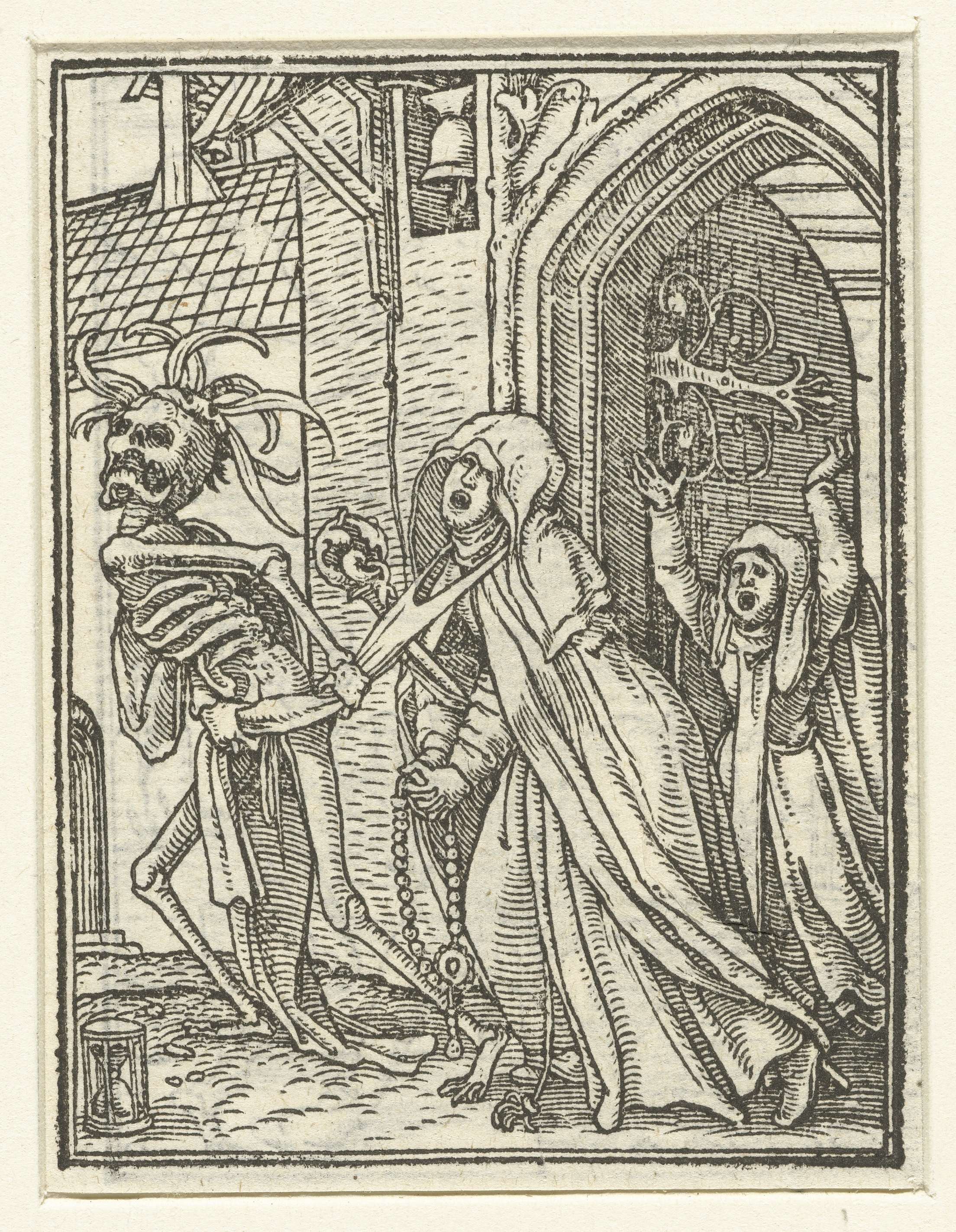
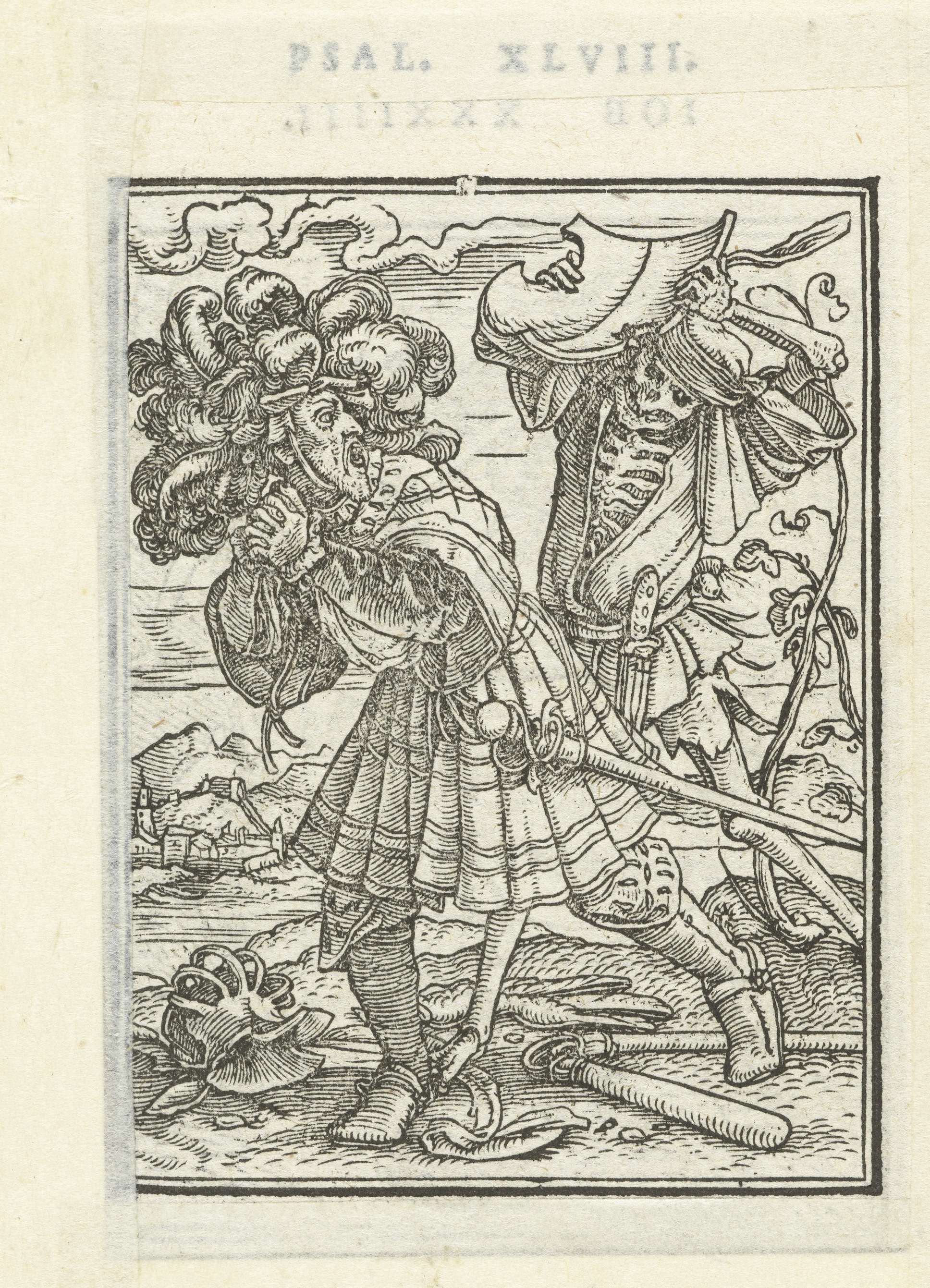
“Every brushstroke is a heartbeat remembered.” Nostalgia envelops the viewer, whispering the tales of lives once lived, urging us to confront our own impermanence. First, look to the figure of the lawyer, clad in dark, somber attire, his expression a blend of contemplation and unease. Notice how the light gracefully illuminates his face, casting shadows that hint at deeper thoughts. The rich colors of the background create a stark contrast, drawing our eyes to the foreground where the symbolic presence of Death looms—an unsettling reminder of life's fragility.
Holbein's meticulous detail in textures, especially the lawyer's meticulously rendered hands, invites us to linger in this moment of reflection. Delve deeper into the contrasts at play: the stern, solemn demeanor of the lawyer against the almost casual, playful depiction of Death. This juxtaposition evokes the tension between the vitality of life and the inevitability of mortality. The skull, a recurring motif in Holbein’s work, serves as a silent yet powerful commentary on the transient nature of existence, while the objects scattered around hint at the complexity of human achievement and the weight of legacy.
Created in 1538, this work emerged during a period of significant social and political upheaval in Europe. Holbein, who resided in England at the time, was navigating the intricacies of court life, gaining prominence as a portraitist for the Tudor court. The cultural landscape was shifting, with humanist ideals flourishing, and this artwork encapsulates the tension between human ambition and the relentless march of time, reflecting both the artist's personal journey and the world around him.