After the storm — History & Analysis
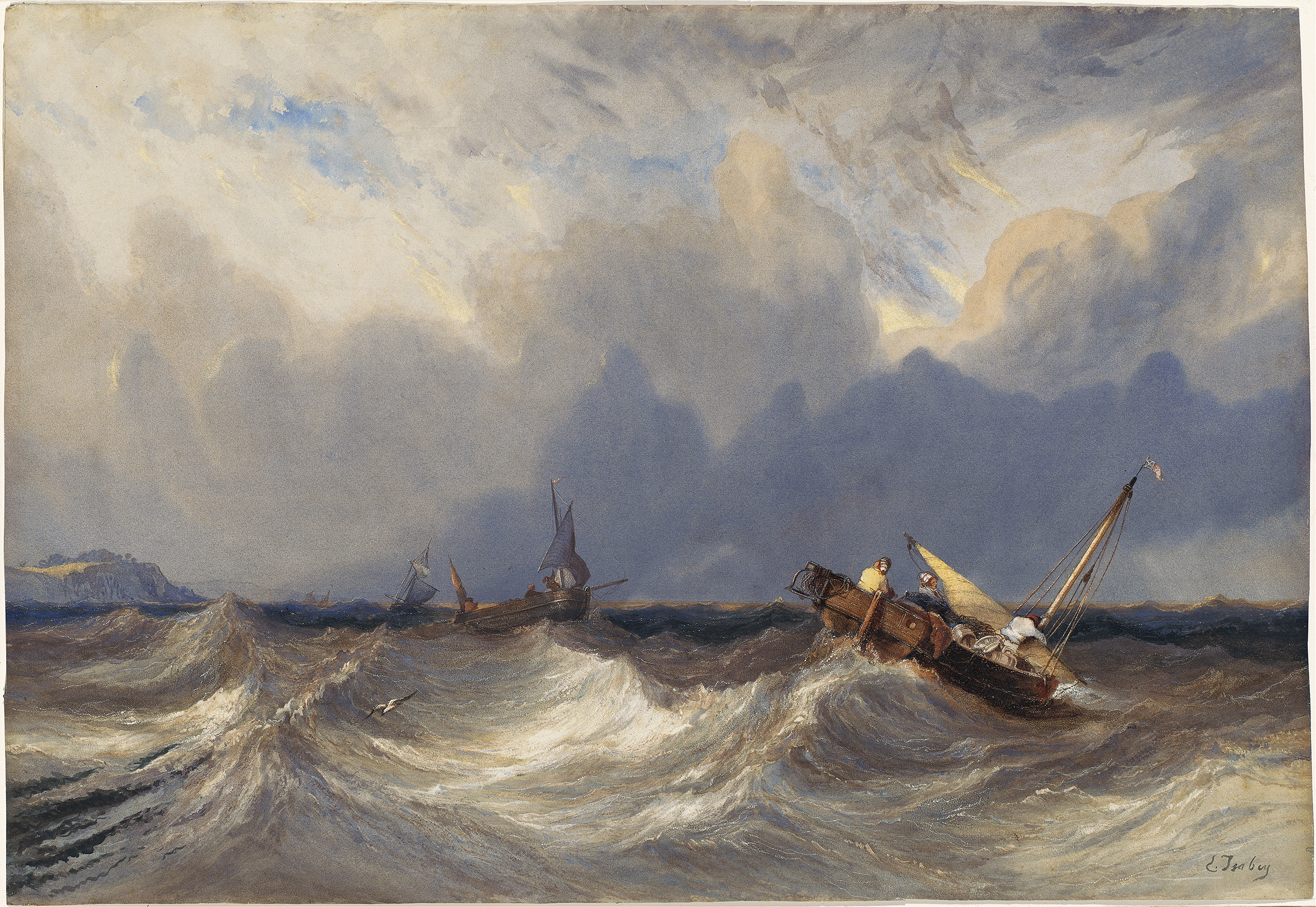
Could beauty survive in a century of chaos? After the Storm beckons us to explore that profound question through its serene yet poignant imagery. Start by examining the foreground, where a tranquil lake reflects the soft, golden hues of a fading sunset. Notice how the gentle ripples disturb the water's surface, creating a dance of light that guides your gaze towards the horizon. Above, clouds, once tempestuous, begin to part, allowing the warm embrace of the sun to seep through, casting an ethereal glow across the scene.
The delicate brushstrokes evoke a sense of calm, inviting contemplation on the quiet aftermath of nature's fury. Delve deeper into the contrasts presented in this composition. The vibrant colors of the sunset stand in stark relief to the remnants of the storm—a nearby tree lies bent, bearing scars of the tempest that has just passed. This juxtaposition questions the relationship between destruction and renewal, suggesting that beauty often emerges from chaos. The figures on the banks, absorbed in their surroundings, symbolize humanity’s resilience, their stillness contrasting with the tumultuous emotions evoked by the scene.
Eugène Isabey painted After the Storm in 1844, a period marked by significant shifts in both his personal life and the broader art world. Living in France, he was influenced by the Romantic movement, which emphasized intense emotion and nature’s beauty. At this time, society was grappling with rapid industrialization and the aftermath of political upheaval, adding layers of complexity to his work. Isabey’s mastery in capturing the delicate balance between chaos and tranquility speaks to the human spirit’s capacity to find peace in the aftermath of turmoil.