Afterglow — History & Analysis
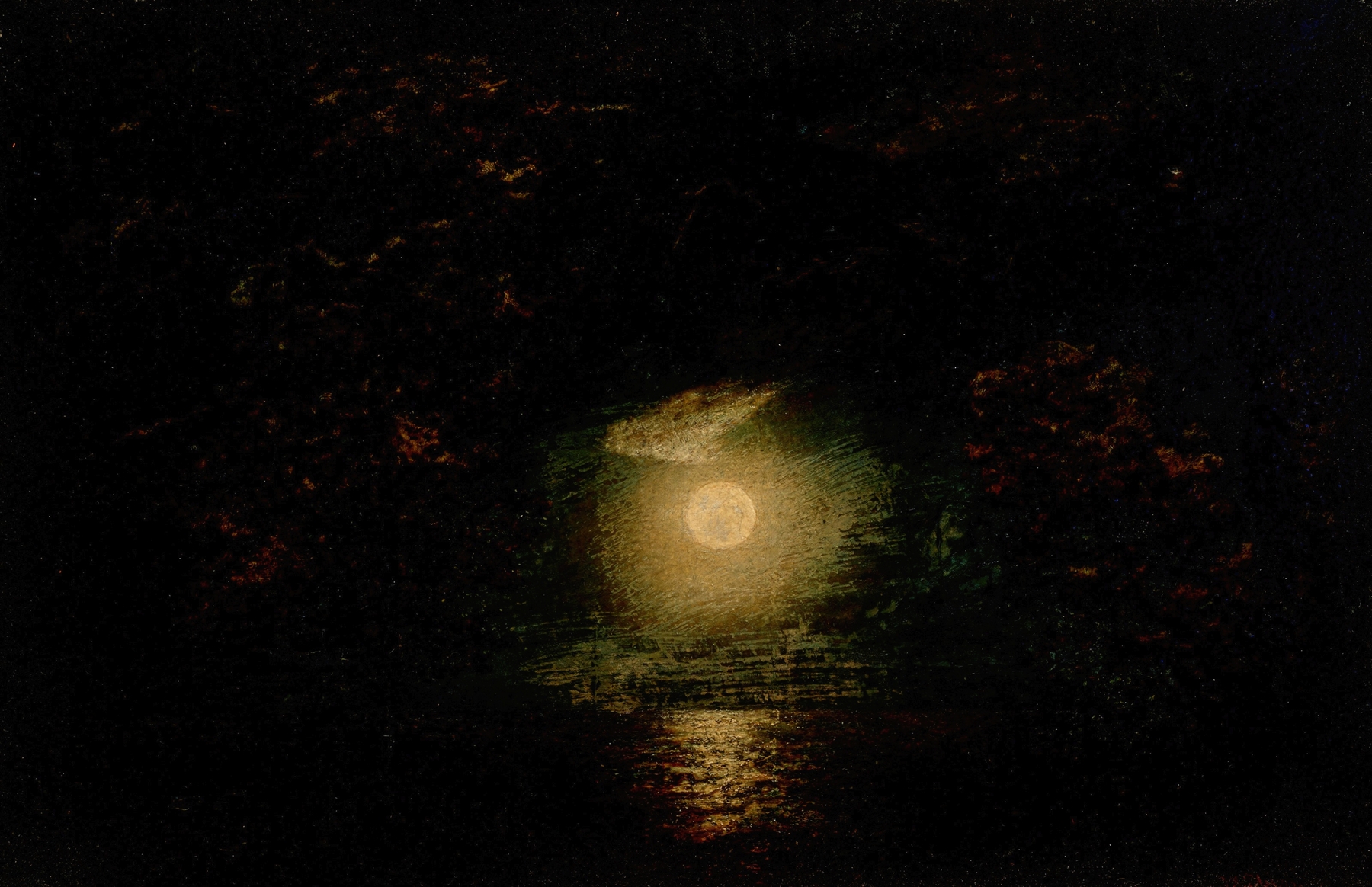
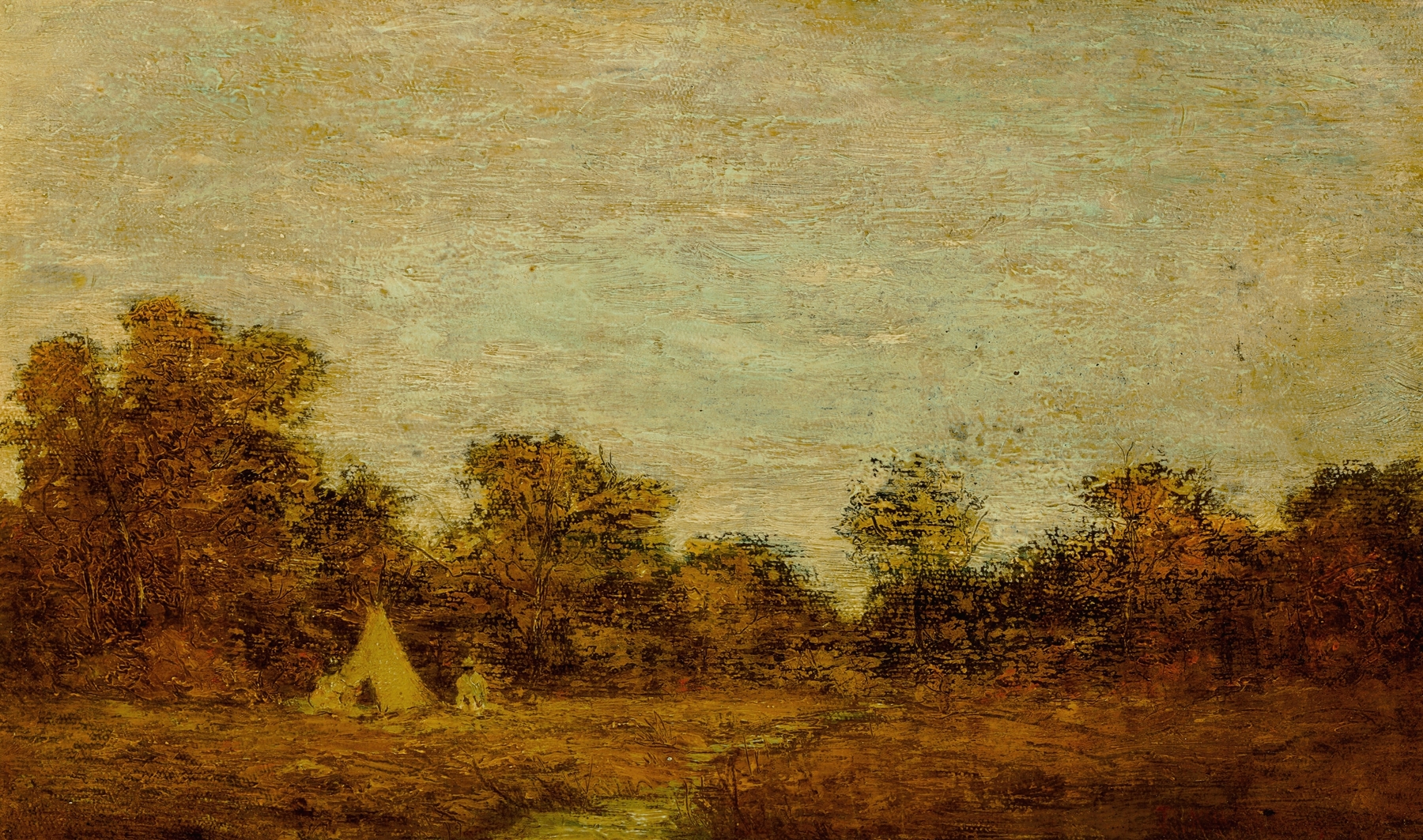
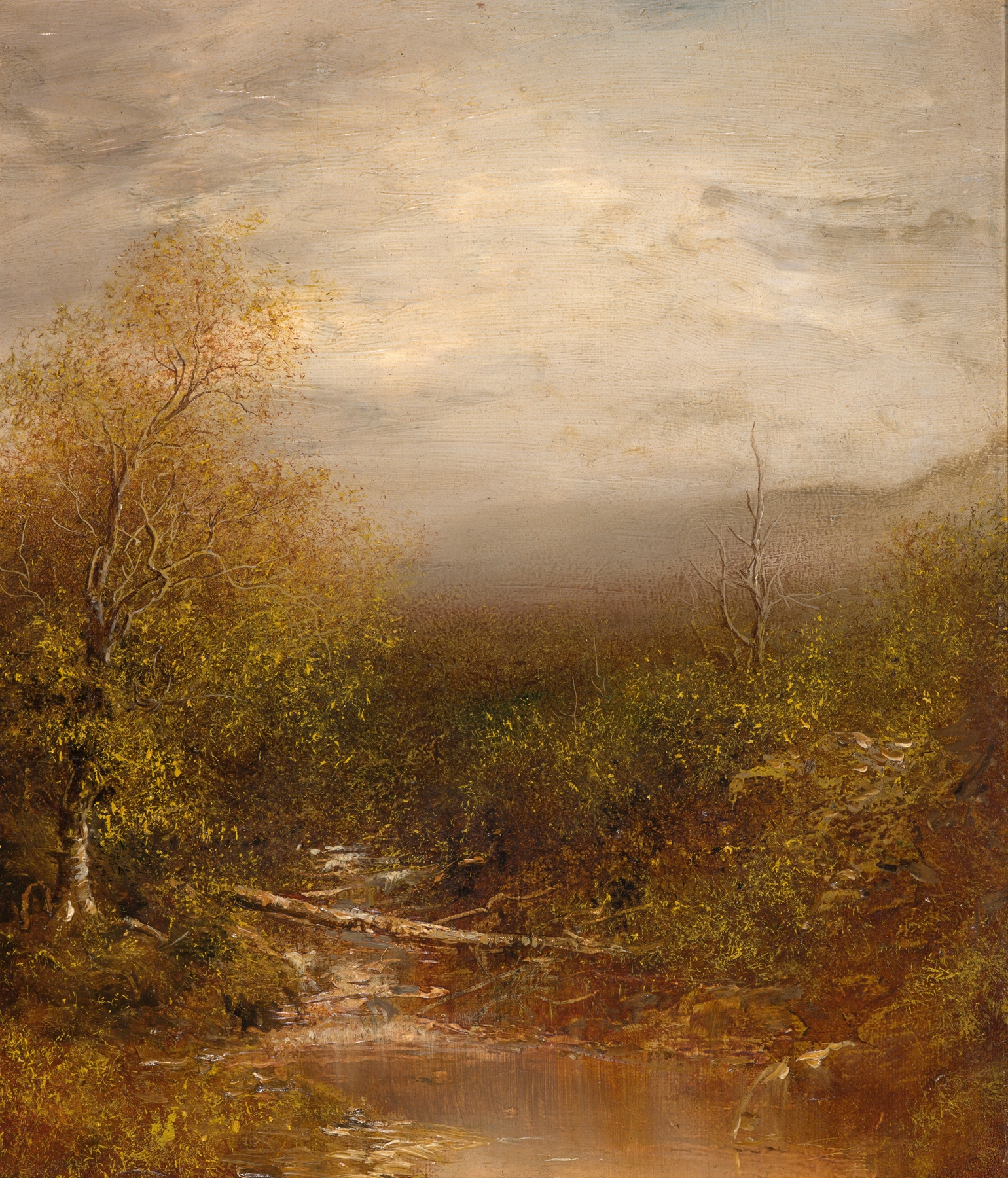
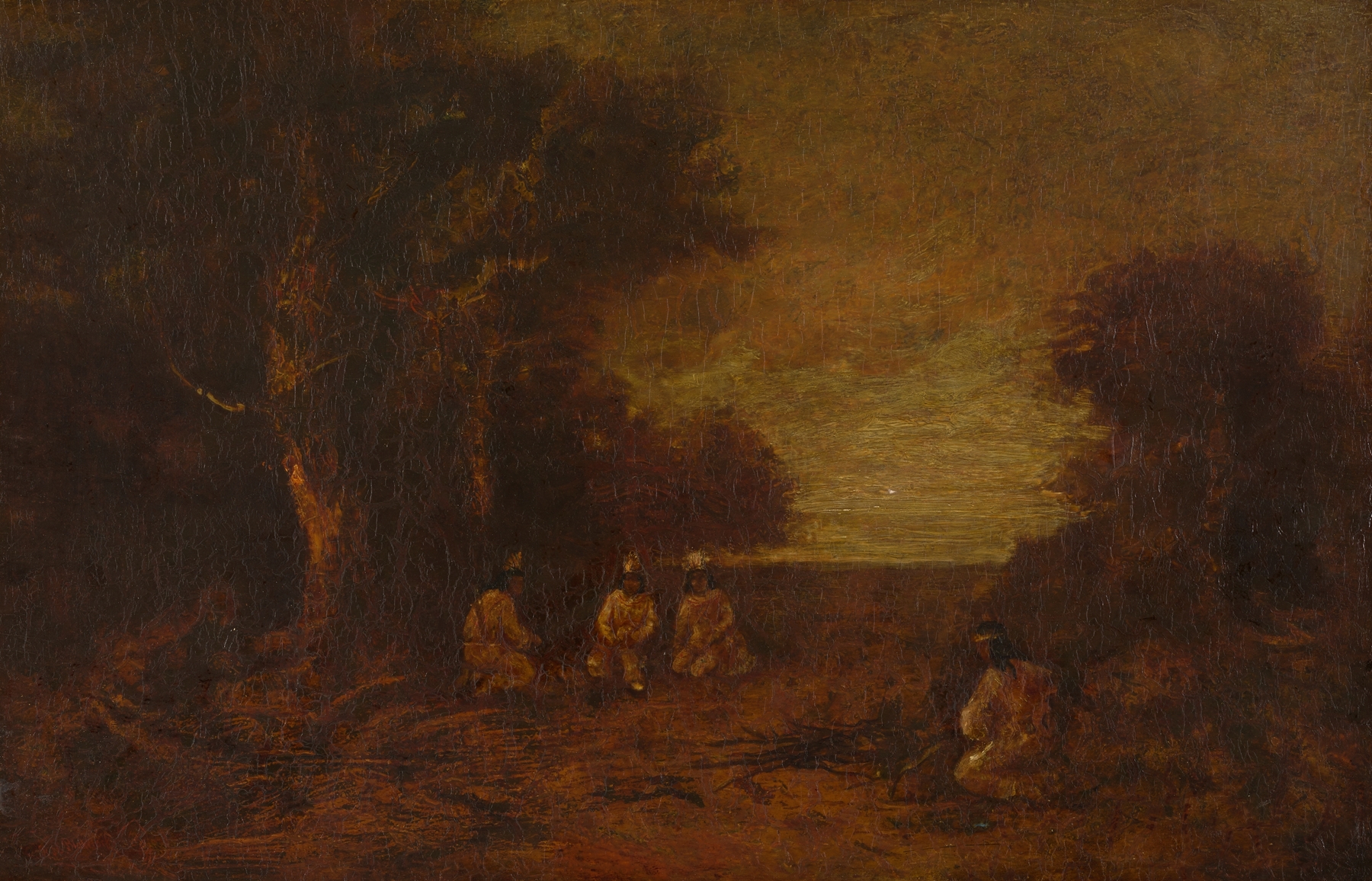
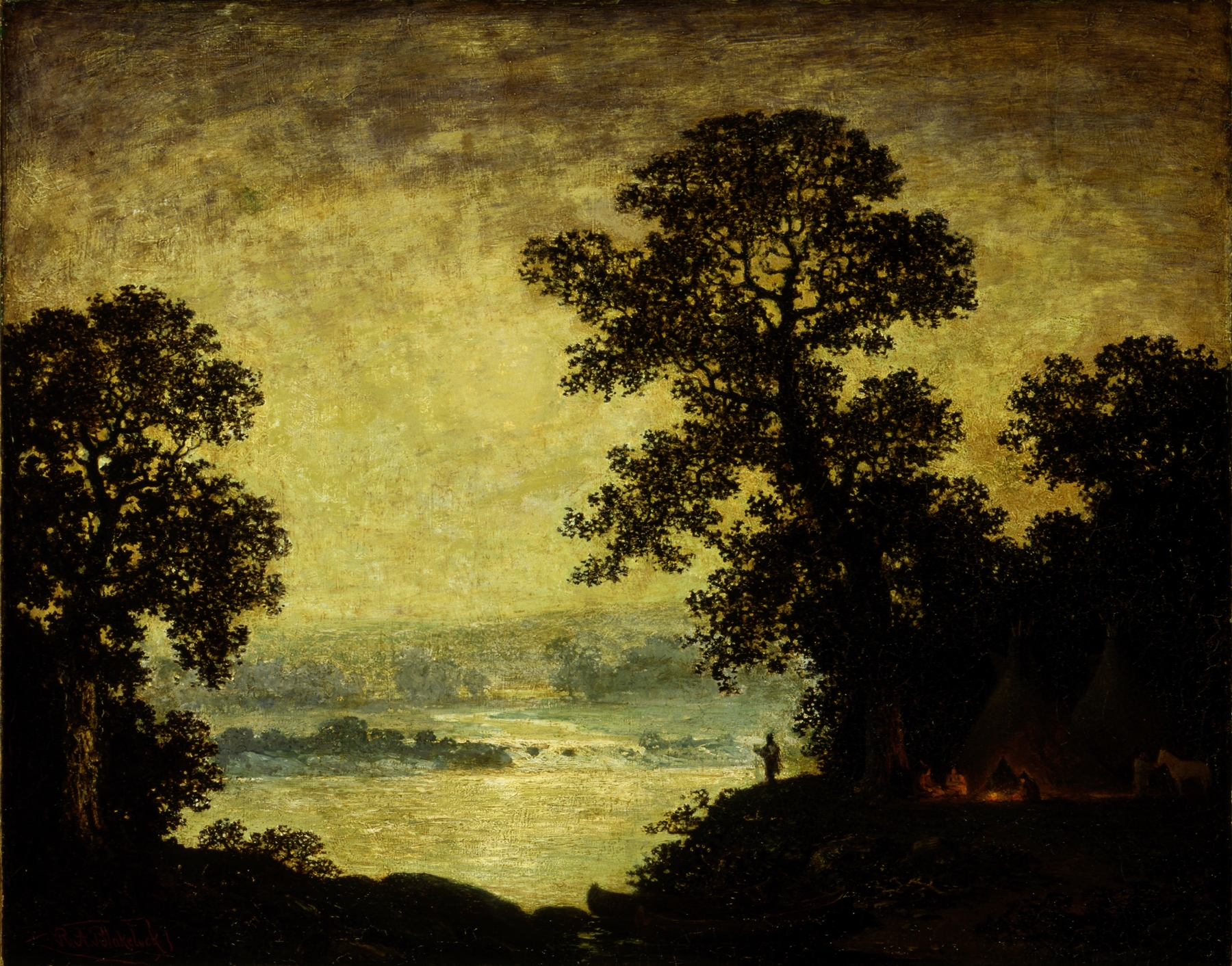
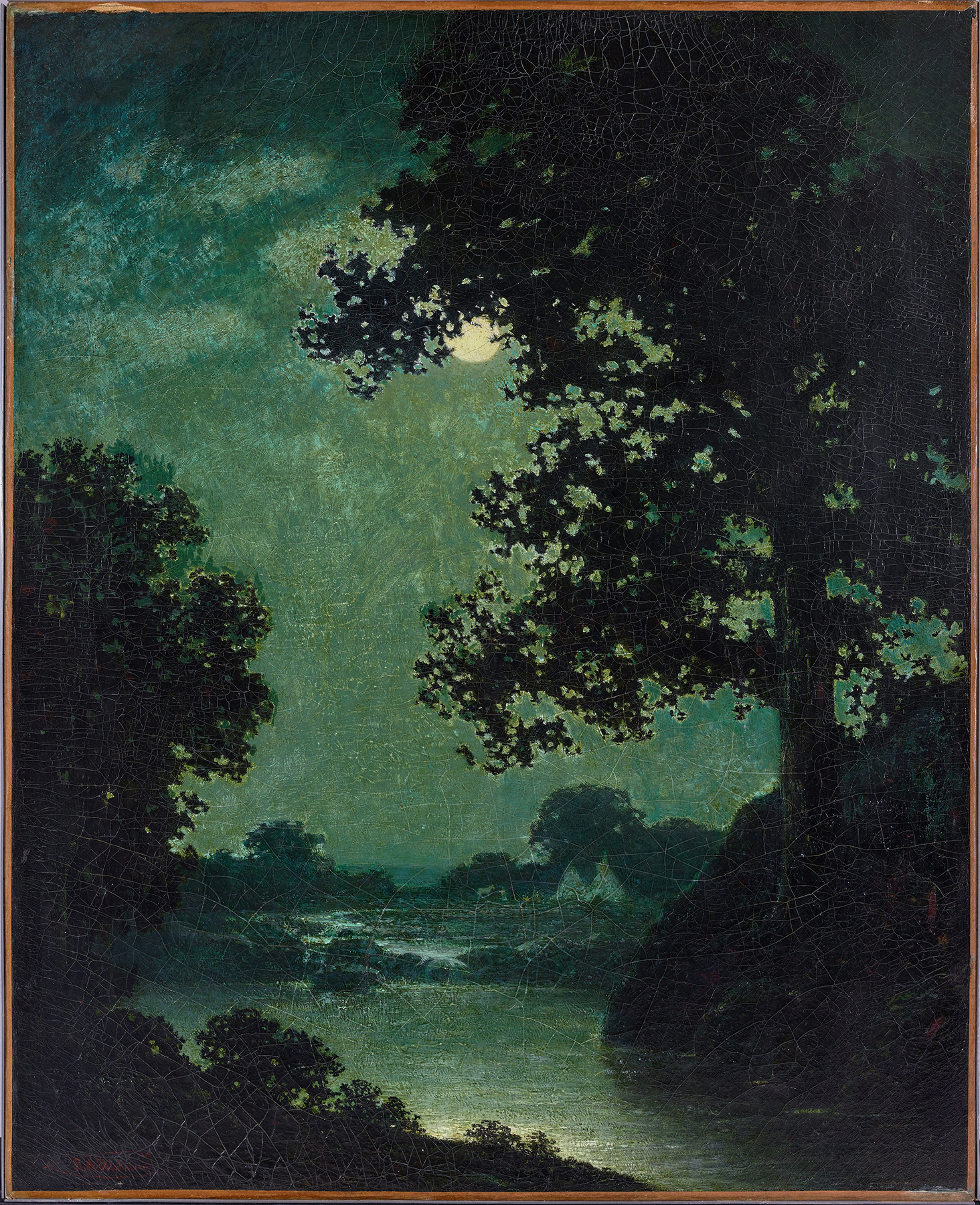
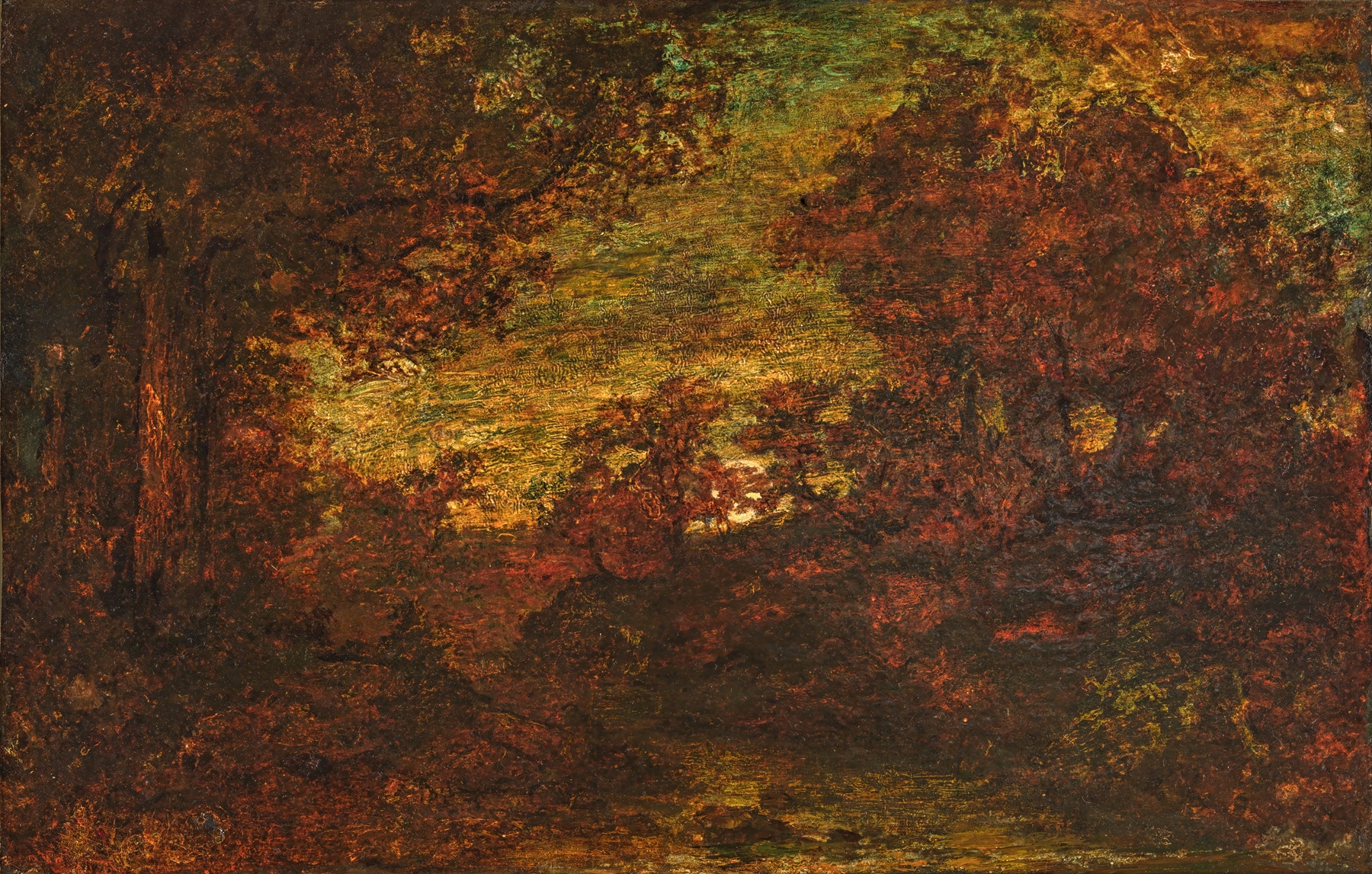
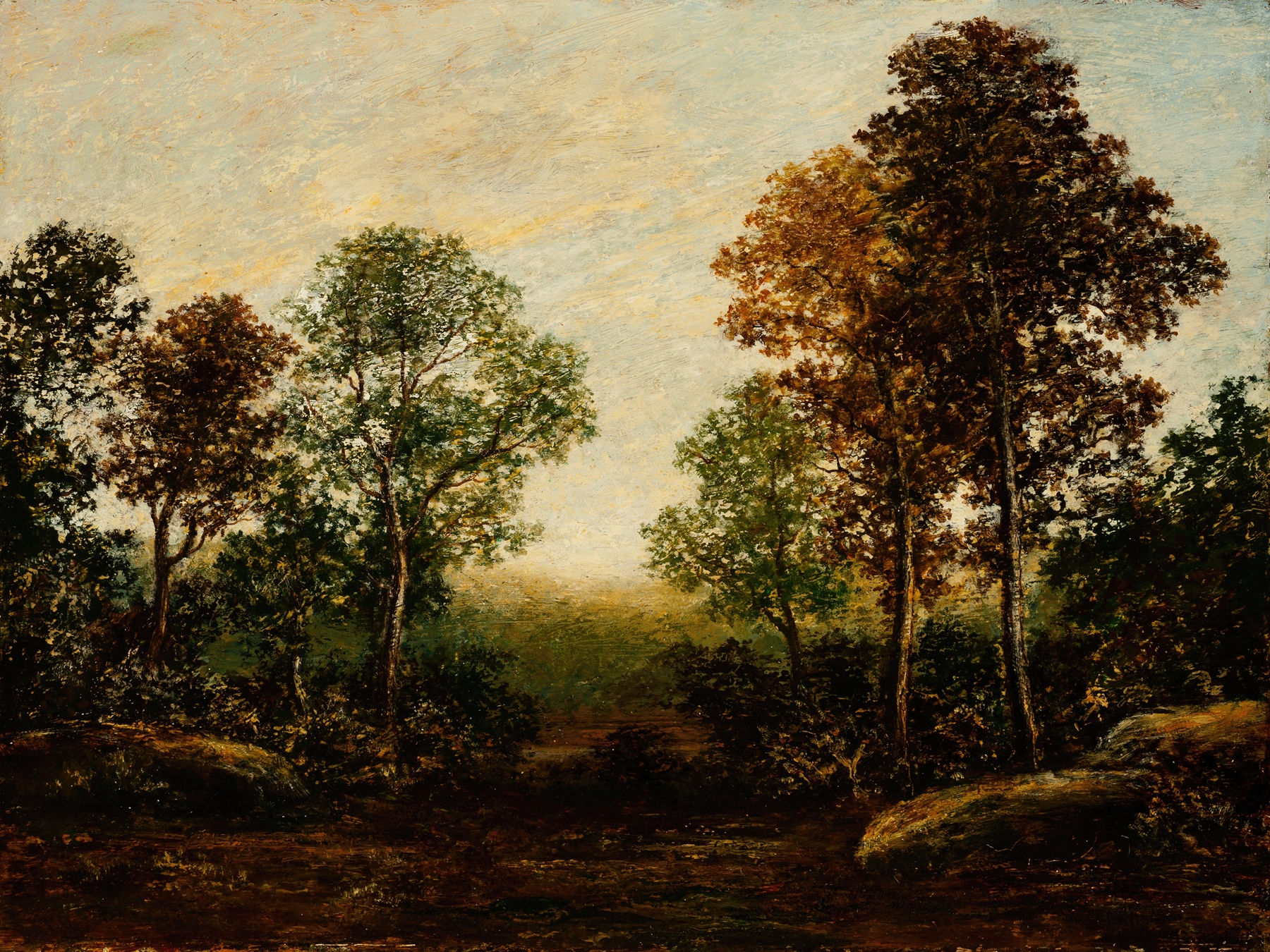
Did the painter know this moment would outlive them? In Afterglow, Ralph Albert Blakelock captures the transient beauty of twilight, where shadows deepen and the world holds its breath, teetering on the edge of day and night. Look to the horizon, where the sky swells with hues of orange and purple, blending seamlessly into deeper blues. The soft brushstrokes evoke a sense of calm as they merge into one another, inviting the viewer to linger.
Notice how the silhouettes of trees stand like silent sentinels, their forms dark against the vibrant sky, grounding the scene while suggesting an unseen depth. The subtle interplay of light and shadow creates an atmosphere that feels both ethereal and haunting, underscoring the fragility of this fleeting moment. Amid the serenity, there lies an unspoken tension between light and darkness, life and death. The fading light serves as a reminder of our own mortality, a poignant reflection on the passage of time that connects the beauty of nature to our ultimate fate.
The stillness of the landscape contrasts the vibrancy of the colors, inviting introspection and a recognition of something greater, as if the landscape itself is holding space for the transience of existence. Created in an era marked by personal struggles and artistic exploration, Blakelock painted Afterglow during a time when he grappled with mental health issues and financial instability. His work emerged from the late 19th century, a period rife with innovation in American art, as artists sought to express the sublime beauty of nature. This painting encapsulates that endeavor, reflecting both his inner turmoil and a profound connection to the world, leaving an enduring legacy that resonates beyond his lifetime.