Moonlit Landscape with Indians — History & Analysis
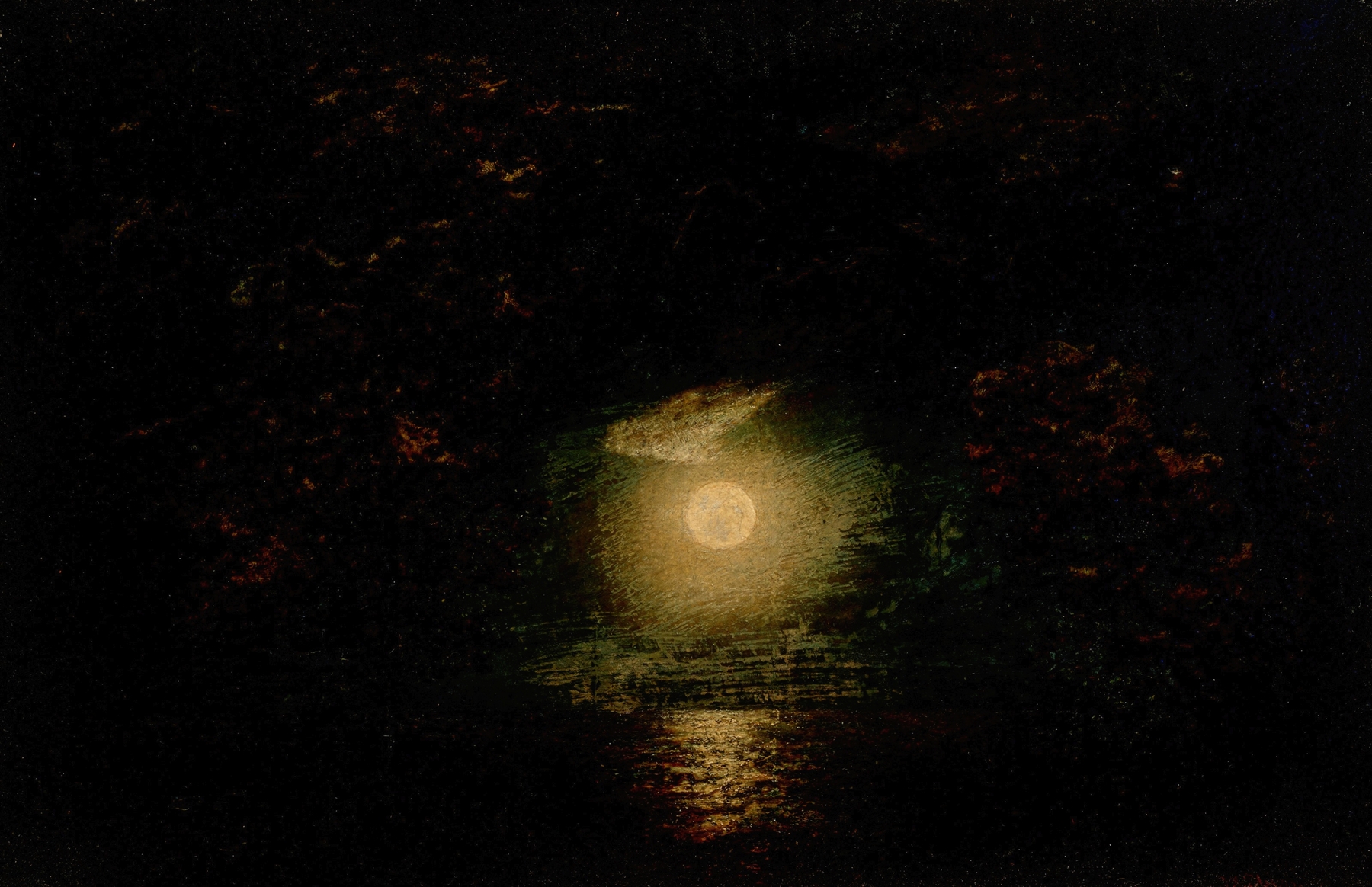
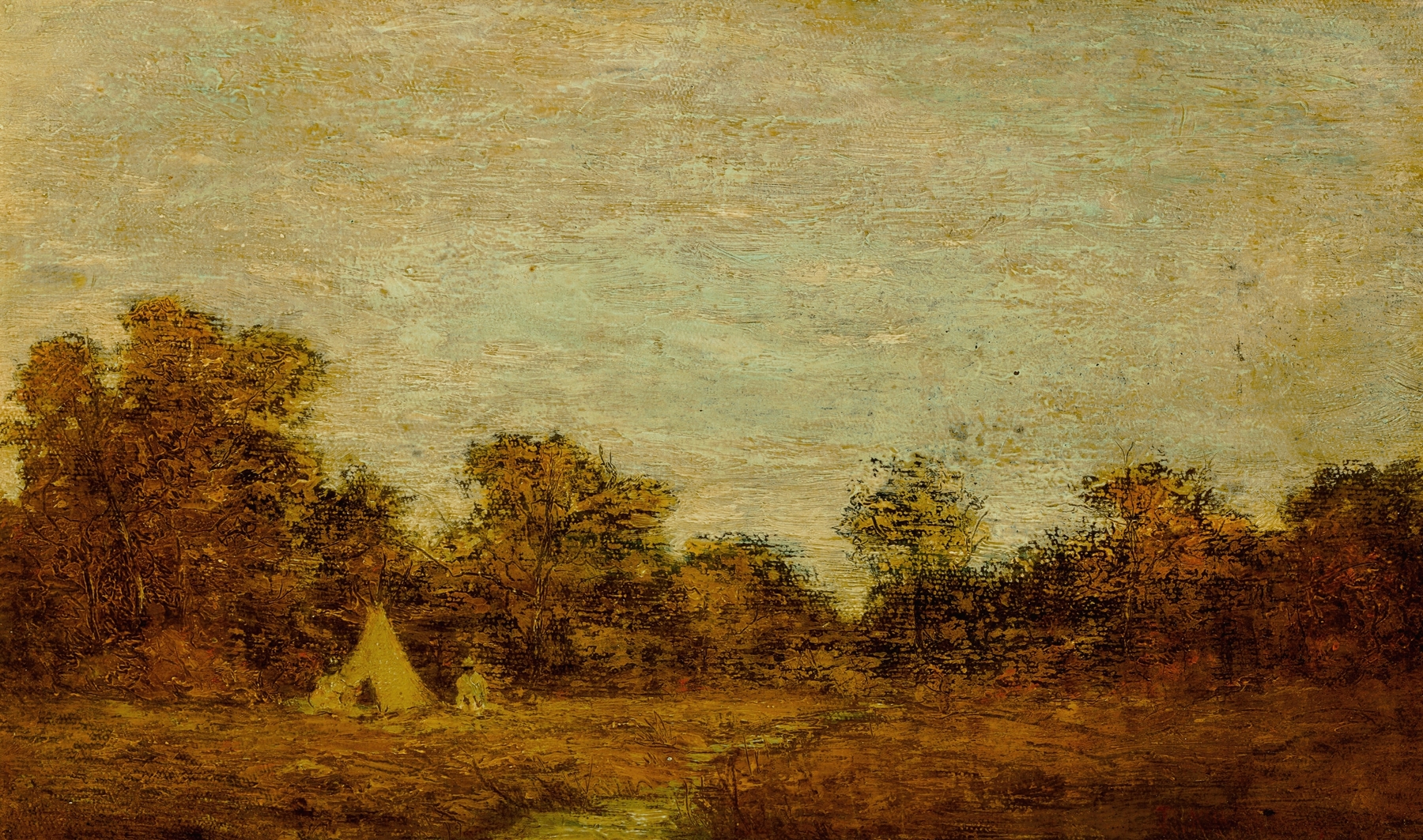
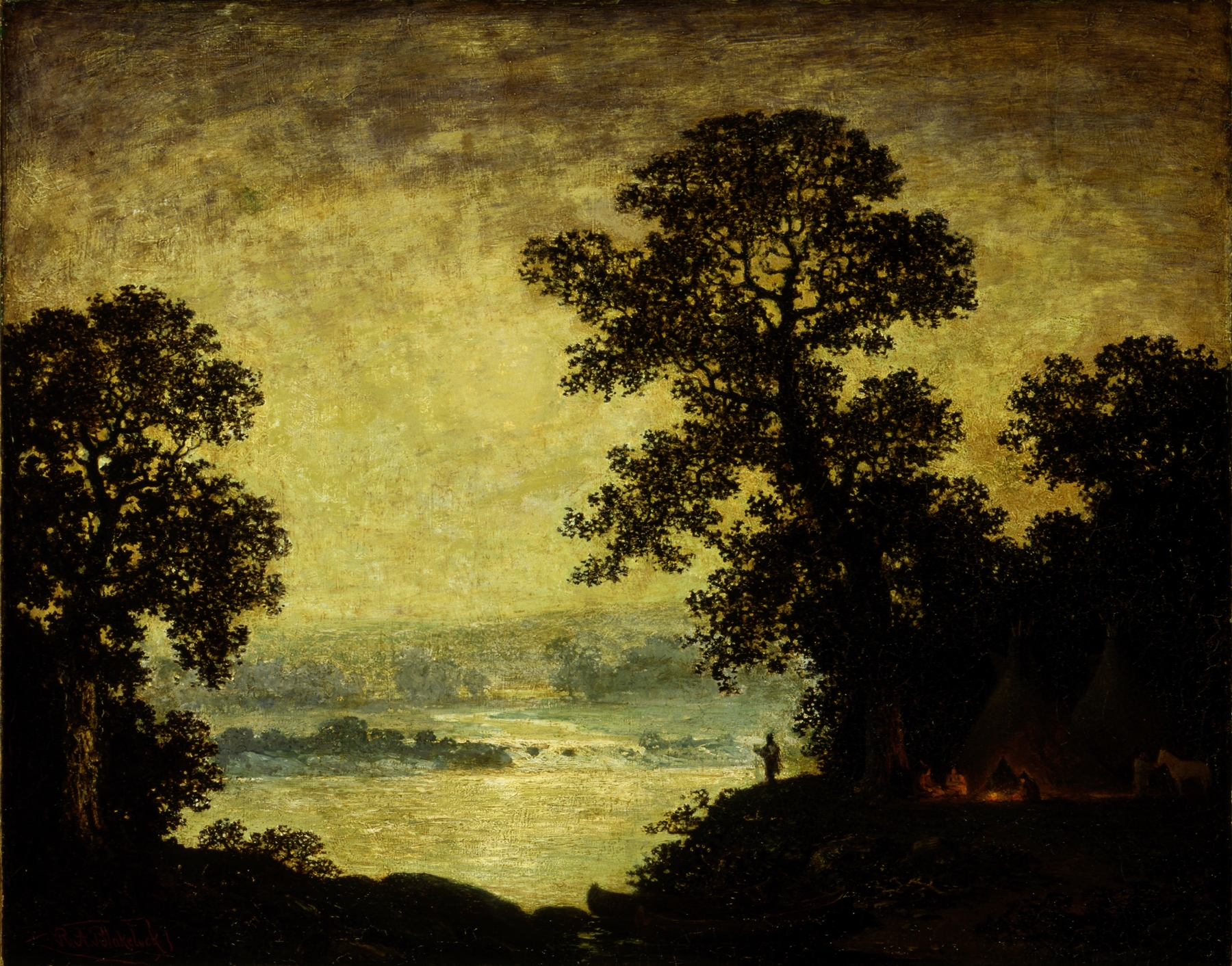
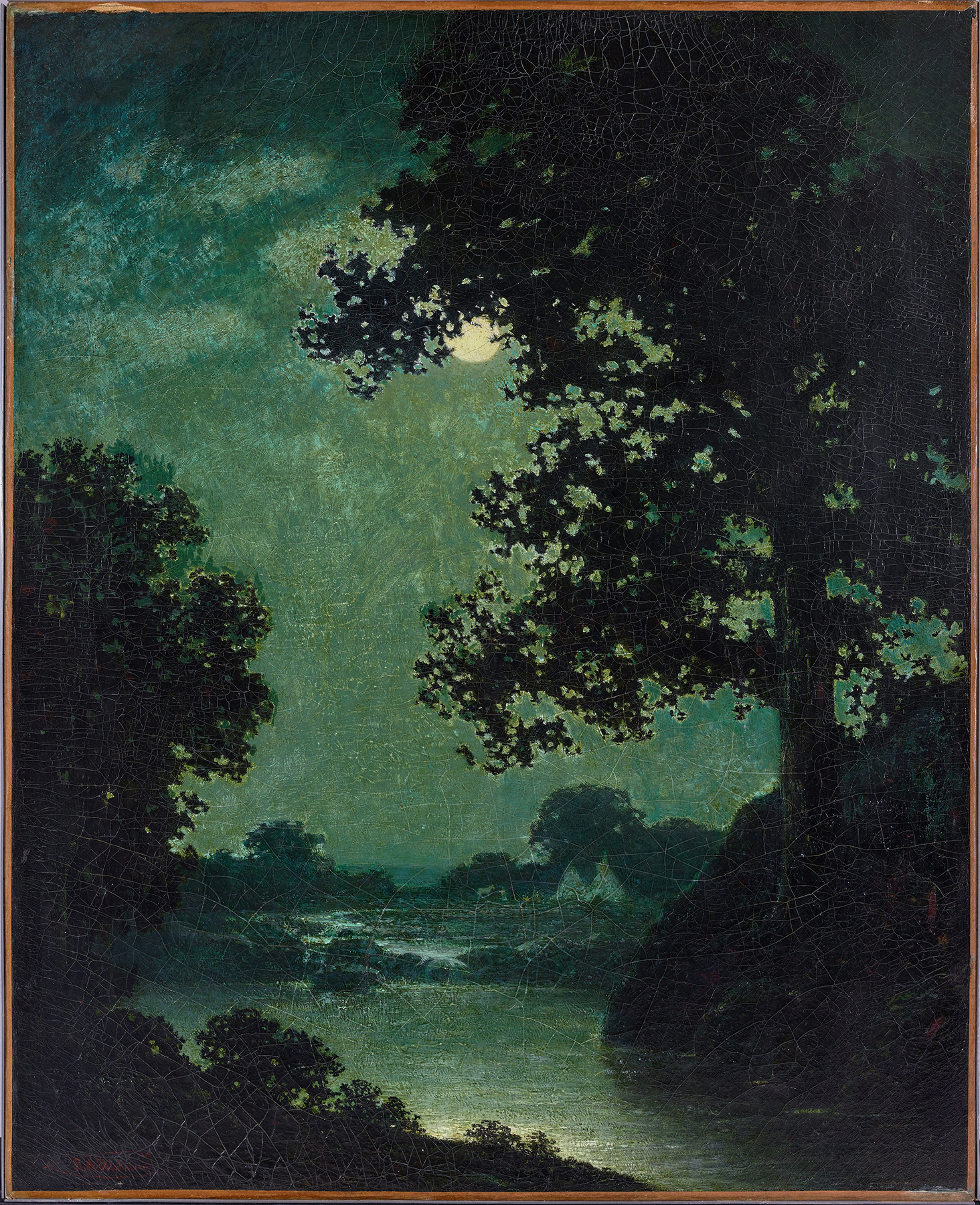
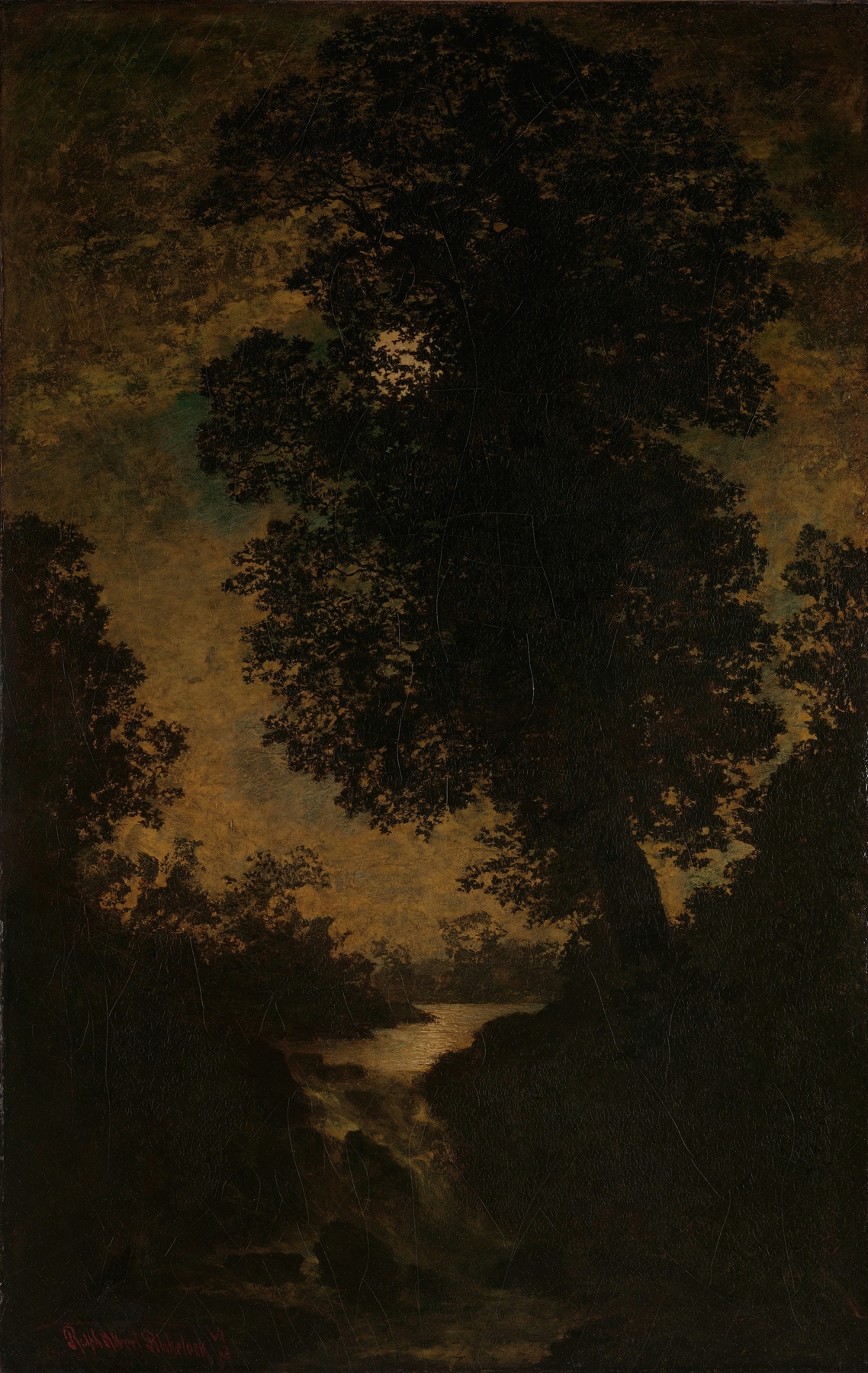
Can paint confess what words never could? In the depths of twilight, amidst shadows and whispers, a silent dialogue unfolds between nature and the human spirit, inviting a sense of awe that transcends mere representation. Look to the center where the moon hangs low in a sea of indigo, its silvery light spilling across the canvas like a soft breath. The figures of Indigenous people, nearly silhouette against the luminous backdrop, stand in reverence to the celestial glow. Their forms are enveloped in the muted earth tones of the surrounding landscape, a testament to their deep connection with the land.
Notice how the delicate brushstrokes create rich textures—blades of grass, ripples of water—drawing the viewer into a serene yet haunting embrace. Within the scene lies an intricate interplay of light and darkness, evoking a sense of solitude and introspection. The glowing moon serves as a bridge between the terrestrial and the divine, suggesting a spiritual connection that transcends time and space. The figures, both part of and separate from the landscape, embody a tension between belonging and isolation, hinting at the broader narrative of existence and cultural displacement.
Here, the viewer is invited to reflect on the silence of nature and the unspoken stories that linger in the night. Created in 1880, this piece emerged during a period of personal turmoil for the artist, who faced challenges regarding his mental health. Living in New York, Blakelock was influenced by the Romantic movement, which sought to evoke emotion through the beauty and power of nature. This painting reflects his fascination with the sublime, capturing a moment that resonates with both the viewer's heart and the echoes of a forgotten past.