Moonlight — History & Analysis
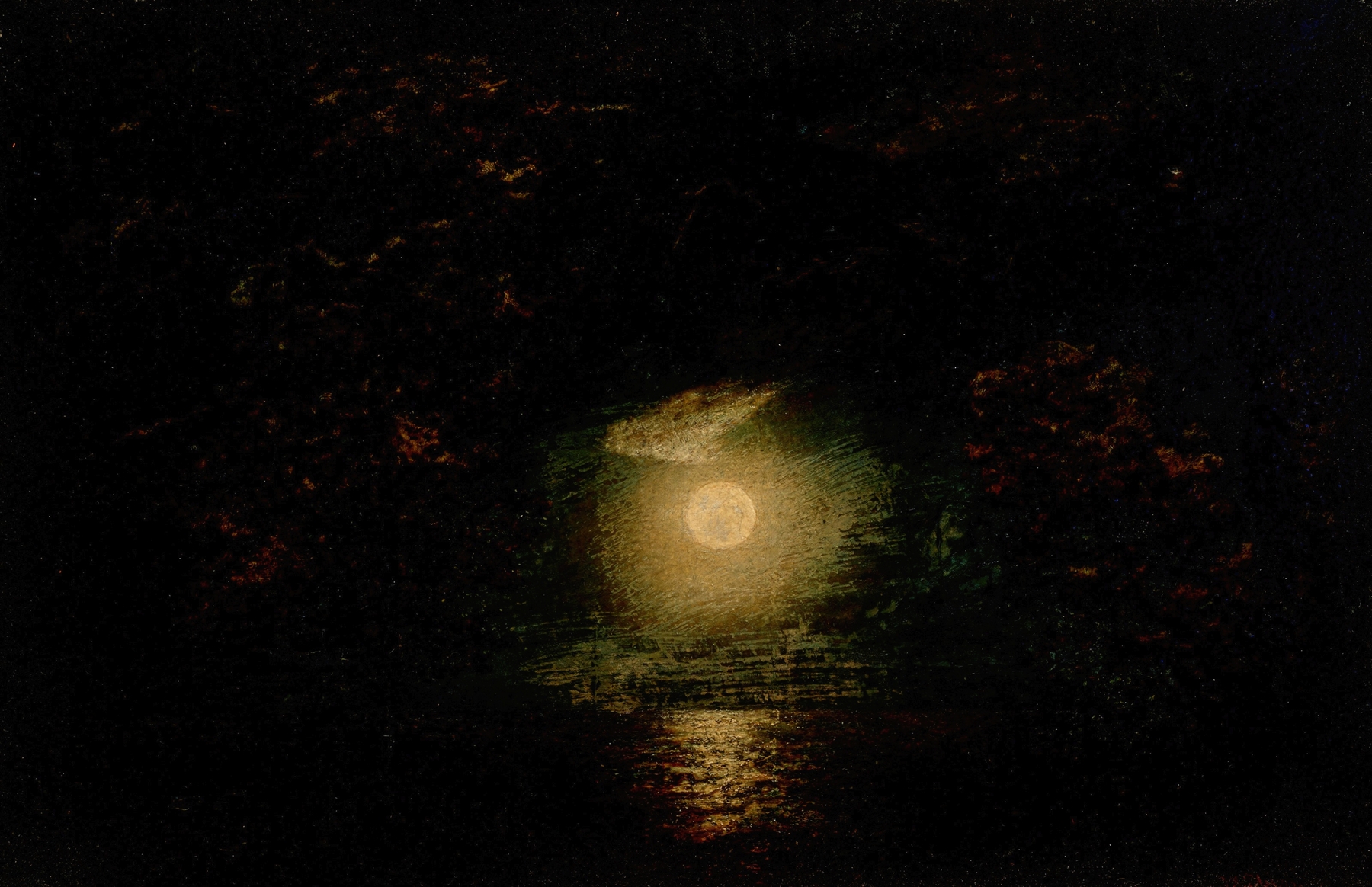
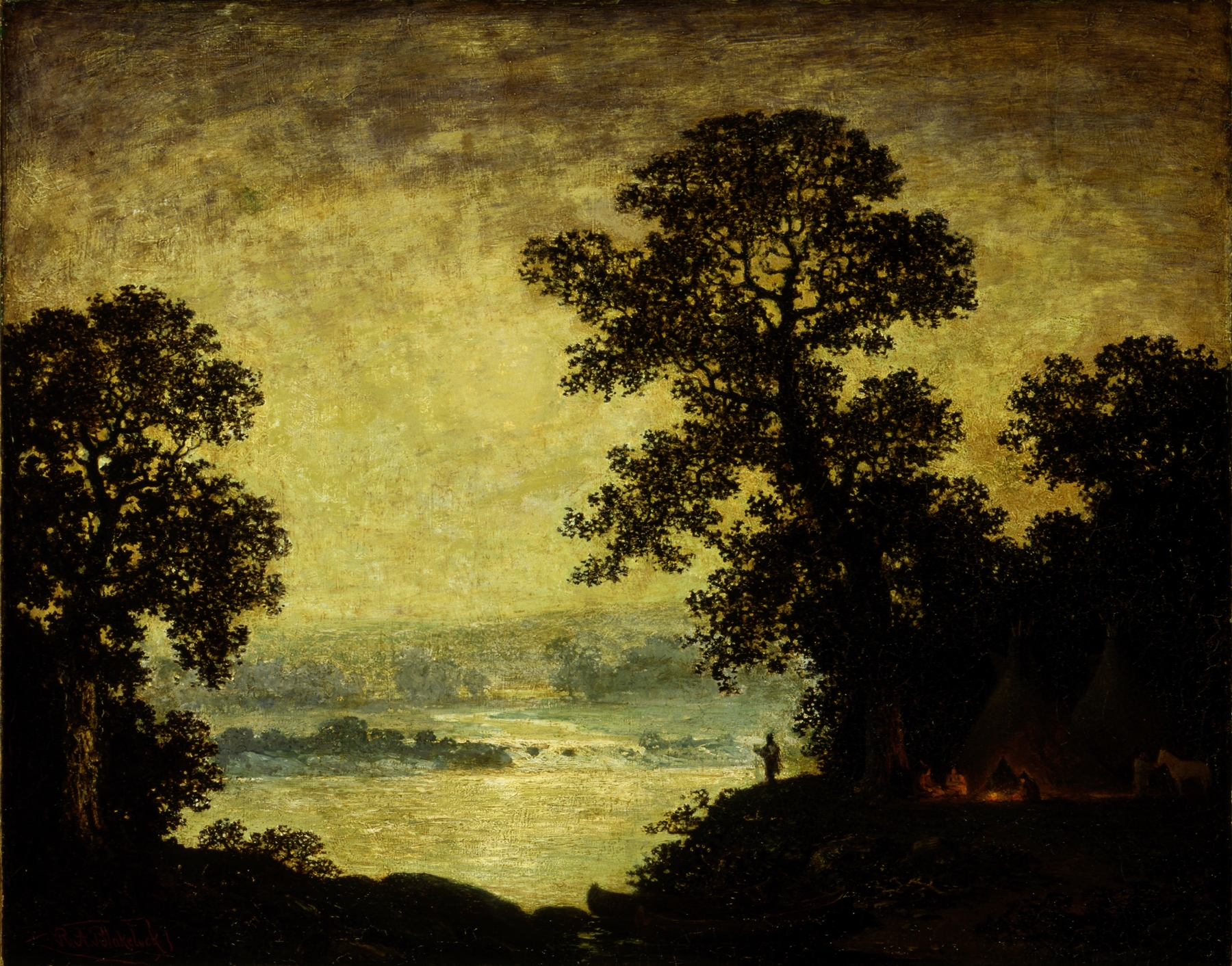
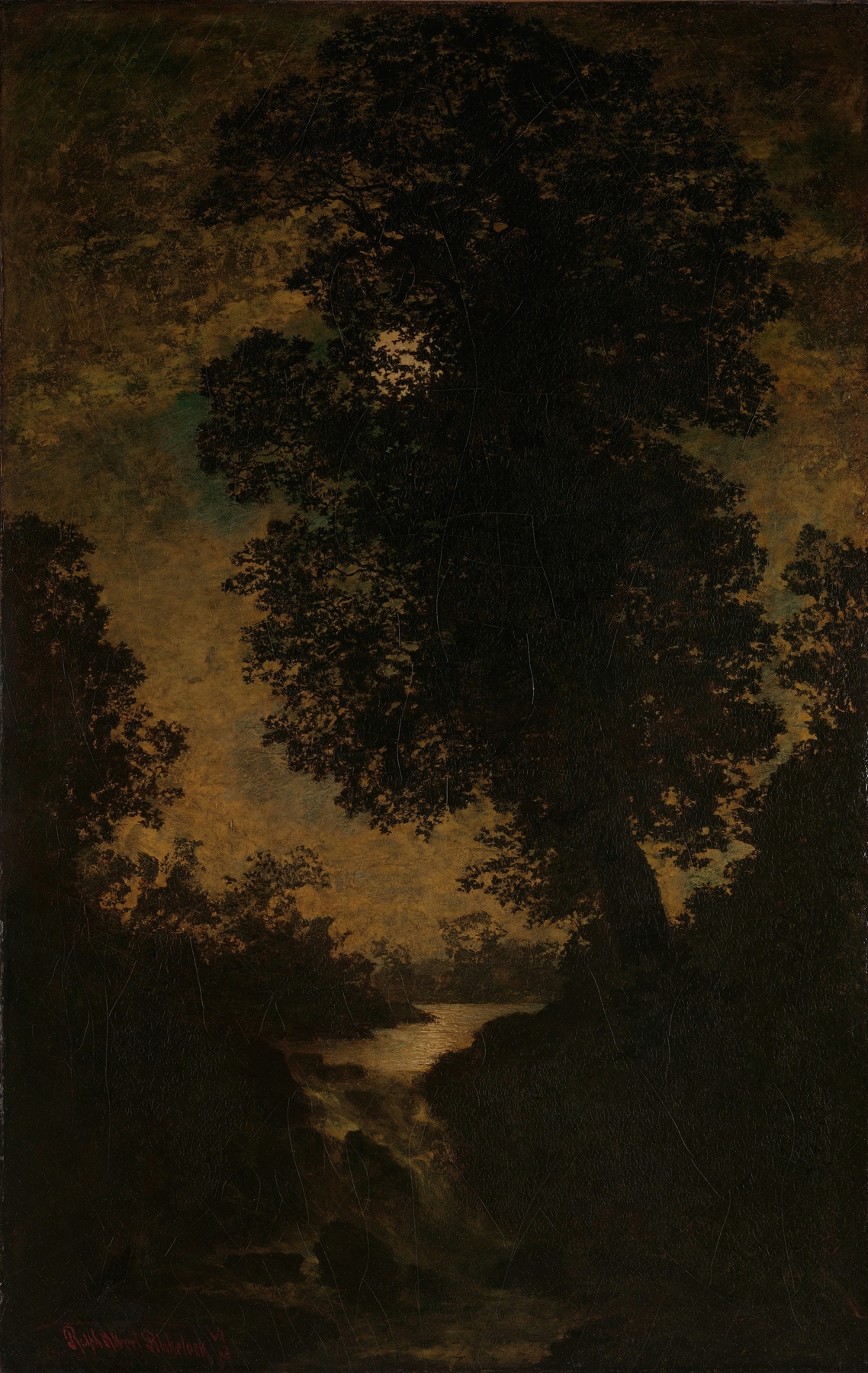
“Under the brush, chaos becomes grace.” In the realm of Moonlight, movement flows like whispers of wind through a silent forest, inviting exploration into the depths of the night. Look to the left at the ethereal glow spilling from the moon above. The soft, silvery light dances on the water's surface, illuminating the silhouettes of trees that frame the scene. Notice how the brushstrokes vary in texture—thick and bold for the foliage, delicate and fluid for the reflections on the water.
This interplay of light and shadow creates a mesmerizing rhythm, as if the landscape itself is breathing gently in a midnight dream. Yet beneath this serene surface lies a profound tension. The stark contrast between the luminous moon and the deep, engulfing darkness evokes a sense of solitude and introspection. The tranquility of the scene belies an undercurrent of uncertainty, as if nature holds its breath, waiting for the unseen to reveal itself.
Each brushstroke seems to capture a fleeting moment in time, suggesting both stillness and the possibility of movement just beyond the viewer's perception. In 1888, Ralph Albert Blakelock painted this piece during a period of personal struggle. Living in New York amidst a burgeoning art scene, he faced financial difficulties and bouts of mental illness. Yet, it was in this turbulent environment that he found solace and inspiration in the beauty of nature, channeling his emotions into his work, which often reflected a deep yearning for peace and connection with the sublime.