Ghost Dance (The Vision of Life) — History & Analysis
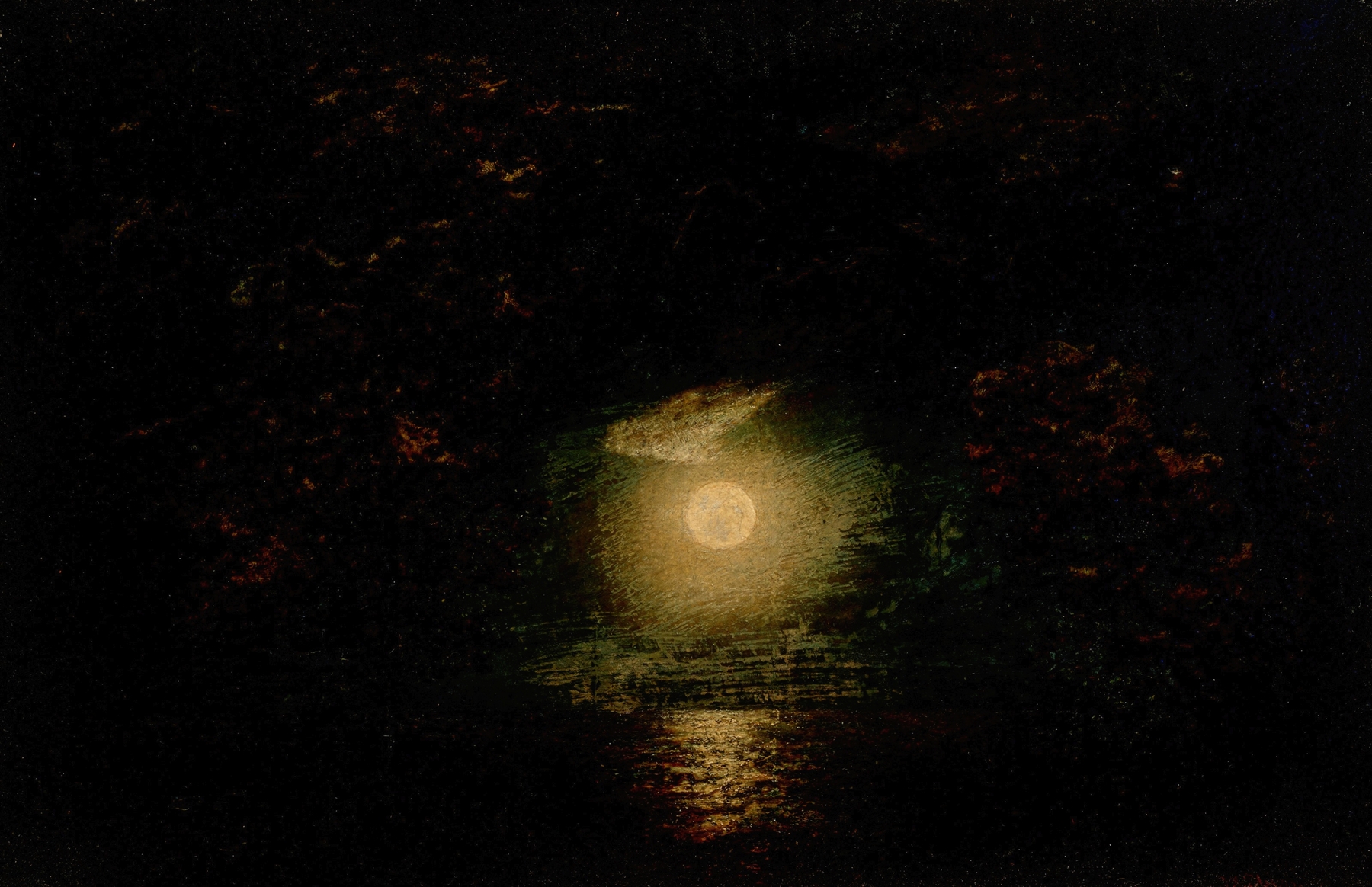
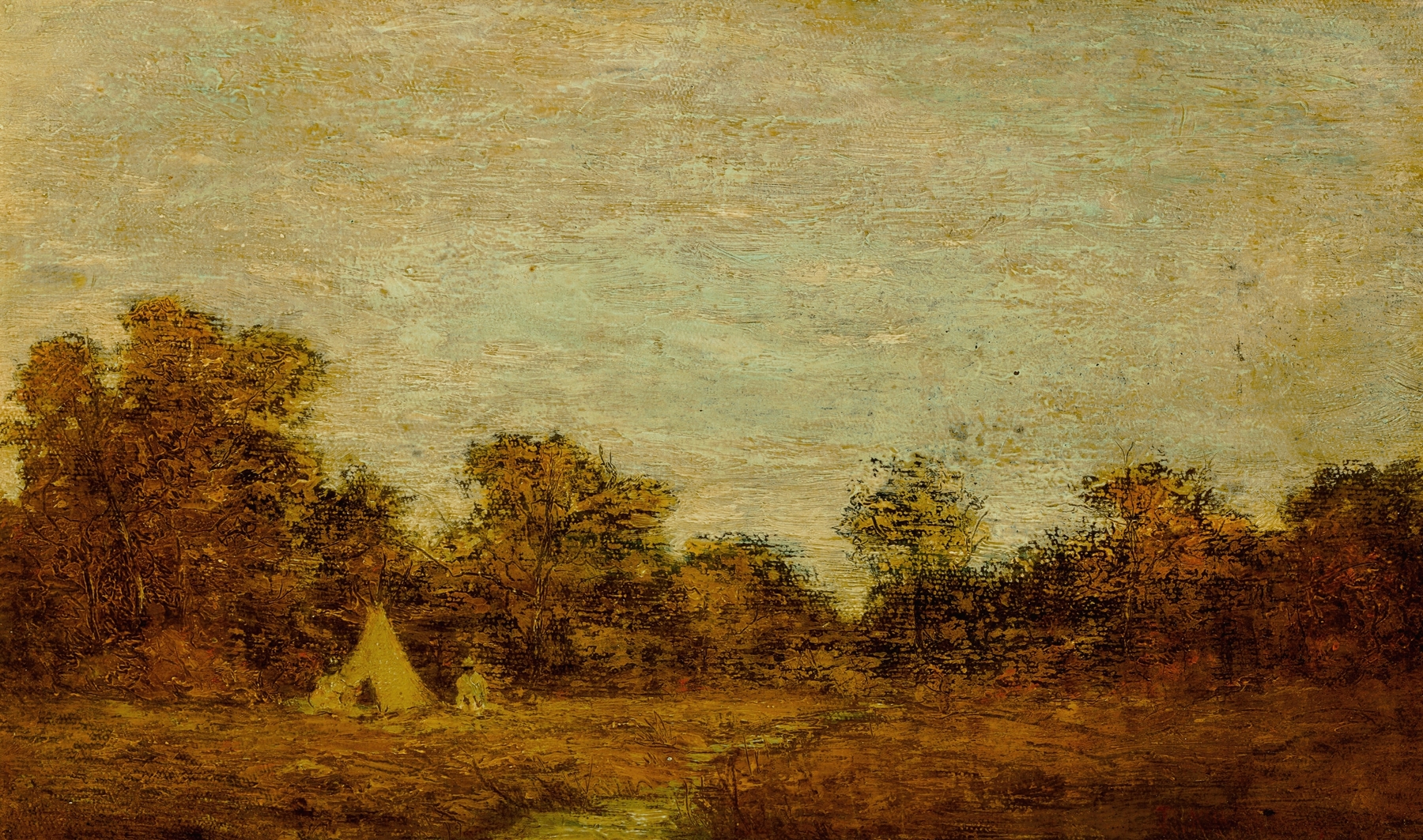
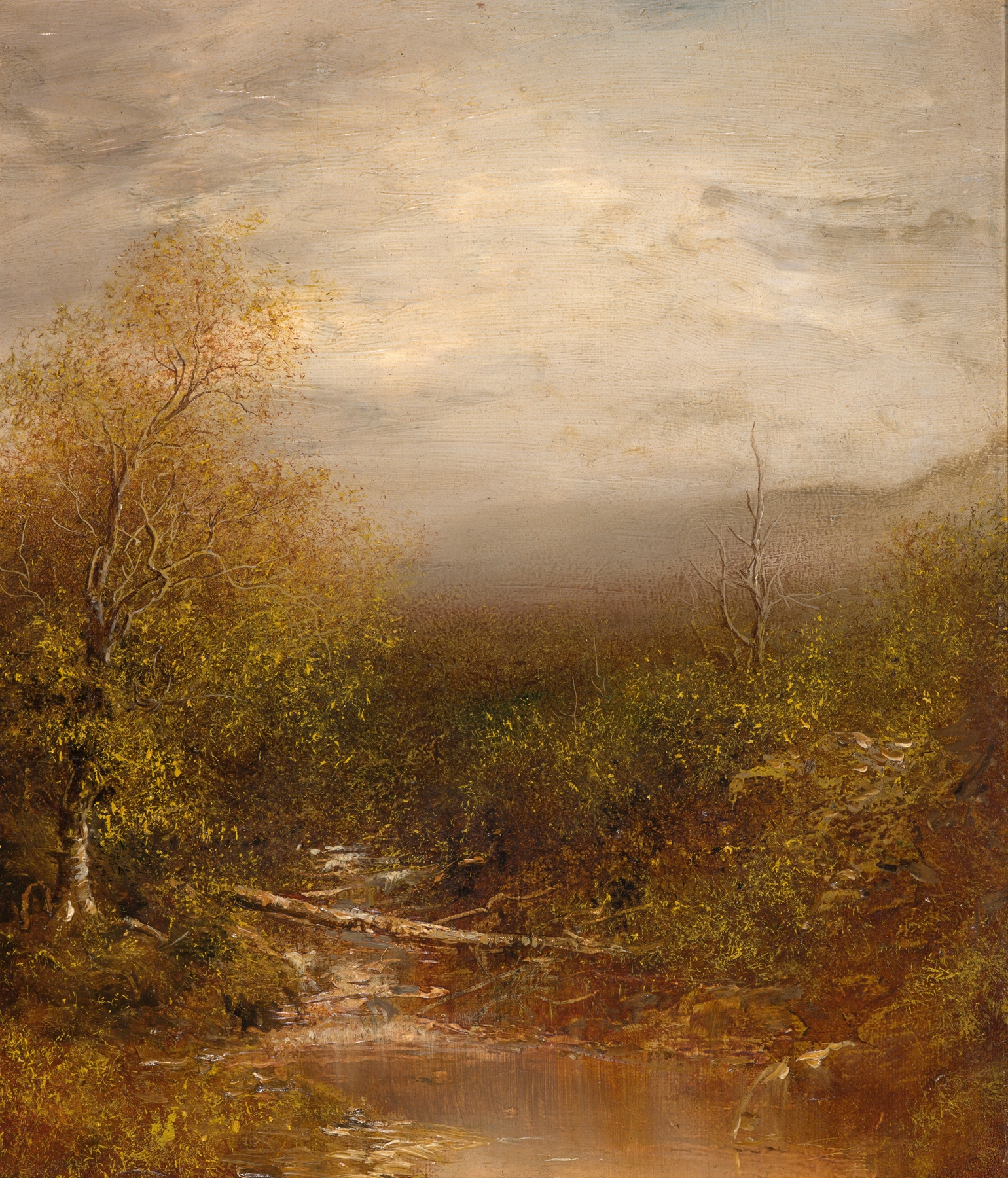
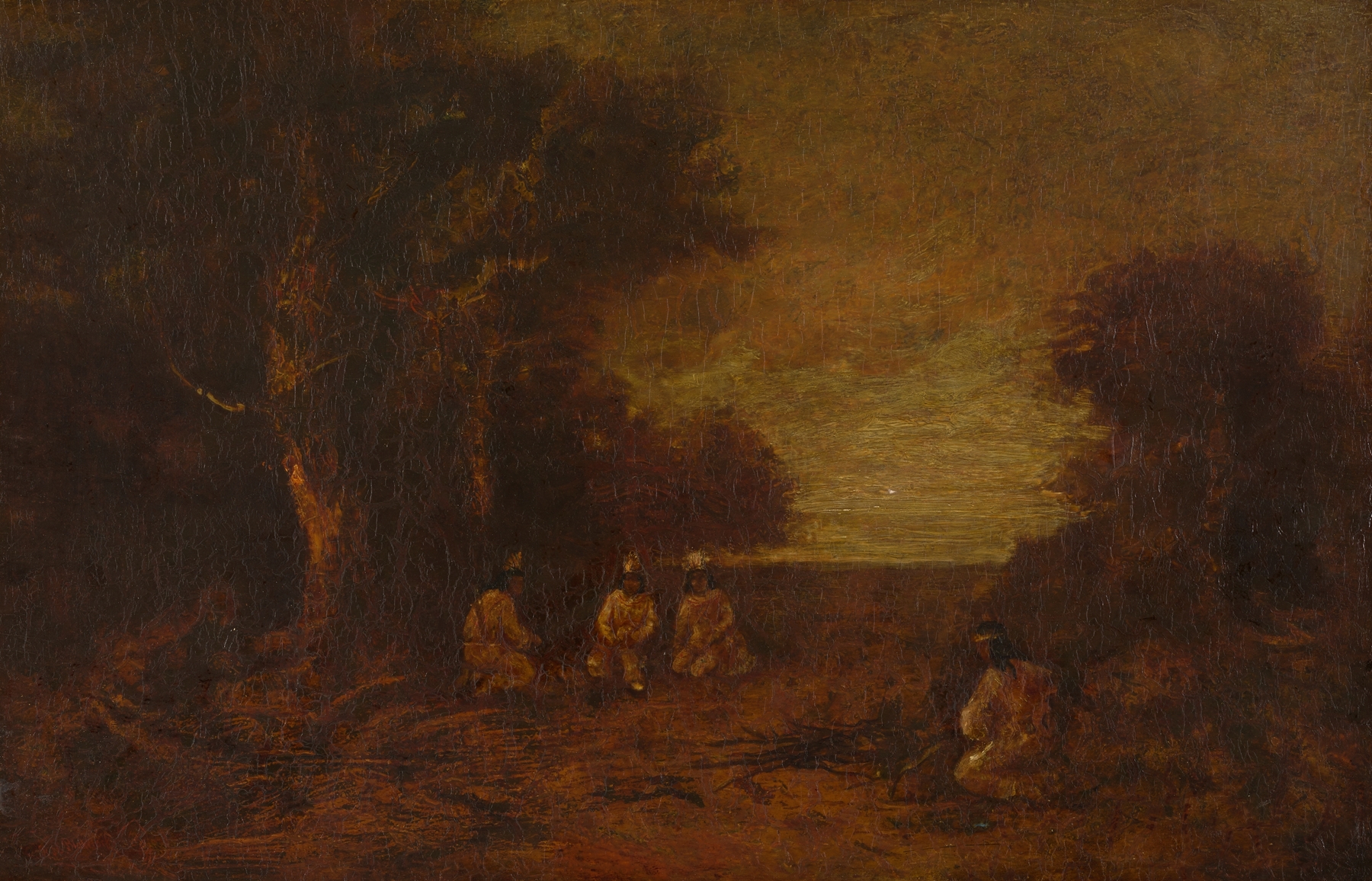
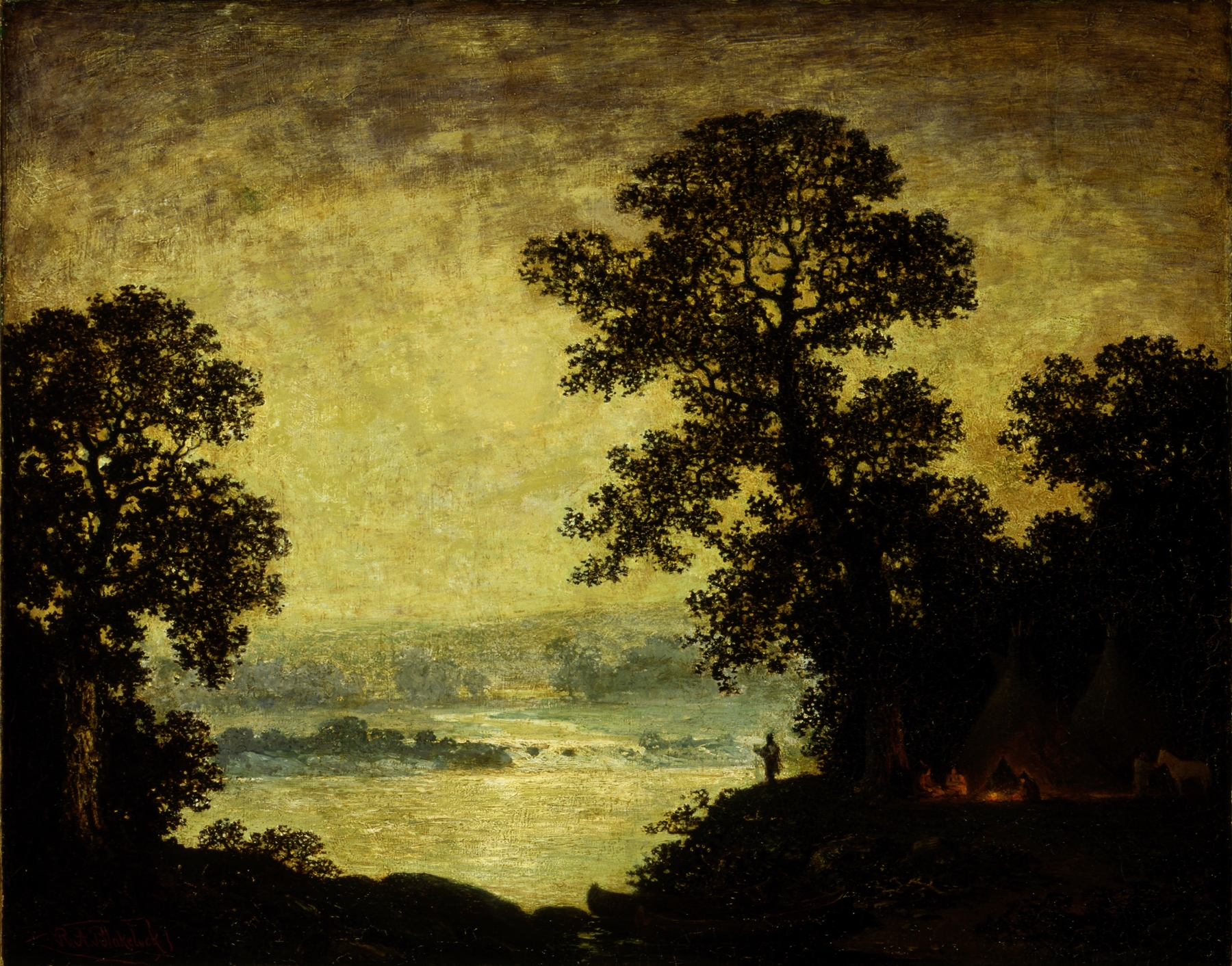
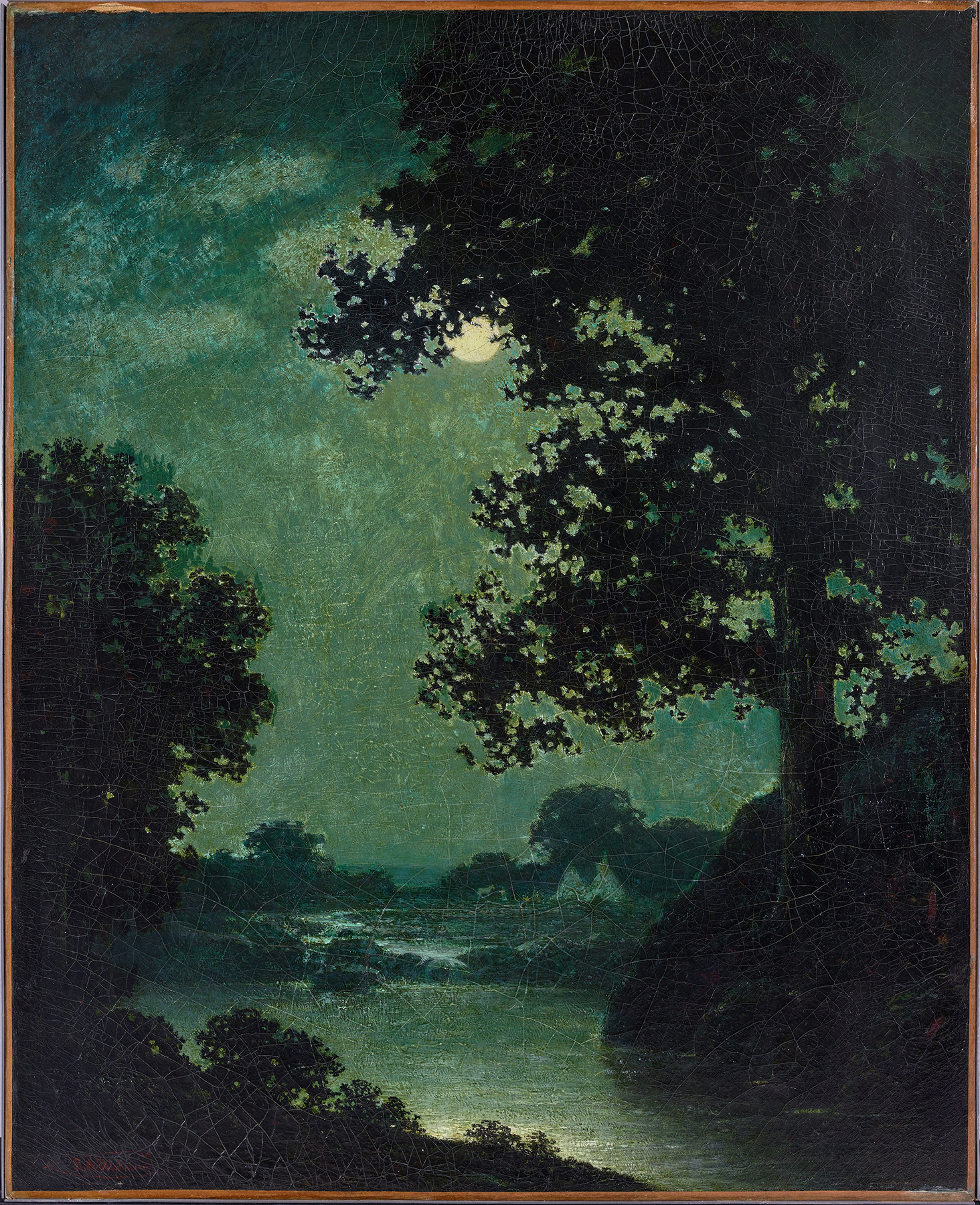
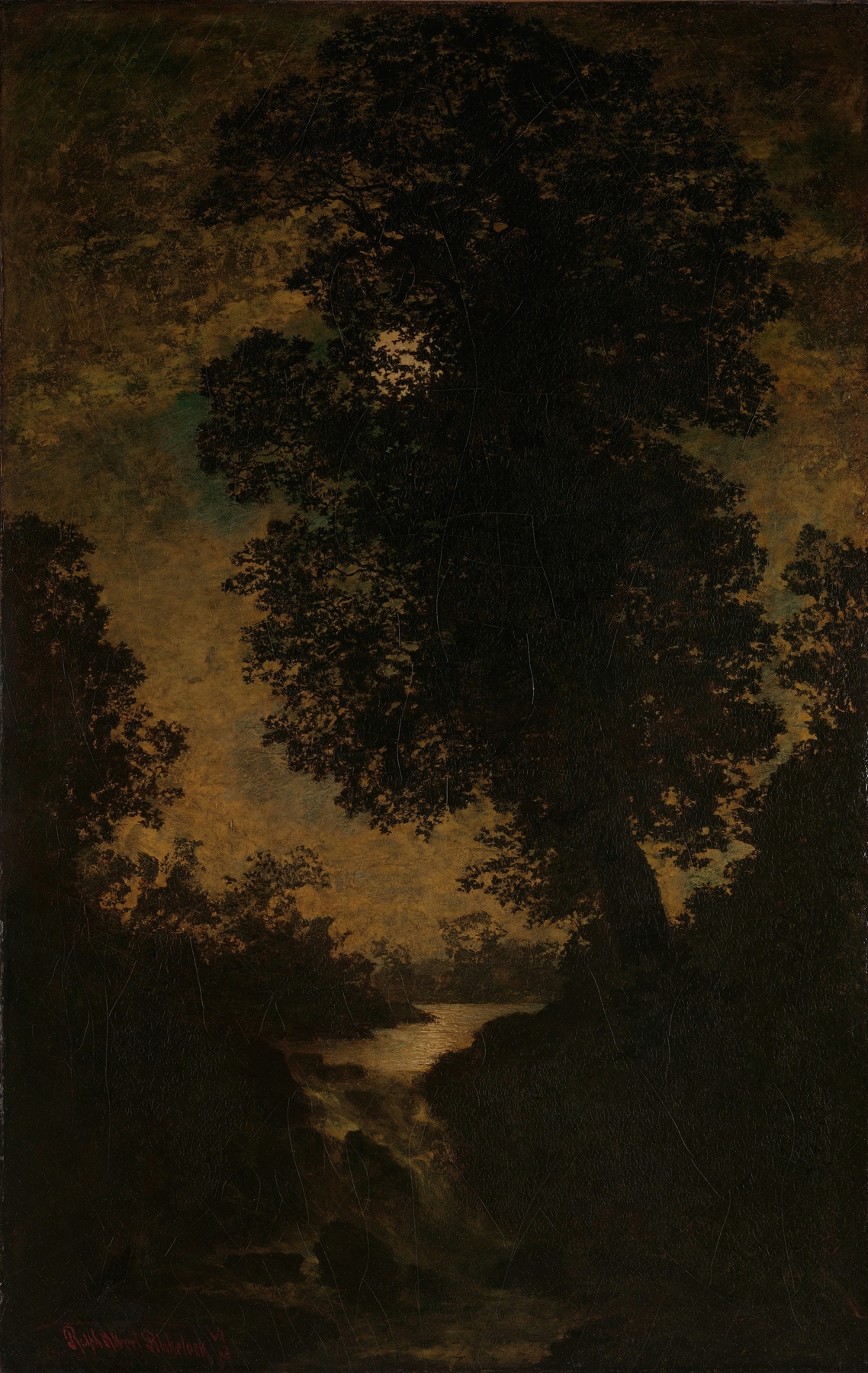
Can beauty exist without sorrow? In Ghost Dance (The Vision of Life), the haunting interplay of light and shadow suggests that even in moments of grace, an undercurrent of fear and uncertainty persists. Look to the center of the canvas where a spectral figure dances, its form illuminated by an ethereal glow. The surrounding landscape is draped in deep, muted greens and browns, creating a forested expanse that feels simultaneously inviting and foreboding. Notice how the soft, almost ghostly light filters through the trees, casting long shadows that stretch languidly towards the viewer, blurring the lines between the living and the spectral.
The brushwork is fluid and delicate, enhancing the dreamlike quality of the scene and inviting contemplation. In this striking composition, the viewer is drawn into a dialogue between life and death. The spirit’s dance suggests a celebration, yet its ephemeral nature evokes an unsettling reminder of mortality. The contrast between the vibrant light and the dark, enveloping forest amplifies the tension, hinting at the fragility of existence.
Each element, from the swirling forms to the somber palette, speaks to the emotional complexity of the human experience—where moments of beauty are often laced with an awareness of inevitable loss. Painted between 1895 and 1897, this work emerged during a period when Ralph Albert Blakelock was grappling with personal challenges, including mental health struggles. At the same time, the art world was experiencing a shift towards Symbolism, where artists explored deeper psychological and emotional themes. Blakelock’s work stands as a poignant reflection of his inner turmoil and the broader human condition, capturing the essence of fears and hopes in the face of the unknown.