Moonrise — History & Analysis
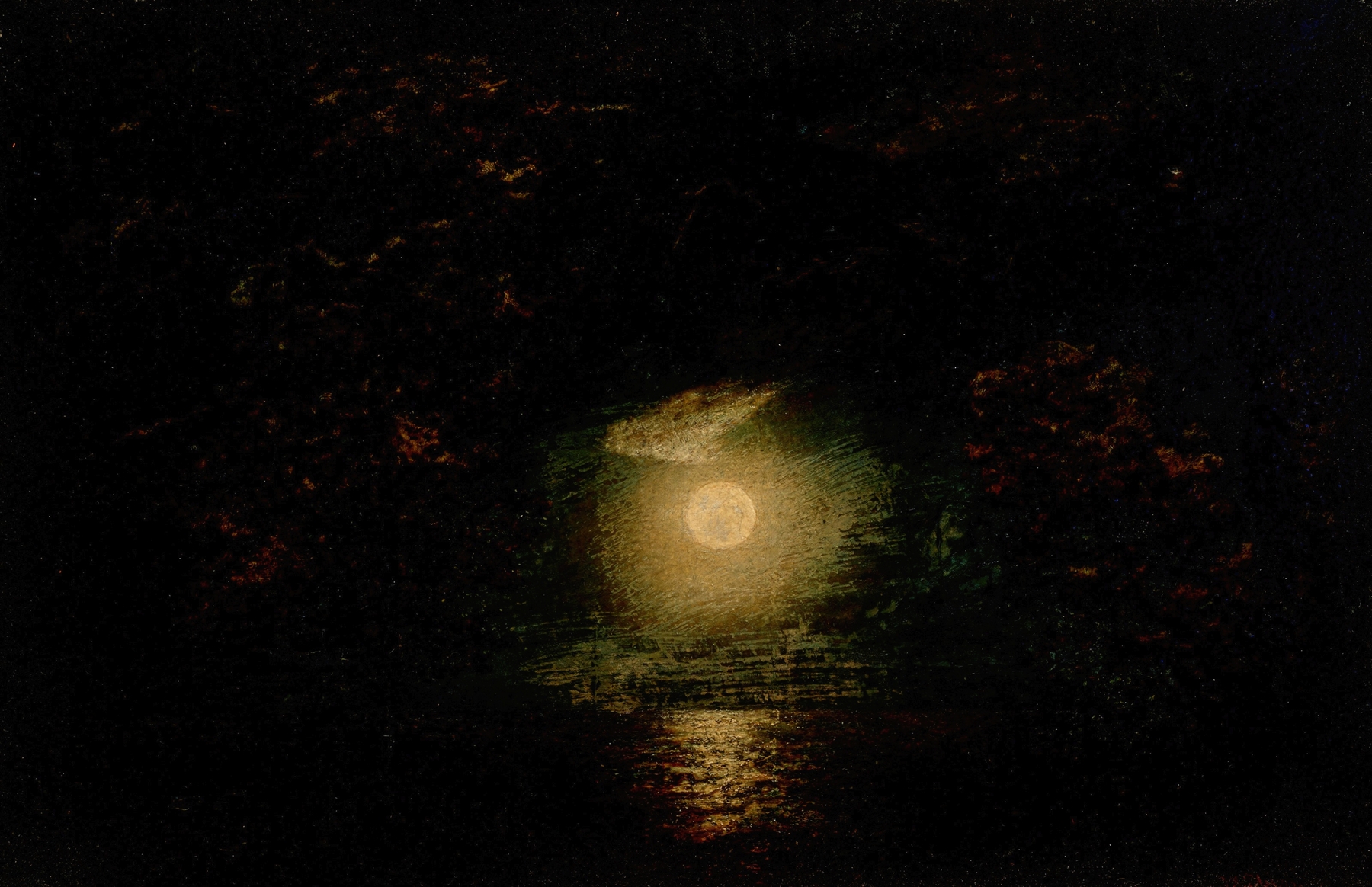
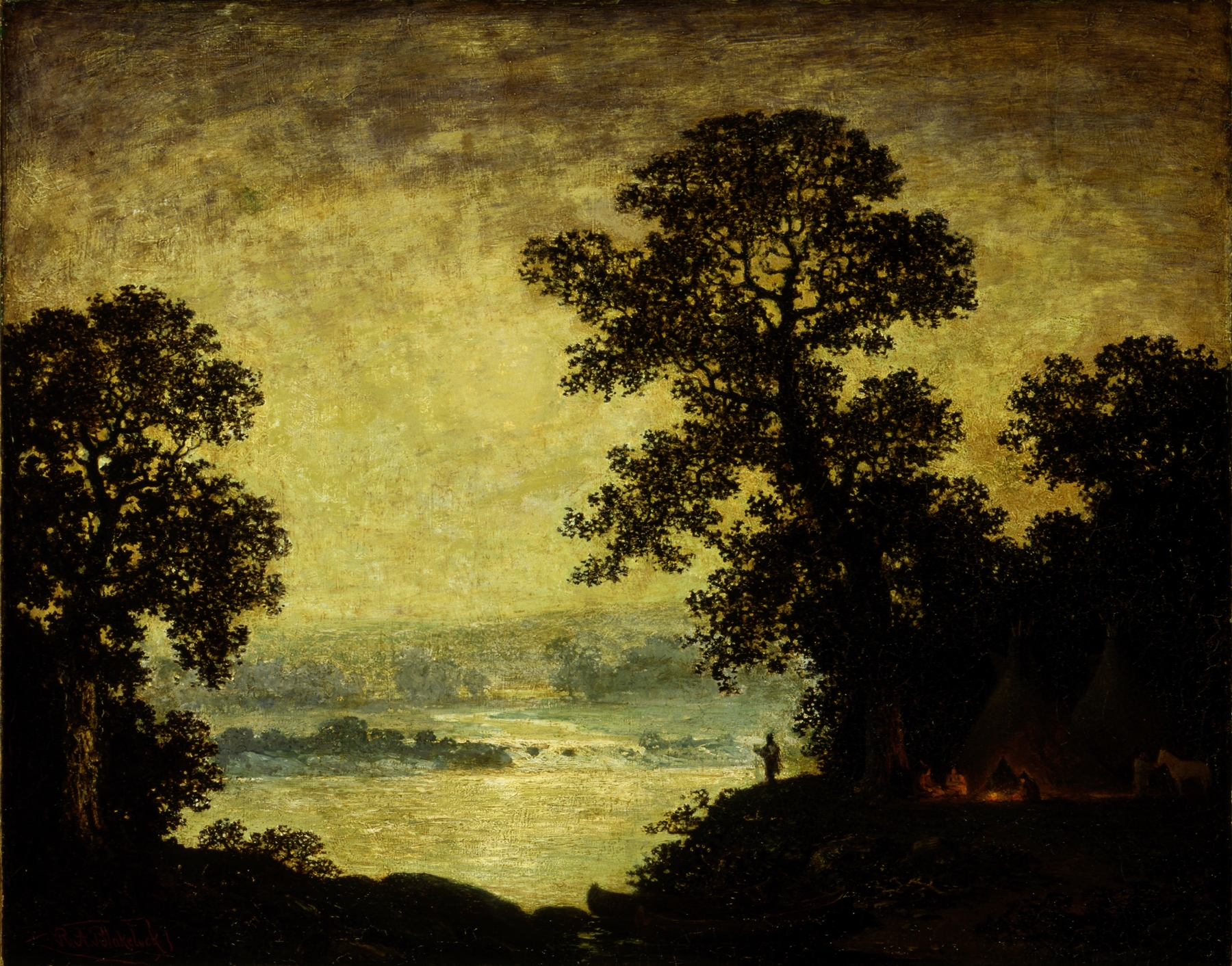
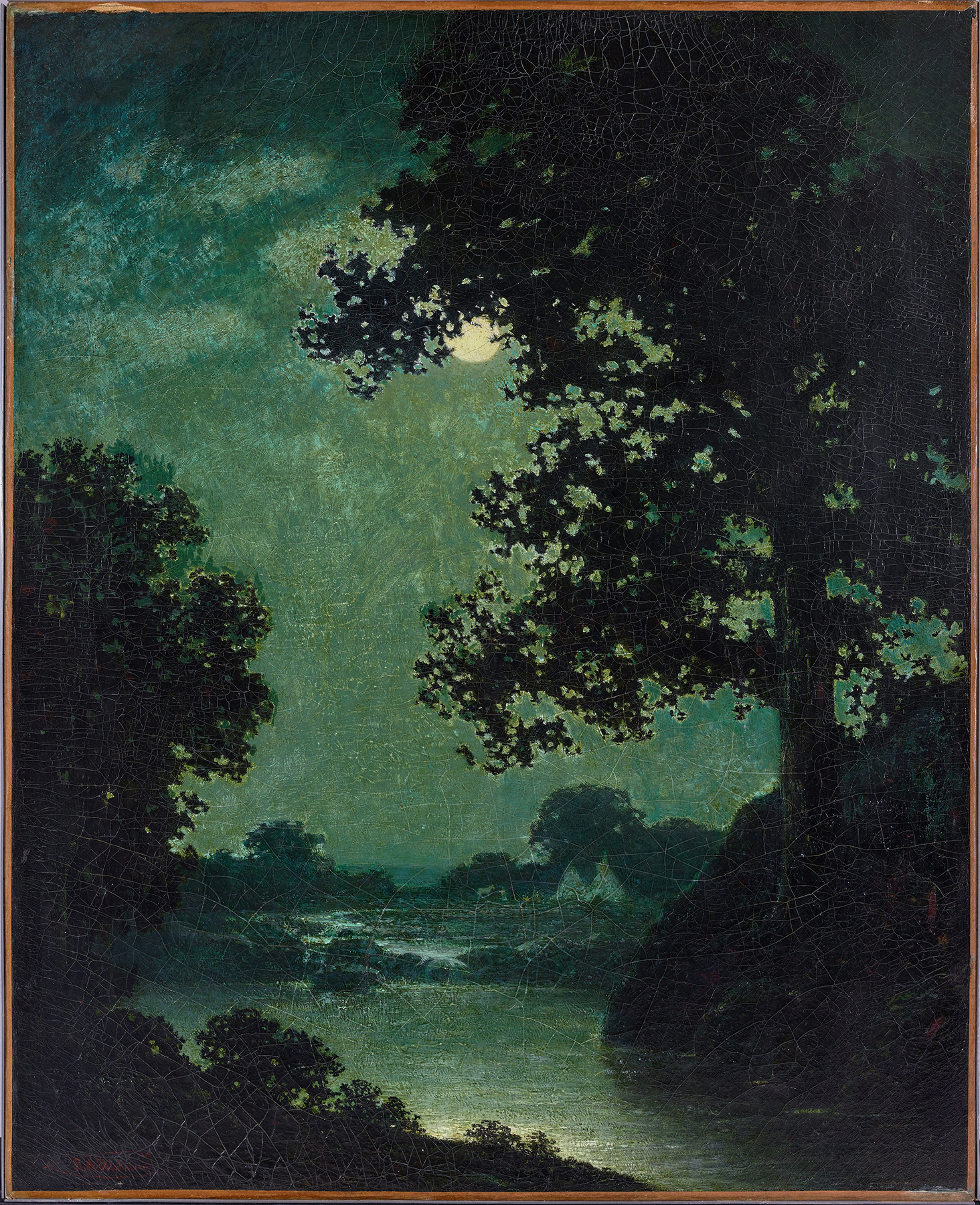
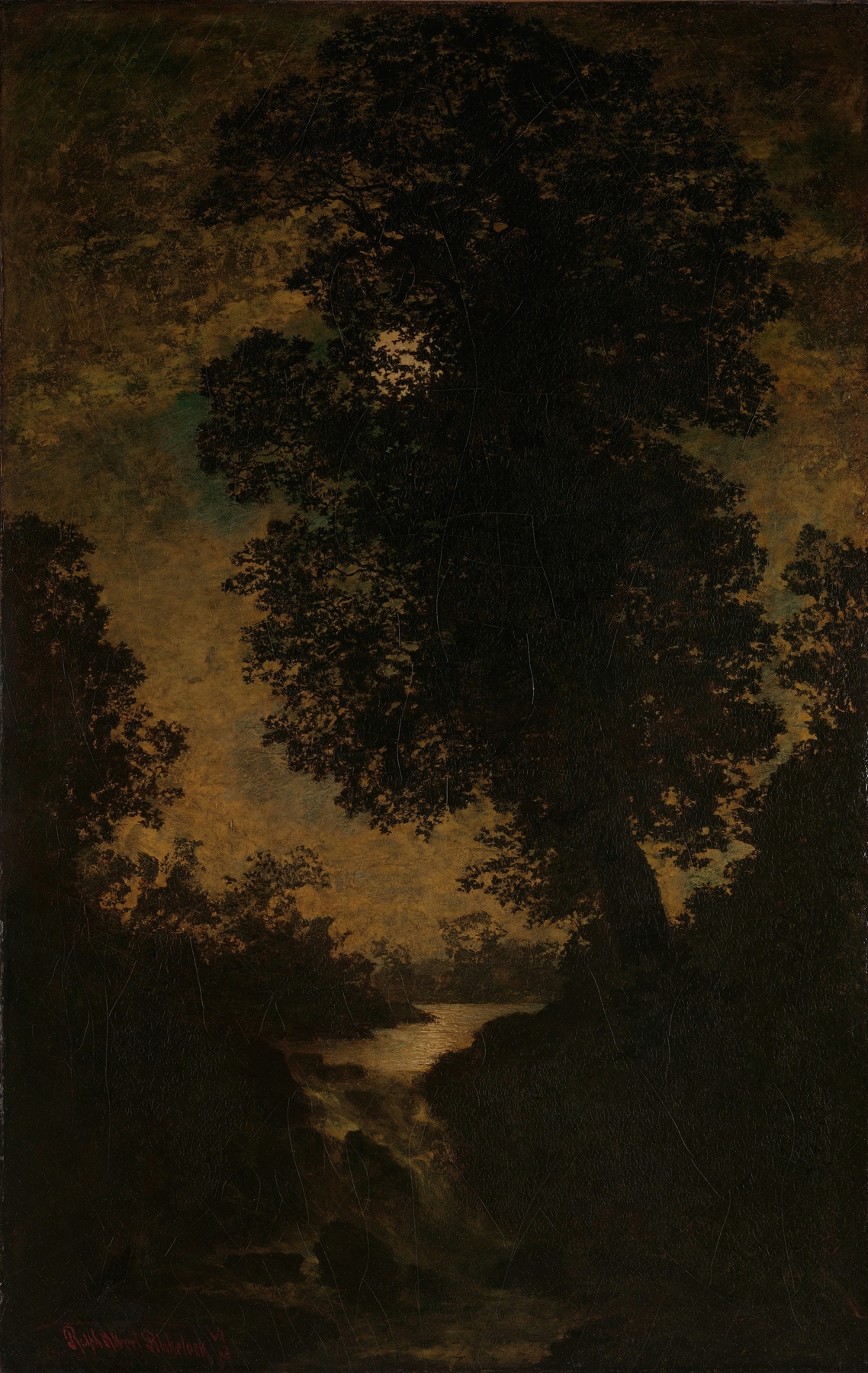
What if beauty was never meant to be finished? In Moonrise, the viewer is invited into a moment suspended between night and day, where the ethereal quality of twilight unfolds like a whispered secret. Look to the left, where the horizon meets the deepening indigo sky, and observe how the moon, a luminous orb, looms gently over a landscape awash in shadows. The delicate brushstrokes create a silken texture, while a palette of blues, purples, and silvers envelops the scene in a tranquil embrace.
Notice the way the light diffuses, casting ghostly reflections across the water’s surface, inviting a sense of mystery and contemplation. Delve deeper into the nuances of the painting. The juxtaposition of the vibrant moon against the darkened trees evokes an emotional tension between hope and despair. The stillness of the water seems to reflect not only the landscape but also the inner landscape of the soul — a serene yet haunting reminder of the fleeting nature of beauty and life.
Each element, from the wispy clouds to the silhouetted trees, forms a symbiotic connection, emphasizing the awakening of the night. During his time creating Moonrise, Ralph Albert Blakelock was exploring the themes of solitude and nature, which resonated deeply with his personal life marked by struggles. Painted likely in the late 19th century, this work emerged from an era rich with artistic exploration and a growing interest in the sublime, as artists sought to capture the emotional resonance of the natural world amidst their own internal chaos. Blakelock's journey as an artist was both tumultuous and profound, leading him to a realm where beauty and imperfection coexist.