Moonlight — History & Analysis
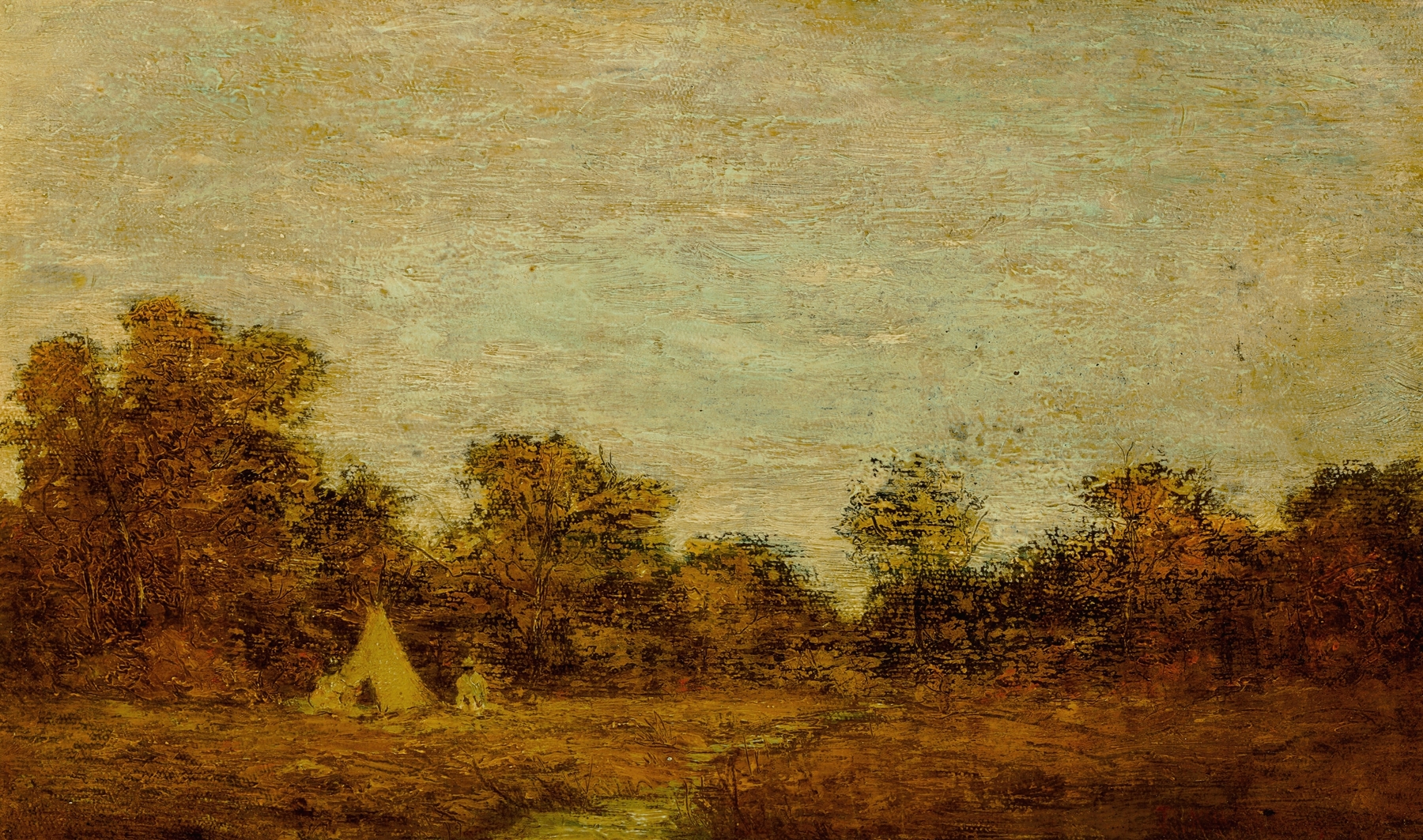
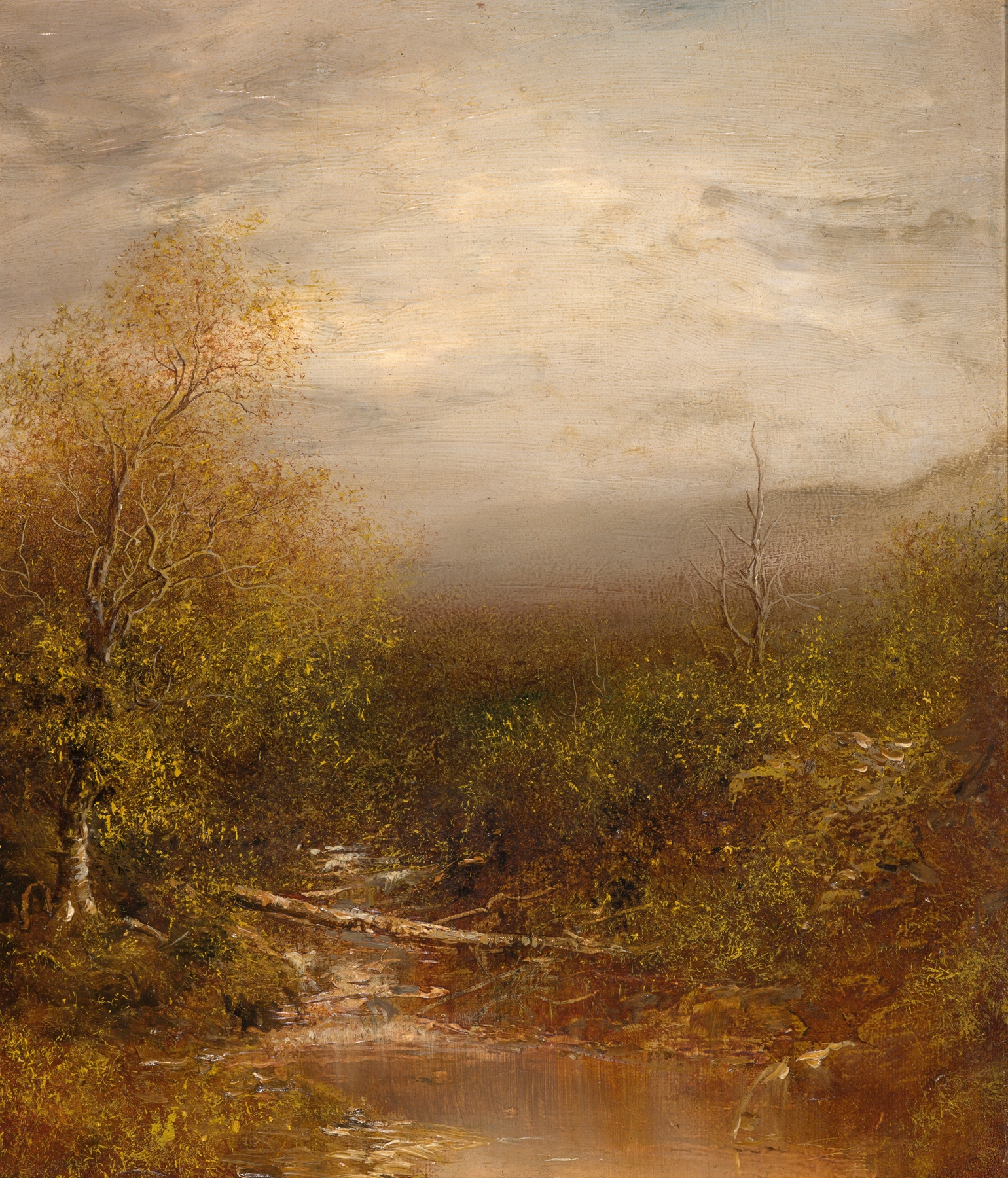
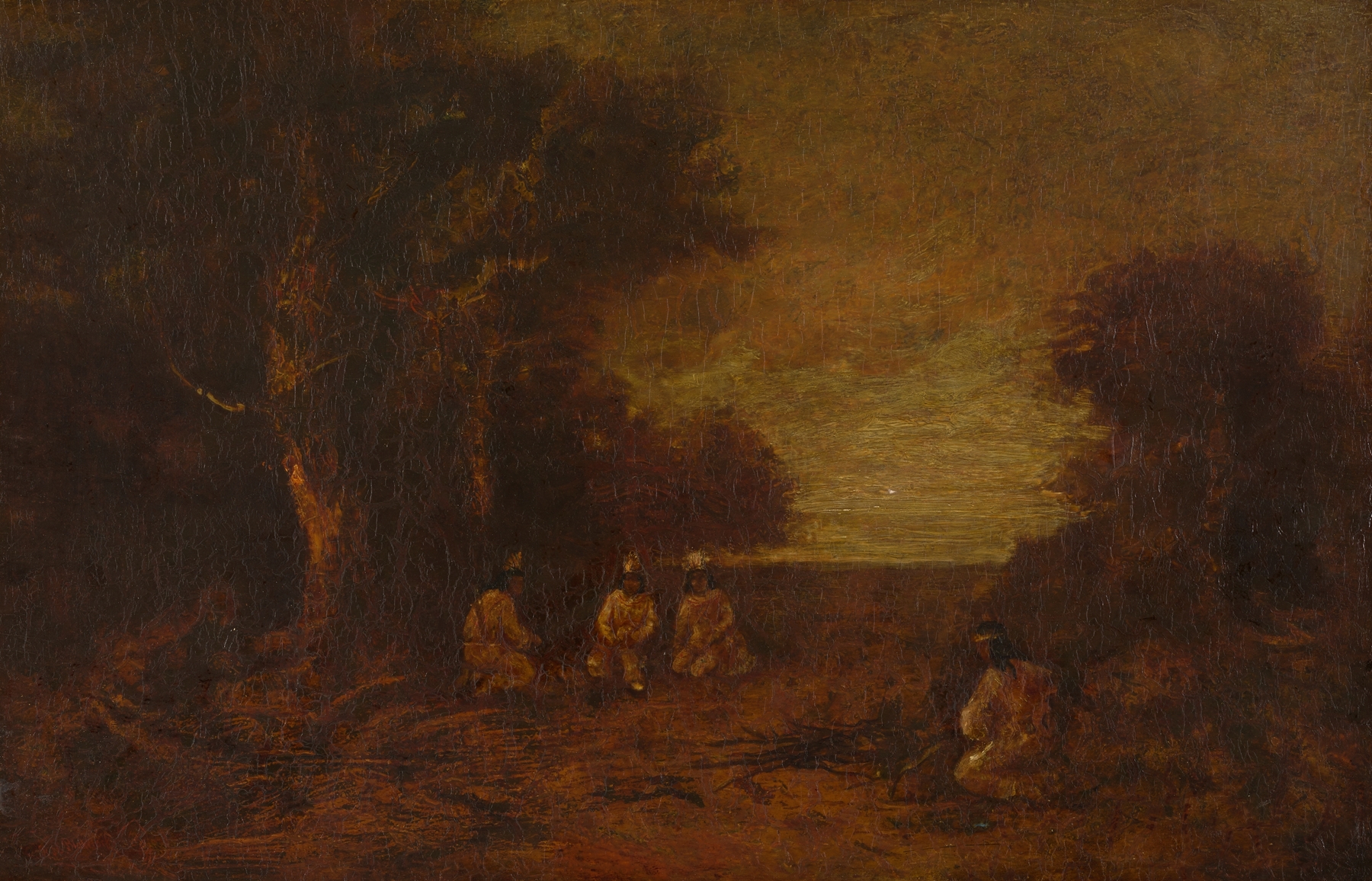
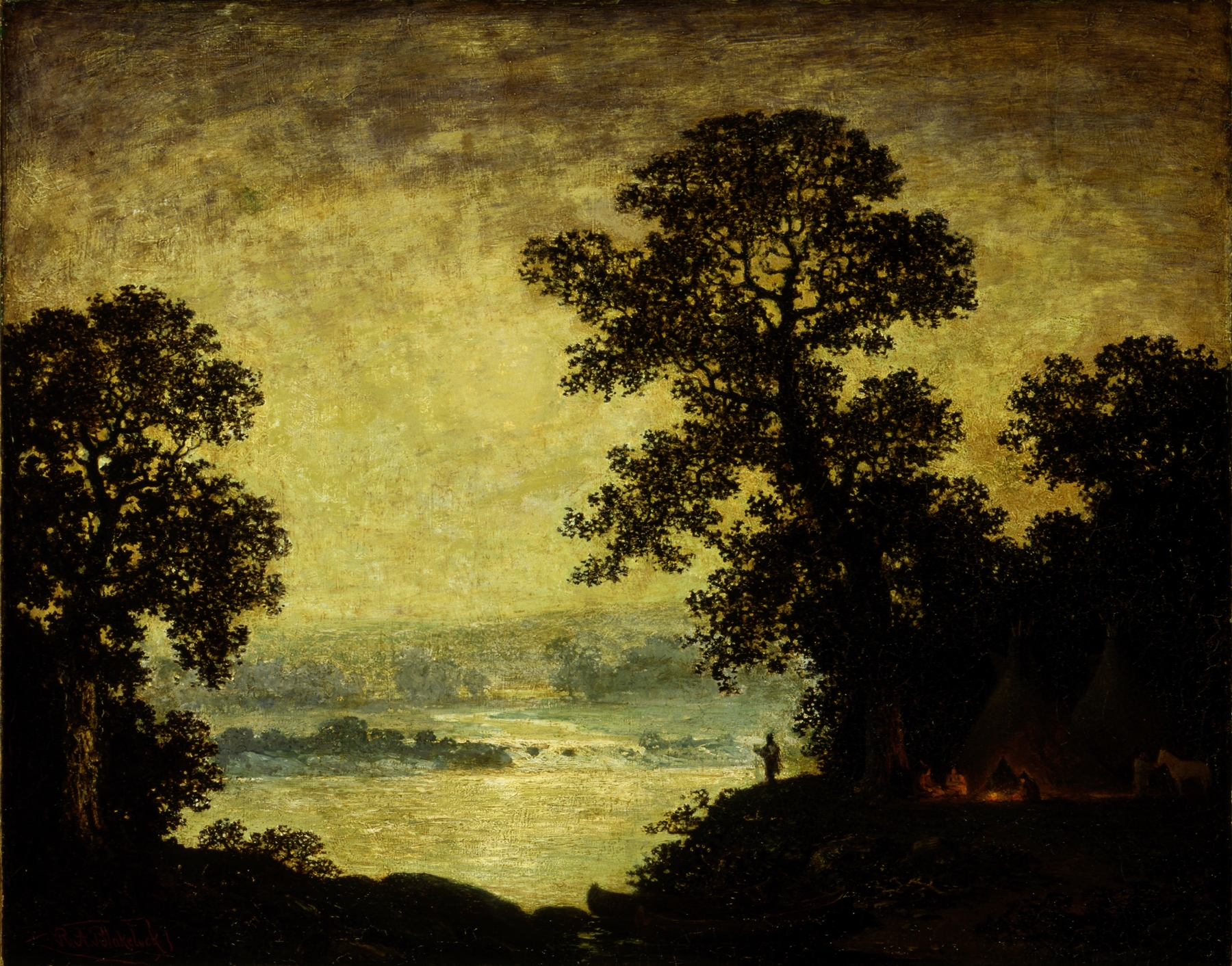
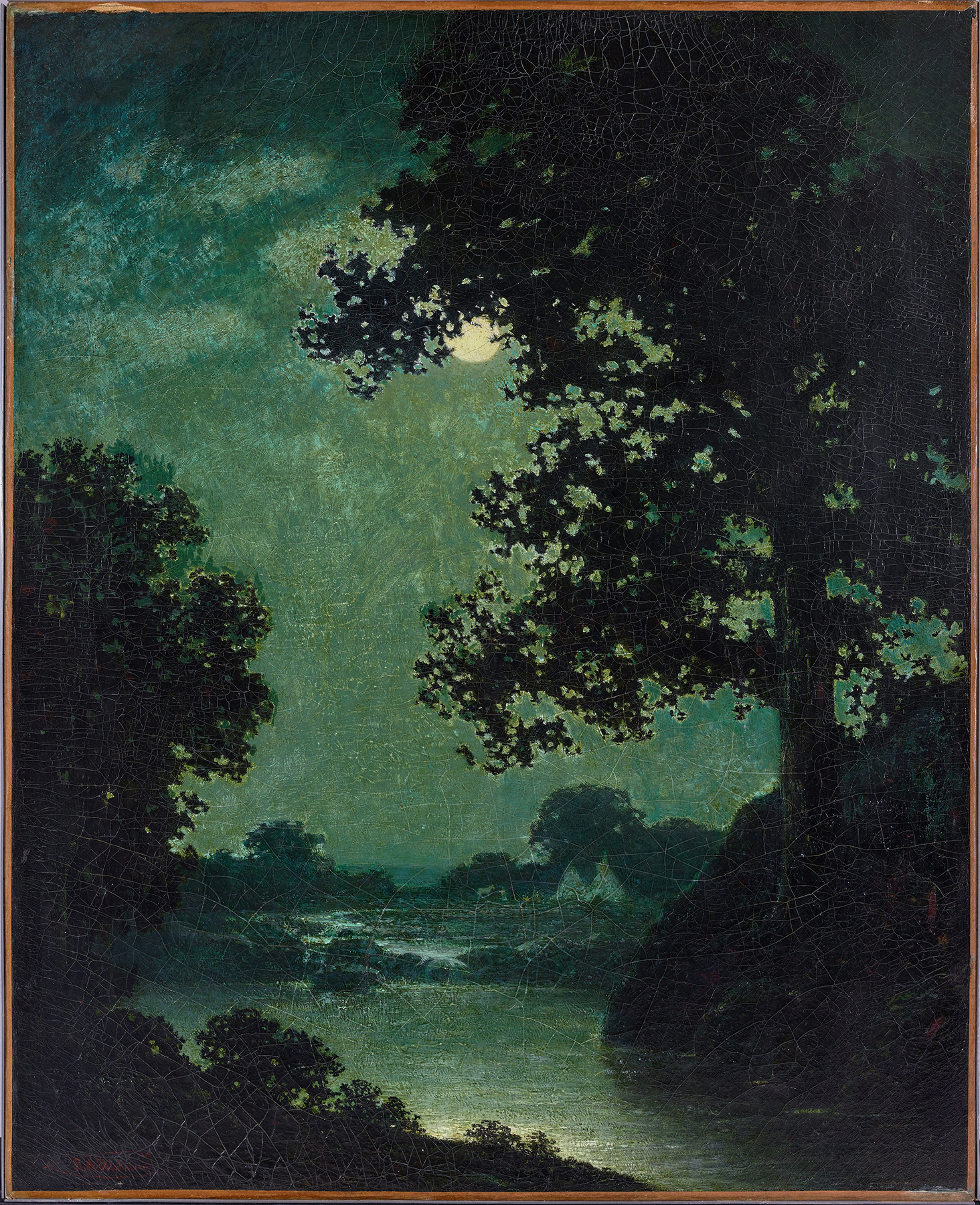
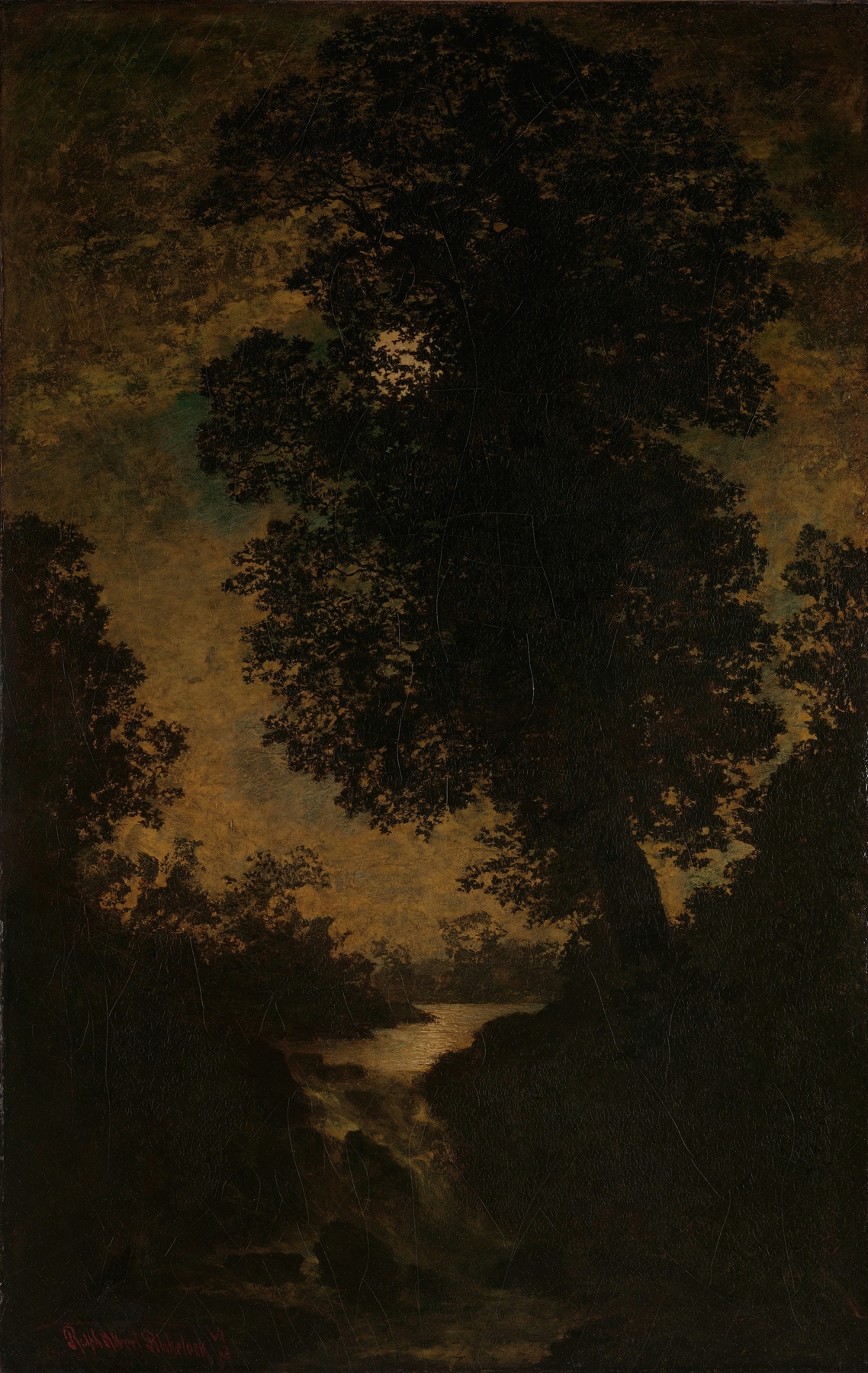
Could beauty survive in a century of chaos? In the stillness of Moonlight, silence reigns supreme, inviting a sense of introspection that transcends time. Look to the deep blues and subtle silvers that dominate the canvas, creating a tranquil night atmosphere. The moon hangs low, casting a cool, ethereal light over a landscape that feels both familiar and otherworldly.
Notice how the foliage to the left is engulfed in shadow, its details obscured yet suggestively alive, while the glimmering water reflects the moon's glow, inviting your gaze to wander and meditate on the tranquility of the scene. There is tension woven within this serene composition; the interplay between light and dark suggests a narrative of conflict and resolution. The moonlight evokes a sense of hope amidst the obscurity that surrounds it. The trees, though shrouded in shadow, stand tall and steadfast, hinting at resilience.
This duality captures the essence of emotion—how darkness can coexist with beauty, tranquility can surface from chaos, and silence can hold profound meaning. During the late 19th century, when this piece was likely created, Ralph Albert Blakelock sought refuge in nature as a response to the chaotic urban life surrounding him. Living in relative obscurity, he explored themes of solitude and reflection, influenced by the growing fascination with the natural world in American art. His works often drew upon personal struggles, allowing viewers to experience a profound connection to both the sublime and the somber, encapsulated beautifully in this moonlit vision.