An Overgrown Mineshaft — History & Analysis
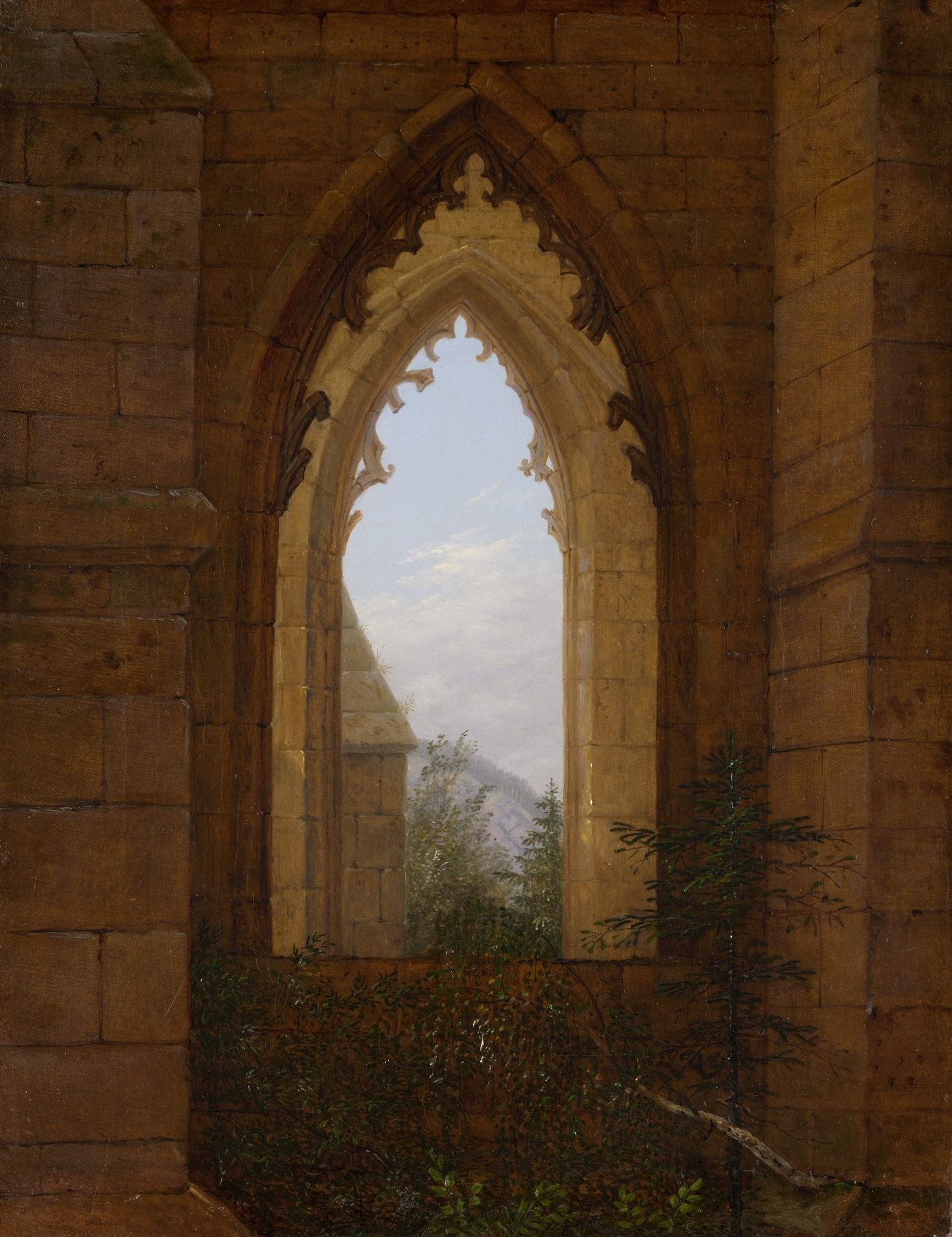
Did the painter know this moment would outlive them? In the stillness of An Overgrown Mineshaft, a haunting aura of loneliness envelops the viewer, drawing them into an introspective silence. Focus on the left side of the canvas, where tangled vines and wildflowers push through the cracked earth, reclaiming the remnants of human endeavor. The colors are tempered—earthy browns and muted greens dominate, interspersed with the vibrant yet somber strokes of floral life. The shaft looms, dark and inviting, its gaping mouth a stark contrast to the surrounding burst of nature, suggesting both beauty and decay.
The deliberate brushwork creates a sense of depth, guiding the eye toward the inconspicuous intersection of life and abandonment. In the heart of this work lies a poignant commentary on nature’s resilience and humanity’s ephemeral presence. The overgrowth symbolizes not only the passage of time but also the isolation that accompanies forgotten endeavors. Shadows linger in the corners, hinting at stories untold, while the vibrant flora serves as a bittersweet reminder of the beauty that flourishes in solitude.
This duality evokes a powerful emotional tension, inviting contemplation of what is left behind and what endures. In 1824, Carl Gustav Carus painted this piece amidst a burgeoning Romantic movement in Germany, where nature's sublime beauty was celebrated alongside introspective themes. His life was marked by a deep interest in philosophy and science, and at this time, he was exploring the intersections of art and nature, reflecting the era's desire to find meaning in the natural world. This context enriches our understanding of the work’s profound solitude, revealing Carus's dedication to encapsulating the essence of life’s transience.