Annunciatie — History & Analysis
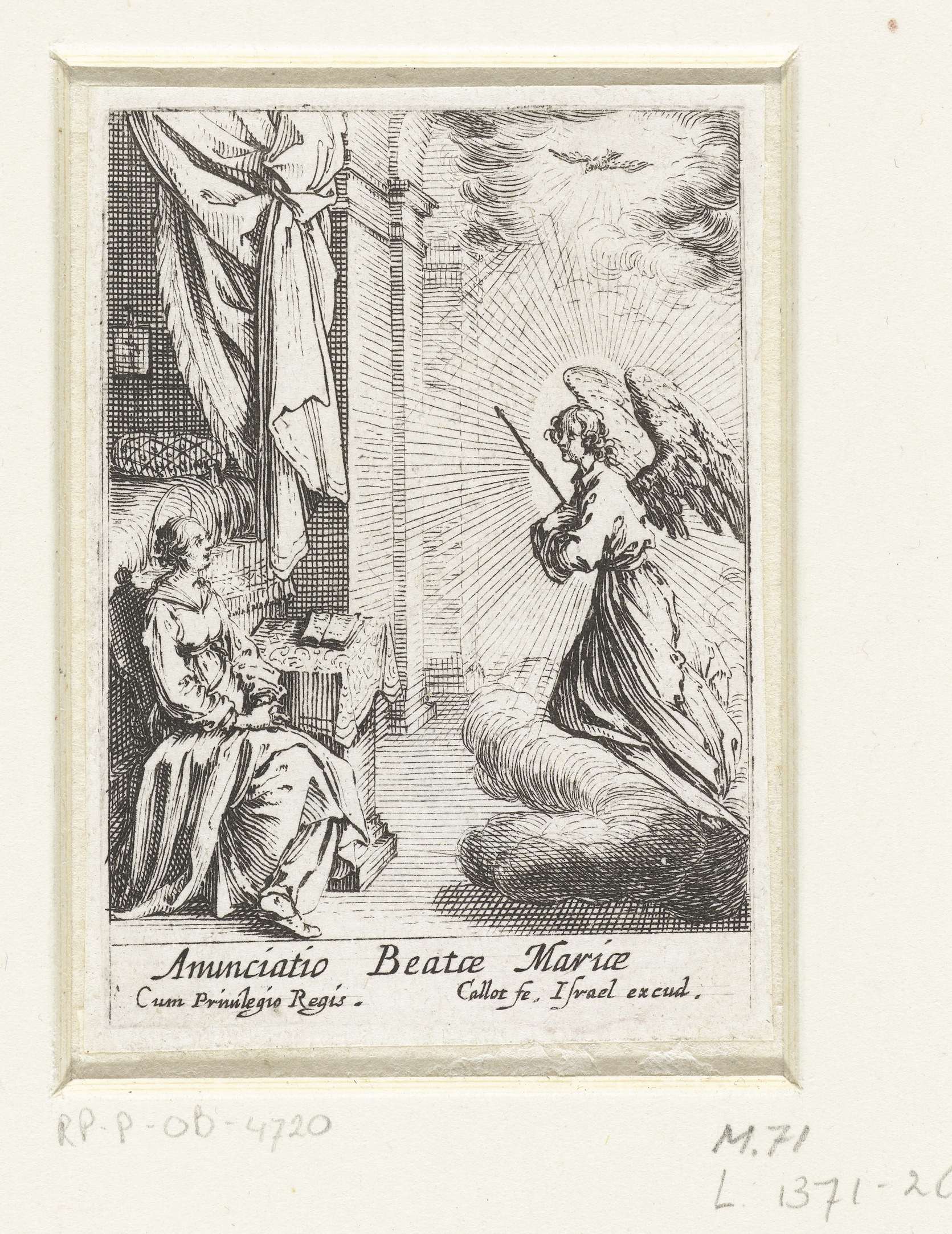
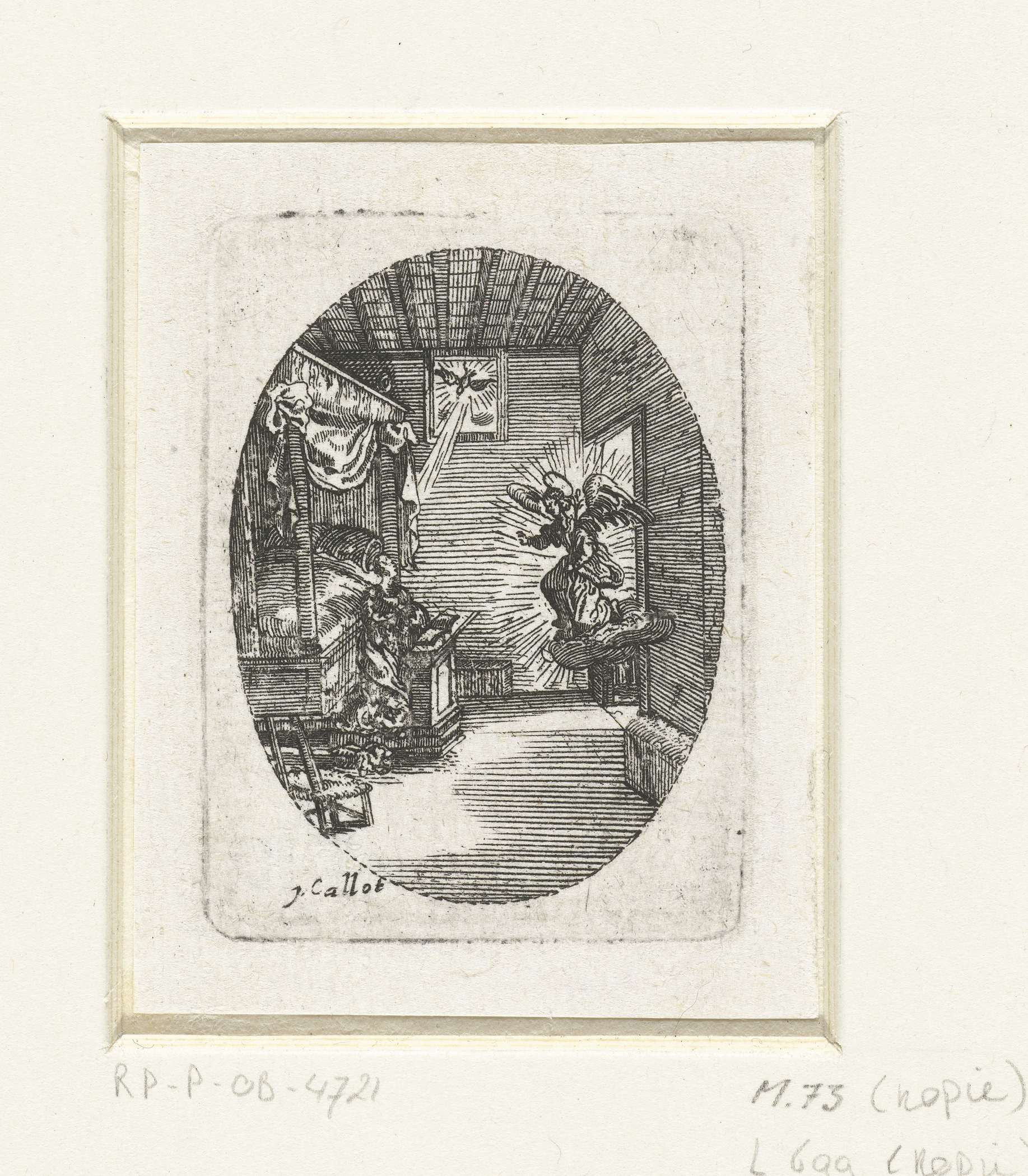
“The canvas doesn’t lie — it simply waits.” In the stillness of creation, there exists a raw, unspoken tension that weaves through every brushstroke, echoing the violence of the human condition. Look closely at the upper center of the piece, where a spectral figure hovers, radiant yet ominous. The ethereal glow of the angel contrasts sharply against the darker tones enveloping the Virgin Mary, illuminating her pensive expression. Notice how the intricate details of her gown ripple with a delicate touch, while the folds seem to cling to her body as if resisting the very moment of revelation.
The composition draws the eye into this clash of light and shadow, a dance of divine intervention against the backdrop of earthly turmoil. Delve deeper, and you will find the subtle layers of emotional conflict illustrated in their gestures. The angel's commanding presence juxtaposes Mary’s passive form, evoking a sense of both awe and impending dread. The tension lies not just in the moment of announcement but in the awareness of what this moment heralds—a shift in the cosmic order that hints at suffering and sacrifice.
The specter of violence lurks beneath the surface, intertwined with the sacred, suggesting that divine messages often come at a great cost. In 1631, Callot created this work amidst a Europe grappling with the horrors of the Thirty Years' War, an era rife with suffering and upheaval. Living in Nancy, France, the artist was influenced by both the tumult of his times and the shifting tides of Baroque art, which sought to convey emotional depth and movement. This backdrop of chaos and conflict undoubtedly shaped Callot’s vision, as he sought to explore the complex interplay between divinity and human pain in Annunciatie.