Annunciatie — History & Analysis
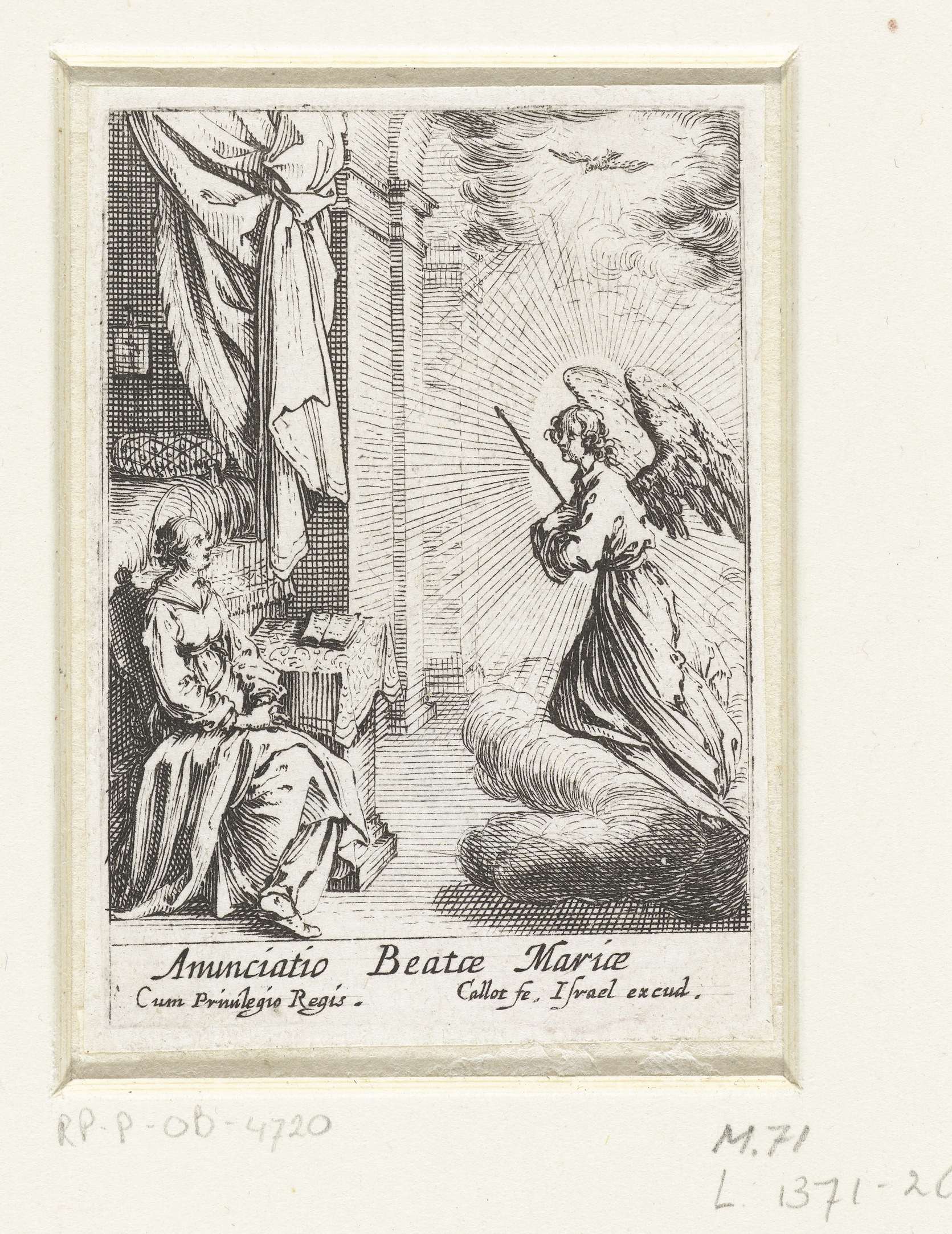
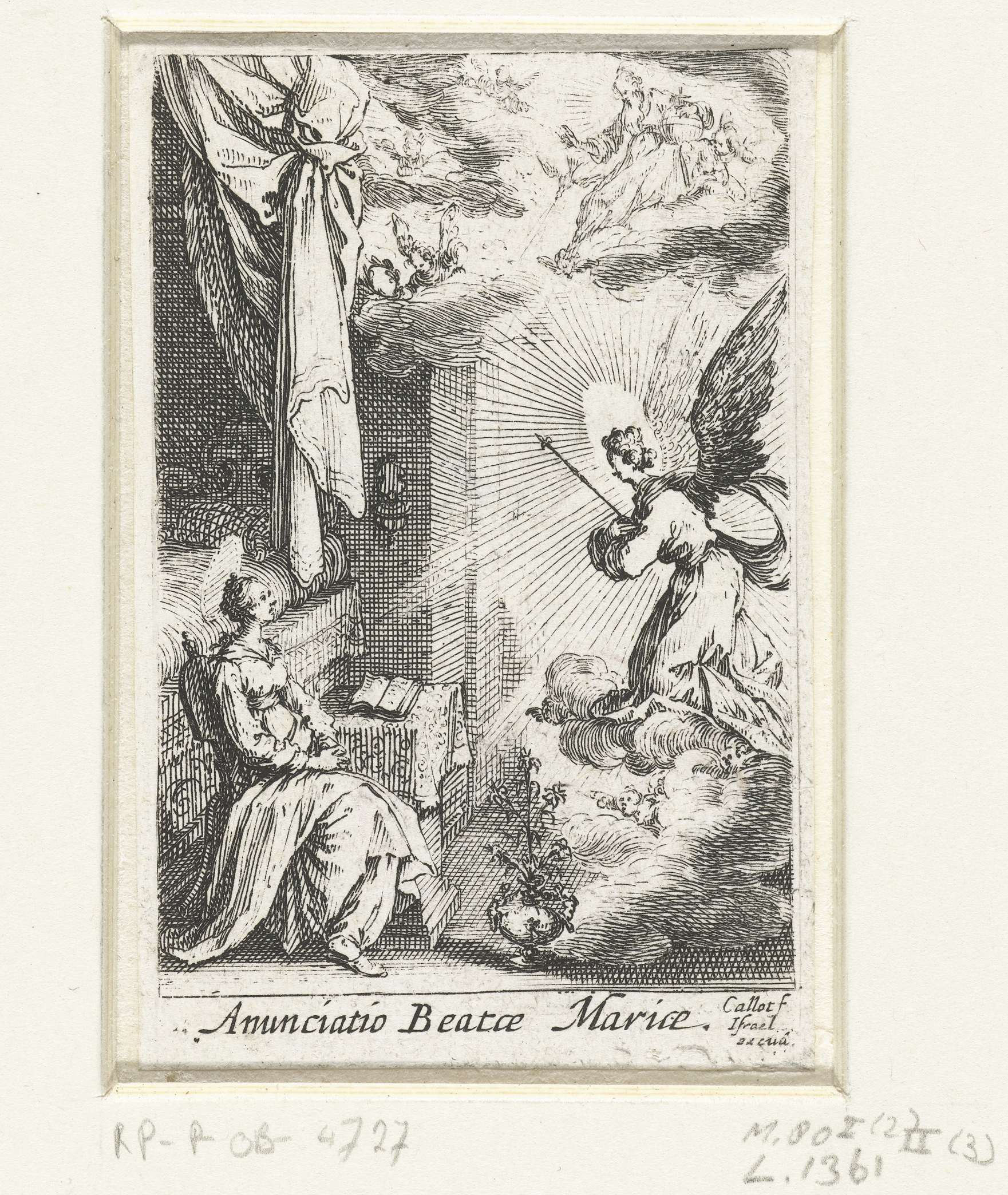
Where does light end, and longing begin? In the delicate balance of faith and doubt, we find ourselves drawn into a world of divine chaos. Look to the center of the composition, where the angel's luminous figure radiates a warmth that contrasts starkly with the darker, shadowed corners of the painting. The swirling drapery envelops both the heavenly messenger and the figure of the Virgin, creating a dynamic tension that pulls the viewer's eye and evokes a sense of movement. Notice how the soft chiaroscuro emphasizes the serene expression on the Virgin's face, revealing her internal struggle as she grapples with the gravity of the moment.
The muted yet rich colors of the background heighten the ethereal quality, suggesting the weight of the sacred encounter. Within this intimate tableau lies a profound dichotomy. The angel's outstretched hand, glowing with hope, is met by the Virgin's hesitant gaze as she contemplates her fate—a moment that encapsulates the fragility of faith amidst uncertainty. The swirling chaos of the drapery symbolizes the tumult of emotions, the conflict between the sublime and the mundane, while the gentle light illuminating their faces hints at the divine promise that is both joyous and overwhelming.
This interplay of light and shadow embodies the tension between the heavenly and the earthly, inviting us to ponder the chaos that often accompanies profound enlightenment. Jacques Callot painted this work during a turbulent period in 17th-century France, marked by the Thirty Years' War and ongoing political strife. Completing Annunciatie between 1633 and 1634, the artist was in the midst of exploring themes of religious devotion and human emotion. His innovative compositions and masterful technique earned him a significant place in the Baroque movement, serving as a bridge between graphic art and painting during a time of transformation in the art world.