Arctic Seascape — History & Analysis
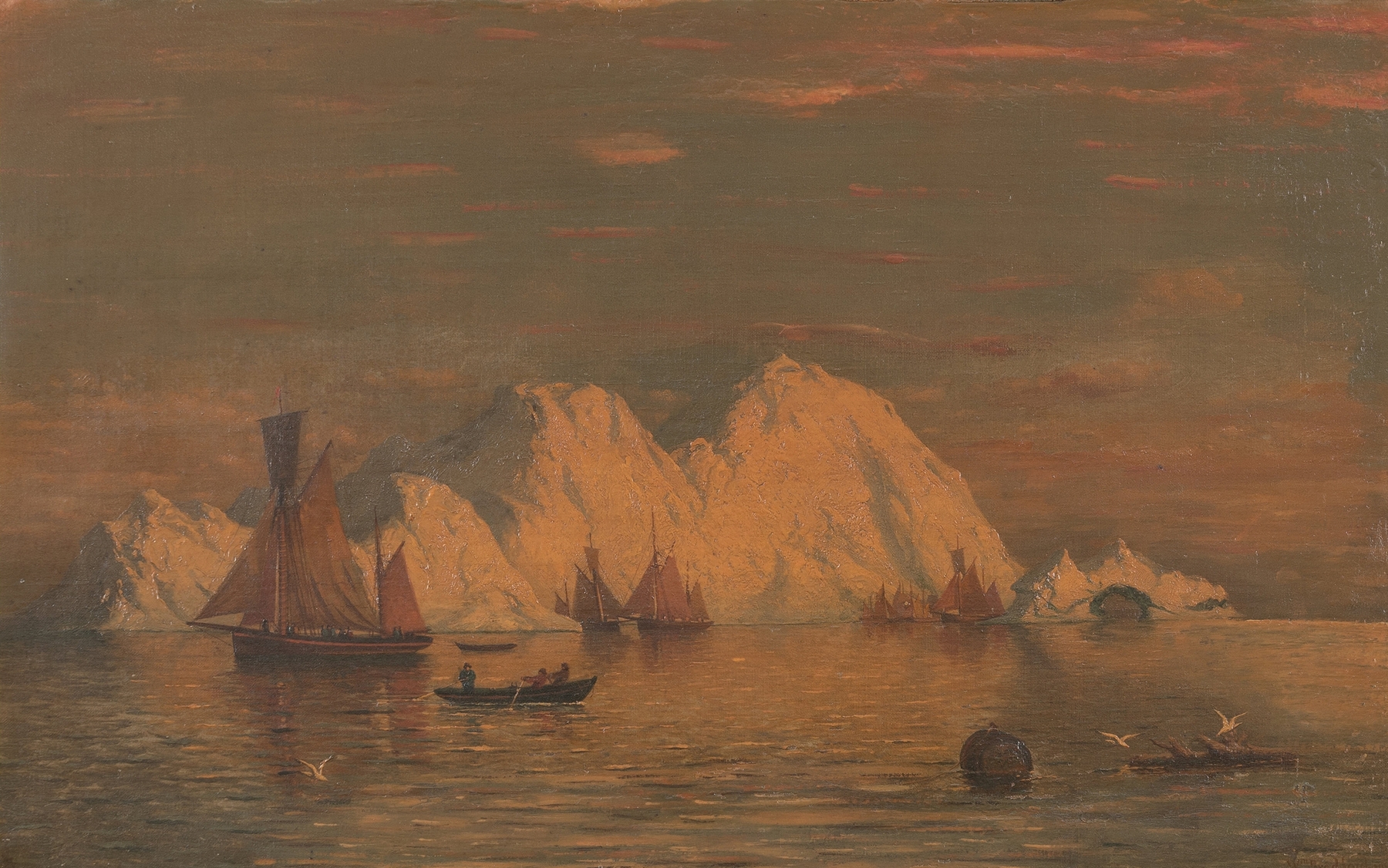
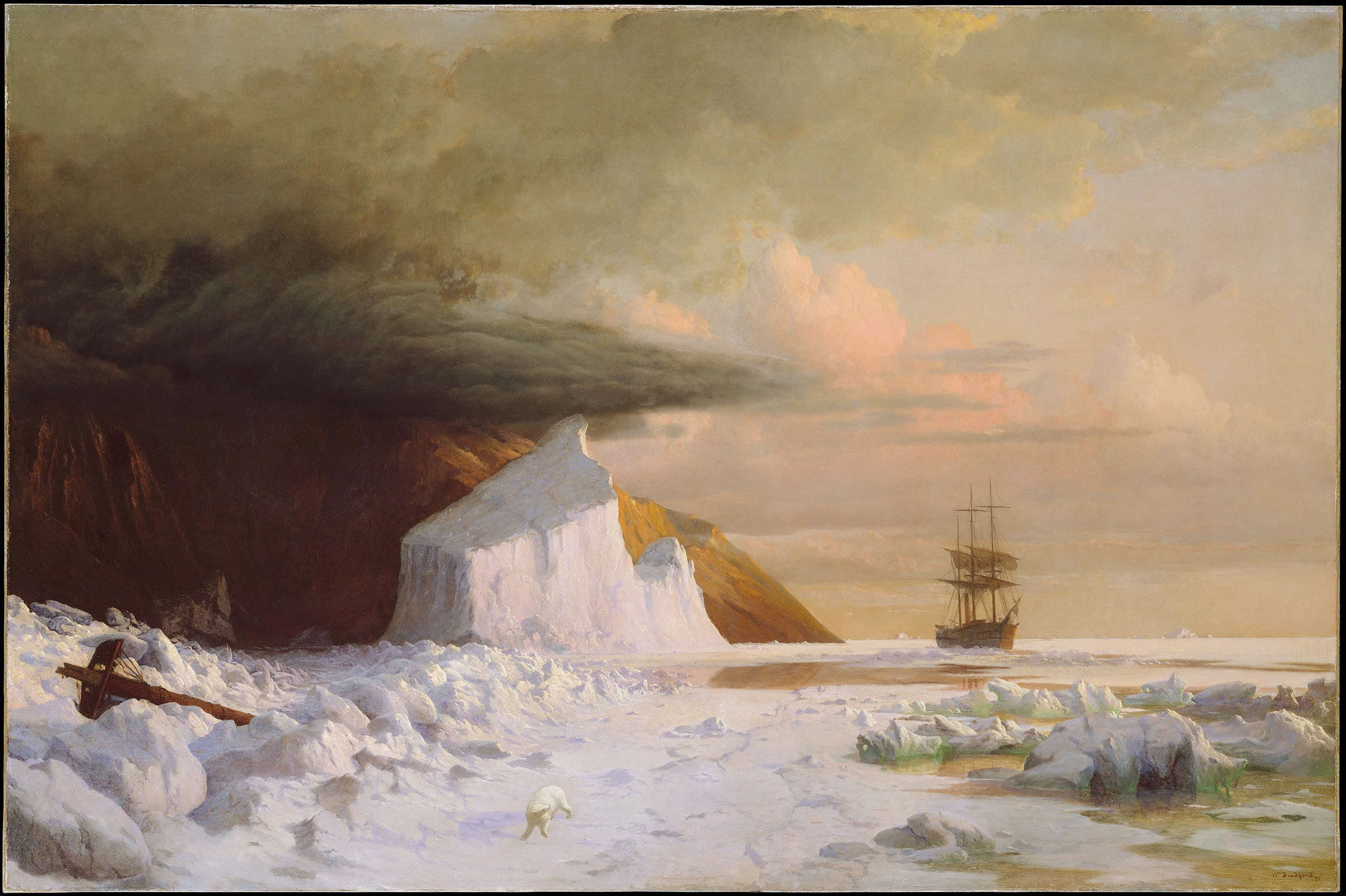
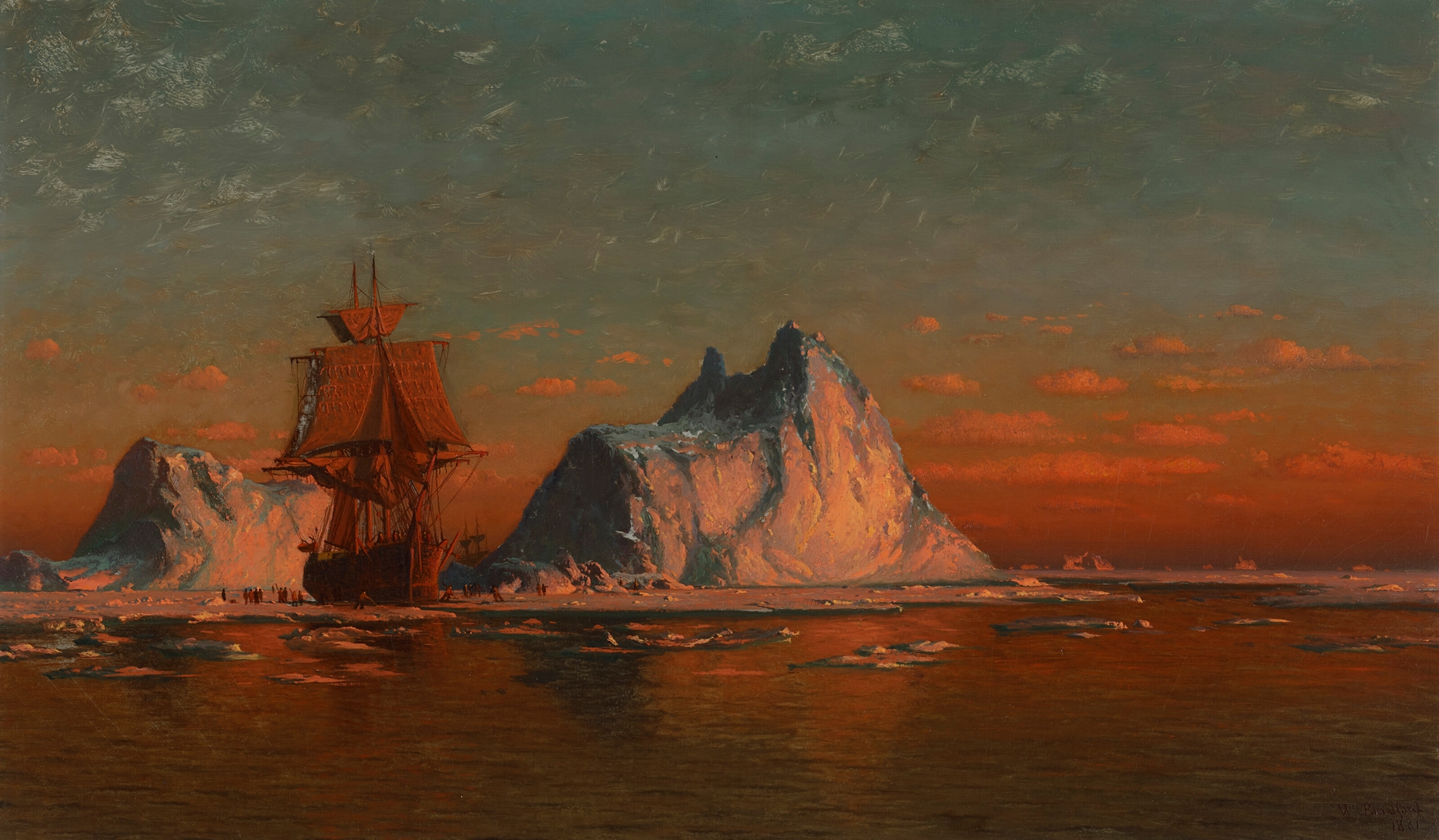
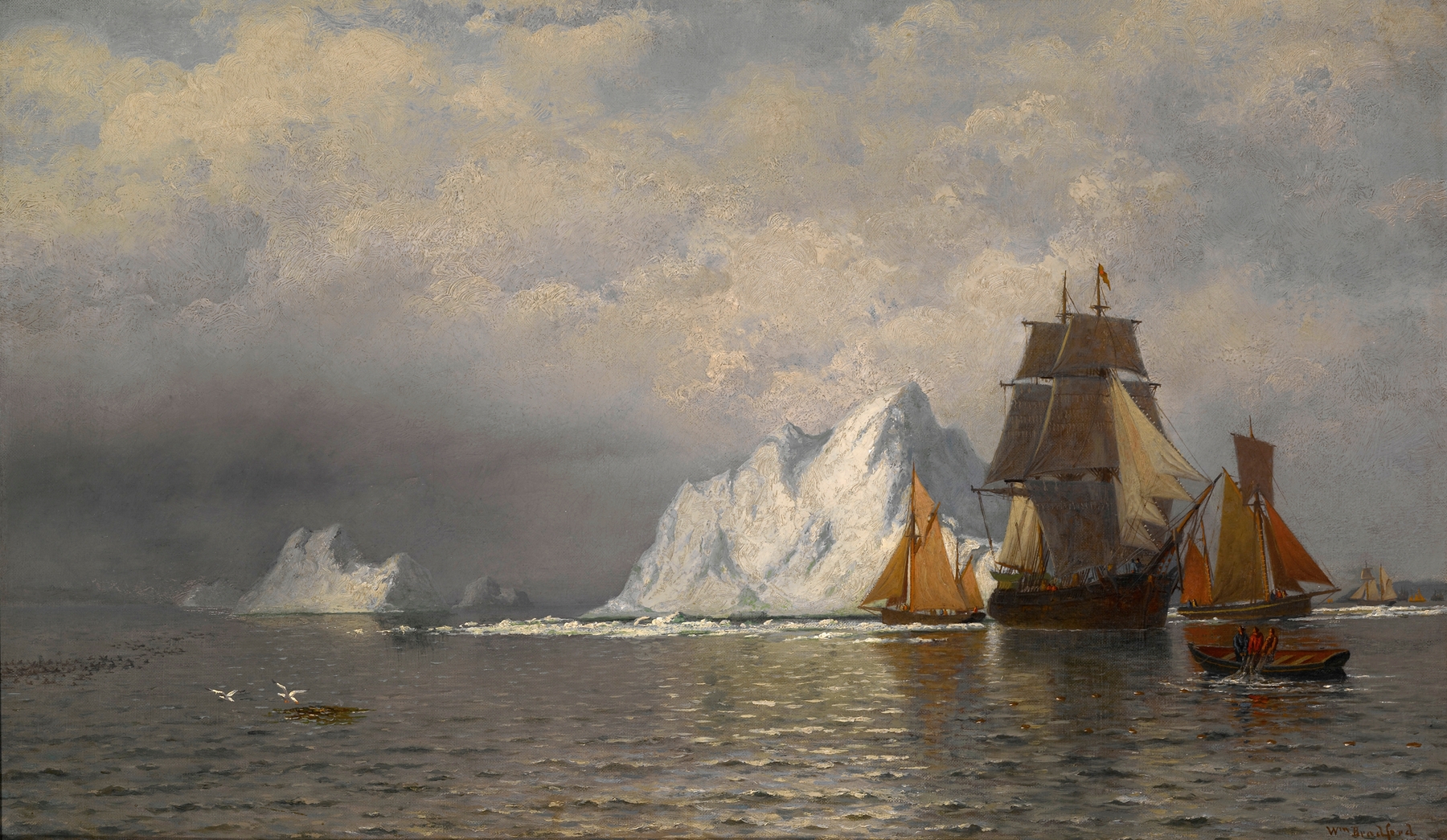
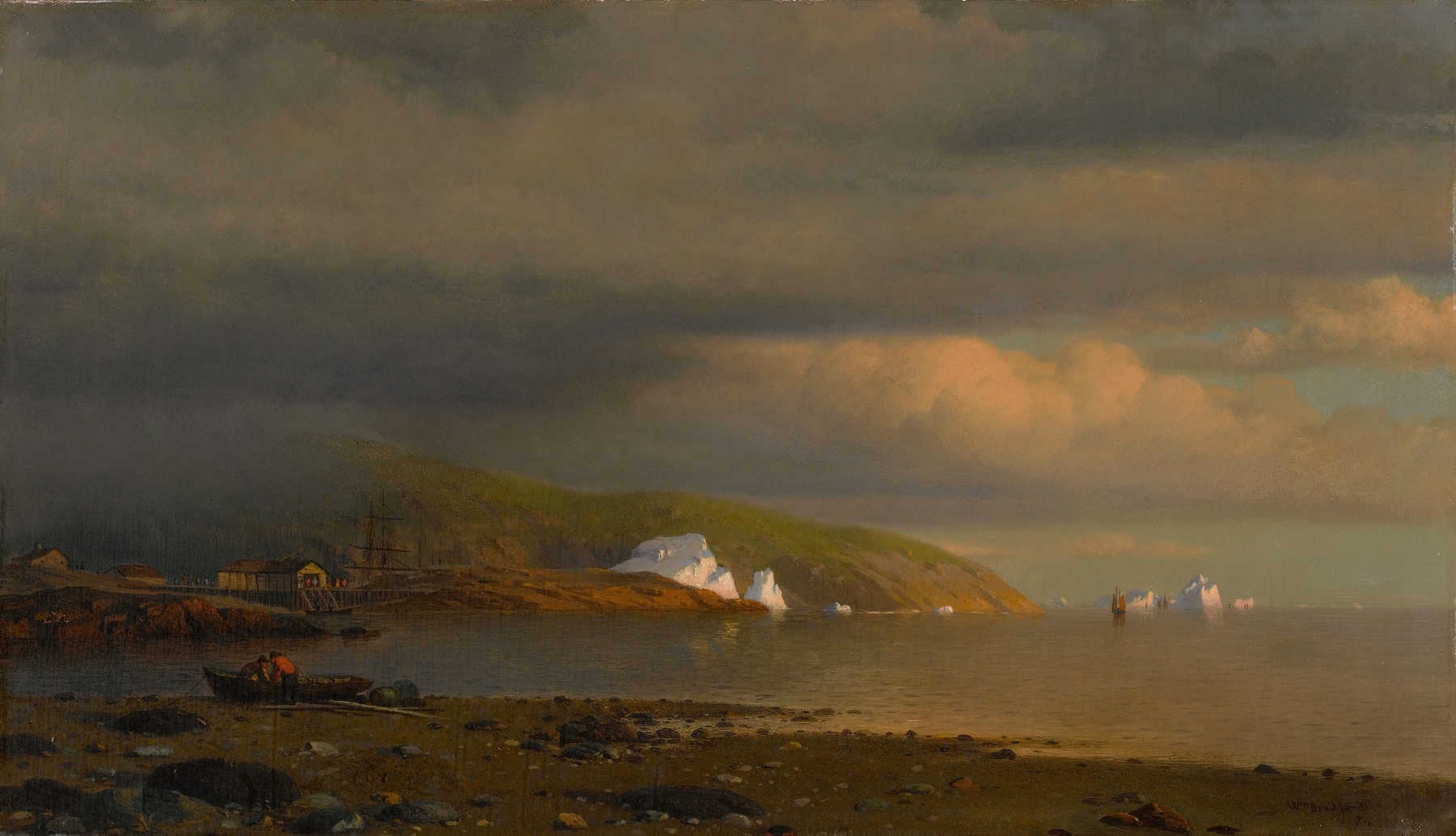
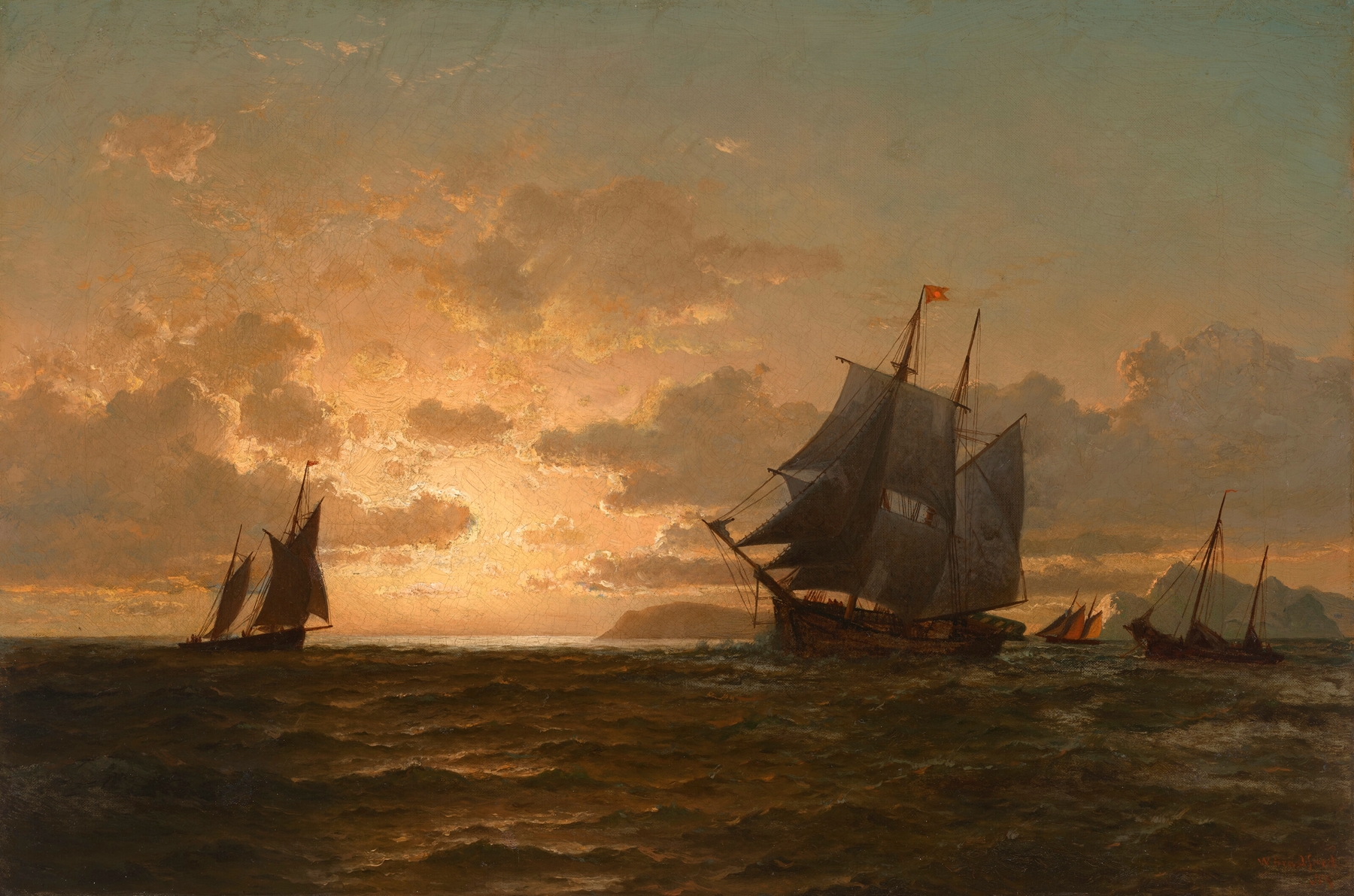
“To paint is to remember what time wants us to forget.” In Arctic Seascape, the vast, icy expanse becomes a canvas for rebirth, capturing both the fragility and resilience inherent in nature. The scene invites contemplation of the cyclical dance between life and the relentless forces of the elements, where even the harshest environments can give rise to stunning beauty. Focus on the horizon where deep blues and whites collide, forming a dramatic interplay that draws the eye. The subtle gradients of color suggest the transition between icy stillness and the potential for movement, while the jagged ice formations jutting into the water command attention.
Bradford’s meticulous brushwork creates a tactile quality, allowing the viewer to almost feel the chill of the air and the weight of the ice, immersing us in this ethereal world. Hidden within the icy landscape lies a poignant contrast: the stillness of the frozen seascape against the dynamic skies that hint at change. The starkness of the ice, while seemingly lifeless, reflects the possibility of rebirth as it interacts with the shifting light and atmospheric conditions. Each detail, from the fractured ice to the distant silhouette of land, speaks to an underlying narrative of survival and transformation, inviting viewers to explore the stories etched within this untouched wilderness.
William Bradford painted Arctic Seascape in 1869 during a period of great exploration and discovery. Having recently returned from an expedition to the Arctic, he aimed to relay the sublime beauty of these remote landscapes while also addressing the growing fascination with their environmental impact. This artwork captures not only his personal experience but also a moment in history when the allure of frozen frontiers was met with the inevitability of change.