An Arctic Summer- Boring Through the Pack in Melville Bay — History & Analysis
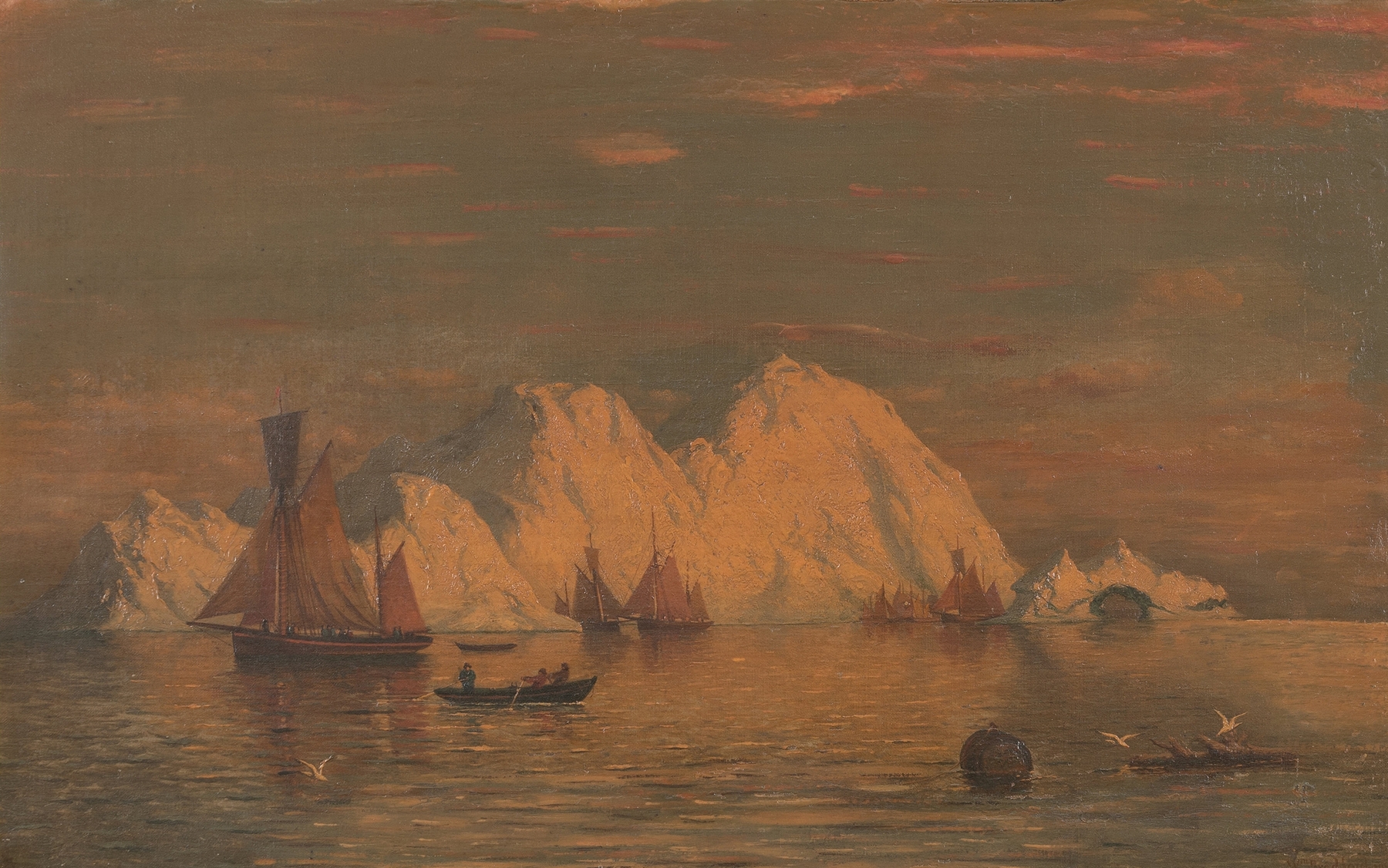
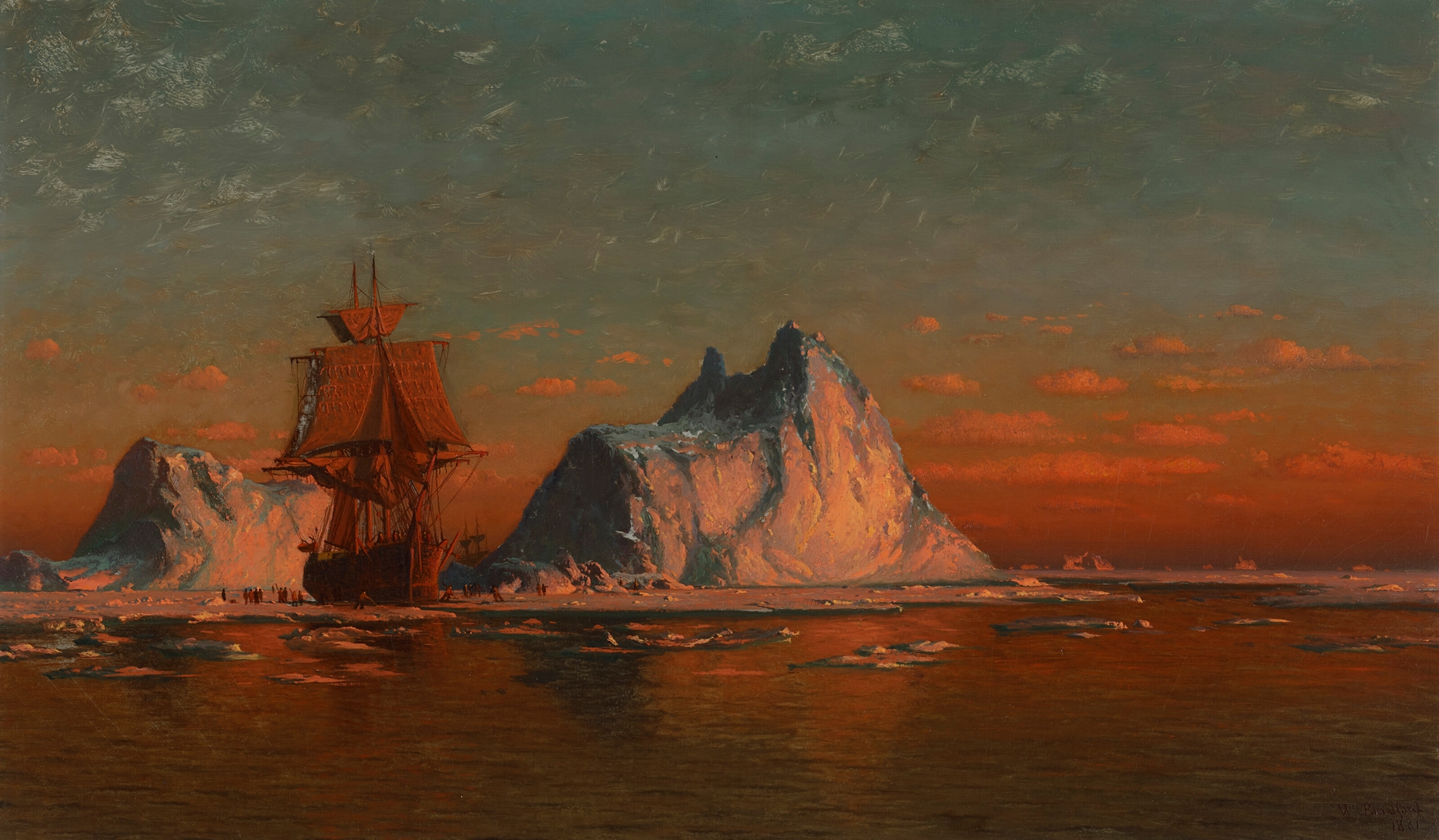
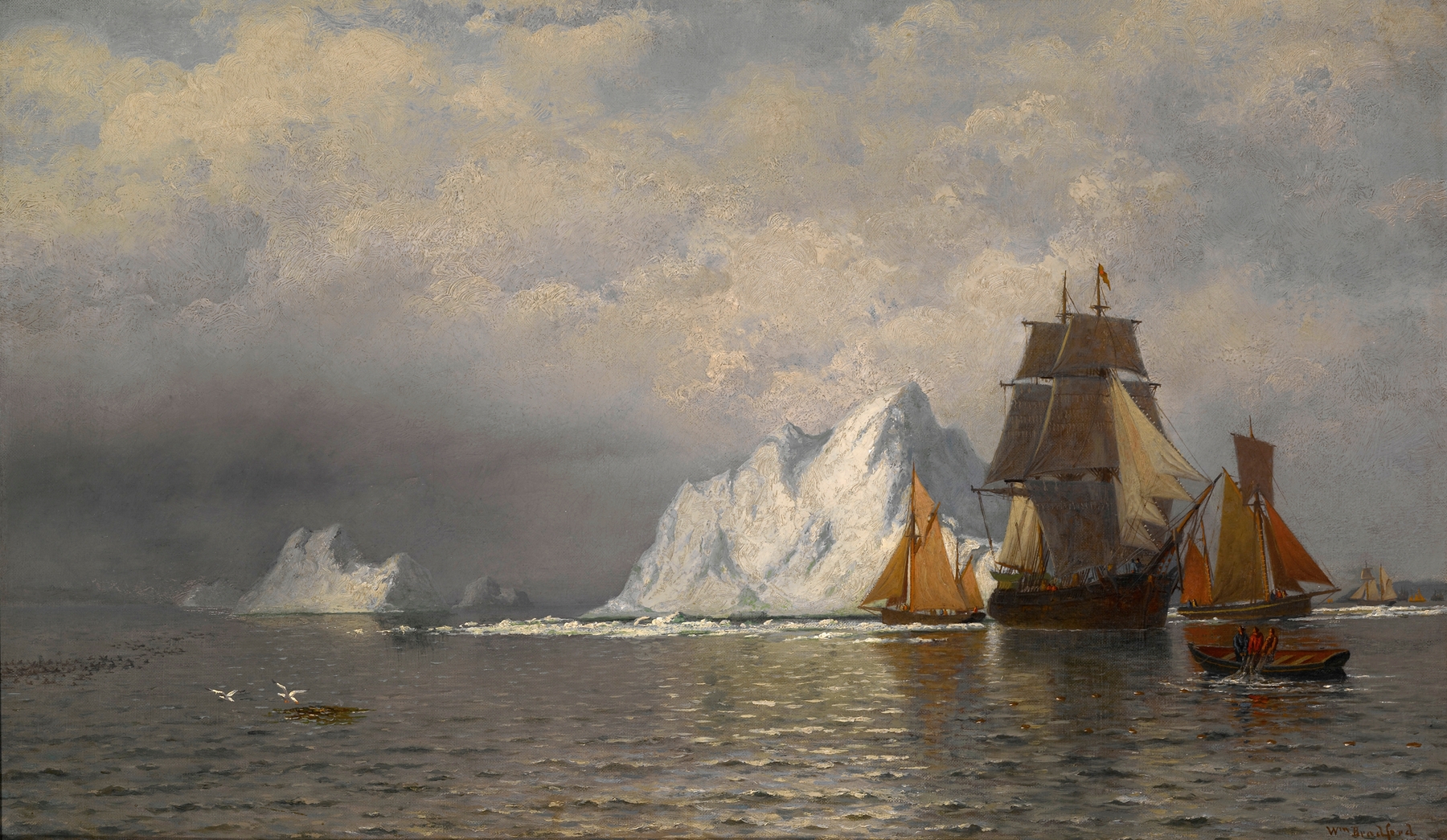
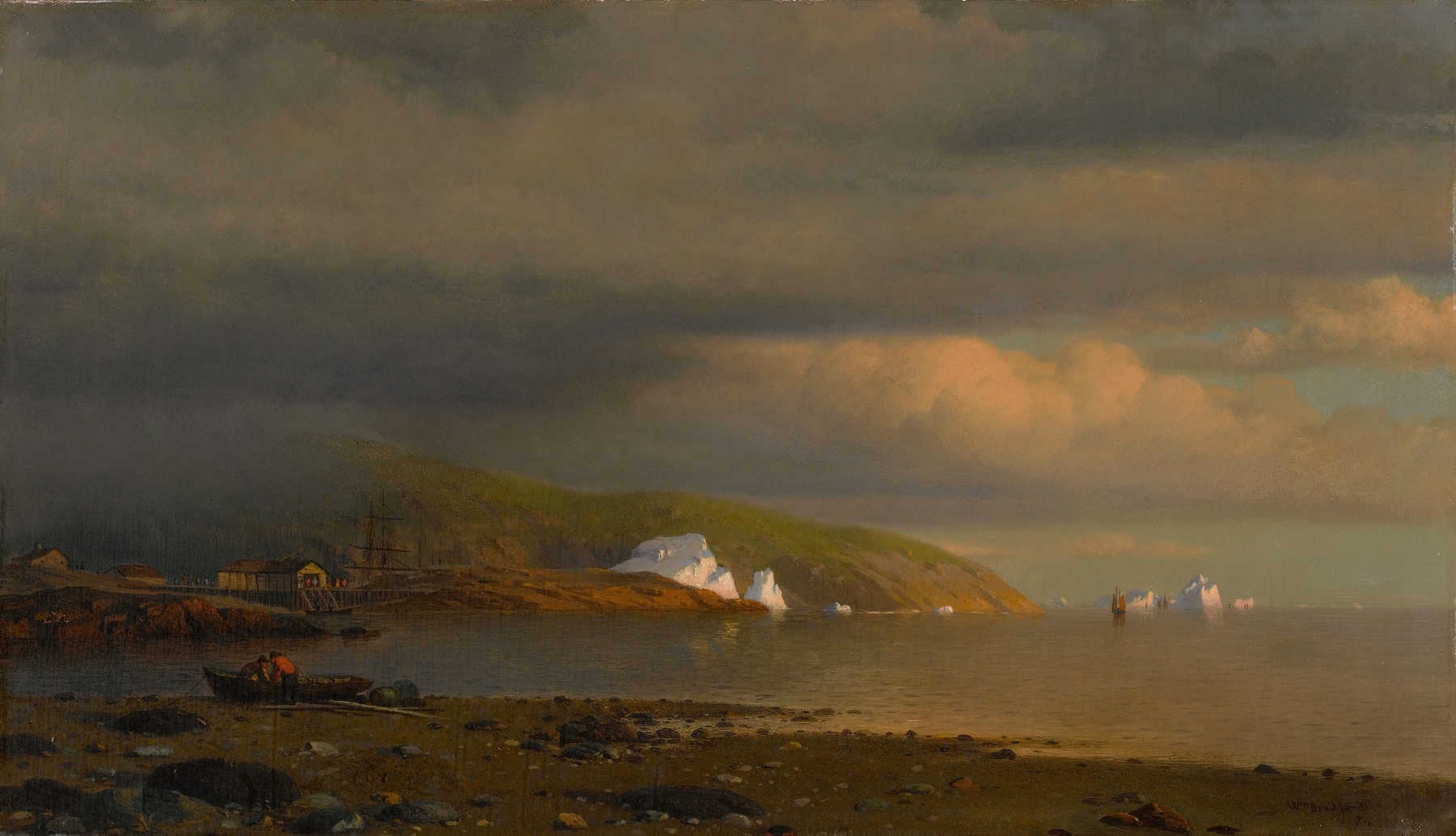
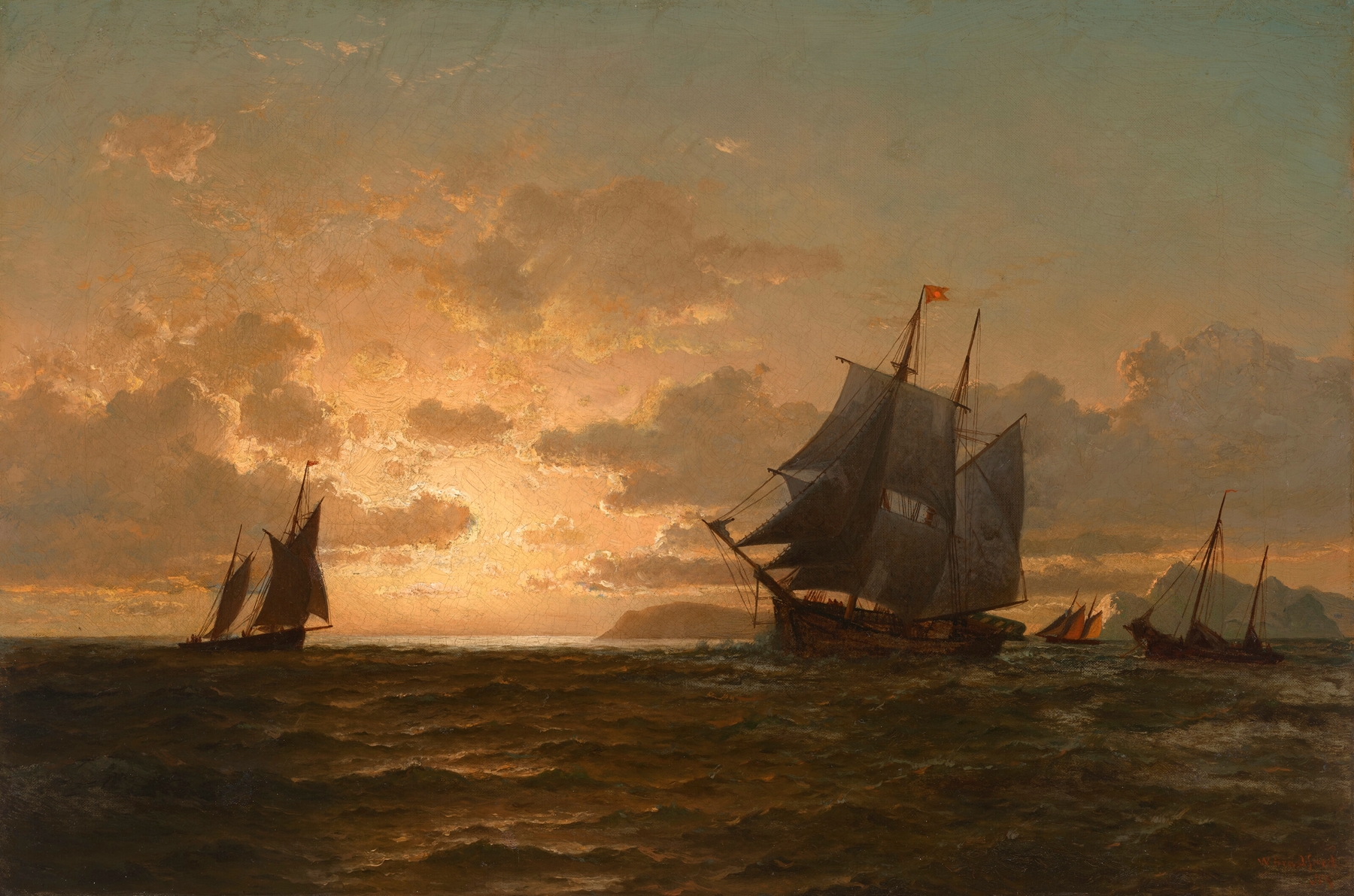
Did the painter know this moment would outlive them? The fleeting glow of sun-drenched ice, shimmering in a world where few dared to tread, captures both the beauty and fragility of nature. Focus on the vast expanse of cool blues and whites stretching across the canvas. The icebergs, with their jagged silhouettes, rise majestically, almost ethereal, against a backdrop of soft, diffused light. Notice how the sun’s rays break through the clouds, casting a brilliant luminescence on the maritime scene, inviting the viewer's gaze to wander deep into the tranquil yet deceptive landscape.
Each stroke of paint reveals the artist's mastery in portraying water and ice, blending textures to evoke a sense of both calm and isolation. Delve deeper into the contrasts that define this work. The harsh reality of the Arctic landscape is softened by the delicate play of light, suggesting a fragile harmony between beauty and danger. The ship, small in comparison to the colossal ice formations, hints at human ambition and vulnerability, embodying the tension of exploration amidst nature's indifference.
These layers of meaning invite contemplation on the relentless pursuit of knowledge and the ephemeral nature of existence. In 1871, the artist created this piece during an era of burgeoning interest in Arctic exploration, inspired by recent expeditions. Working in the heightened cultural climate of the time, he sought to capture the grandeur of these bleak landscapes. Bradford's dedication to depicting the Arctic not only reflected his adventurous spirit but also contributed to a broader understanding of the environmental marvels and challenges of these remote regions.