Return of the Labrador Fishermen — History & Analysis
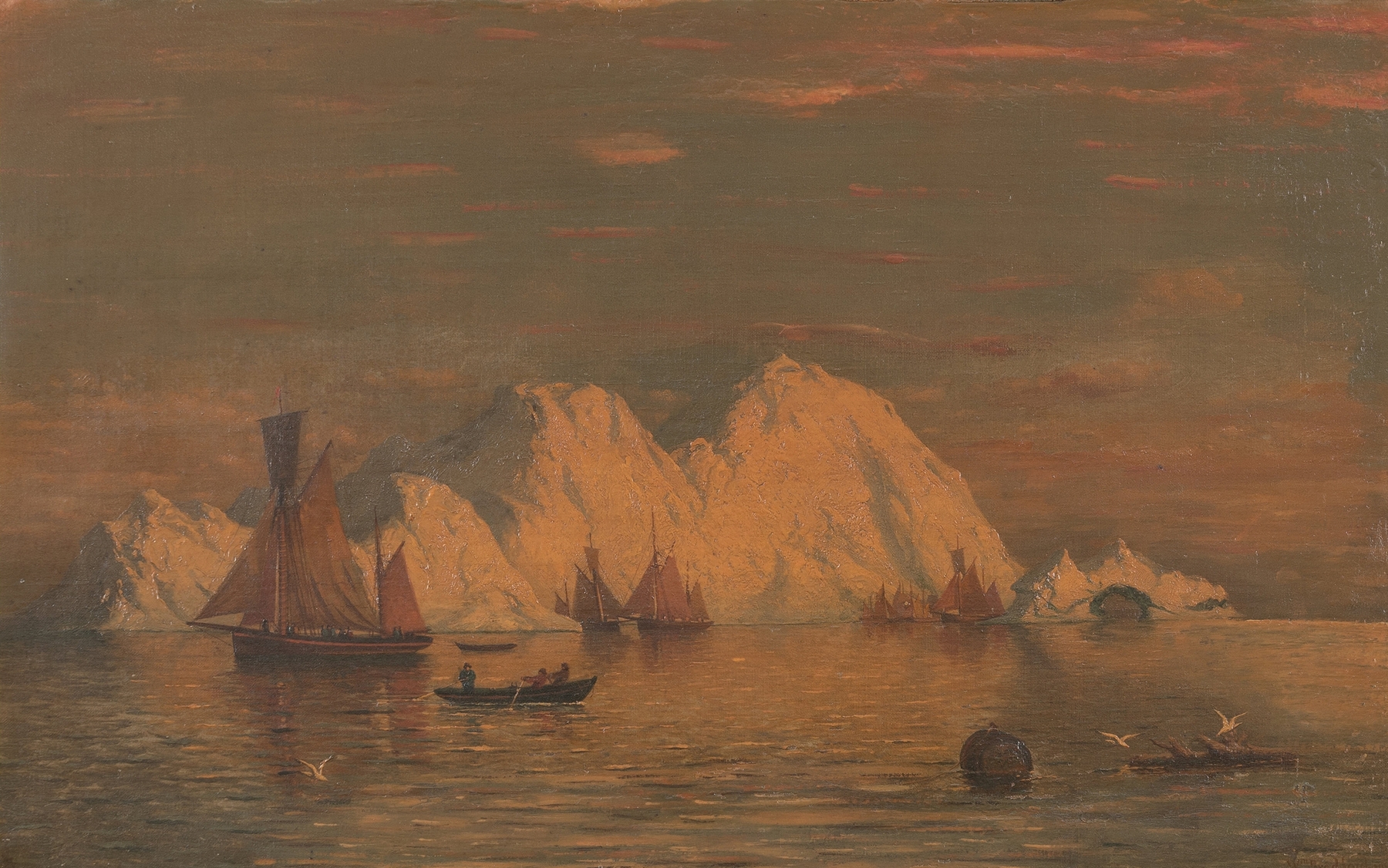
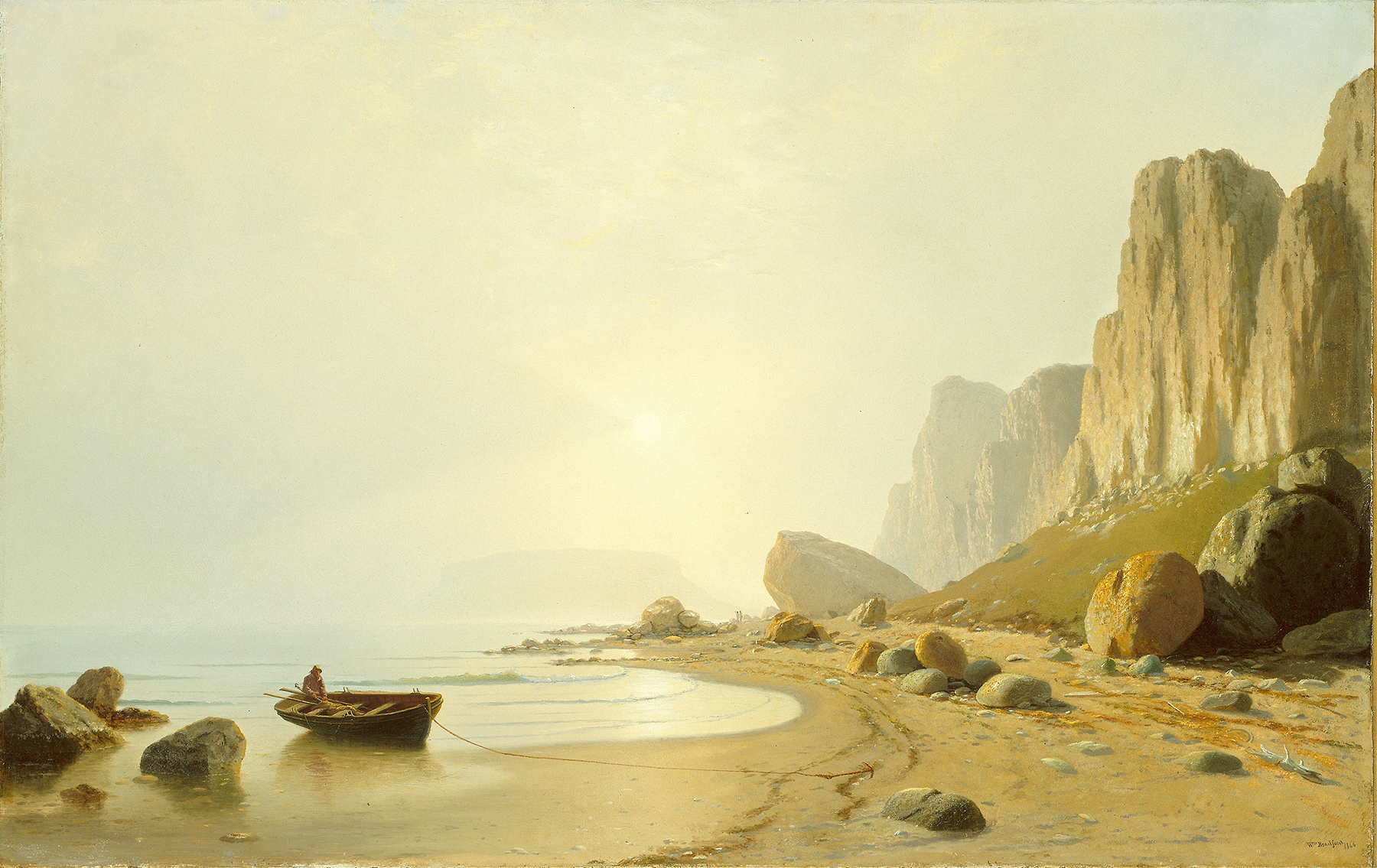
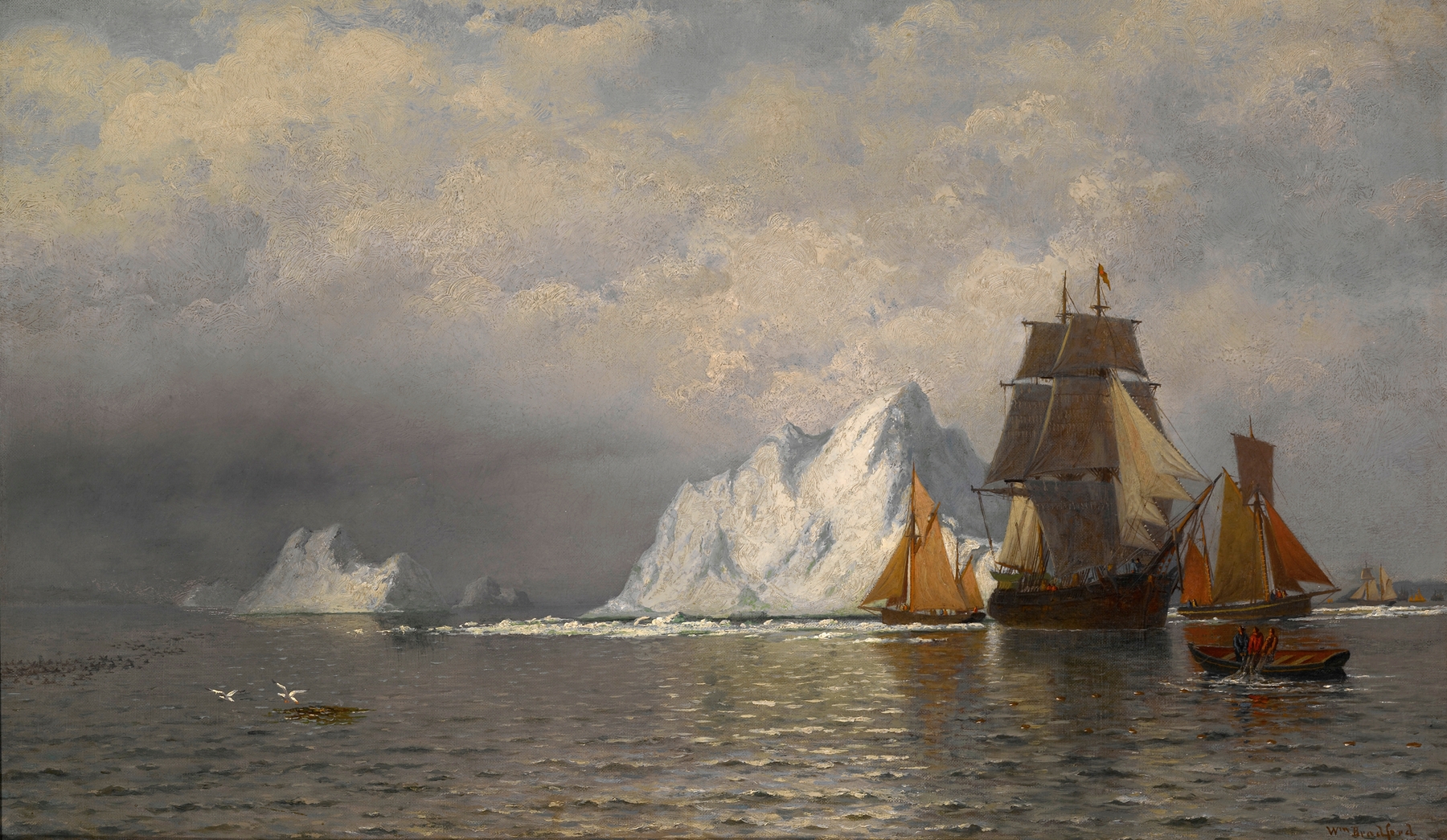
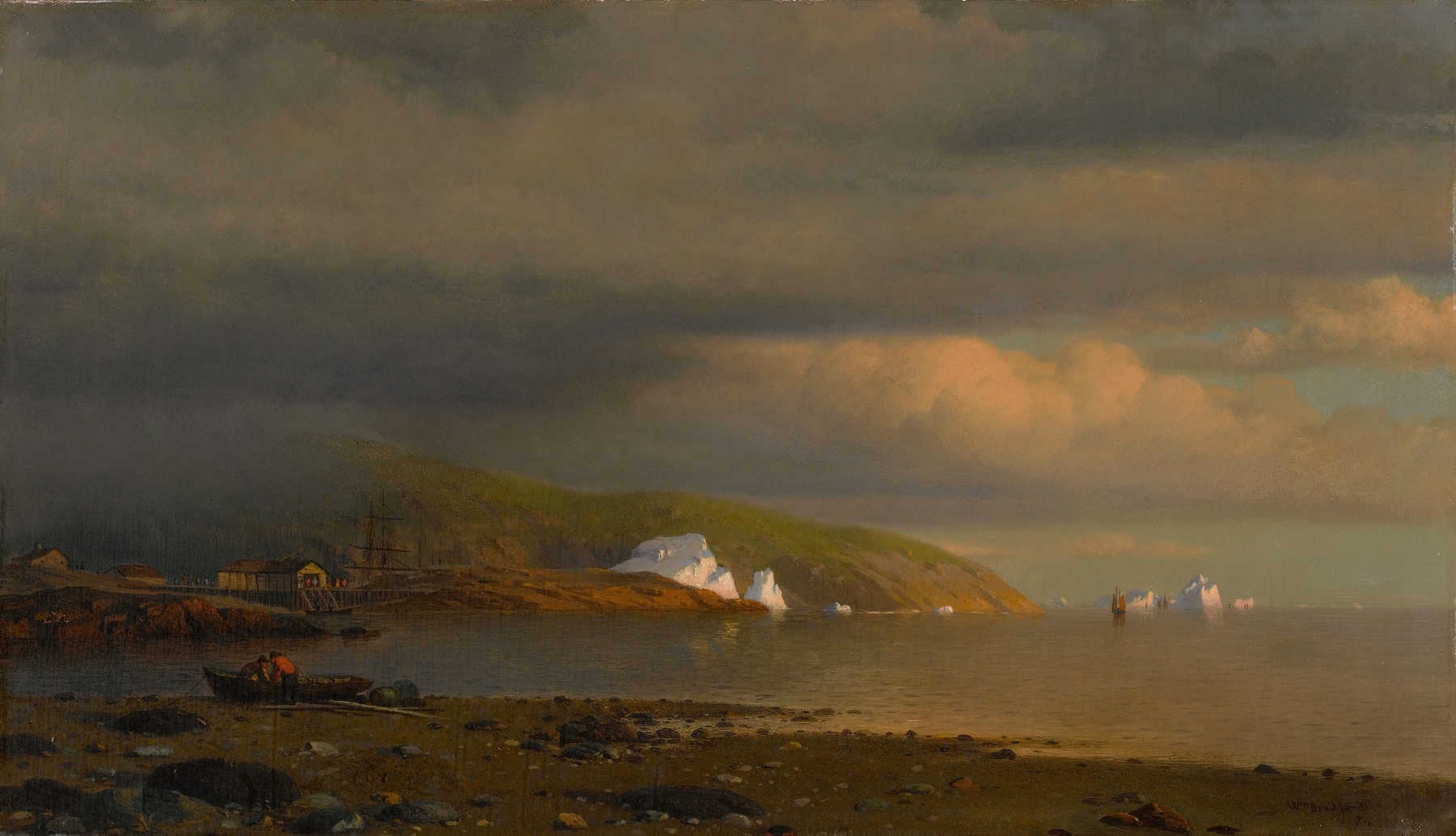
Can paint confess what words never could? In Return of the Labrador Fishermen, the bittersweet struggle of the sea embodies a silent grief that lingers long after the tides recede. Look closely at the foreground, where a small group of weary fishermen, their faces weathered and lined, emerges from a misty embrace of fog and salt. The brushwork here is both delicate and heavy, revealing the rough texture of their boats and the sly shimmer of water against their tired bodies.
Notice how the subtle palette of blues and grays dominates the scene, evoking a mood of somber reflection amid the stark beauty of the landscape, accentuated by the gentle, diffused light filtering through the haze. There lies a tension between hope and despair in this work; the fishermen’s return hints at stories untold, filled with loss and unyielding resilience. The distant horizon, shrouded in clouds, suggests the omnipresent threat of the sea, while the rocky shoreline stands as a reminder of both sanctuary and peril.
Each detail, from the bow of the boat to the way the water laces around it, speaks to the fragility of life amid nature’s relentless power, capturing an emotional resonance that transcends mere representation. In 1881, Bradford was deeply immersed in his exploration of marine subjects, creating this piece during his time in the scenic landscapes of Newfoundland. His focus on the lives of fishermen and their struggles reflected the broader themes of human endurance and connection to nature, resonating in a world grappling with industrial transformation and the changing tides of society.